
IBTM World 2027 Unlocks New Possibilities as Regeneration Emerges as the Next Big Events Industry Trend

Updated
Published
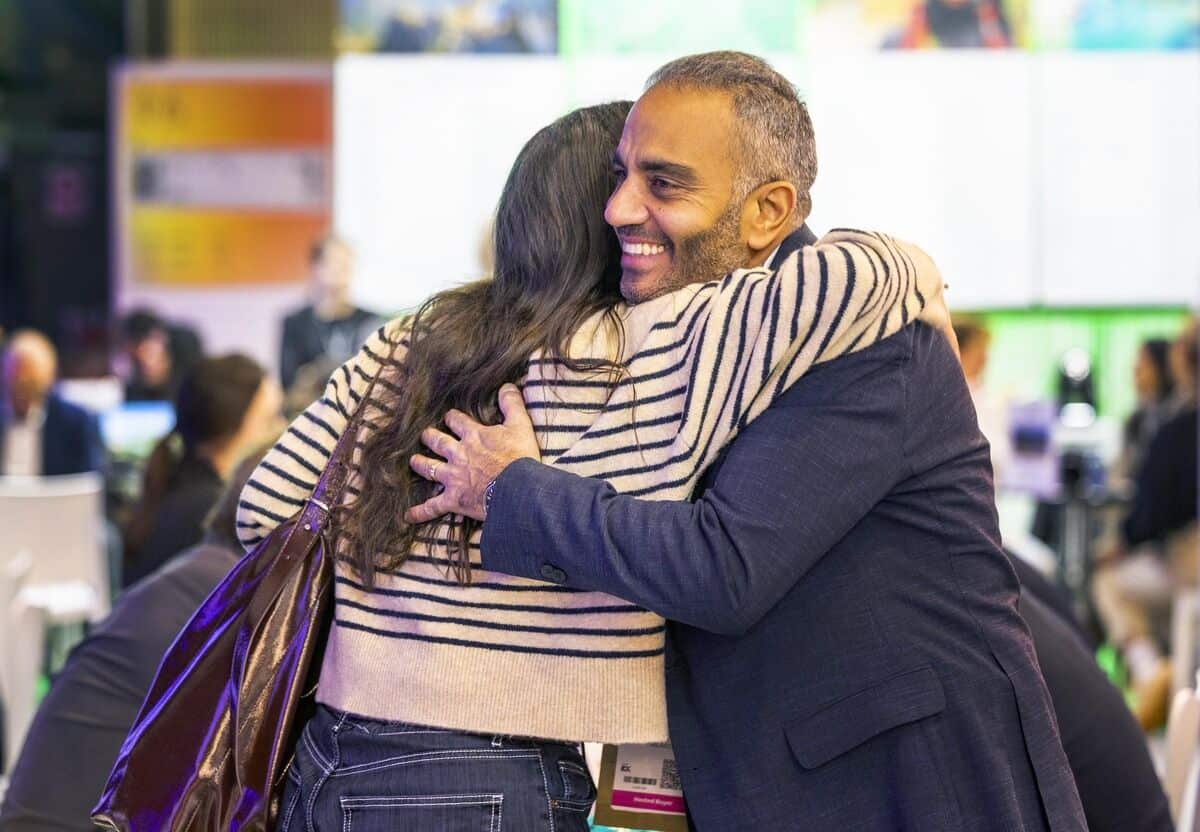
The growing importance of human intelligence, creativity and cognitive ability is expected to reshape the global business events industry, according to an early preview of the IBTM World Trends Report 2027. The report identifies the rise of the Brain Economy, estimated to be worth $6.2 trillion, as a major development that could influence how organisations design meetings, conferences and professional gatherings.
Developed by Alistair Turner, Managing Director of Eight PR & Marketing, with contributions from Megan Henshall of Google XI, the latest edition explores Regeneration as the next stage in the evolution of the Experiences Economy. Moving beyond the industry’s established emphasis on personalised experiences and individual transformation, this concept examines how events can strengthen human relationships, encourage lasting friendships and challenge conventional ways of thinking. The complete report is scheduled to be unveiled at IBTM World in Barcelona on 28 November, offering attendees an early opportunity to examine its findings and implications for the sector.
Advertisement
Advertisement
A central theme is the changing relationship between artificial intelligence and human potential. As digital technologies increasingly perform tasks that previously depended on human thought and judgement, qualities such as imagination, curiosity, creativity and the ability to acquire new knowledge could become even more valuable. The report examines how event organisers can respond by creating environments that stimulate intellectual engagement, encourage fresh ideas and support meaningful personal development.
The research also challenges traditional perceptions of networking as the primary indicator of a successful business event. With hybrid working arrangements changing professional relationships and loneliness becoming an increasingly important social concern, the report suggests that genuine friendships and lasting human connections may provide greater value than conventional networking opportunities. This shift could encourage organisers to place more emphasis on experiences that build trust, strengthen communities and create relationships extending well beyond the event itself.
Advertisement
Advertisement
Artificial intelligence remains an important focus, but the discussion extends beyond its practical applications in event planning and delivery. Rather than concentrating exclusively on automation, the report considers which distinctly human capabilities become more significant as technology assumes a larger role in professional life. Its findings suggest that face-to-face participation, shared experiences and authentic interpersonal interaction could become increasingly important, reinforcing the strategic value of physical business events in an increasingly technology-driven world.
Alistair Turner said: “In essence, the Trends Report seeks to understand how we, as an industry, Meet the Moment in this age of disruption. This year’s answer is optimistic, exciting and revolutionary. The industry now has the growth, stability and confidence to move beyond evolution, rethink established ideas and reinvent and regenerate itself. Across the research, from regions and industry sectors around the world to conversations with leading voices in events, there is a clear ambition to turn that confidence into meaningful change, shaping both what business events can achieve and how they contribute to the world.”
Advertisement
Advertisement
Megan Henshall, Google XI, said: “So many of the stories organisations tell about themselves were written for a world that no longer exists. Events are one of the few places where people can come together and start writing new ones. My message to the industry is that it’s time to pick the pen back up.”
The comprehensive report also explores how evolving global trends and workforce dynamics are expected to influence the future demand for meetings and business events. It offers destinations a new perspective on identifying their unique strengths, encouraging them to look beyond conventional city branding and national identities to uncover the distinctive qualities that can strengthen their appeal in an increasingly competitive international meetings market.
IBTM World’s Show Director, Claudia Hall, said: “Nobody in our industry needs telling that this is a period of disruption. What struck me about this year’s report is how much reason it gives us for optimism. As artificial intelligence changes how we work, the human qualities that events enable (creativity, learning, trust and meaningful connection) will become more valuable, not less. The report challenges us to think differently about the environments we create and how we measure their impact. I am looking forward to beginning that conversation with the global industry in Barcelona.”
This year’s event is set to bring together more than 12,000 event industry professionals from around the world, alongside over 2,500 destinations, hotels, venues, event technology providers and emerging startups. The three-day gathering will offer a dynamic platform for pre-arranged business meetings, innovative product showcases, industry-focused learning sessions and valuable networking opportunities, helping participants build partnerships, explore new solutions and strengthen connections across the global events sector.
Advertisement
