
Iceland Unveils Unforgettable Adventures from Northern Lights to Glaciers and Volcanic Wonders: Everything You Need to Know

Published
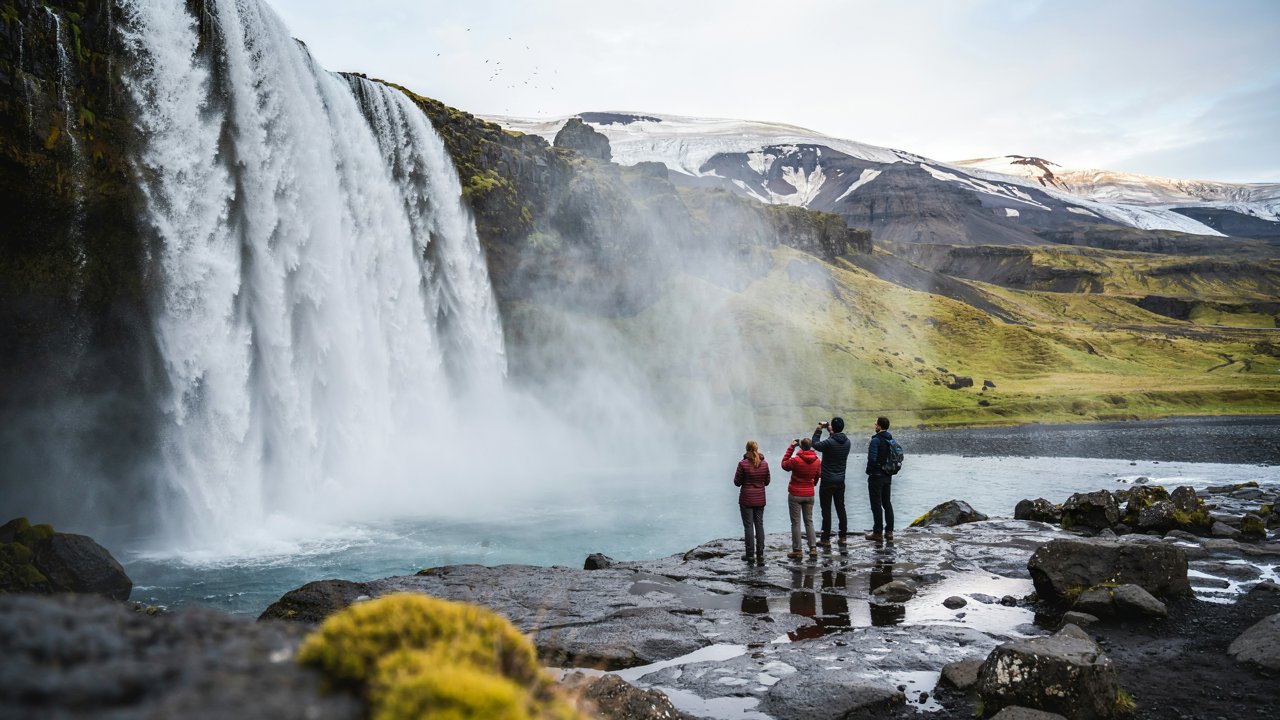
Iceland attracts visitors from all corners of the earth with its unique blend of volcano landscapes, glaciers, waterfalls, geothermal phenomena and beautiful seascapes. The Nordic island, often called the “Land of Fire and Ice”, provides experiences that simply cannot be found in any other place of the planet.
Whether you are chasing the Northern Lights in the cold winter nights or exploring mighty waterfalls, old glaciers or geothermal pools, Iceland is full of adventure opportunities all year round.
Owing to its unusual geography, visitors are able to visit volcanoes, lava fields, mountains and seas in one trip.
The Golden Circle is among Iceland’s most popular sightseeing routes, linking the most famous attractions, such as Þingvellir National Park, Geysir geothermal area and Gullfoss waterfall.
Advertisement
Advertisement
Why Iceland Has Become One of the World’s Most Extraordinary Adventure Destinations
Iceland’s tourism appeal comes from its dramatic natural environment created by volcanic activity, glaciers and powerful geological forces.
Unlike traditional holiday destinations focused mainly on beaches or cities, Iceland attracts travellers seeking exploration and outdoor experiences.
Advertisement
Advertisement
| Iceland Experience | Why Travellers Choose It |
| Northern Lights | Witness colourful aurora displays |
| Geothermal lagoons | Relax in naturally heated waters |
| Waterfalls | Experience powerful natural scenery |
| Glaciers | Explore ancient ice landscapes |
| Volcanoes | Discover Iceland’s geological power |
| Wildlife | Observe whales, puffins and marine life |
The country’s compact size also allows visitors to experience several major attractions during one trip.
Golden Circle Reveals Iceland’s Most Famous Natural Treasures
The Golden Circle is one of Iceland’s most popular travel routes, offering visitors a powerful introduction to the country’s history and geology. The route connects three major attractions: Þingvellir National Park, the Geysir geothermal area and Gullfoss waterfall.
Advertisement
Advertisement
| Attraction | Main Highlight |
| Þingvellir National Park | Historic site and meeting point of tectonic plates |
| Geysir Geothermal Area | Active geothermal features and erupting geysers |
| Gullfoss Waterfall | Dramatic two-tier waterfall |
Þingvellir is especially significant because of its geological importance and historical connection with Iceland’s national assembly. Travellers can explore the Golden Circle through guided tours, self-drive journeys or extended adventure packages combining nearby attractions.
Northern Lights Create Magical Winter Experiences across Iceland
The Northern Lights remain one of Iceland’s most famous natural attractions. During darker winter months, visitors travel across the country hoping to witness the colourful lights dancing across the night sky.
The best viewing opportunities usually come from areas with:
- Low light pollution
- Clear skies
- Remote landscapes
- Longer winter nights
Popular Northern Lights locations include rural areas outside Reykjavík, northern Iceland and remote countryside regions.
Advertisement
Advertisement
Many travellers combine aurora hunting with other winter activities such as:
| Winter Activity | Experience |
| Ice caves | Explore frozen glacier formations |
| Snow adventures | Discover Iceland’s winter landscapes |
| Geothermal bathing | Relax in warm natural pools |
| Wildlife tours | Search for Arctic species |
Blue Lagoon Offers Iceland’s Famous Geothermal Wellness Experience
The Blue Lagoon remains one of Iceland’s most recognisable attractions, combining geothermal waters with a unique volcanic landscape.
Located on the Reykjanes Peninsula, the lagoon attracts visitors looking for relaxation after exploring Iceland’s rugged environment.
Visitors can enjoy:
- Geothermal bathing
- Spa treatments
- Volcanic surroundings
- Wellness experiences
- Scenic photography
The attraction has become a symbol of Iceland’s connection between nature, wellness and tourism.
Beyond the Blue Lagoon, Iceland also offers other geothermal experiences, allowing visitors to discover different styles of hot spring culture.
Advertisement
Advertisement
Iceland’s South Coast Delivers Waterfalls, Beaches and Glacial Landscapes
The South Coast is among Iceland’s most scenic regions, offering some of the country’s most dramatic landscapes.
Visitors can explore:
| Location | Experience |
| Seljalandsfoss | Waterfall visitors can walk behind |
| Skógafoss | Powerful waterfall surrounded by cliffs |
| Reynisfjara | Famous black sand beach |
| Glacier areas | Ice landscapes and adventure tours |
The combination of waterfalls, volcanic beaches and mountains makes the South Coast one of Iceland’s most photographed areas.
Jökulsárlón Glacier Lagoon Creates a World of Floating Ice
Jökulsárlón Glacier Lagoon offers one of Iceland’s most unforgettable natural scenes. Massive icebergs break away from glaciers and float across the lagoon before moving towards the ocean.
Nearby Diamond Beach creates another striking landscape, where pieces of ice rest on dark volcanic sand.
| Glacier Lagoon Experience | Visitor Appeal |
| Boat tours | Close views of floating ice |
| Photography | Unique natural scenery |
| Wildlife viewing | Possible seal sightings |
| Coastal exploration | Combined glacier and beach experiences |
The area demonstrates Iceland’s powerful connection between ice, ocean and volcanic landscapes.
Advertisement
Advertisement
Whale Watching and Wildlife Tours Bring Travellers Closer to Nature
Iceland’s surrounding waters provide excellent opportunities for marine wildlife experiences.
Popular wildlife activities include:
- Whale watching
- Puffin viewing
- Marine photography
- Coastal exploration
Visitors can often combine wildlife tours with city breaks in Reykjavík or longer journeys around Iceland’s coastline.
Wildlife tourism has become an important part of Iceland’s nature-based travel appeal.
Reykjavík Provides Culture, Cuisine and a Gateway to Adventure
Although Iceland is famous for natural wonders, its capital city Reykjavík offers travellers a vibrant cultural experience.
Visitors can explore:
Advertisement
Advertisement
- Museums
- Art galleries
- Local restaurants
- Harbour areas
- Icelandic architecture
The city also acts as a starting point for many major tours, including Golden Circle excursions and Northern Lights adventures.
Reykjavík allows travellers to combine urban experiences with Iceland’s wilderness.
Iceland’s Top Experiences for Different Types of Travellers
| Traveller Type | Recommended Experience |
| Adventure seekers | Glacier hiking and volcanic landscapes |
| Couples | Northern Lights and geothermal spas |
| Families | Waterfalls, wildlife and sightseeing routes |
| Photography lovers | Ice lagoons and black sand beaches |
| Nature travellers | National parks and remote landscapes |
Best Time to Visit Iceland Depends on the Experience You Want
Iceland offers different attractions throughout the year.
| Season | Best Experiences |
| Summer | Long daylight, road trips, hiking |
| Autumn | Fewer crowds and changing landscapes |
| Winter | Northern Lights and snow adventures |
| Spring | Wildlife and seasonal transitions |
Summer provides nearly endless daylight, while winter offers the strongest opportunity for aurora viewing.
Sustainable Tourism Shapes Iceland’s Future Travel Growth
As visitor numbers increase, Iceland continues focusing on protecting its fragile natural environment.
Responsible travel practices include:
Advertisement
Advertisement
- Staying on marked paths
- Protecting natural landscapes
- Respecting wildlife
- Following local guidelines
- Supporting sustainable tourism providers
The country’s unique landscapes require careful management to ensure future travellers can continue experiencing its natural wonders.
Frequently Asked Questions
1. What is the most popular tour in Iceland?
The Golden Circle is among Iceland’s most popular sightseeing routes, featuring Þingvellir National Park, Geysir and Gullfoss waterfall.
2. When is the best time to see the Northern Lights in Iceland?
The best chances usually occur during darker months from autumn to early spring when nights are longer.
3. How many days are needed to explore Iceland?
Advertisement
Advertisement
A short trip can cover Reykjavík and major highlights, but longer journeys allow visitors to explore the South Coast, glaciers and remote regions.
4. Is Iceland suitable for adventure travellers?
Yes. Iceland offers glacier hikes, volcano experiences, hiking trails, wildlife tours and outdoor adventures.
5. What makes Iceland different from other destinations?
Iceland combines volcanoes, glaciers, waterfalls, geothermal areas and dramatic landscapes in one unique destination.
Conclusion
Visitors to Iceland embark on a unique adventure through some of the world’s most incredible natural surroundings. From colourful Northern Lights and hot geyser water to massive icebergs and falling waterfalls, Iceland presents experiences to an unforgettable journey. The visitors can enjoy the Golden Ring, relax in hot springs, or explore the wild coastlines of Iceland. Having its tourism shaped by adventure, culture, and sustainable principles, Iceland remains one of the top world travel destinations
Advertisement
