

WHO Joins US, UK And More In Issuing Urgent Warning For Russia Travel As Unexplained Pneumonia Raises Safety Questions

Published
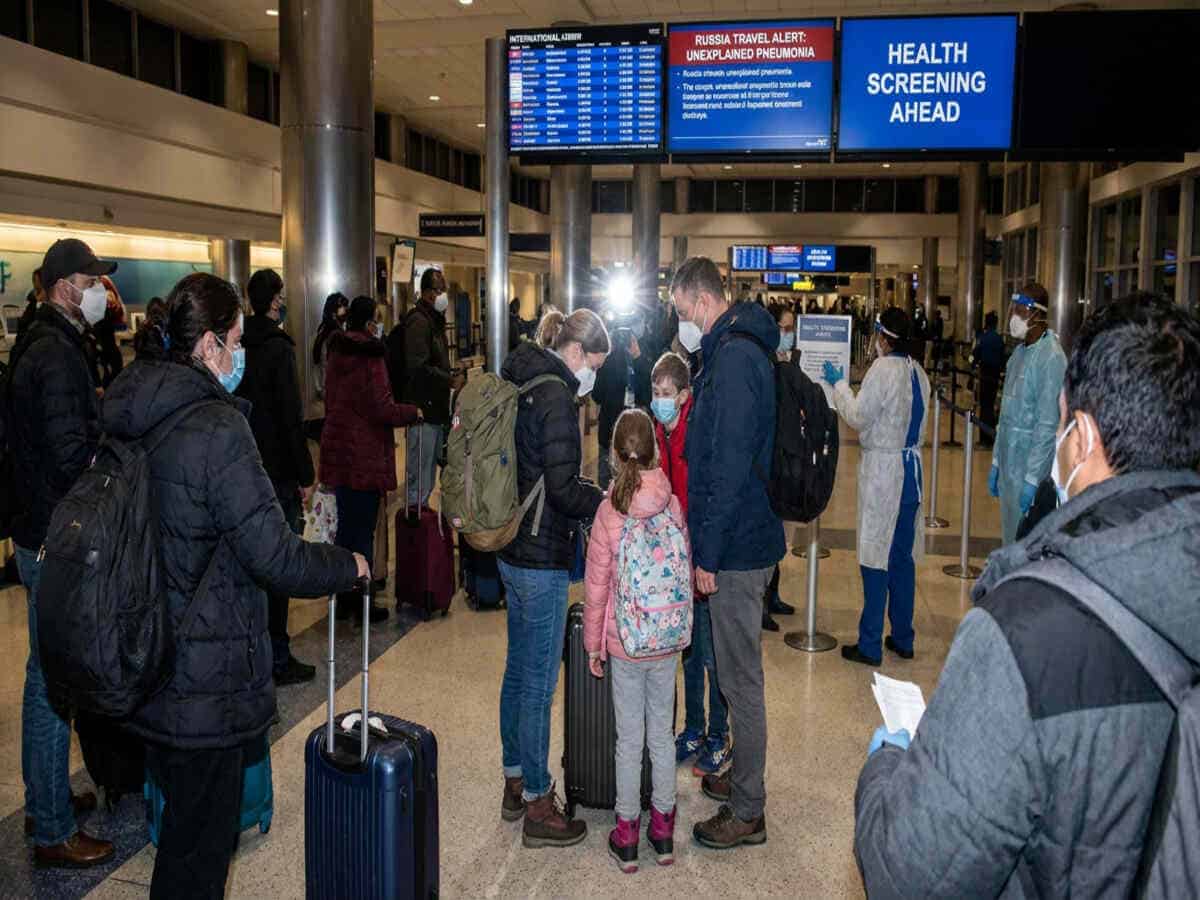
Russia travel gets new worry as WHO investigates a Siberian case of death and US, UK warns on health risks. Russia’s mysterious death caused by pneumonia has added new concerns over travel security after World Health Organization (WHO), US, UK, and health agencies in Europe have begun a closer look at the matter. Death of a young laboratory scientist in Siberia close to Irkutsk has raised questions about whether the individual died from pneumonic plague infection and the strict quarantine that is involved. The US has put forward particular travel health notices for the area concerned while the UK has released a new health surveillance notice. However, there has been no travel ban issued by WHO yet and the current nationwide advisory for not travelling to Russia still stands as is.
Russia’s Mysterious Laboratory Death Raises Serious Travel Safety Concerns
The incident began after a 28-year-old employee of the Irkutsk Anti-Plague Research Institute died on 2 October 2026. Reports suggested that the employee had developed severe respiratory symptoms before being hospitalised.
The death raised fears of possible pneumonic plague, a dangerous bacterial infection affecting the lungs. However, the infection has not been confirmed.
Some reports suggested a possible laboratory accident involving dangerous biological material. Russian authorities have not established that such an accident occurred.
Advertisement
Advertisement
The incident has attracted international attention because the institute handles research involving infectious diseases. Questions surrounding the worker’s illness have now extended beyond laboratory safety to international travel health surveillance.
WHO Demands Answers From Russia Over Unexplained Pneumonia
The World Health Organization has requested additional information from Moscow to determine whether the unexplained illness presents a wider public health threat.
Advertisement
Advertisement
WHO contacted Russian authorities on 3 October under the International Health Regulations. Russia subsequently provided an initial response.
However, WHO Director-General Dr Tedros Adhanom Ghebreyesus confirmed on 7 October that significant information gaps remained.
The organisation wants complete laboratory results, details of the patient’s illness and explanations for the precautionary measures.
WHO has also offered technical support on disease surveillance and laboratory safety.
Importantly, WHO’s intervention represents an international health investigation rather than a formal recommendation to avoid travelling to Russia.
Nearly 200 People Quarantined as Investigators Examine Possible Exposure
One of the most significant developments involved approximately 200 people placed under quarantine or medical observation after the laboratory worker’s death.
Advertisement
Advertisement
The extensive precautionary response attracted international attention because Russia had not confirmed any plague infection.
WHO has questioned the reasons behind the quarantine measures and requested additional information about the health of the people involved.
Russian authorities subsequently reported that testing had not identified dangerous infectious pathogens among monitored contacts.
Reports also indicated that many individuals had been released from quarantine.
However, the exact exposure history, monitoring arrangements and diagnostic evidence have not been fully established through publicly available WHO information.
Russia Rejects Plague Outbreak Claims and Reports Thousands of Tests
Russian authorities have strongly rejected suggestions that a plague outbreak is underway.
Advertisement
Advertisement
The country’s public health regulator, Rospotrebnadzor, reportedly conducted nearly 5,000 laboratory tests during its investigation.
According to Russian officials, testing identified no dangerous infection linked to the suspected incident.
COVID-19 and rhinovirus infections were reportedly detected among some people being monitored, although these findings do not establish the cause of the laboratory employee’s death.
Moscow has described the original illness as pneumonia of undetermined origin.
Meanwhile, WHO is also seeking clarification about reports concerning a second laboratory employee with unexplained pneumonia.
That possible second case remains unverified, and no epidemiological connection has been established.
Advertisement
Advertisement
United States Issues Specific Travel Health Precautions for Siberia
The United States has introduced a significant travel-related response through the Centers for Disease Control and Prevention (CDC).
The CDC’s Russia destination guidance identifies the suspected incident in Shelekhov, near Irkutsk, and advises travellers to take additional health precautions.
Visitors are advised to avoid close contact with sick individuals, minimise exposure to rodents, protect themselves against flea bites and follow local public health instructions.
The CDC has also indicated that travellers entering the United States from the affected region may undergo public health screening.
This does not mean screening is compulsory for every passenger. Nevertheless, the guidance highlights the importance of monitoring potentially exposed travellers.
America’s Existing Level 4 Russia Travel Warning Remains in Force
The US State Department continues to classify Russia under its highest travel advisory category: Level 4 – Do Not Travel.
Advertisement
Advertisement
This nationwide warning existed before the suspected plague incident and was not introduced because of the unexplained pneumonia death.
The existing advisory reflects serious security concerns, including risks connected to the war in Ukraine, arbitrary detention and limited consular assistance.
Reports of a separate US Embassy health alert concerning Irkutsk have also circulated, although the original embassy publication has not been independently verified in the information available for this article.
American travellers must therefore distinguish between the longstanding national security warning and the newer regional infectious disease precautions.
United Kingdom Strengthens Russia Travel Health Surveillance
The United Kingdom has also drawn attention to the health situation in Russia.
On 7 October, TravelHealthPro, operated by the National Travel Health Network and Centre, published an update concerning pneumonia of unknown origin in Irkutsk.
Advertisement
Advertisement
The notice reflected international monitoring of the suspected infection and the absence of confirmed sustained transmission.
Meanwhile, the UK Foreign, Commonwealth and Development Office continues to advise against all travel to Russia.
Like the American nationwide advisory, this warning predates the suspected disease incident.
British travellers therefore face two separate considerations: the longstanding security-related travel warning and the additional health uncertainty surrounding the Siberian investigation.
European Union and Australia Maintain Vigilance Over Russia Travel
European health authorities are monitoring developments closely.
On 6 October, the European Centre for Disease Prevention and Control confirmed that it was following the incident and communicating with international health organisations.
Advertisement
Advertisement
The agency reported no confirmed secondary cases or evidence of sustained human-to-human transmission.
It has not recommended a general European travel ban because of the suspected infection.
Australia also continues to maintain its existing Do Not Travel advice for Russia through Smartraveller.
However, Australia’s nationwide advisory was already in place for security reasons.
These responses show that international concern is growing around disease verification, even though broad new travel restrictions have not been confirmed.
Russia Travel Warnings: What WHO, US, UK, EU and Australia Are Advising
The following table explains the different warnings and health responses affecting travellers as of 8 October 2026.
Advertisement
Advertisement
| Authority | Warning or health response | Impact on travellers |
|---|---|---|
| WHO | Requests more information about suspected infection and quarantine measures | Heightened disease monitoring; no general WHO travel ban |
| US CDC | Issues specific health precautions for Shelekhov and the Irkutsk area | Travellers should follow exposure precautions; possible US arrival screening |
| US State Department | Maintains Level 4 – Do Not Travel | Americans are advised against visiting Russia |
| UK FCDO | Continues advising against all travel | British visitors face existing security and consular concerns |
| UK TravelHealthPro | Publishes an Irkutsk pneumonia surveillance update | Travellers receive additional infectious disease information |
| ECDC / European Union | Monitors the incident and evaluates transmission evidence | No new general EU travel prohibition established |
| Australia Smartraveller | Maintains Do Not Travel advice | Australians remain advised against visiting Russia |
The table highlights an essential difference. New regional health guidance does not automatically mean that governments have introduced new nationwide travel restrictions.
How Is Russia Travel Being Affected by the Pneumonia Scare?
The most immediate impact concerns travel planning and health awareness.
International visitors considering Irkutsk, Lake Baikal and surrounding Siberian destinations may now encounter additional questions about medical safety and local emergency arrangements.
Travellers returning to the United States from the affected region could also face public health screening if authorities determine that checks are necessary.
However, no verified evidence establishes that the suspected infection has caused widespread flight cancellations, airport closures or international route suspensions.
The health investigation may nevertheless complicate travel decisions because visitors need reliable information about local conditions.
Advertisement
Advertisement
For Russia’s tourism industry, uncertainty itself could become a concern if the investigation remains unresolved.
Airlines, Tour Operators and Hotels Face Fresh Questions
The incident creates potential operational concerns for businesses involved in Russia travel.
Tour operators serving Siberia may need to review health guidance, emergency procedures and communication with local partners.
Travel agencies could face additional enquiries about the safety of visiting Irkutsk and nearby destinations.
Hotels may also need to reassure guests that they are following applicable local public health instructions.
However, there is no verified evidence that the suspected incident has produced a measurable decline in hotel bookings or visitor arrivals.
Advertisement
Advertisement
The immediate challenge is therefore preparedness and communication rather than an established tourism downturn.
Travel Insurance and Medical Assistance Become Important Concerns
Travellers planning journeys to Russia should carefully review their travel insurance arrangements.
Existing government advice against travelling to Russia can affect policy validity, depending on the insurer and the terms of coverage.
Visitors should also check whether their policies cover emergency medical treatment, hospitalisation and medical evacuation.
This is particularly important in remote Siberian destinations, where specialist medical assistance may be harder to access.
The suspected infection has not been shown to have caused a new nationwide insurance restriction.
Advertisement
Advertisement
Nevertheless, the incident reinforces the need to verify medical protection before departure, especially when travelling against official government advice.
Why Pneumonic Plague Is Such a Serious Public Health Threat
Pneumonic plague is caused by the bacterium Yersinia pestis.
Unlike some other forms of plague, pneumonic plague can spread between people through infectious respiratory particles during close contact.
Symptoms may include fever, coughing, chest pain, weakness and difficulty breathing.
According to WHO, the incubation period can be as short as 24 hours, and untreated illness can become life-threatening very quickly.
However, early antibiotic treatment can be effective.
Advertisement
Advertisement
The critical point is that pneumonia alone does not establish plague infection.
Russia’s laboratory worker has not been confirmed to have died from pneumonic plague, and the exact cause of death remains unresolved.
WHO’s Preliminary Assessment Offers Some Reassurance to Travellers
Despite international concern, WHO’s preliminary geographical risk assessment did not indicate a widespread emergency.
Based on the limited information initially available, WHO described the potential risk as low to moderate in the Irkutsk area, low across Russia and very low for the wider WHO European Region.
These assessments remain provisional because complete diagnostic information has not been provided.
The European disease control agency has also reported no evidence of sustained transmission.
Advertisement
Advertisement
These findings are important for travellers because they distinguish a serious investigation from an established outbreak.
Future travel guidance will depend on laboratory findings, contact monitoring and evidence of any additional infections.
What International Travellers Should Do Before Visiting Russia
Travellers should consult their government’s latest Russia advisory before finalising a journey.
Anyone travelling to the Irkutsk region should follow local public health instructions and avoid contact with people displaying serious respiratory symptoms.
Visitors should also avoid unnecessary contact with rodents and take measures to prevent flea bites.
Those who become unwell after possible exposure should seek urgent medical attention and inform healthcare professionals about their recent travel history.
Advertisement
Advertisement
Travellers should check medical insurance, emergency contacts and transport arrangements before departure.
Most importantly, they should rely on official public health updates rather than treating unconfirmed social media reports as evidence of a plague outbreak.
Frequently Asked Questions About Russia’s Travel Health Warnings
Has WHO issued a travel ban against Russia?
No. WHO has requested additional information and is assessing the potential public health risk. It has not announced a general prohibition on travelling to Russia because of this incident.
Are American travellers facing airport screening?
The CDC has advised that people arriving in the United States from the affected region may undergo public health screening. Universal or mandatory screening has not been established.
Advertisement
Advertisement
Is pneumonic plague officially confirmed in Russia?
No confirmed plague infection has been established from the information available. Russian authorities deny an outbreak, while WHO continues seeking additional diagnostic evidence.
Are Russia’s airports and tourist attractions closed?
No widespread airport or tourist attraction closures have been verified as a consequence of the suspected infection.
Closing Update: Russia Travel Safety Remains Under International Scrutiny
As of 8 October 2026, Russia’s unexplained laboratory death remains an unresolved public health investigation rather than a confirmed plague outbreak.
The CDC’s regional precautions, the UK’s infectious disease surveillance notice and WHO’s demands for additional information have increased attention on travel safety.
Advertisement
Advertisement
However, existing US, UK and Australian nationwide travel warnings were already in force before the incident.
For international travellers, the central concern is whether further medical evidence will clarify the death or reveal additional infections.
Russian travel poses health risks with WHO investigating a mystery Siberian pneumonia case and with US and UK health warnings.
Prior to that, Russian travel needs to consider the health advisories, security advisories, and local conditions rather than taking for granted that there is a plague emergency throughout Russia.
Advertisement
