
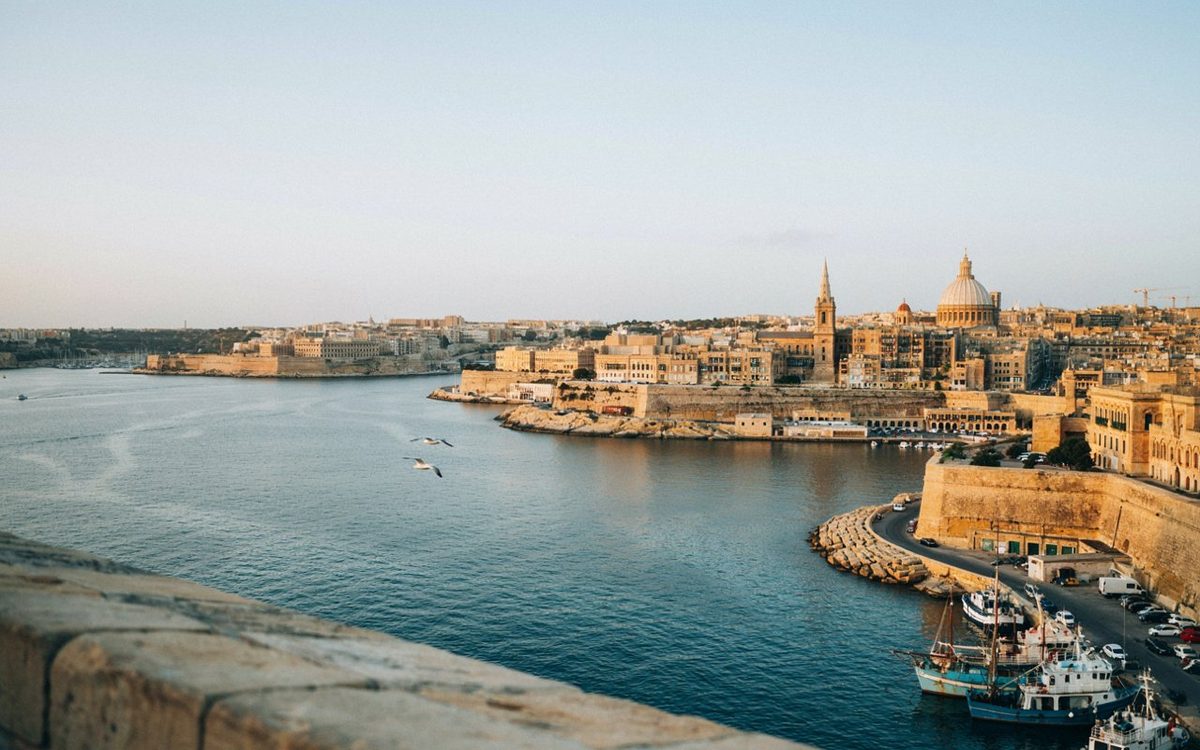
Image generated with Ai
As of 2026, Malta is remodeling its premier cruise tourism infrastructure is firmly anchored across four distinct historic locations. Valletta, via the Grand Harbour, serves as the primary international hub with seven modern, shore-power-enabled deep-water berths. Directly across the water, Birgu (Vittoriosa) acts as a specialized heritage and superyacht hub, catering to cultural excursions, while neighboring Senglea (Isla) operates as the scenic anchor, offering cruise passengers iconic fortified panoramas. Meanwhile, on the sister island of Gozo, Mġarr Harbour functions as a boutique and excursion hub, welcoming luxury ships and providing immediate access to rural landscapes and ancient temples. Together, these uniquely positioned towns offer a seamlessly integrated, world-class Mediterranean maritime experience.
| Town / City | Harbor Name | 2026 Cruise Role & Infrastructure | Key Tourist Highlights |
| Valletta | Grand Harbour (Valletta Cruise Port) | Primary International Hub: The main gateway for major Mediterranean cruise lines. Features seven deep-water berths at the historic Pinto Wharf and is newly equipped with shore-side power, allowing modern ships to plug directly into the local grid. | UNESCO World Heritage architecture, St. John’s Co-Cathedral, Upper Barrakka Gardens, and a beautifully restored 18th-century waterfront. |
| Birgu (Vittoriosa) | Grand Harbour (Three Cities) | Heritage & Superyacht Hub: Located directly across the water from Valletta’s terminal. While massive liners dock in Valletta, Birgu’s marina hosts superyachts, and the town serves as a primary cultural excursion destination for docked passengers. | Fort St. Angelo (the epicenter of the 1565 Great Siege), the Inquisitor’s Palace, and authentic maritime history with fewer crowds than the capital. |
| Senglea (Isla) | Grand Harbour (Three Cities) | Scenic Anchor: Another of the historic “Three Cities” framing the Grand Harbour. It provides the iconic fortified backdrop that cruise passengers photograph as they sail into Malta. | Gardjola Gardens, featuring a famous stone watchtower that offers the best vantage point of incoming cruise ships. |
| Mġarr | Mġarr Harbour (Gozo) | Boutique & Excursion Hub: The main seaport for Malta’s sister island of Gozo. While it handles heavy inter-island ferry traffic, it also welcomes smaller, luxury boutique cruise ships and serves as the entry point for shore excursions heading to Gozo. | Immediate access to Gozo’s slower-paced countryside, the ancient Citadel fortress, Ramla Bay’s red sands, and the Ġgantija temples. |
For decades, the strategic deep-water basin of the Grand Harbour has been the maritime heartbeat of the Mediterranean Sea. In 2026, Valletta’s official cruise port has cemented its status as the primary international hub for global cruise lines navigating southern Europe. This stunning natural harbor is not just functionally superior; it offers an arrival experience that is visually unmatched anywhere in the world. As massive ocean liners glide past centuries-old limestone bastions, passengers are immediately immersed in an open-air museum. The port effortlessly accommodates simultaneous dockings of the world’s largest mega-ships, cementing the capital’s role as the definitive gateway to the Maltese archipelago. With seamless logistical connectivity, the terminal ensures rapid disembarkation, allowing thousands of international travelers to step directly off their vessel and immediately begin exploring the historically rich, vibrant streets of Malta’s fortified capital city without relying on tedious tender boats or extended transit times.
The modern cruise industry faces immense pressure to decarbonize, and Malta has proactively answered that call. A massive operational milestone achieved in 2026 is the full implementation of shore-side power across the seven deep-water berths located at the historic Pinto Wharf. This transformative infrastructure upgrade allows incoming modern cruise ships to plug directly into the local electrical grid. By drawing power from the land, massive ocean liners can completely shut down their heavy fuel-burning auxiliary engines while docked. This technological leap drastically reduces localized air pollution, eliminates low-frequency engine vibrations, and drastically cuts greenhouse gas emissions directly over the capital. This multi-million-dollar investment was heavily championed by Transport Malta, proving that historic ports can successfully integrate cutting-edge green technology. Consequently, environmentally conscious cruise operators are aggressively prioritizing Valletta on their Mediterranean itineraries, knowing their vessels can operate sustainably while bringing vital tourism revenue into the local island economy.
Stepping off a ship in Valletta immediately thrusts visitors into a UNESCO World Heritage architectural masterpiece. The immediate jewel is the beautifully restored 18th-century Valletta Waterfront, characterized by its iconic, brightly painted doors and baroque warehouses originally built by the Knights of St. John. Beyond the immediate docks, passengers are drawn toward the awe-inspiring St. John’s Co-Cathedral. While its exterior is deceptively austere, the interior is an exploding symphony of high Baroque gold leaf, intricately carved stone, and famous Caravaggio masterpieces. Visitors also flock to the Upper Barrakka Gardens, perched high above the harbor. From this elevated vantage point, travelers can look down upon the very ships they arrived on, while taking in sweeping views of the Mediterranean horizon. Valletta beautifully balances high-end retail shopping, Michelin-starred dining, and perfectly preserved 16th-century architecture, creating an incredibly dense, easily walkable cultural paradise for day-tripping maritime tourists.
Advertisement
Advertisement
Directly across the shimmering waters of the Grand Harbour from Valletta lies Birgu, also known historically as Vittoriosa. While the capital city manages the massive commercial liners, Birgu has strategically carved out a niche as the region’s ultimate heritage and superyacht hub. Its state-of-the-art marina caters extensively to the ultra-wealthy, hosting sleek, multi-million-dollar private vessels year-round. However, Birgu’s true value to the 2026 cruise industry lies in its role as a premium shore excursion destination. For passengers disembarking in Valletta who wish to escape the heavy capital crowds, Birgu offers an incredibly authentic slice of maritime history. The winding, narrow alleys are meticulously preserved, offering an intimate look at traditional Maltese neighborhood life. This strategic separation of traffic—mega-ships in Valletta, superyachts and walking tours in Birgu—ensures that the historic infrastructure of the Three Cities is never overwhelmed, preserving the authentic charm that draws high-end travelers in the first place.
The historical weight of Birgu is anchored by two monumental structures that serve as absolute must-see attractions for visiting cruise passengers. The most prominent is Fort St. Angelo, a formidable maritime fortress jutting out into the harbor. This structure served as the absolute epicenter of the legendary Great Siege of 1565, where the Knights of Malta successfully repelled the invading Ottoman Empire. Today, it stands as an impeccably restored museum offering unparalleled interactive history. A short walk inland brings visitors to the chilling Inquisitor’s Palace, one of the very few surviving buildings of its kind in the world. As managed by Heritage Malta, the palace allows tourists to explore ancient tribunal rooms, historic prison cells, and intricate baroque architecture. These deeply immersive historical sites provide cruise passengers with a profound educational experience, perfectly complementing the leisurely luxury of the surrounding superyacht marina and waterfront cafes.
Bordering Birgu is Senglea, known locally as Isla, the second prominent member of the famous “Three Cities” framing the Grand Harbour. Senglea’s role in the 2026 cruise tourism ecosystem is uniquely visual; it serves as the ultimate scenic anchor. Because of its geographic protrusion directly into the harbor basin, it provides the exact fortified backdrop that millions of cruise passengers eagerly photograph from their balconies as they sail into Malta at dawn. The town itself is heavily residential, incredibly peaceful, and largely untouched by commercial tourism traps. For cruise travelers who choose to explore Senglea on foot, the reward is an unhurried, deeply atmospheric stroll through tight, residential streets adorned with traditional enclosed wooden balconies. Senglea represents the quiet, enduring soul of Malta’s dockland communities, proving that a town does not need a massive commercial terminal to be an essential, beloved component of the Mediterranean cruise passenger experience.
The absolute crown jewel of Senglea is the Gardjola Gardens, positioned at the very tip of the peninsula. Originally planned by Grandmaster De La Sengle in the 16th century, these gardens offer the single best panoramic vantage point over the Grand Harbour. For maritime enthusiasts and cruise passengers alike, there is no better place on land to watch the highly orchestrated ballet of massive cruise ships, tugboats, and traditional luzzu fishing boats navigating the deep-water basin. The garden’s focal point is the famous Il-Gardjola watchtower. Adorned with sculpted eyes and ears—symbolizing the historic knights’ eternal vigilance over the coastline—this stone guardhouse has become an iconic emblem of Maltese maritime security. Excursion tours actively bring passengers to these gardens to provide spatial context to the island’s geography. It is the perfect, quiet sanctuary for travelers wanting to capture the ultimate photographic memory of their ship docked against the historic landscape.
Moving away from the dense, historic urbanity of the main island, the focus shifts to Malta’s greener, quieter sister island. Mġarr Harbour serves as the undisputed maritime gateway to Gozo. While it is heavily utilized for daily inter-island ferry traffic, by 2026, it has successfully established itself as a premier boutique and excursion hub. Because Mġarr cannot physically accommodate the behemoth mega-ships found in Valletta, it exclusively targets smaller, luxury boutique cruise lines and expedition vessels. This natural physical limitation has been a blessing in disguise, allowing the official Gozo tourism sector to cultivate a highly exclusive, low-impact tourism model. For passengers arriving on smaller luxury liners, Mġarr offers a charming, authentic Mediterranean fishing village atmosphere. Furthermore, it serves as the essential launching pad for shore excursions ferrying day-trippers from Valletta, who arrive via fast ferries to experience Gozo’s famously slow-paced, deeply traditional, and highly agricultural island lifestyle.
Once cruise passengers disembark at Mġarr Harbour, they are immediately granted access to Gozo’s incredibly diverse, rural landscape. A primary excursion route leads directly to Victoria to explore the ancient Citadel fortress. Recently restored to absolute perfection, this towering hilltop fortification offers sweeping 360-degree views of the entire island, encompassing terraced farmland and distant blue shorelines. Another major draw for maritime tourists is the magnificent Ġgantija temples. Older than the Egyptian Pyramids and Stonehenge, these megalithic structures offer a profound look into humanity’s ancient past. For those seeking relaxation rather than history, excursions route travelers to Ramla Bay. Famous for its striking, intensely red-hued sands and crystal-clear waters, it provides a perfect beach escape. Because Gozo is only a fraction of the size of the main island, cruise passengers can easily experience ancient history, hilltop fortresses, and pristine beaches all within a single, highly efficient, and unforgettable five-hour shore excursion.
As we navigate through 2026, Malta has proven that it is entirely possible to balance booming maritime tourism with rigorous environmental and historical preservation. The careful delegation of roles—Valletta handling the massive commercial influx, Birgu and Senglea absorbing cultural foot traffic, and Mġarr catering to boutique, high-end exploration—creates a perfectly sustainable ecosystem. The universal adoption of onshore power systems prevents the capital’s air quality from degrading, while strict docking regulations protect the structural integrity of the ancient sea walls. Looking forward, the Maltese government is aggressively investing in electric passenger ferries to connect these harbors seamlessly without relying on heavily polluting diesel road buses. By prioritizing high-value cultural excursions over unmanaged mass tourism, Malta is actively securing its position not just as a temporary stopover, but as the Mediterranean’s most forward-thinking, historically profound, and environmentally responsible maritime destination for the next generation of global cruise travelers.
The cause is simple. Mega-ships desperately needed greener, smarter ports to survive strict climate laws. The answer is this four-port network. Valletta handles the giant liners. Birgu takes the superyachts. Senglea offers the perfect photo ops. Mġarr caters to boutique luxury. The reason this strategy works so perfectly is deep specialization. Malta refused to cram every tourist into one single dock. Instead, they spread the wealth. They plugged ships into onshore power grids. They separated heavy crowds from quiet heritage sites. This brilliant division saves the environment. It rescues the local culture. Ultimately, it creates the perfect cruise experience.
Advertisement
Advertisement
Advertisement













Thursday, September 3, 2026

Thursday, September 3, 2026

Thursday, September 3, 2026

Thursday, September 3, 2026

Thursday, September 3, 2026

Wednesday, September 2, 2026
Thursday, September 3, 2026
Thursday, September 3, 2026


