
GOL Linhas Aéreas Teams Up with LATAM Colombia and Avianca as Higher Charges Squeeze Travel Budgets

Published
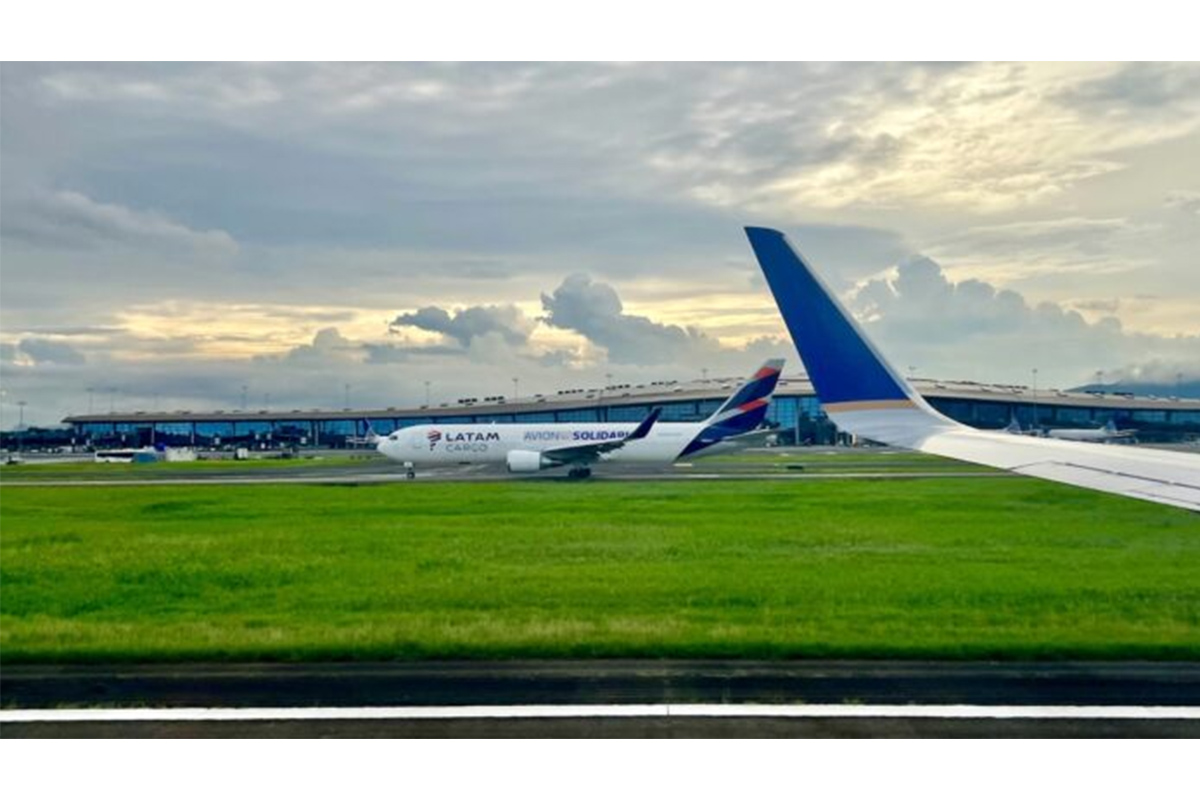
GOL Linhas Aéreas Teams Up With LATAM Colombia and Avianca as Higher Charges Squeeze Travel Budgets across South America’s expanding aviation sector. Rising operational surcharges, airport tariffs, and fluctuating fuel prices have forced commercial airlines to restructure regional networks and pursue strategic alliances. Passengers now face shifting fare structures and ancillary fee adjustments that directly impact leisure and business travel plans. To safeguard connectivity and manage expenditure, carriers are implementing wet-lease agreements, codeshares, and joint holding structures. This comprehensive report examines verified regulatory filings, official carrier disclosures, and national civil aviation data to evaluate South America’s changing air transport landscape.
Background of South American Air Travel Realignment
The commercial aviation sector in Latin America has experienced a profound structural transformation over recent years. Economic turbulence, currency devaluations, volatile jet fuel prices, and lingering post-pandemic liabilities pushed major flag carriers and low-cost operators into formal debt restructurings and judicial reorganisations. As part of long-term solvency strategies, airlines across Brazil, Colombia, and neighbouring states have moved away from isolated point-to-point competition toward consolidated operational frameworks and capacity-sharing models.
At the centre of this realignment is GOL Linhas Aéreas, Brazil’s major domestic carrier operating an all-Boeing 737 fleet. Following its exit from Chapter 11 restructuring, GOL focus has centred on operational efficiency, route optimization, and strategic partner integration. In parallel, Colombia’s market anchor Avianca underwent its own capital restructuring, transitioning its business model toward high-density seating, unbundled fare structures, and regional connectivity expansion.
Meanwhile, LATAM Airlines Group and its subsidiary LATAM Colombia reinforced their presence across South American trunk routes, leveraging dual-hub strategies in Bogotá and São Paulo. As regulatory oversight from civil aviation authorities tightened, the need to maintain essential air corridors while managing fleet utilization created an environment ripe for inter-airline collaboration.
Advertisement
Advertisement
+-----------------------------------------------------------------------------------+
|                        SOUTH AMERICAN AVIATION REALIGNMENT                        |
+-----------------------------------------------------------------------------------+
|                                                                                   |
|    +------------------------+                           +--------------------+    |
|    |   GOL Linhas Aéreas    |<=== Abra Group Holding ==>|      Avianca       |    |
|    |  (Brazil / All-B737)   |                           | (Colombia / A320)  |    |
|    +------------------------+                           +--------------------+    |
|                ||                                                 ||              |
|                || Wet-Lease / Capacity Agreements                 || Regional     |
|                \/                                                 \/ Networks     |
|    +-------------------------------------------------------------------------+    |
|    |                         LATAM Airlines Group                            |    |
|    |                   (LATAM Colombia & Trunk Routes)                       |    |
|    +-------------------------------------------------------------------------+    |
|                                                                                   |
+-----------------------------------------------------------------------------------+
Strategic Partnerships: GOL, Avianca, and the Abra Group Framework
The partnership architecture connecting GOL and Avianca relies on the Abra Group structure—a joint holding holding company designed to unite both brands under a single corporate umbrella while preserving their distinct operating certificates, brand identities, and workforce agreements. Officially announced and progressively implemented across key jurisdictions, Abra Group provides a unified platform to coordinate network scheduling, fleet allocation, and cross-border distribution.
Cross-Border Interline and Codeshare Expansion
Under the Abra holding model and associated partner agreements, GOL and Avianca have streamlined single-ticket purchasing, joint check-in workflows, and baggage through-checking across cross-border routes linking Brazil, Colombia, Central America, and the Andean region.
Advertisement
Advertisement
- Single-Ticket Routing: Passengers can book itineraries combining GOL-operated domestic segments in Brazil with Avianca-operated international or Colombian domestic sectors under one ticket issue.
- Baggage Harmonization Rules: Standardized interline baggage protocols apply to single-ticket journeys. Checked luggage is tagged to the final destination, though passengers connecting through international gateways (such as São Paulo–Guarulhos or Bogotá–El Dorado) must complete mandatory customs clearance at the first port of entry.
- Loyalty Reciprocity: Integration between GOL’s Smiles loyalty programme and Avianca’s LifeMiles allows frequent flyers to earn and redeem miles across combined flight networks.
Operational Flexibility and Wet-Lease Deployments
Beyond commercial codesharing, GOL has provided direct operational support to Avianca through ACMI (Aircraft, Crew, Maintenance, and Insurance) wet-lease arrangements. Aviation authorities in Colombia, El Salvador, and Guatemala formally approved wet-lease operations allowing GOL Boeing 737 aircraft and crew to operate key Avianca corridors, such as Bogotá–San Salvador–Guatemala City. This operational adaptability ensures schedule integrity during peak travel periods and seasonal fleet maintenance cycles.
Market Dynamics with LATAM Colombia and Competitive Realignment
While GOL and Avianca deepen operational ties under the Abra framework, LATAM Colombia represents a pivotal counterweight in the Andean and South American travel markets. LATAM’s regional network expansion—highlighted by increased frequencies on core trunk routes such as Bogotá–São Paulo—has intensified competition for point-to-point passenger traffic.
Advertisement
Advertisement
+----------------------------------------------------------------------------------+
|                    SOUTH AMERICAN AIRLINE OPERATIONAL SUMMARY                    |
+-------------------+--------------------+--------------------+--------------------+
| Feature           | GOL Linhas Aéreas  | Avianca            | LATAM Colombia     |
+-------------------+--------------------+--------------------+--------------------+
| Primary Hubs      | São Paulo (GRU/CGH)| Bogotá (BOG)       | Bogotá (BOG)       |
|                   | Rio de Janeiro     | Medellín (MDE)     | LATAM Group Hubs   |
+-------------------+--------------------+--------------------+--------------------+
| Primary Fleet     | Boeing 737 Family  | Airbus A320 Family | Airbus A320 Family |
+-------------------+--------------------+--------------------+--------------------+
| Loyalty Programme | Smiles             | LifeMiles          | LATAM Pass         |
+-------------------+--------------------+--------------------+--------------------+
| Cabin Overhead    | 12 kg (Economy)    | 10 kg (Standard)   | 12 kg (Economy)    |
| Allowance         | Included in Light+ | Included in Standard| Included in Standard|
+-------------------+--------------------+--------------------+--------------------+
| Group Affiliation | Abra Group         | Abra Group         | LATAM Airlines     |
+-------------------+--------------------+--------------------+--------------------+
Market Share and Trunk Route Competition
Official traffic statistics from civil aviation authorities—including Colombia’s Aeronáutica Civil (Aerocivil) and Brazil’s Agência Nacional de Aviação Civil (ANAC)—reflect a tight market share distribution across South America’s north-south air corridors:
- Bogotá to São Paulo (BOG–GRU): Serviced via direct frequencies by Avianca and LATAM, alongside connection options provided by GOL codeshares.
- Colombian Domestic Trunk Routes: Avianca and LATAM Colombia together command over 70% of total domestic passenger capacity across primary routes connecting Bogotá, Medellín, Cali, Cartagena, and Barranquilla.
- Ultra-Low-Cost Alternatives: Low-cost operators such as Wingo (a subsidiary of Copa Holdings) capture price-sensitive leisure traffic by offering unbundled base fares starting at low cost points, albeit with strict ancillary charges for hand luggage and checked bags.
Rising Surcharges, Airport Tariffs, and Squeezed Travel Budgets
The primary driver behind increased inter-airline coordination is the rapid rise in non-fuel operating charges. Airlines across the region face substantial fee hikes across multiple cost categories, creating severe margin pressure that is ultimately passed down to consumers through fare restructuring.
+-----------------------------------------------------------------------------------+
|                        COST PRESSURE IMPACT ON AIR TRAVEL                         |
+-----------------------------------------------------------------------------------+
|                                                                                   |
|   +--------------------------+     +--------------------------+                   |
|   |   Airport Tariffs &      |     |  Navigation & Overflight |                   |
|   |   Passenger Fees         |     |        Surcharges        |                   |
|   +-------------+------------+     +------------+-------------+                   |
|                 |                               |                                 |
|                 +---------------+---------------+                                 |
|                                 |                                                 |
|                                 \/                                                |
|   +-----------------------------------------------------------+                   |
|   |         AIRLINE OPERATIONAL MARGIN COMPRESSION            |                   |
|   +-----------------------------+-----------------------------+                   |
|                                 |                                                 |
|                                 \/                                                |
|   +-----------------------------------------------------------+                   |
|   |          CONSUMER FARE & ANCILLARY FEE RESTRUCTURING      |                   |
|   |  • Unbundled Basic Fares (Personal Item Only)              |                   |
|   |  • Strict Cabin & Checked Baggage Weight Limits           |                   |
|   |  • Increased Airport Desk Processing Fees                 |                   |
|   +-----------------------------------------------------------+                   |
|                                                                                   |
+-----------------------------------------------------------------------------------+
Key Drivers of Rising Aviation Operating Costs
- Airport Passenger Service Charges (PFCs): Major international gateways have revised facility fees and security tariffs upward to fund infrastructure modernisations, terminal expansions, and regulatory compliance projects.
- Navigation and Airspace Overflight Fees: Regional air navigation service providers have adjusted en-route charges to offset inflationary operational costs.
- Ground Handling and Fuel Surcharges: Devaluation of local currencies against the US Dollar has elevated dollar-denominated expenses, including aircraft leasing rates, jet fuel purchases, and international maintenance contracts.
Breakdown of Ancillary Baggage Policies and Fee Structures
To cushion against rising fixed costs without raising headline ticket prices, carriers have institutionalised strict ancillary pricing tiers. Unbundled “Basic” or “Light” fares now exclude overhead cabin bags and checked luggage across almost all major regional airlines.
+----------------------------------------------------------------------------------+
|                    REGIONAL AIRLINE BAGGAGE RULES COMPARISON                     |
+-------------------+--------------------+--------------------+--------------------+
| Fare Category     | GOL Linhas Aéreas  | Avianca            | LATAM Colombia     |
+-------------------+--------------------+--------------------+--------------------+
| Basic / Light     | Personal Item only | Personal Item only | Personal Item only |
|                   | Overhead Carry-on  | Overhead Carry-on  | Overhead Carry-on  |
|                   | incurs extra fee   | incurs extra fee   | incurs extra fee   |
+-------------------+--------------------+--------------------+--------------------+
| Standard / Plus   | 1 Carry-on (12kg)  | 1 Carry-on (10kg)  | 1 Carry-on (12kg)  |
|                   | 1 Checked (23kg)   | 1 Checked (23kg)   | 1 Checked (23kg)   |
+-------------------+--------------------+--------------------+--------------------+
| Premium / Max     | 1 Carry-on (12kg)  | 1 Carry-on (10kg)  | 1 Carry-on (16kg)  |
|                   | 2 Checked (32kg)   | 2 Checked (23kg)   | 2 Checked (23kg)   |
+-------------------+--------------------+--------------------+--------------------+
| Airport Overweight| R$ 170 / USD 35    | Varies by route    | Dynamic pricing    |
| Charges (Domestic)| (Domestic)         | (Prepay recommended| (Up to 40% save    |
|                   | USD 100 (Intl)     | at booking)        | online 48h prior)  |
+-------------------+--------------------+--------------------+--------------------+
- GOL Linhas Aéreas Policies: GOL allows one carry-on bag weighing up to 12 kg (55 x 35 x 25 cm) alongside a personal item on Light, Plus, and Max fare tiers. Basic fares restrict passengers to a personal item only. Additional checked bags (up to 23 kg) carry pre-purchase fees starting from USD 40–59 domestically, while airport counter purchases incur substantially higher rates. Overweight domestic charges reach BRL 170 (USD 35), escalating to BRL 400–500 (USD 100) on international itineraries.
- LATAM Colombia Policies: LATAM maintains a matching 12 kg limit for Economy cabin baggage and 16 kg for Premium cabins. LATAM Basic strips overhead bin access. LATAM utilizes dynamic ancillary bag pricing, offering up to 40% discounts for passengers who add luggage online at least 48 hours prior to departure.
- Avianca Policies: Standard fares include a 10 kg overhead carry-on and a 23 kg checked bag. Basic fares permit only a under-seat personal item.
Official Government Initiatives and Civil Aviation Regulatory Policy
National aviation authorities and transport ministries across South America have introduced policy frameworks aimed at maintaining market competitiveness, protecting consumer rights, and maintaining air service continuity.
Advertisement
Advertisement
+-----------------------------------------------------------------------------------+
|                   GOVERNMENT & REGULATORY POLICY FRAMEWORKS                       |
+-----------------------------------------------------------------------------------+
|                                                                                   |
|   +-------------------------+     +------------------------+     +--------------+ |
|   |   ANAC Brazil           |     | Aerocivil Colombia     |     | UN Tourism   | |
|   +------------+------------+     +-----------+------------+     +------+-------+ |
|                |                              |                         |         |
|                \/                             \/                        \/        |
|   • Slot Reallocation Rules       • Emergency Air Bridge    • Sustainable Tourism |
|   • Cross-Border Wet-Lease        • Ancillary Fee Transparency • Regional Corridor|
|     Approvals                       Mandates                  Connectivity        |
|                                                                                   |
+-----------------------------------------------------------------------------------+
Colombia’s Aerocivil Framework and Emergency Provisions
The Special Administrative Unit of Civil Aeronautics (Aeronáutica Civil de Colombia – Aerocivil) plays an active role in managing capacity shocks and regional emergencies.
- Humanitarian Air Bridges: During regional infrastructure disruptions or natural emergencies, Aerocivil coordinates with Abra Group carriers (GOL and Avianca) to establish dedicated humanitarian air bridges, waiving select movement tariffs to facilitate the transport of essential supplies, medical personnel, and stranded travelers.
- Contingency Activation: Aerocivil routinely activates regional contingency plans during airspace closures or severe weather disruptions, ensuring partner carriers maintain interline rebooking commitments without penalty fees to passengers.
- Ancillary Pricing Oversight: Regulatory bodies have increased monitoring of airline fee transparency, requiring clear upfront disclosure of carry-on limits, checked bag costs, and change fees prior to ticket issuance.
Brazil’s ANAC and Cross-Border Market Governance
Brazil’s National Civil Aviation Agency (ANAC) maintains regulatory governance over airline consolidation, slot allocations, and wet-lease authorizations. ANAC’s modernised regulatory code allows domestic operators like GOL to participate in international asset sharing, wet-lease deployments, and holding company structures, provided fair market competition and consumer safeguards are maintained.
Economic Implications and Industry-Wide Impact
The alliance between GOL, Avianca, and the broader commercial integration with carriers like LATAM Colombia carries substantial economic weight for South America’s macroeconomic landscape. Air transport serves as a primary engine for GDP growth, foreign direct investment, and trade across the continent.
+-----------------------------------------------------------------------------------+
|                        MACROECONOMIC & INDUSTRY IMPACT                            |
+-----------------------------------------------------------------------------------+
|                                                                                   |
|   +-----------------------+     +------------------------+     +----------------+ |
|   | Operational Synergy   |     | Tourism & Commerce     |     | Consumer       | |
|   | & Fleet Efficiency    |     | Connectivity           |     | Budget Shift   | |
|   +-----------+-----------+     +-----------+------------+     +-------+--------+ |
|               |                             |                          |          |
|               +-----------------------------+--------------------------+          |
|                                             |                                     |
|                                             \/                                    |
|   +---------------------------------------------------------------------------+   |
|   | • Optimized Aircraft Utilization Across Peak Regional Seasons             |   |
|   | • Resilient International Passenger Movements Supporting GDP Growth       |   |
|   | • Growth in Midweek Leisure Travel and Advance Booking Windows            |   |
|   +---------------------------------------------------------------------------+   |
|                                                                                   |
+-----------------------------------------------------------------------------------+
Synergies and Fleet Optimization
By coordinating schedules and fleet deployments, airlines achieve higher aircraft utilization rates. GOL’s all-Boeing 737 fleet and Avianca’s all-Airbus A320 family fleet allow each operator to balance route density based on regional demand without incurring duplicate capital overheads. Shared maintenance support, joint procurement of ground handling services, and integrated IT infrastructure significantly lower unit operating costs (CASM – Cost per Available Seat Kilometer).
Consumer Behavior and Budget Adaptation
Higher ticket prices and unbundled ancillary fees have transformed consumer purchasing behavior across South America:
- Advance Booking Windows: Data indicates travelers increasingly book domestic and regional flights 2 to 4 weeks in advance to secure optimal rates, as last-minute bookings carry price premiums 2 to 3 times higher than advance fares.
- Shift toward Midweek Travel: Midweek departures (Tuesdays and Wednesdays) have seen higher load factors as price-conscious leisure travelers avoid holiday weekend spikes (puentes festivos).
- Strict Packing Practices: To bypass overhead cabin charges and checked luggage fees, more passengers opt for single personal items compliant with under-seat dimensions.
Tourism, Business, and Public Impact
The stability of South America’s air network directly shapes regional tourism flows, business commerce, and public mobility. According to data from international tourism bodies and national trade ministries, multi-destination international travel within Latin America relies heavily on seamless airline connectivity.
Advertisement
Advertisement
+-----------------------------------------------------------------------------------+
|                         REGIONAL TOURISM & PUBLIC MOBILITY                        |
+-----------------------------------------------------------------------------------+
|                                                                                   |
|   +-----------------------------+         +----------------------------------+    |
|   | Multi-Destination Travel    |         | Business Travel Resilience       |    |
|   +--------------+--------------+         +------------------+---------------+    |
|                  |                                           |                    |
|                  +--------------------+----------------------+                    |
|                                       |                                           |
|                                       \/                                          |
|   +---------------------------------------------------------------------------+   |
|   | • Single-Ticket Interline Routing (Brazil - Colombia - Central America)   |   |
|   | • Strengthened Trade Corridors between São Paulo, Bogotá, and Lima        |   |
|   | • Enhanced Regional Access for Secondary Tourism Destinations            |   |
|   +---------------------------------------------------------------------------+   |
|                                                                                   |
+-----------------------------------------------------------------------------------+
Facilitating Cross-Border Tourism
Interline connectivity between GOL and Avianca enables international travelers from North America and Europe to explore secondary destinations across Brazil and Colombia under a single booking contract.
- A traveler flying into Bogotá on Avianca can connect to GOL’s network in Brazil to visit destinations such as Salvador da Bahia, Rio de Janeiro, or Iguaçu Falls with unified baggage drop protocols.
- Similarly, Brazilian tourists traveling to Colombia gain direct access to eco-tourism hubs, coastal destinations like Cartagena and Santa Marta, and cultural corridors across the Coffee Region.
Commercial and Corporate Travel Continuity
For business traveler communities, daily schedule reliability and network depth are critical. The combination of LATAM Colombia’s expanded frequencies and the GOL-Avianca partnership guarantees multiple daily flights between primary financial hubs—São Paulo (GRU), Bogotá (BOG), Lima (LIM), and Santiago (SCL). Corporate travel programs benefit from integrated loyalty accruals and priority handling options on full-fare tickets.
Official Statements and Industry Disclosures
Official disclosures from airline executive leadership and regulatory filings highlight the strategic rationale behind these industry partnerships.
“The temporary partnership with GOL Linhas Aéreas highlights the operational flexibility increasingly used by Latin American carriers to ensure schedule reliability and strengthen regional connectivity across key corridors.”
— Official Statement, Regional Aviation Authority Disclosure
“Combining the strengths of GOL and Avianca under a shared corporate structure creates a resilient pan-Latin American airline group capable of navigating cost pressures, offering competitive fares, and expanding air service across two dozen countries.”
Advertisement
Advertisement
— Abra Group Corporate Regulatory Filing
Future Outlook: Navigating Aviation Dynamics in Latin America
Looking forward, the Latin American airline industry is set to operate within a highly integrated, disciplined framework. While cost pressures from fuel, airport tariffs, and currency fluctuations will remain constant operational challenges, strategic alliances such as GOL’s partnership with Avianca under Abra Group—alongside competition from LATAM Colombia—will ensure network sustainability.
+-----------------------------------------------------------------------------------+
|                        FUTURE STRATEGIC ROADMAP FOR 2027+                         |
+-----------------------------------------------------------------------------------+
|                                                                                   |
|   +---------------------------+     +---------------------------+                 |
|   | Fleet Modernization       |     | Digital & Ancillary       |                 |
|   | Next-Gen Aircraft Deployment|   | Optimization              |                 |
|   +-------------+-------------+     +-------------+-------------+                 |
|                 |                                 |                               |
|                 +----------------+----------------+                               |
|                                  |                                                |
|                                  \/                                               |
|   +-----------------------------------------------------------+                   |
|   |              LONG-TERM NETWORK SUSTAINABILITY             |                   |
|   |  • Increased Fuel-Efficient Operations (737 MAX / A320neo)|                   |
|   |  • Expanded Transpacific & Direct European Corridors     |                   |
|   |  • Transparent, Dynamic Ancillary Fee Models              |                   |
|   +-----------------------------------------------------------+                   |
|                                                                                   |
+-----------------------------------------------------------------------------------+
Strategic Priorities for Regional Air Carriers
- Fleet Modernisation: Transitioning to fuel-efficient, next-generation aircraft—such as the Boeing 737 MAX for GOL and Airbus A320neo for Avianca and LATAM—will reduce fuel burn by 15–20%, mitigating environmental impact and operating costs.
- Digital Service Personalization: Enhanced digital platforms will offer dynamic ancillary customization, enabling passengers to select personalized baggage, seat selection, and lounge access options during online check-in.
- Expanded Regional Reach: Strategic codeshares will continue to extend service into secondary and tertiary regional markets without requiring heavy capital investments in new aircraft bases.
Through joint fleet usage, shared digital ecosystems, and clear fee disclosures, South America’s leading carriers are establishing a stable path forward—balancing operational costs with accessible air travel across the continent.
GOL Linhas Aéreas Teams Up With LATAM Colombia and Avianca as Higher Charges Squeeze Travel Budgets across South America’s evolving aviation sector. Through strategic holding models, codeshares, wet-lease agreements, and streamlined interline luggage policies, regional airlines are successfully offsetting elevated airport tariffs, fuel volatility, and rising operational surcharges. Passengers must navigate unbundled fare tiers and strict baggage rules by planning journeys in advance. Ultimately, increased inter-airline collaboration ensures network stability, protects cross-border tourism corridors, and guarantees resilient air transport connectivity across Latin America.
Advertisement
