
Spain Struggles With House Shortages in Barcelona and Major Regions During September-October Travel

Published
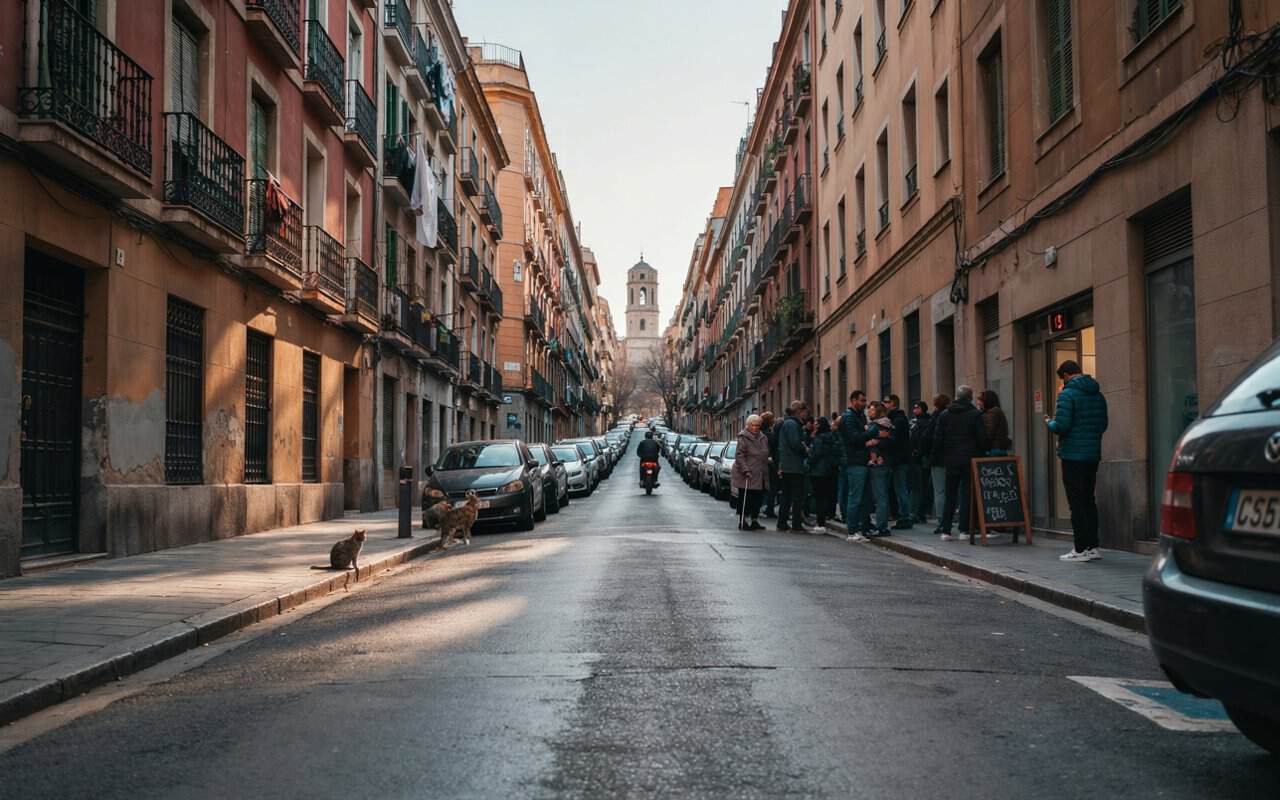
Image generated with Ai
Spain is having a critical housing crisis intensifying in several major tourist destinations as autumn 2026 travel demand continues to put pressure on limited accommodation supplies. Cities including Barcelona, Madrid, Málaga, Palma de Mallorca, Valencia and Ibiza are experiencing growing challenges linked to rising rents, limited housing availability, strong visitor demand and the expansion of short-term holiday rentals.
The issue is creating a complex situation for Spain’s tourism sector. While international visitors continue to support local economies, many popular destinations are balancing the benefits of tourism growth with concerns about housing affordability for residents. Travellers visiting Spain during autumn 2026 may encounter higher accommodation costs, tighter rental regulations and increased competition for available stays.
Limited homes, rising rents and increased holiday accommodation demand have created pressure for communities and travellers alike. Authorities are introducing measures while tourism continues to remain an important economic driver. Visitors may face higher costs and fewer choices during peak periods as cities seek sustainable solutions for housing availability. The situation highlights the challenge of protecting communities while maintaining a strong visitor economy across Spain today.
Spanish Cities Facing Severe Housing Pressure During Autumn Travel Season 2026
| City / Region | Housing Crisis Severity (Autumn 2026 Outlook) | Main Housing Problems | Tourism Connection | Impact on Autumn Travellers | Key Government / Local Responses |
|---|---|---|---|---|---|
| Barcelona, Catalonia | Very High | Extremely limited rental supply, high rents, competition between residents and temporary visitors | One of Europe’s busiest city-break destinations; pressure linked partly to short-term rentals and international demand | Visitors may find fewer affordable central apartments and stricter tourist accommodation rules | Barcelona has moved towards reducing tourist apartments, with plans to remove tourist flat licences by 2029 to return homes to residential use. |
| Madrid | Very High | Rising rents, housing shortage, pressure in central districts | Strong business, cultural and international tourism demand; tourist apartments concentrated in popular areas | Higher hotel and rental prices, especially around central neighbourhoods during events and festivals | National housing measures and discussions around regulating tourist rentals continue. |
| Málaga, Andalusia | Very High | One of Spain’s fastest-growing rental markets, limited affordable housing | Major Mediterranean destination attracting foreign visitors, digital nomads and seasonal travellers | Autumn visitors may face expensive holiday accommodation and reduced availability | Málaga introduced restrictions on new tourist accommodation licences in pressured areas. |
| Palma de Mallorca, Balearic Islands | Very High | Island geography limits housing supply; rising rents and limited resident housing | Tourism is a core economic driver, especially international leisure travel | Travellers may see higher accommodation prices and fewer affordable options outside hotels | Balearic authorities have introduced measures targeting illegal tourist rentals and housing pressure. |
| Valencia | High | Strong rental growth, increasing demand and affordability problems | Growing popularity among international tourists and remote workers | Autumn city-break visitors may experience rising apartment prices | Housing affordability measures and discussions on tourism regulation continue. |
| Alicante | High | Rapid rental price increases and strong foreign demand | Coastal tourism and international property demand increase pressure | Holiday rentals may become more expensive during popular autumn periods | Regional authorities continue monitoring housing affordability. |
| San Sebastián (Donostia) | High | Among Spain’s most expensive housing markets; limited urban space | High-value culinary and cultural tourism creates strong accommodation demand | Visitors may face some of Spain’s highest accommodation costs | Local authorities have focused on balancing tourism growth and resident housing needs. |
| Seville | Moderate to High | Growing tourism demand and pressure on central neighbourhood housing | Historic city tourism, festivals and cultural travel increase seasonal demand | Central accommodation prices can rise during peak travel periods | Local discussions continue around managing tourist housing growth. |
| Ibiza (Balearic Islands) | Very High Seasonal Pressure | Severe shortage of affordable housing for workers and residents | Global luxury tourism market creates strong seasonal rental competition | Autumn may offer slightly lower demand, but structural housing shortages remain | Balearic authorities have targeted illegal tourist accommodation and housing imbalance. |
| Tenerife / Canary Islands | High | Limited island housing supply and rising demand | Year-round tourism reduces seasonal relief | Long-stay visitors and workers compete for available rentals | Authorities have discussed stronger controls on tourist accommodation growth. |
Why are Barcelona and Madrid experiencing some of Spain’s most severe housing pressures?
Barcelona and Madrid remain at the centre of Spain’s housing debate because both cities combine strong tourism demand with limited affordable housing supply. The two urban destinations attract millions of visitors every year for cultural attractions, business events, leisure travel and international conferences. This continuous demand has contributed to rising pressure on residential neighbourhoods, especially in central districts.
Advertisement
Advertisement
In Barcelona, housing concerns have been closely linked to the growth of tourist accommodation. Popular areas near the historic centre, beaches and major attractions have experienced strong demand from visitors seeking short-term stays. Local authorities have introduced measures aimed at reducing pressure from tourist apartments and increasing the availability of homes for permanent residents.
Madrid faces a different but connected challenge. As Spain’s political, business and cultural capital, the city attracts domestic migration, international workers, students and tourists. Rising demand has contributed to increasing rental costs, particularly in well-connected central areas.
Advertisement
Advertisement
For autumn travellers, the impact is mainly visible through accommodation prices and availability. Visitors looking for centrally located apartments may find fewer options compared with previous years. Hotels and licensed accommodation providers continue to operate, but prices can increase during major events, festivals and high-demand weekends.
Both cities demonstrate the broader challenge facing Spain’s tourism industry: maintaining international visitor growth while ensuring that local communities have access to affordable housing.
How is Málaga becoming one of Spain’s fastest-growing tourism housing hotspots?
Málaga has transformed from a traditional coastal destination into one of Spain’s most internationally recognised tourism and lifestyle cities. The city has attracted increasing numbers of visitors, foreign residents, remote workers and investors, creating significant pressure on the local housing market.
The city’s appeal comes from its Mediterranean climate, cultural attractions, improved infrastructure and growing reputation as a technology and business hub. However, this popularity has also increased competition for available homes.
Rental demand has expanded rapidly in central neighbourhoods and areas close to the coast. Many properties that were previously available for long-term residents have entered the holiday accommodation market, reducing options for local renters.
For autumn 2026 travellers, Málaga remains an attractive destination, but accommodation planning has become increasingly important. Visitors may notice that centrally located stays are more expensive or require earlier booking. Some travellers are also exploring nearby towns and surrounding coastal areas where accommodation availability can be higher.
Advertisement
Advertisement
The housing challenge in Málaga reflects a wider pattern across Spain’s popular destinations. Tourism creates employment and economic opportunities, but rapid growth can also increase pressure on housing markets.
Authorities and local communities are now focusing on finding a balance between welcoming visitors and protecting residential access for people who live and work in the city.
Why are Palma de Mallorca and Ibiza facing unique island housing challenges?
The Balearic Islands face some of Spain’s most intense housing pressures because geography limits available land while tourism demand remains exceptionally strong. Palma de Mallorca and Ibiza are two of the most affected destinations, where the relationship between tourism and housing availability has become increasingly complex.
Palma, the capital of Mallorca, attracts international visitors throughout much of the year. Its historic streets, beaches, cultural attractions and airport connectivity make it a popular choice for European travellers. However, the island’s limited housing supply makes it difficult to meet both resident and visitor demand.
Ibiza faces similar challenges, particularly because of its global reputation as a luxury tourism destination. Seasonal demand has historically pushed accommodation prices higher, while local workers often struggle to find affordable year-round housing.
Although autumn typically brings lower visitor numbers compared with the peak summer season, the underlying housing shortage remains. The problem is not only linked to seasonal tourism but also to long-term demand from international residents and property buyers.
Advertisement
Advertisement
For travellers, the impact may include higher accommodation costs and fewer budget-friendly options. Visitors planning autumn trips may need to book earlier, consider licensed hotels or explore less pressured areas.
Balearic authorities have increasingly focused on managing tourist accommodation growth and addressing illegal rentals while attempting to maintain tourism as a key economic sector.
How is Valencia dealing with rising housing demand from tourism and international visitors?
Valencia has emerged as one of Spain’s fastest-growing city destinations, attracting visitors through its beaches, architecture, food culture and improving international connections. However, its growing popularity has contributed to increasing housing pressure.
Compared with Barcelona and Madrid, Valencia has traditionally been viewed as a more affordable alternative. This reputation has attracted more tourists, international residents and remote workers seeking a Mediterranean lifestyle at a lower cost.
The increased demand has affected rental availability, particularly in popular neighbourhoods close to the city centre and coastal areas. As more visitors seek short-term stays, competition for accommodation has increased.
Autumn 2026 travellers may find Valencia still offers a wider range of accommodation choices compared with some other major Spanish cities, but prices have risen in many sought-after areas. Booking early remains important, especially around cultural events and holiday periods.
Advertisement
Advertisement
The city’s experience highlights how tourism growth can gradually reshape housing markets. Destinations that become popular alternatives to more expensive cities can eventually face similar affordability challenges.
Local discussions continue around managing tourist accommodation while supporting residents’ access to housing.
Why is Alicante experiencing increasing housing pressure from coastal tourism?
Alicante has become another coastal destination where tourism growth is influencing housing demand. The city attracts international visitors with its beaches, historic attractions, warm climate and connections to other European markets.
The housing challenge in Alicante is strongly connected to coastal tourism and foreign demand. The city and surrounding areas have long attracted international buyers and seasonal visitors, increasing competition for available homes.
As tourism continues to expand, rental markets have experienced additional pressure. Popular areas near beaches and transport links are particularly attractive to visitors, but they are also important residential locations.
During autumn 2026, travellers may notice higher prices in popular areas, especially for short-term accommodation. However, Alicante continues to offer a variety of options beyond the busiest districts.
Advertisement
Advertisement
The city’s situation represents a wider trend across Spain’s Mediterranean coastline. Destinations that successfully attract visitors often face the challenge of ensuring that tourism growth does not reduce housing opportunities for local communities.
Authorities across coastal regions are increasingly examining ways to regulate tourist accommodation while maintaining the economic benefits generated by international travel.
What should autumn 2026 travellers know about Spain’s housing crisis?
Spain’s housing crisis does not prevent international visitors from travelling, but it is changing how tourists plan their trips. The biggest effects are likely to be seen in accommodation availability, pricing and rental regulations.
Travellers visiting high-pressure cities should consider booking accommodation earlier than usual, especially if they want central locations. Hotels, licensed apartments and officially registered accommodation providers may offer more predictable options.
Visitors staying for longer periods should research local rental conditions carefully, as some cities have introduced stricter rules for tourist accommodation. Understanding these regulations can help travellers avoid problems and support responsible tourism.
Alternative destinations may also become more popular. Smaller cities and towns near major tourism centres can offer cultural experiences with less accommodation pressure.
Advertisement
Advertisement
Spain’s tourism sector remains one of the country’s strongest economic drivers. However, the housing crisis shows the importance of balancing visitor demand with the needs of residents.
As autumn 2026 approaches, the relationship between tourism and housing will remain a major issue for Barcelona, Madrid, Málaga, Palma de Mallorca, Valencia, Ibiza and other popular Spanish destinations. The future of travel in Spain will depend on creating solutions that support both visitors and local communities.
Spain continues facing housing challenges because tourism growth, limited supply and strong demand have reshaped many urban markets. The main reason is the pressure created when visitor accommodation competes with residential requirements in popular destinations. Authorities are responding through regulatory actions and planning strategies designed to improve balance. The crisis does not stop travel but changes how visitors prepare for trips. Travellers can expect evolving rental conditions and pricing patterns while Spain works towards solutions that support both residents and tourism. Future progress will depend on managing growth responsibly without weakening the country’s appeal as a global travel destination overall.
Advertisement
