
Dubai Aligns with Riyadh, Doha and Muscat as Middle East Luxury Tourism Moves Beyond Opulence

Published
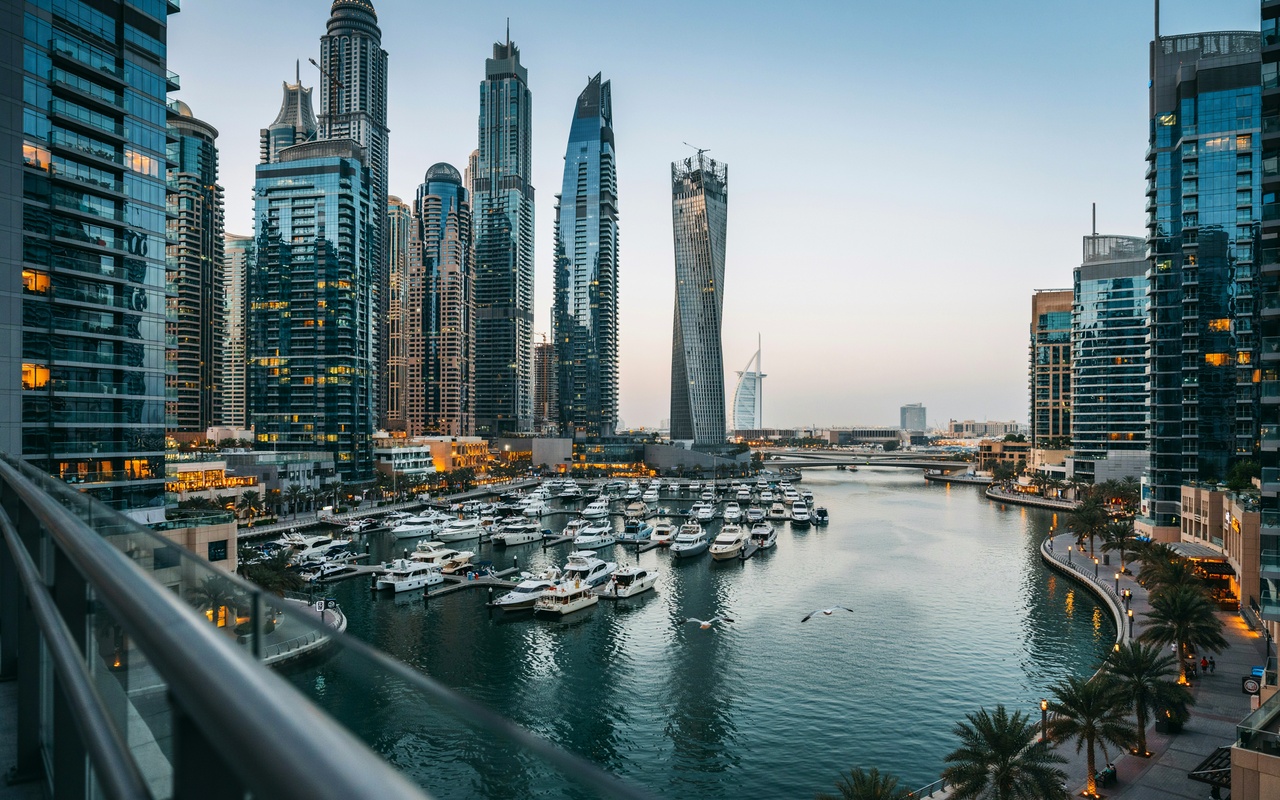
Middle East luxury travel evolves as Saudi Arabia, UAE and Qatar focus on wellness and personalised service, reshaping premium tourism across the region. From Red Sea retreats to sophisticated city hotels, destinations are combining cultural heritage, sustainable development and exceptional hospitality to attract discerning international travellers seeking meaningful experiences.
Middle East Luxury Tourism Moves Beyond Traditional Opulence
The Middle East is experiencing a significant transformation in its luxury hospitality sector. Once recognised primarily for extraordinary architecture, lavish accommodation and ambitious tourism developments, the region is increasingly positioning itself around personalised experiences, cultural authenticity and environmental responsibility.
Advertisement
Advertisement
Saudi Arabia, the United Arab Emirates, Qatar and Oman are developing distinct approaches to premium tourism, combining international hospitality expertise with local traditions and natural landscapes.
For luxury travellers, the definition of an exceptional holiday is expanding. Privacy, wellness, meaningful cultural engagement and seamless service are becoming as important as exclusive facilities.
Advertisement
Advertisement
This evolution is encouraging hotel operators, tourism authorities and investors to reconsider how premium destinations create lasting value.
Saudi Arabia Positions the Red Sea as a Luxury Wellness Destination
Saudi Arabia’s Red Sea coastline is emerging as an important destination for high-end hospitality, nature-based tourism and wellness experiences.
Advertisement
Advertisement
Developments associated with Red Sea Global are introducing luxury accommodation within coastal environments characterised by islands, coral reefs and desert landscapes.
Properties such as Six Senses Southern Dunes, The Red Sea illustrate the growing relationship between premium accommodation and wellness-focused travel.
Advertisement
Advertisement
The appeal extends beyond spa treatments. Guests increasingly value outdoor activities, privacy, carefully designed dining programmes and opportunities to experience natural surroundings.
Environmental management is particularly important in these sensitive coastal ecosystems. Responsible marine activities, efficient resource use and habitat protection will influence the long-term credibility of luxury developments.
For Saudi Arabia, the opportunity is to establish an international tourism identity that combines distinctive landscapes with dependable hospitality standards.
UAE Strengthens Its Position Through City Hotels and Cultural Tourism
Dubai and Abu Dhabi remain influential destinations within the Middle East luxury travel market.
Advertisement
Advertisement
Dubai offers extensive international air connectivity, premium shopping, celebrated restaurants and a diverse portfolio of luxury hotels. Its established hospitality infrastructure supports leisure holidays, corporate travel and short international stopovers.
Abu Dhabi complements this offering through cultural institutions, waterfront resorts and heritage experiences.
Attractions including Louvre Abu Dhabi demonstrate how cultural tourism can enrich a premium city break.
For hotel operators, the challenge is differentiation. Travellers familiar with international luxury brands increasingly expect properties to reflect their destinations rather than deliver identical experiences.
Regional cuisine, locally inspired architecture, specialist concierge services and carefully curated excursions can help hotels establish a stronger identity.
Qatar Develops Luxury Tourism Around Culture and Personalised Hospitality
Qatar is strengthening its premium tourism proposition through modern accommodation, cultural attractions and international transport connections.
Advertisement
Advertisement
Doha combines luxury waterfront hotels with museums, contemporary architecture, traditional markets and high-end dining.
Destinations such as Museum of Islamic Art and Souq Waqif provide opportunities for visitors to explore the country’s cultural identity.
The city’s hospitality sector also benefits from international business events and premium stopover travel.
For travellers combining professional commitments with leisure, personalised arrangements can make a substantial difference. Flexible check-in, reliable transfers, private experiences and knowledgeable hotel teams support efficient journeys.
Qatar’s long-term competitiveness will depend on maintaining these service standards while developing experiences that encourage visitors to explore beyond their accommodation.
Oman Offers an Alternative Through Nature and Heritage
Oman provides a distinctive luxury travel experience centred on natural landscapes, cultural heritage and a comparatively relaxed holiday environment.
Advertisement
Advertisement
Muscat’s premium hotels offer access to coastal scenery, traditional architecture and regional cuisine.
Beyond the capital, mountains, deserts and historic settlements create opportunities for private excursions and nature-focused stays.
This combination appeals to travellers seeking comfort without the intensity of larger urban destinations.
Luxury tourism development in Oman can benefit from maintaining architectural character, supporting local enterprises and protecting sensitive natural environments.
These priorities also help differentiate the destination within an increasingly competitive regional market.
Wellness Becomes a Central Part of Premium Travel
Wellness is moving beyond its traditional position as an optional hotel facility.
Advertisement
Advertisement
Luxury travellers increasingly seek programmes combining restorative sleep, balanced nutrition, physical activity and time outdoors.
Coastal resorts and desert retreats offer environments suited to slower itineraries, while city hotels are incorporating wellness into shorter stays.
However, programme quality remains essential.
Qualified professionals, realistic schedules, appropriate privacy and transparent descriptions of services are more valuable than unsupported health promises.
Hotels that successfully integrate wellness into the complete guest experience can establish stronger relationships with travellers seeking restorative holidays.
Personalised Service Defines the Next Stage of Luxury Hospitality
Technology is helping luxury hotels understand guest preferences, coordinate reservations and deliver more efficient service.
Advertisement
Advertisement
Digital concierge platforms, customer relationship management systems and integrated booking tools can improve communication between departments.
Nevertheless, personal judgement remains fundamental.
Guests expect staff to respond effectively when transport arrangements change, dietary requirements emerge or itineraries need adjustment.
Employee training, retention and decision-making authority are therefore essential components of premium hospitality.
Properties that combine efficient technology with attentive human interaction are better positioned to build trust and encourage repeat visits.
“The Middle East is demonstrating how luxury tourism can evolve beyond impressive infrastructure to deliver meaningful experiences that connect travellers with culture, nature and exceptional hospitality. Saudi Arabia’s Red Sea developments, the UAE’s sophisticated hospitality landscape, Qatar’s cultural attractions and Oman’s natural heritage collectively highlight the region’s remarkable tourism potential.
Advertisement
Advertisement
What makes this transformation particularly encouraging is the growing emphasis on wellness, personalised service and responsible destination development. Today’s luxury travellers increasingly appreciate authenticity, privacy and experiences that reflect the character of the places they visit. By combining ambitious investment with cultural preservation, environmental responsibility and skilled hospitality professionals, Middle Eastern destinations have an opportunity to establish lasting relationships with international visitors.
At Travel And Tour World, we recognise this evolution as an important development for the global tourism industry, creating opportunities for hospitality businesses, local communities and travellers while strengthening the region’s international tourism profile for the years ahead.”— Anup Kumar Keshan, Founder and Editor-in-Chief, Travel And Tour World
Sustainability and Operational Resilience Shape Future Growth
Luxury hospitality development across the Middle East brings opportunities alongside environmental and operational responsibilities.
Water management, energy efficiency, conservation and responsible procurement require sustained attention, particularly in coastal and desert environments.
Destinations must also prepare for extreme weather, transport disruption and changing international travel conditions.
Clear booking policies, reliable communication and effective contingency planning can protect guest confidence.
Advertisement
Advertisement
For investors and operators, long-term success will increasingly depend on balancing commercial performance with environmental stewardship, workforce development and consistent service delivery.
Middle East luxury tourism is entering a more experience-driven phase as Saudi Arabia, UAE, Qatar and Oman expand their premium hospitality offerings. Wellness, cultural authenticity, sustainability and personalised service are becoming central priorities. Destinations that combine ambitious development with dependable guest experiences will strengthen their international competitiveness and long-term appeal.
Advertisement
