
Rome Affected with Paris Facing Travel Scams Over Eight Consecutive Months in 2026

Published
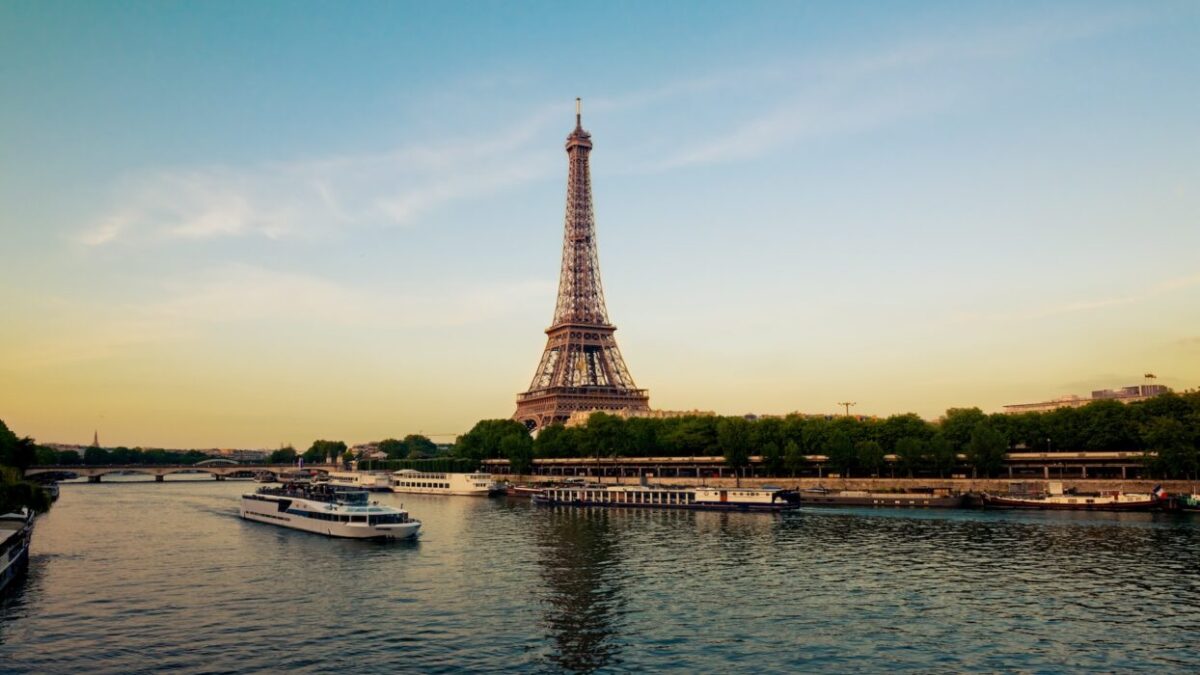
European borders will soon have large digital changes and safety for tourists will change a lot as well. Massive new travel scams 2026 in Europe have already been noted for millions of travelers going to famous places like Rome and Paris. Scammers are becoming even more advanced and have new ways of tricking people on the street with deceptive practices right outside of the most famous monuments. This report looks at all of the new fraud cases and looks at recent official statistics, government announcements, and international officials’ statements. Travel scam cases are reaching extreme levels to the point of being mandatory to deal with to allow travel to still be considered safe.
Background: The Evolution of European Border Security and Tourism in 2026
The tourism landscape across the European continent has undergone a massive transformation in the first eight months of 2026. Following the global travel resurgence, governments in iconic destinations such as France and Italy have had to balance an unprecedented influx of international visitors with maintaining public order and national security. This delicate balancing act has prompted a sweeping overhaul of border control mechanisms, local municipal laws, and security infrastructure.
Advertisement
Advertisement
Historically, European city breaks were relatively straightforward, requiring little more than a valid passport and a sense of adventure. However, 2026 has heralded a new era of digital border checks and hyper-regulated tourist zones. The United Kingdom’s implementation of the Electronic Travel Authorisation (ETA) system and the European Union’s ongoing rollout of the Entry/Exit System (EES) have inadvertently created a chaotic transition period. While these systems are designed to enhance security and streamline entry for legitimate travellers, the complex timelines and delayed implementations have left millions of tourists confused about their legal requirements.
Criminal syndicates and opportunistic scammers have rapidly weaponised this widespread confusion. From January to August 2026, authorities have documented a staggering increase in sophisticated fraudulent activities targeting holidaymakers. These are not merely the petty pickpocketing incidents of the past; they represent highly coordinated efforts to exploit bureaucratic transitions and municipal enforcement protocols. Understanding the context of this shifting security paradigm is crucial for anyone planning a European itinerary. The overarching theme of 2026 is that ignorance is no longer an excuse. Whether dealing with digital visa applications or navigating the ancient streets of Rome, travellers are now expected to be fully briefed on the latest legislative changes and deeply aware of the new travel scams in Europe 2026.
Advertisement
Advertisement
Latest Official Developments: Digital Border Confusion and the ETIAS Fraud Phenomenon
One of the most concerning and financially devastating developments in 2026 is the industrial-scale exploitation of the European Travel Information and Authorisation System (ETIAS). Although British travellers and other visa-exempt nationals will ultimately require ETIAS clearance to enter the Schengen Area, official timelines confirm that the system is not expected to be fully operational until late 2026, which will be followed by a six-month grace period. Despite this clear official timeline, the digital sphere has been absolutely flooded with fraudulent websites mimicking the forthcoming EU portal.
These fake ETIAS application sites are meticulously designed to look indistinguishable from official government platforms. They employ authoritative legal language, display stolen EU logos, and charge exorbitant “processing fees” for a service that currently does not exist. Travel associations have issued stern warnings indicating that anyone attempting to apply for an ETIAS at this stage is walking directly into a sophisticated trap. The danger extends far beyond the immediate financial loss of a fake processing fee; these phishing portals harvest highly sensitive personal data, including passport numbers, home addresses, and credit card details, exposing victims to severe, long-term identity theft.
Advertisement
Advertisement
This digital deception represents a cornerstone of the new travel scams in Europe 2026. Scammers are ruthlessly leveraging the genuine anxiety surrounding post-Brexit travel rules and the UK’s own newly implemented ETA programme to manipulate and pressure victims. Unofficial emails and highly targeted social media advertisements are being heavily utilised to funnel web traffic toward these malicious domains. Travellers are strongly advised by authorities to bookmark the only legitimate portal and absolutely ignore any third-party solicitations. Until the official launch date is definitively confirmed and active across official government channels, any demand for an ETIAS payment is unequivocally fraudulent and should be reported immediately.
Government Announcements: Critical Travel Advisories for Western Europe
In response to the rapidly evolving security landscape and the dangerous proliferation of deceptive practices, major government bodies have urgently updated their travel advisories for 2026. The United States State Department currently maintains a Level 2: “Exercise Increased Caution” advisory for several prominent Western European nations, notably including both France and Italy. This classification, which was elevated from Level 1 in the previous year, is primarily driven by the verified risks of civil unrest, targeted political demonstrations, and the overarching threat of terrorism.
Advertisement
Advertisement
The US Embassy in Rome has been particularly proactive on this front, issuing multiple security alerts regarding heightened vigilance protocols throughout the spring and summer, although they have confirmed no specific, imminent threats directed exclusively against American citizens. Similarly, the UK Foreign, Commonwealth & Development Office (FCDO) has continuously updated its guidance, urging British nationals to remain exceptionally vigilant, especially in crowded tourist hotspots, public squares, and major transport hubs where opportunistic crime flourishes.
In Italy, the Ministry of Interior has significantly bolstered physical security infrastructure. Official reports indicate that police presence in Rome has been increased by approximately 30% compared to 2025 levels. This highly visible surge in law enforcement is strategically concentrated around major transit centres like Termini Station and Roma Tiburtina, as well as iconic monuments such as the Colosseum and Vatican City. The French Ministry of Interior has adopted a similarly aggressive posture, deploying extensive anti-crime units and plainclothes officers across the Paris Metro system and the sprawling embankments of the Seine. These coordinated governmental actions underscore the immense severity with which national authorities are treating the current wave of new travel scams in Europe 2026.
Comprehensive Statistics: Unpacking Tourist Crime Data in Major Capitals
A forensic analysis of the official statistics released between January and August 2026 paints a remarkably clear and concerning picture of the risks facing international visitors. In Paris, alarming verified data reveals that tourist-targeted crime now affects an estimated 14.7% of all visitors to the capital. The vast majority of these incidents are non-violent property crimes, heavily concentrated in specific, highly predictable zones such as the Châtelet-Les Halles interchange, Place de la République, and the Belleville district. The Paris Metro network remains the primary operational theatre for professional pickpocketing rings, who aggressively exploit the crushing crowds and closing carriage doors to isolate and rob their victims.
Rome presents a distinct but equally challenging statistical reality for holidaymakers. While violent crime directed against tourists remains statistically insignificant (sitting comfortably below 0.1% annually), petty theft and systemic financial extortion are daily occurrences. Law enforcement data indicates that pickpocketing incidents around the Spanish Steps, Termini Station, and the immediate Vatican vicinity average between 12 and 15 officially reported cases daily during the peak summer season. Furthermore, consumer protection agencies operating in Rome have highlighted rampant, institutionalised price gouging. Restaurants operating within a 200-metre radius of major historical monuments have been repeatedly found to charge prices 40% to 60% above the local market average, whilst simultaneously delivering drastically inferior culinary quality.
Advertisement
Advertisement
The financial penalties levied directly by the state against tourists for unwittingly violating local municipal laws also provide staggering statistical insights. Italian authorities have reported issuing tens of thousands of automated fines to tourists breaching the Zona a Traffico Limitato (ZTL) boundaries, with each individual crossing costing the driver between €100 and €120. Even more severe and economically devastating are the fines for purchasing counterfeit goods, which can legally reach a maximum of €7,000.
Deep Dive: The Paris Scam Ecosystem (January – August 2026)
Paris undeniably remains one of the most visited and romanticised cities on the planet, but its unparalleled popularity has cultivated a highly specialised and deeply entrenched ecosystem of street-level fraud. Throughout the first eight months of 2026, the French police have identified several recurring tactical patterns that all tourists must be adequately prepared to counter.
The Sacré-Cœur Friendship Bracelet Coercion
One of the most persistent, intimidating, and widely reported new travel scams in Europe 2026 is the friendship bracelet tactic, which is heavily concentrated on the sprawling steps below the Sacré-Cœur basilica in Montmartre. The execution of this scam is incredibly brazen: an aggressively “friendly” individual approaches a tourist, strikes up a fast-paced conversation, and rapidly loops a woven string around the victim’s wrist or finger. Before the tourist can adequately react or pull away, the string is knotted tightly. Immediately, the perpetrator’s demeanour shifts dramatically from welcoming to hostile, demanding exorbitant cash payment for the unwanted bracelet. This demand is often backed up by several accomplices who suddenly appear from the crowds to physically intimidate the isolated victim. The official police advice is to keep your hands firmly in your pockets when traversing this high-risk area and to forcefully ignore anyone attempting to initiate unwarranted physical contact.
The Seine Gold Ring Deception
Operating primarily along the picturesque Seine embankments, near the entrance to the Louvre, and within the gravel paths of the Tuileries Garden, the gold ring scam is a masterclass in psychological manipulation and guilt. A scammer walking just ahead of their intended target will suddenly stoop down and pretend to discover a thick, gold-coloured ring on the pavement. They will then approach the tourist, asking politely if they dropped it. When the tourist inevitably says no, the scammer presses the ring into their hand, claiming it is a sign of immense good luck and insisting they keep it. Once the victim accepts the physical object, the trap firmly closes. The scammer will then aggressively demand money, either claiming they desperately need cash to buy food or insisting on a substantial financial reward for gifting the “valuable” item. The ring, of course, is a completely worthless brass prop purchased in bulk.
Fake Charity Petitions at the Louvre and Eiffel Tower
Highly organised, highly mobile teams of young people, usually armed with official-looking clipboards, continue to plague the open plazas surrounding the Eiffel Tower and the Trocadéro. They eagerly approach tourists asking for signatures on a petition, frequently claiming to represent international charities supporting deaf or disabled children. This scam operates simultaneously on two fronts. Firstly, holding the clipboard and attempting to read the complex document occupies the tourist’s visual attention and requires the use of both of their hands. While completely distracted, a secondary accomplice works silently to seamlessly pickpocket the victim’s unzipped bag or back trousers. Secondly, even if the pickpocketing attempt fails, the petitioner will aggressively demand a mandatory, inflated cash donation once the signature is secured. Legitimate French charitable organisations absolutely do not operate in this aggressive, cash-demanding manner outside historical monuments.
The Metro Turnstile Assistance Trap
The vast and occasionally labyrinthine Paris Métro system can be deeply confusing for first-time visitors, creating a vulnerability that scammers expertly and ruthlessly exploit. Fraudsters purposefully loiter near automated ticket machines, waiting for a tourist to appear overwhelmed by the interface. They will swiftly step in, offering unsolicited “help” to navigate the touchscreen menus. Once engaged, they may employ several devastating tactics: they might swiftly pocket the victim’s dispensed change, deliberately sell them an invalid or child-fare ticket at a massive markup, or worse, engage in “shoulder-surfing” to perfectly memorise the victim’s credit card PIN as they type it into the machine for a seemingly legitimate transaction. Official RATP transport staff are always fully uniformed, wear clear identification badges, and will absolutely never request cash directly from a tourist at an automated machine.
Advertisement
Advertisement
Deep Dive: Rome’s Stringent Tourist Bans and Financial Traps
If Paris is heavily defined by interpersonal street scams, Rome in 2026 is uniquely characterised by severe legislative traps and institutionalised financial exploitation. The Italian capital has implemented some of the strictest municipal laws globally to combat the negative effects of overtourism, meaning that innocent, accidental mistakes can now lead to devastating financial consequences for unprepared visitors.
The ZTL (Zona a Traffico Limitato) Nightmare
For travellers electing to rent vehicles, the Zona a Traffico Limitato represents one of the most perilous new travel scams in Europe 2026—albeit one strictly enforced by the government itself. These are heavily restricted driving zones encompassing the historical centres of Italian cities. The signage marking these zones is often inconspicuous, poorly lit, or confusing to the untrained international eye. If a tourist drives past a ZTL sign without prior municipal authorisation, an automated traffic camera immediately registers the licence plate and issues a ticket. The truly vicious element of this automated system is that a tourist circling a city block looking for a parking space might accidentally cross the invisible boundary several times in a matter of mere minutes, generating a completely new €100-€120 fine for every single crossing.
Counterfeit Goods and the €7,000 Fine
The absolute “Big Red Line” in Italian tourist law involves the purchase of counterfeit luxury merchandise. Street vendors peddling fake designer sunglasses, luxury handbags, and imitation watches are ubiquitous near major attractions. However, in 2026, the Italian police are strictly and unforgivingly enforcing laws that penalise the buyer just as harshly as the seller. Purchasing a knock-off designer bag on the street is now treated as a serious criminal offence, carrying a potential, life-altering fine of up to €7,000 and the theoretical possibility of up to six months in prison. Ignorance of this specific law offers absolutely no legal defence in an Italian court.
Restaurant Menu Fraud and Illicit Taxi Operations
Beyond state-issued municipal fines, Rome suffers from aggressive private-sector fraud. Restaurant scams are particularly prevalent and sophisticated near the Pantheon and Piazza Navona. Establishments will employ highly aggressive “touts” to drag tourists inside, presenting menus with deeply hidden service charges or purposefully selling seafood by weight without clearly specifying the metric, resulting in astronomical bills that can run into the thousands of euros. In the transport sector, unlicensed taxi operators prowling the arrivals halls of Fiumicino Airport are widely known to overcharge exhausted, jet-lagged tourists by 200% to 300% above the legally mandated flat rate of €48 to central Rome.
Monument Protection and Behavioural Bans
Rome has adopted a zero-tolerance policy for tourists who disrespect its ancient heritage. The days of casually eating a slice of pizza on the Spanish Steps or cooling your tired feet in the Trevi Fountain are definitively over. Such actions now trigger immediate police intervention, heavy fines commencing at €2,000, and a “Daspo” order—an immediate, legally enforceable ban preventing the offender from returning to the city centre for the duration of their trip. Similarly, stringent dress codes are rigidly enforced; attempting to enter the Vatican or any local basilica with uncovered shoulders or knees will result in unceremonious ejection by security personnel, regardless of the outdoor temperature.
Policy Implications: The Rise of Zero-Tolerance Overtourism Management
The legislative framework surrounding European tourism is hardening rapidly and deliberately. The strict regulations currently observed in Italy and the intense, highly visible policing in France are not isolated anomalies; they represent a continent-wide shift in fundamental policy formulation. Governments are strategically moving away from purely promotional tourism strategies toward rigorous, highly controlled destination management. The policy implications are profound: cities are deliberately making it financially punitive to behave poorly, effectively weaponising fines to control crowd behaviour.
Advertisement
Advertisement
This zero-tolerance approach is heavily driven by intense domestic political pressure. Local residents in cities like Rome, Venice, and Paris have consistently protested against the severe degradation of their living standards caused by unchecked mass tourism. Consequently, politicians are eagerly enacting bylaws that heavily tax infractions. The criminalisation of purchasing fake goods or resting on ancient monuments serves a crucial dual purpose: it protects local artisan economies and fragile historical infrastructure, while simultaneously generating significant, much-needed municipal revenue from non-voting foreign visitors. Travellers must comprehend that they are entering strict jurisdictions where the benefit of the doubt is rarely extended, and municipal police are actively incentivised to issue citations.
Industry Impact: How the Travel Sector is Responding
The rapidly escalating threat of new travel scams in Europe 2026 has forced the global travel industry to radically adapt its standard operational models. Travel agencies, premium tour operators, and global travel insurance providers are completely updating their client briefings. It is no longer considered sufficient to merely provide a standard flight itinerary; premium travel advisors are now conducting extensive “threat landscape” briefings prior to departure, educating clients on exact scam typologies.
Travel insurance policies are concurrently undergoing intense legal scrutiny. Given the US State Department’s Level 2 advisories referencing civil unrest, insurers are being heavily pressured by consumers to clarify precisely what constitutes a covered event. If a tourist’s crucial rail journey is cancelled due to anarchist sabotage of the high-speed rail network—a verified, highly disruptive occurrence in Italy earlier in 2026—does their specific policy actually cover the ensuing disruption? The hospitality sector is also stepping up its duty of care; reputable hoteliers in Paris and Rome now routinely and explicitly warn guests about the specific street scams operating within their immediate postal codes during the standard check-in process.
Economic Implications: The Financial Toll on Travellers and Local Economies
The long-term economic ramifications of these highly sophisticated scams and stringent municipal fines are incredibly substantial. For the individual, everyday traveller, falling victim to a brilliantly disguised fake ETIAS portal means losing not just the initial application fee, but potentially thousands of pounds in subsequent fraudulent credit card charges and the nightmare of identity theft. A single, unexpected €7,000 fine for buying a fake designer item on a Roman street can instantly and irrevocably bankrupt a family’s entire holiday budget, turning a dream vacation into a financial catastrophe.
However, the broader, macro-economic impact on the destination countries is also a major, pressing concern for national policymakers. While municipal fines undoubtedly generate immediate revenue for local councils, the unchecked proliferation of aggressive street scams severely damages the destination’s global brand equity. If a significant percentage of the 14.7% of tourists targeted by crime in Paris vow to never return and share their horror stories online, the long-term compounding financial loss to the French hospitality sector is absolutely massive. Therefore, the heavy-handed police presence is fundamentally an economic preservation strategy, meticulously designed to assure high-net-worth travellers that these historic capitals remain safe, viable luxury destinations.
Tourism, Business, and Public Impact: A Shift in Visitor Behaviour
The sudden culmination of these emerging threats and strict regulations is fundamentally altering how tourists physically behave in European capitals. Spontaneous, carefree exploration is increasingly being replaced by highly choreographed, defensive travelling. Visitors are actively investing heavily in slash-proof, anti-theft cross-body bags, relying exclusively on heavily vetted ride-hailing apps to entirely avoid traditional taxi fraud, and painstakingly vetting every single restaurant through local review platforms rather than casually walking in off the street.
Advertisement
Advertisement
From a purely business perspective, legitimate, hard-working local enterprises are suffering immense collateral damage. Authentic trattorias in Rome or independent, family-run boutiques in Paris must now work twice as hard to continuously prove their absolute legitimacy to a deeply suspicious, highly guarded tourist base. The public impact is a highly noticeable increase in tension in heavily trafficked pedestrian areas. The relaxed, romanticised European holiday of the past is increasingly requiring the intense situational awareness typically reserved for navigating a major corporate security environment.
Expert or Official Statements: Directives from the Authorities
Official guidance issued repeatedly throughout 2026 leaves absolutely no room for ambiguity or misinterpretation. The US Embassy’s directives explicitly and urgently urge citizens to enrol in the Smart Traveler Enrollment Program (STEP) to receive real-time, location-specific security alerts directly to their mobile devices. British authorities closely mirror this advice, strongly advising immediate registration with FCDO travel services for emergency consular assistance.
The Italian State Police (Polizia di Stato) and the local Carabinieri have issued widespread public service announcements bluntly reiterating that ignorance of local municipal bylaws is completely invalid in an Italian court of law. They continuously urge tourists to verify the authenticity of all service providers, specifically advising against engaging with any hospitality establishment deploying aggressive street touts. French authorities actively continue to run massive public awareness campaigns on the RER and Metro networks, constantly broadcasting multilingual warnings regarding highly organised professional pickpocketing syndicates. The universal, overriding consensus among all international authorities is that proactive education is the absolute sole effective preventative measure against the new travel scams in Europe 2026.
Future Outlook: Navigating the Rest of 2026 and Beyond
As we move through the highly anticipated latter half of 2026, the overall security environment in Europe’s major tourist hubs is expected to remain incredibly dynamic and fraught with challenges. The imminent official launch of the long-delayed ETIAS system will almost certainly trigger a massive, unprecedented secondary wave of digital fraud, as sophisticated scammers aggressively target last-minute travellers who are desperate to quickly secure their mandatory travel authorisations before boarding their flights.
On the ground in the ancient streets of Rome and the grand boulevards of Paris, the rigorous enforcement of municipal bans will only intensify as local governments look to appease increasingly frustrated residents ahead of local elections. Tourists meticulously planning trips for late 2026 or early 2027 must view their travel preparation not merely as a fun exercise in booking flights and hotels, but as conducting a highly comprehensive personal risk assessment. By staying constantly informed through official government channels, maintaining unyielding digital security protocols, and adopting a defensively sceptical mindset on the streets, modern travellers can successfully navigate these complex challenges and safely enjoy the unparalleled cultural heritage that Europe has to offer.
Advertisement
