
Shocking UK Travel Alert: Eryri National Park Overnight Parking Ban Sparks Fierce Debate and Reveals Hidden Visitor Struggles in Wales Wilderness

Published
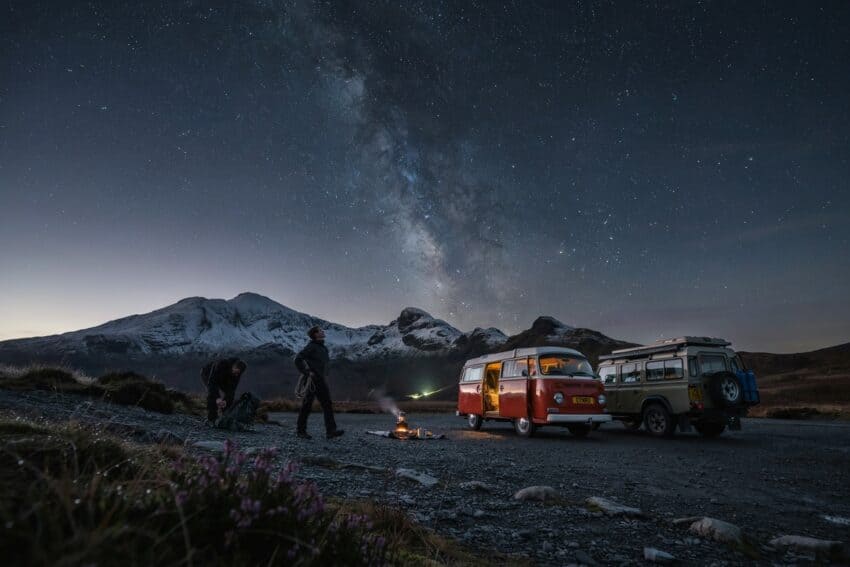
The rugged hills of Eryri National Park in Wales stand silent under starry skies, yet a heated debate over overnight parking has erupted that could redefine travel to this iconic UK destination. For decades, visitors arriving in campervans and cars have sought calm nights near lakes and peaks, but recent restrictions transformed that peaceful ritual into a flashpoint. Park authorities tried to protect fragile landscapes and reduce litter, but locals, hikers and tourism experts cried foul. The dispute exposed deep tensions between conservation goals and the real needs of modern travellers exploring Wales’ wilderness. In this article, we uncover the facts behind the headlines, the voices on both sides, and what this means for visitors who yearn for authentic outdoor experiences.
The Spark That Ignited Controversy
Eryri National Park Authority introduced a strict overnight parking ban at key sites starting in April 2026, targeting campervans and cars left parked from late evening to early morning. The decision aimed to reduce waste, illegal camping and anti‑social behaviour that blighted residential zones near popular trailheads. Campers, hikers and local businesses immediately warned the ban would punish responsible visitors and drive tourism away from rural Wales. The backlash grew across social media and community meetings as voices demanded clarity and fairness. Residents argued that banning overnight access would push parked vehicles to unsafe roadside spots instead of peaceful, designated areas.
Public pressure quickly forced the authority to rethink its stance, highlighting how visitor management must balance environmental protection and travel freedom. After just a few weeks, most parking sites reopened for 24‑hour use while park leaders pledged to refine rules with community input. This rapid reversal underscores the complexity of governing cherished landscapes where travel trends change quickly and stakes remain high for local livelihoods.
Eryri’s Growing Popularity and Pressures
Eryri, known in English as Snowdonia National Park, covers vast terrain of mountains, lakes and dramatic coastlines that attract nearly four million visitors annually. These natural treasures have made the park one of the UK’s most beloved outdoor travel destinations. Peak times bring families, hikers and photographers seeking dawn hikes up Yr Wyddfa, Wales’ highest peak, or tranquil moments beside hidden lakes. Yet as visitor numbers climbed, so did challenges linked to overnight parking and informal camping spots.
Advertisement
Advertisement
Laybys and unofficial roadside spaces filled with campervans became common near trailheads as early birds prepared for sunrise climbs. Locals began reporting noise, litter and human waste near residential zones that once felt remote and peaceful. Small businesses reliant on hikers voiced concern that poorly managed parking diverted spending from local campsites and facilities. Conservation groups also highlighted soil erosion and vegetation damage from cars parked off official surfaces.
These mounting pressures forced park leadership to act, but the first solution proved contentious and ignited national travel conversations about fair access and responsible wilderness use.
Advertisement
Advertisement
What the Parking Ban Tried to Achieve
Park officials said the overnight parking ban targeted specific car parks that repeatedly suffered from informal camping and waste dumping. The intention was to ensure environmental protection and safety, limit environmental degradation, and encourage the use of proper camping sites with facilities. Rules initially restricted vehicle presence between late evening and early morning hours, disrupting habitual overnight stays for many visitors.
Officials also pointed to challenges with managing human waste, which posed contamination risks near waterways that feed local ecosystems and communities. Some locations lacked toilets and responsible waste disposal, fueling authorities’ urgency to act. By restricting overnight stays, planners hoped to reduce these risks and shift behaviour toward regulated camping grounds.
However, critics argued the ban overlooked deeper issues like insufficient campsite availability, inadequate trailhead facilities and a lack of clear communication about alternative options. Many responsible travellers felt punished for the actions of a minority who littered and ignored park codes.
Backlash and Rapid Reversal
The overnight parking ban triggered swift and vocal opposition from various travel communities, local residents and outdoor advocates who warned of unintended consequences. Hikers with early starts said they now faced long walks from distant parking, increasing fatigue and safety risks on challenging trails. Campervan travellers felt unfairly targeted, noting they contributed positively to rural economies through accommodation spending and local services.
Social media amplified these frustrations, with hashtags and photos highlighting crowded roadside pull‑offs that became more chaotic after the ban. Local businesses wrote open letters, urging park authorities to rethink the policy and protect both nature and rural income streams. County leaders called for more inclusive dialogue instead of blanket restrictions.
Responding to this groundswell, the park authority reopened most car parks for round‑the‑clock access, acknowledging that restrictions alone did not solve underlying problems. The reversal aimed to reduce conflict while opening discussions about phased solutions and pilot schemes with designated time limits at select locations.
Advertisement
Advertisement
Harmony or Hard Choices Ahead?
The Eryri parking conflict illustrates a global travel dilemma facing many natural areas: balancing visitor access with environmental stewardship and community wellbeing. Administrators now consider pilot projects with limited overnight parking at specific sites, tighter enforcement of existing camping rules and better signage guiding visitors to official campsites. In public forums, voices from mountaineering clubs, environmental bodies and tourism experts stress the need for infrastructure upgrades rather than punitive bans.
Many advocates call for increased investment in toilets, waste bins and shuttle services that reduce park congestion without limiting travel freedom. Others propose reservation systems for high‑demand parking spots to ensure fair access during peak seasons. The controversy has also sparked wider conversations on sustainable travel practices among UK visitors, encouraging education about “leave no trace” principles and respect for local neighbours.
What This Means for UK Travellers
For anyone planning a trip to Eryri National Park, the recent ban saga offers important travel lessons. First, park rules can change quickly, so checking official Eryri National Park Authority guidance before visiting remains essential. Second, visitors should prioritise designated campsites and facilities to minimise environmental impact and avoid conflicts. Third, early planning for parking and trail access can enhance safety and enjoyment in this rugged landscape.
Eryri’s beauty remains unchanged. Towering ridges, serene lakes and ancient woodlands still draw adventure lovers year‑round. Sunsets over Snowdon and quiet dawns by Llyn Idwal await those who arrive prepared and respectful. The debate over parking policy may recede, but it leaves a legacy of heightened awareness about sustainable travel.
Communities and officials now know that managing a cherished landscape requires cooperation, empathy and thoughtful planning. Hikers, climbers, families and international visitors all share a stake in protecting Wales’ natural heritage while enjoying it responsibly. If you love wild places and plan UK travel, Eryri teaches that proper preparation and respect for local voices make all the difference.
The Future of Overnight Access in Eryri
Park officials and stakeholders continue exploring solutions that balance environmental protection and visitor satisfaction. Proposals include designated overnight zones, improved campsite networks and clear visitor communication systems detailing parking expectations and responsible travel behaviour. Future initiatives may also involve travel‑industry partners and funding to upgrade infrastructure around key access points.
Advertisement
Advertisement
In community meetings, locals emphasise the need for safety measures and traffic calming on narrow rural roads now clogged by displaced vehicles. Outdoor clubs advocate for broader dialogue before implementing major policy shifts. These evolving conversations reflect deeper commitments to preserving Eryri while embracing its role as a world‑class travel destination.
The dialogue ahead will shape how future generations experience the hills and valleys of Wales, ensuring that Eryri remains both magnificent and accessible.
Advertisement
