

UK Rolls with Germany and Others as Top Visitation Markets to Milan and Bologna to Drop in December as Hotel Taxation Policies to Unleash Travel Crisis

Published
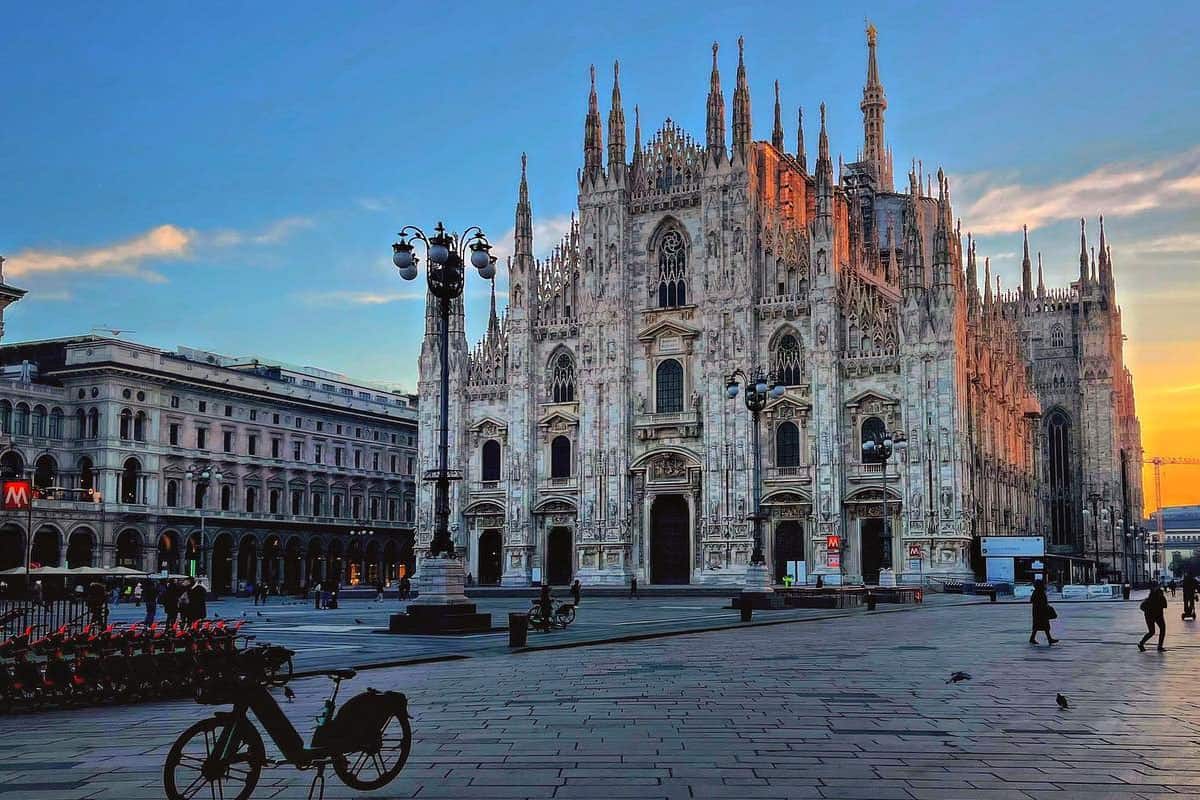
The impending shift in Milan and Bologna hotel taxation policies has sparked unprecedented concerns across the European tourism sector. As of October 2026, the United Kingdom and Germany remain top visitation markets for these Italian cultural hubs. However, official forecasts suggest a steep decline in tourist arrivals by December, unleashing a potential travel crisis. Milan’s decision to double its tourist tax ahead of the 2026 Winter Olympics, combined with Bologna’s strict tiered levies, threatens to alienate budget and luxury travellers alike. This comprehensive daily news article explores how sweeping fiscal changes will disrupt winter travel, local economies, and international tourism dynamics.
Unpacking the 2026 Tourism Landscape in Italy
Italy’s tourism sector has historically served as a foundational pillar of the national economy, contributing a substantial percentage to the gross domestic product and supporting millions of livelihoods across a diverse spectrum of hospitality disciplines. As the global travel industry stabilised throughout 2024 and 2025, Italy enjoyed a magnificent resurgence in international visitation. However, as we move through the final quarter of 2026, the introduction of aggressive new fiscal strategies by major municipal governments has dramatically altered this optimistic trajectory. Local authorities, grappling with the immense financial weight of necessary urban infrastructure upgrades and the unique pressures of hosting impending global mega-events, have increasingly turned to tourist taxation as their primary, most accessible revenue stream. This paradigm shift is far from a mere administrative or bureaucratic adjustment; it represents a fundamental redefining of how Italy chooses to monetise its extraordinary cultural heritage, architectural legacy, and urban appeal in the modern era. The sudden implementation of these policies has sent shockwaves through the global travel network, catching both consumers and industry professionals off guard.
The Strategic Importance of Milan and Bologna
To fully comprehend the magnitude of this impending Italy travel crisis, one must first understand the unique positioning of the cities involved. Milan is not merely a tourist destination; it is a globally recognised nucleus of high fashion, advanced finance, and industrial design. It attracts a highly sophisticated demographic composed equally of lucrative corporate business travellers and affluent leisure tourists. Its dual identity ensures it functions as a year-round destination, entirely distinct from the highly seasonal coastal resorts of southern Italy. Meanwhile, Bologna, affectionately known as ‘La Grassa’ (The Fat) for its unparalleled and globally imitated culinary heritage, and ‘La Dotta’ (The Learned) for hosting the western world’s oldest continuous university, draws a slightly different, yet equally vital demographic. Bologna appeals strongly to cultural purists, academic professionals, and experiential travellers seeking an authentic Italian lifestyle. When these two distinct but equally crucial urban powerhouses simultaneously drastically alter their fiscal welcome, the ripple effects are inevitably felt across the entire European continent.
Historical Context of the Italian Tourist Tax
The concept of a tourist tax is certainly not a novel phenomenon in Europe; historical records indicate their origins can be traced back to Austria as early as 1842, followed by France in 1910, and Switzerland in 1948. In Italy, the modern iteration of the ‘tassa di soggiorno’ was firmly re-established following the 2011 fiscal federalism decree, a legislative move designed to grant local municipalities greater autonomy in generating funds to support local public services and preserve cultural heritage sites. Initially, these levies were relatively modest and widely accepted by the international travelling public as a necessary contribution to the upkeep of historic environments. However, what began as a marginal addition to a hotel bill has, over the subsequent decade and a half, steadily morphed into a significant budgetary consideration for modern holidaymakers. The 2026 policy updates represent the most aggressive escalation of these fees in recent European history, fundamentally shifting the tax from a passive maintenance fund to an active, high-yield municipal revenue generation tool.
Advertisement
Advertisement
Deep Dive: Milan and Bologna Hotel Taxation Policies
Milan’s Aggressive Tax Hike for the 2026 Winter Olympics
In direct preparation for the monumental 2026 Milan-Cortina Winter Olympic Games, the Milan City Council took the highly controversial step of approving a severe, temporary increase in its tourist tax. This unprecedented municipal decision, ratified in late 2025, sent immediate shockwaves through the global hospitality sector. Effective from the 1st of January 2026, the maximum nightly rate for luxury accommodations—specifically categorised as four and five-star hotels—has doubled, reaching a staggering €10 per person, per night. To put this into perspective, for a standard family of four embarking on a week-long stay in the city, this translates to an additional €280 purely in municipal taxes before a single meal is purchased or attraction visited. This heavily staggered system applies varying, yet consistently elevated, rates across all tiers of the local accommodation sector. Guests residing in three-star hotels are now mandated to pay €7.40 per night, while those utilising one and two-star establishments face charges of €4 and €5 respectively. Youth hostels and open-air campsites enforce a €3 nightly fee. The sheer scale of these increases has fundamentally altered the cost-benefit analysis for millions of potential visitors contemplating a trip to Lombardy’s capital.
Examining Bologna’s Complex Tiered Taxation System
Conversely, Bologna has adopted a distinctly different, yet equally burdensome and highly complex approach to taxing its visitors. Rather than relying solely on the official, pre-determined star rating of the chosen accommodation, Bologna’s municipal government calculates the compulsory levy based dynamically on the base price of the room per night. For the period extending from the 1st of January to the 31st of December 2026, visitors paying between €1 and €30.99 for a room are charged a baseline fee of €4. The financial scale escalates rapidly and aggressively from there: rooms priced between €31 and €70.99 incur a €5.80 fee, those falling between €71 and €120.99 attract a €6.50 charge, and any room costing above the €121 threshold demands the maximum €7 nightly fee per person. Even ultra-budget travellers opting for campsites and youth hostels are not immune to the fiscal dragnet, facing a fixed rate of €2.80. Exemptions are strictly limited to residents, minors under 14 years of age, university students housed in official residences, and severely disabled persons. Furthermore, this strict tax regime is no longer confined solely to the historical city centre; it has systematically and relentlessly expanded across Greater Bologna, legally encompassing peripheral areas such as Castenaso, Pieve di Cento, and, as of October 2026, the Apennine municipality of Monzuno.
Advertisement
Advertisement
The Core Visitation Markets: United Kingdom and Germany
Analysing the United Kingdom’s Outbound Tourism Trends
The United Kingdom has perennially served as one of Italy’s most reliable, high-volume source markets. However, the latest official statistics present a highly complex and increasingly volatile picture of the UK’s outbound travel dynamics. VisitBritain’s 2026 inbound tourism forecast, revised and released in late August 2026, indicates that while the UK anticipates welcoming 44.2 million inbound visits—with the OECD projecting a slightly higher 45.6 million—the outbound landscape is fraught with challenges. The critical takeaway from the updated official guidance is that the broader European tourism market has become fiercely competitive, with inbound arrivals to Western Europe collectively forecast to grow by 6% throughout 2026. Southern European nations are performing exceptionally well as global travellers redirect their itineraries away from geopolitically unstable regions like the Middle East. Yet, this promising growth remains incredibly sensitive to sudden price shocks. British tourists are currently navigating a prolonged domestic cost-of-living crisis, marked by inflated utility bills and soaring mortgage rates. When these price-sensitive consumers calculate the total comprehensive cost of an Italian winter holiday, the sudden imposition of exorbitant city taxes serves as a powerful, undeniable deterrent, prompting them to actively seek out more fiscally welcoming alternative destinations.
The German Tourist Profile in Northern Italy
German tourists, historically serving as the unquestionable bedrock of Italian inbound tourism due to geographical proximity and cultural affinity, present a slightly different but equally critical vulnerability. Unlike long-haul international travellers originating from North America or Asia, who might easily view a €10 nightly fee as a negligible, marginal addition to a multi-thousand-pound transatlantic itinerary, German visitors often favour much shorter, highly frequent European city breaks. Many opt to drive across the borders, bypassing airlines entirely to manage costs. For a German family embarking on a spontaneous, four-day weekend driving trip to Bologna or Milan, the sudden addition of high-tier daily taxes shatters the perceived value of the short-haul getaway. Consequently, as we approach the end of 2026, official data from regional tourism boards indicates a marked, undeniable hesitancy among German consumers to commit to advance bookings in these newly high-tax jurisdictions, signalling a profound shift in traditional European travel patterns.
Advertisement
Advertisement
The Impending December Travel Crisis
Why December is a Make-or-Break Month for Italian Hoteliers
December traditionally stands as a golden, highly lucrative month for the hospitality sectors in both Milan and Bologna. In Milan, the deeply traditional Feast of Saint Ambrose (Festa di Sant’Ambrogio) on the 7th of December serves as the official catalyst for a spectacular festive season, drawing immense crowds and culminating in high-end, luxury shopping tourism centred around the iconic Galleria Vittorio Emanuele II and the city’s famed Christmas markets. Similarly, Bologna, with its incredibly atmospheric, UNESCO-listed porticoes and globally renowned gastronomy, attracts thousands of dedicated culinary tourists desperately seeking authentic, warming winter experiences and regional delicacies. For local hoteliers, restaurateurs, and independent retail owners, the revenue generated during this compressed four-week window is absolutely vital; it provides the crucial financial buffer required to survive the notoriously quiet, barren months of January and February.
The Projected Fall in UK and German Arrivals
However, as December 2026 rapidly approaches, the implementation of the new Milan and Bologna hotel taxation policies threatens to thoroughly dismantle this traditional seasonal boom. Early indicators and verified reports from major European tour operators suggest a catastrophic drop in forward bookings from both the United Kingdom and Germany. The psychological barrier created by discovering a substantial, non-negotiable supplementary charge at the final stage of the booking process is proving to be a formidable obstacle to conversion. Travel analysts are openly warning of a potential December 2026 tourism collapse in these specific urban centres, as consumers actively exercise their power of substitution. Instead of absorbing the inflated costs of an Italian winter break, these vital demographics are demonstrably pivoting their allegiance toward aggressively competing winter markets that offer comparable cultural experiences without the punitive municipal surcharges.
Economic Repercussions and Industry Backlash
The Boomerang Effect on Leisure and Business Travel
The economic implications of these drastic policy shifts extend far beyond a simple reduction in hotel occupancy rates; they threaten to fundamentally undermine the broader urban economic ecosystems. Hospitality operators and economic analysts have loudly voiced their intense fears regarding a devastating “boomerang effect” on post-event conference and leisure tourism. Milan, in particular, relies heavily on its status as a premier global destination for massive international conventions, trade fairs, and corporate exhibitions. If multinational corporations and independent event organisers perceive the city as excessively expensive or fiscally hostile due to these exorbitant nightly levies, they possess the agility and influence to simply relocate their lucrative mega-events to competing European cities. The loss of a single major corporate convention results in millions of euros in lost auxiliary revenue for local transport providers, independent caterers, and retail outlets.
Outcry from Hospitality Operators and Trade Associations
The reaction from within the Italian hospitality industry has been one of unified, palpable outrage and deep-seated anxiety. Major trade associations, including Federalberghi, have publicly condemned the unilateral nature of these tax hikes, arguing vehemently that hoteliers have been unjustly forced into the deeply uncomfortable role of municipal tax collectors. Operators argue that the primary priority for 2026 must remain the sustainable, long-term development of the destination, rather than a short-sighted scramble to cover the immediate costs of the Olympic Games. Hoteliers face the unenviable, intensely frustrating challenge of communicating these aggressive new taxes to their loyal, returning clients while simultaneously attempting to protect their most stable and reliable target market: international business travel.
Advertisement
Advertisement
The Short-Term Rental Sector Under Pressure
The Impact on Airbnbs, B&Bs, and Guesthouses
One of the most intensely contentious, widely debated aspects of the updated Milan and Bologna hotel taxation policies is the aggressive, targeted nature of the levies applied to the short-term rental market. In Milan, the nightly tax explicitly mandated for guests utilising short-term rentals, independent bed and breakfasts, and private holiday homes has been dramatically hiked to an astonishing €9.50. This creates a highly bizarre, fundamentally inequitable scenario where a budget-conscious student or young professional renting a modest, basic room via a digital platform is taxed almost identically to a wealthy corporate executive residing in a five-star luxury suite, who pays just fifty cents more at €10. This specific policy design effectively neutralises the inherent cost advantage of the short-term rental sector, severely penalising lower-income travellers and fundamentally distorting the natural competitive balance of the urban accommodation market.
Where Does the Money Go? Revenue Allocation and Transparency
Funding the Milan-Cortina Olympic Games
The primary justification provided by municipal authorities for these aggressive fiscal measures heavily centres on the urgent need for massive infrastructure development and highly complex event management. The City of Milan has been explicit in its official communications, stating clearly that the vast additional revenue generated from these inflated taxes will be split equally: fifty percent will be dedicated to the general, legally defined purposes of the original tax law, while the remaining fifty percent is strictly ring-fenced for the direct, immediate funding of events and infrastructure related to the 2026 Winter Games. While funding global sporting events is undoubtedly a massive civic undertaking, the decision to place the overwhelming financial burden of this national prestige project squarely on the shoulders of everyday international tourists has sparked fierce, ongoing ethical and economic debate.
Municipal Infrastructure versus National Coffers
Beyond the immediate spectacle of the Olympics, there is a profound, growing demand for absolute transparency regarding how the remaining funds are allocated. Hospitality operators, acting as the reluctant intermediaries in this transaction, are urgently demanding precise, legally binding guarantees regarding the use of these vast resources. They insist that the capital extracted from their guests must be demonstrably reinvested into the sustainable tourism development of the city itself—such as improved public transportation, enhanced street cleanliness, and the preservation of heritage sites—rather than simply vanishing into the opaque depths of general municipal or national coffers to cover unrelated bureaucratic deficits.
A Competitive Disadvantage: Italy vs. the Rest of Europe
Comparing Milan to Amsterdam, Paris, and Berlin
To truly grasp the severity and potential long-term damage of the impending Italy travel crisis, it is absolutely essential to critically benchmark Italy’s new policies against the prevailing fiscal strategies of its major European competitors. While it is true that tourist taxes have become utterly commonplace across the continent, their internal structures and ultimate financial impacts vary wildly. In the Netherlands, the city of Amsterdam charges a staggering, highly punitive 12.5% of the total booking cost, regardless of the property’s star rating. In Germany, cities such as Berlin impose a flat 7.5% levy on the total accommodation price. France operates a complex tiered system somewhat similar to Italy’s, with peak rates in major cities reaching up to €11.38 per night for the absolute highest-end accommodations. While Milan’s €10 fee sits slightly below Paris’s maximum, its devastating €9.50 charge on budget short-term rentals makes it one of the most hostile environments for budget travellers in Western Europe.
The Rise of Alternative Southern European Destinations
This stark comparative disadvantage is already heavily influencing the incredibly dynamic, highly mobile international travel market. As the VisitBritain forecast highlighted, Southern Europe is broadly experiencing a massive surge in popularity. However, nations like Spain, Portugal, and Greece are actively capitalising on Italy’s fiscal missteps. While these nations also implement their own versions of tourist taxes, they are frequently perceived by the consumer as being significantly more proportionate, transparent, and manageable. Consequently, major international tour operators in the UK and Germany are quietly but effectively re-routing their highly lucrative winter charter flights and promotional marketing campaigns toward destinations like Barcelona, Porto, and Athens, directly siphoning vital market share away from Northern Italy at the worst possible moment.
Official Responses and Policy Interventions
Government Stance on Fiscal Federalism and Tourism
Despite the mounting, deafening outcry from the deeply concerned hospitality sector and the starkly alarming projections of a December travel collapse, the official governmental stance has remained remarkably unyielding. Local municipalities fiercely defend their constitutional right to leverage fiscal federalism to manage their internal budgets, arguing that the intense wear and tear on historical infrastructure caused by mass tourism absolutely necessitates high-yield financial contributions from the visitors themselves. National tourism bodies, while acutely aware of the rapidly deteriorating international optics, find themselves largely legally powerless to intervene directly in established municipal tax decrees.
Advertisement
Advertisement
Calls for Standardisation and Cap Limits
In response to this fragmented, highly chaotic landscape, a powerful coalition of leading European travel agencies, international airline executives, and consumer rights advocacy groups is urgently lobbying the European Union and the Italian national government for immediate, decisive intervention. Their primary demands centre on the urgent introduction of strict, federally mandated standardisation across all regional tourist taxes, accompanied by the implementation of hard, legally binding cap limits to permanently prevent municipalities from utilising these levies as unlimited, unregulated cash grabs. They argue passionately that without such robust regulatory frameworks, the fundamental European ideal of seamless, accessible cross-border freedom of movement is in grave danger of being priced out of existence for the average citizen.
Long-Term Outlook for Italy’s Tourism Economy
Can Milan and Bologna Recover from the Winter Slump?
As the Italian tourism industry braces itself for what promises to be a highly turbulent and financially damaging winter season, the critical, overriding question remains: will the vital UK and German visitation markets eventually adapt and return, or has permanent structural damage been inflicted upon the destination’s reputation? Historical economic data suggests that while high-end, luxury tourism exhibits a degree of price inelasticity and may eventually absorb the new costs, the much larger, highly lucrative budget and mid-tier markets are exceptionally unforgiving. Once a consumer demographic successfully discovers and embraces a more affordable, equally compelling alternative destination, coaxing them back requires massive, highly expensive marketing interventions and a fundamental reassessment of value.
Strategic Pivots for the Hospitality Sector
In the immediate term, survival for the hospitality sectors in Milan and Bologna will depend entirely on their ability to rapidly execute complex strategic pivots. Industry experts are urgently advising hoteliers to embrace absolute transparency in their marketing communications, ensuring that the exorbitant taxes are clearly, unambiguously communicated during the initial quote and booking confirmation phases to completely eliminate the toxic phenomenon of ‘sticker shock’ upon arrival. Furthermore, property managers must engage in highly sophisticated dynamic pricing strategies, aggressively lowering their core room rates during the off-season to artificially offset the impact of the rigid municipal tax, a strategy that will inevitably ravage their own profit margins but may be absolutely necessary to maintain basic occupancy levels in a profoundly altered European market.
Advertisement
