
Nairobi Airport Chaos: Etihad Flights Cancelled as Strikes Disrupt Kenya’s Main Aviation Hub – What You Need to Know!

Published
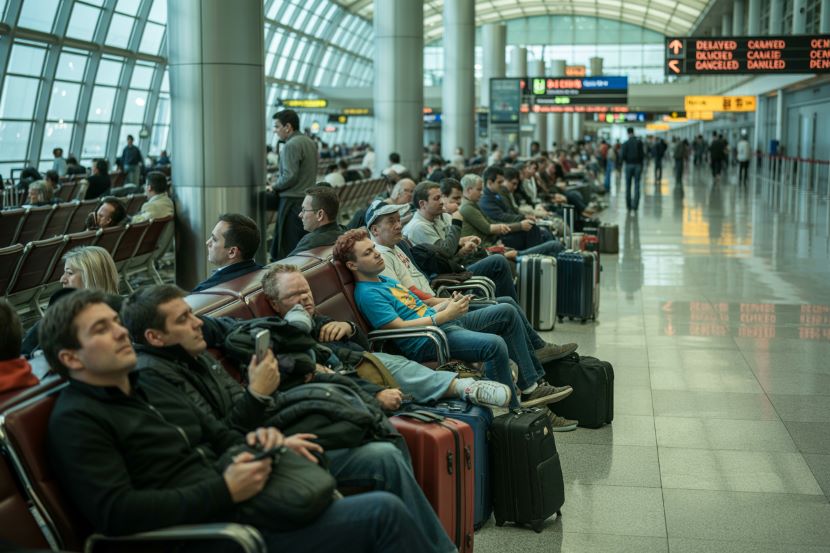 Image generated with Ai
Travellers heading to and from Nairobi, Kenya, faced massive disruptions this week as Jomo Kenyatta International Airport (NBO), one of the busiest hubs in East Africa, was thrown into disarray following an industrial action by aviation workers. The strike, led by the Kenya Aviation Workers Union, led to a wave of flight cancellations, delays, and operational slowdowns. Among the hardest hit were international flights, including those operated by Etihad Airways, whose Abu Dhabi–Nairobi services were abruptly halted. If you’re planning to fly to Kenya anytime soon, here’s everything you need to know.
Strikes at Nairobi Airport: Unprecedented Travel Havoc for Passengers
The chaos started when aviation workers in Kenya downed tools in a protest over unresolved labour disputes with the Kenya Civil Aviation Authority (KCAA). Despite a court ruling aimed at stopping the strike, union members went ahead with their action, leading to delays in air traffic control, and airport services grinding to a halt. This left countless international passengers stranded or unable to board their flights on time. For many, it was a travel nightmare.
Advertisement
Advertisement
Etihad Airways Cancellations: Abu Dhabi to Nairobi Flights Affected
Among the airlines caught in the crossfire was Etihad Airways, which announced the cancellation of flights EY769 and EY770 – both critical services connecting Abu Dhabi (AUH) to Nairobi (NBO). These cancellations were part of a broader wave of flight disruptions that rippled through the airport. With the industrial action stretching into its second day, many international airlines including Kenya Airways and Jambojet also had to adjust their schedules. These were not just minor delays; the strike had a domino effect across the entire region, causing havoc for both airlines and passengers.
Why Are Strikes Disrupting Nairobi’s Airport? Inside the Labour Dispute
So, what’s behind the chaos at Nairobi’s airport? The Kenya Aviation Workers Union has been at odds with the Kenya Civil Aviation Authority for months over issues related to wages, working conditions, and employment contracts. The industrial action was meant to push for better treatment and the finalisation of a long-overdue collective bargaining agreement. Despite efforts by the Kenyan Ministry of Transport to mediate, the dispute escalated, affecting critical services at the airport. As the strike continues, travel disruptions are expected to continue, with no clear end in sight.
Advertisement
Advertisement
What’s Being Done to Fix the Situation? Steps Taken to Get Nairobi Back on Track
In response to the strike, the Kenya Airports Authority and the Kenya Civil Aviation Authority have been working around the clock to keep essential operations running. While the airport remains operational, air traffic controllers and ground staff shortages have made it hard to maintain normal flight schedules. The authorities are working with airlines to prioritise critical flights and reduce backlogs, but the situation is still fluid. Passengers are advised to check their flight statuses regularly and reach out to their airline for updated departure times.
Stranded Passengers: A Nightmare Experience at Nairobi Airport
For many, the disruption meant long hours of waiting, confusion, and missed connections. With limited ground staff available to assist, passengers were left scrambling for information, with many being forced to spend extended hours at the airport. The inconvenience wasn’t limited to one airline – multiple flights were delayed, and overbookings became an issue as travellers from different airlines were rebooked onto available flights. With so many flights out of NBO grounded, the airport became a hub of frustrated passengers, highlighting the vulnerability of major international airports during labour disputes.
Advertisement
Advertisement
What You Should Do If You’re Affected: Tips for Stranded Travellers
If your flight to Nairobi has been affected by the ongoing strikes, don’t panic. Here are a few steps you can take:
- Check with your airline for the latest information on your flight’s status.
- Consider rebooking onto an alternative flight, if possible.
- Some airlines are offering full refunds for passengers who decide not to travel during the disruption period.
- Look out for government announcements and stay updated on when normal operations will resume.
Both Kenya Airways and Etihad Airways are offering support to passengers, including hotel accommodation, rebooking options, and refunds for those whose flights were cancelled.
Advertisement
Advertisement
Etihad Airways and Kenya Airways Work to Clear Backlog of Flights
With the strike finally called off, normal flight operations are slowly resuming. Both Etihad Airways and Kenya Airways are working hard to clear the backlog of passengers affected by the strike. Extra flights are being scheduled, and additional staff are being brought in to speed up the process of clearing delays and getting passengers to their destinations. The swift resolution of the strike helped limit the long-term impacts on the East African travel market, but disruptions continue to affect flight schedules in the short term.
How Does This Impact Tourism in Nairobi and Beyond?
Nairobi is not just a transport hub but a key gateway to Kenya’s tourism industry. The disruptions to air travel have put a dent in the country’s tourism growth, with many visitors delayed or forced to cancel their plans. Kenya’s tourism industry, which draws in millions of visitors each year, especially for safaris, beach holidays, and business travel, will undoubtedly feel the ripple effect of these travel setbacks. The country’s government and tourism authorities are focused on ensuring that disruptions do not have a lasting impact on the region’s economic recovery, as they continue to work on improving the situation.
Final Thoughts: Stay Alert for Further Updates
While Jomo Kenyatta International Airport is returning to normal, travellers should stay informed about any further developments related to the strike. The Kenya Civil Aviation Authority and airlines have been working together to minimise disruptions and assist affected passengers. However, as with any major disruption, it’s essential to stay in constant communication with your airline and monitor official announcements.
If you’re planning travel through Nairobi, make sure to confirm your flight status before heading to the airport, as schedules may still fluctuate in the aftermath of this industrial action.
Advertisement
