
Austria Follows Germany in Alpine Tourism Spotlight as Bavarian Castles, Scenic Lakes and Mountain Trails Draw Tourists

Published
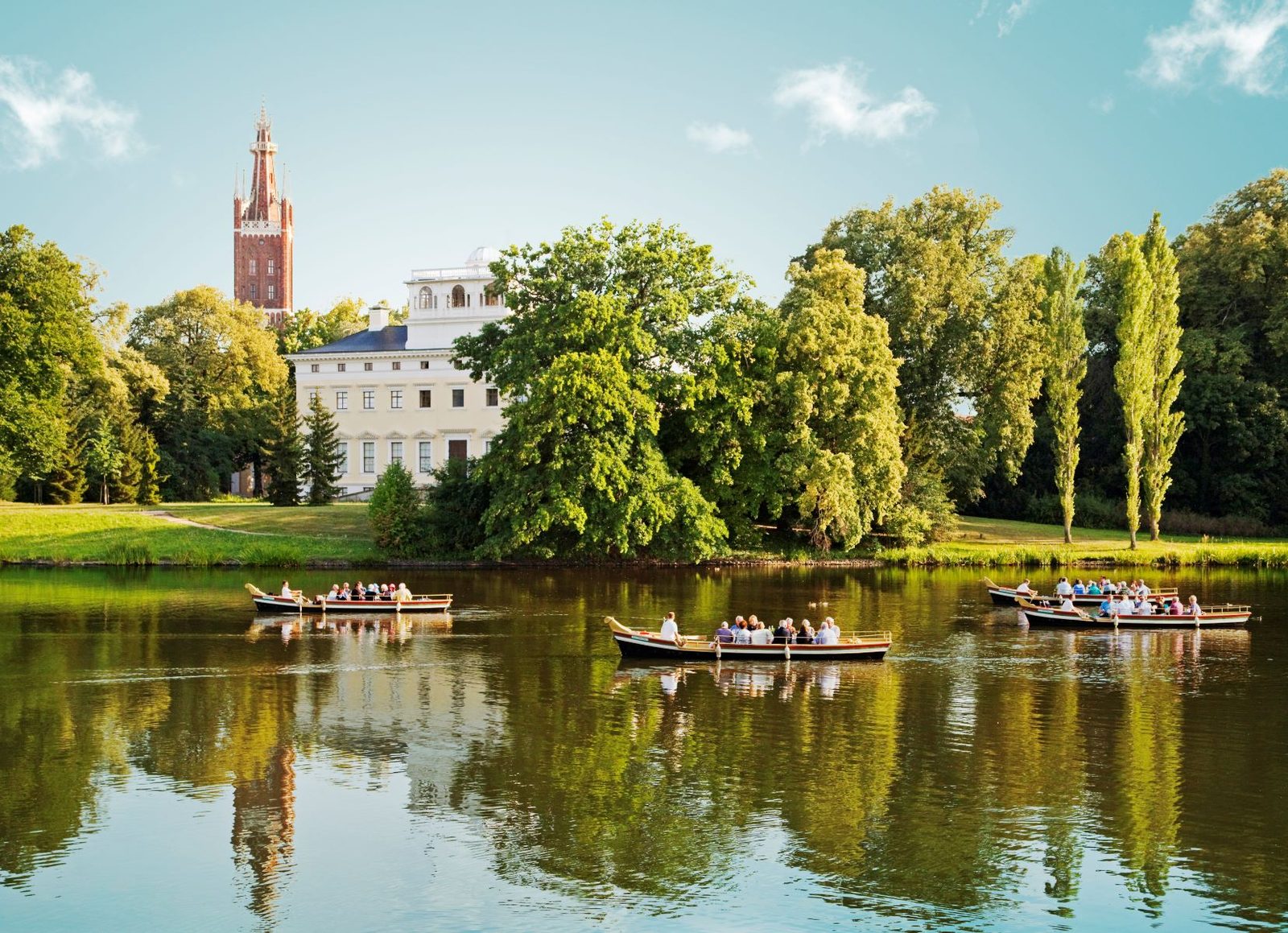
Austria follows Germany in the Alpine tourism spotlight as Bavarian castles, scenic lakes and mountain trails attract travellers seeking memorable European holidays. Germany’s historic royal residences, mountain landscapes and lakeside destinations complement Austria’s traditional villages, Tyrolean valleys and outdoor attractions. Together, these neighbouring countries offer international tourists opportunities to combine cultural sightseeing, nature tourism and cross-border travel within one itinerary. Their established railway networks, international airport connections and varied accommodation options support accessible regional exploration. For global tourism, this interconnected Alpine corridor strengthens destination diversity, encourages multi-country holidays and creates opportunities for local hospitality businesses throughout the year.
Germany and Austria Alpine Tourism in 2026 Reflects Strong International Visitor Demand
The Alpine tourism industry in Germany and Austria forms part of two substantial European visitor economies. Official statistics illustrate the importance of international arrivals, accommodation demand and regional tourism infrastructure. Germany recorded 47.1 million overnight stays by international visitors between January and July 2026, according to the German National Tourist Board. Austria recorded 88.79 million overnight stays by non-residents during January–August, according to Statistics Austria. Bavaria, which includes Germany’s Alpine tourism destinations, recorded 70.7 million overnight stays from domestic and international guests combined between January and August. These statistics demonstrate significant tourism activity, although their different geographical coverage prevents direct comparisons.
Advertisement
Advertisement
- Germany’s international tourism: Foreign visitors generated 47.1 million overnight stays in Germany from January to July, an annual increase of 1%.
- Austria’s inbound tourism: International visitors accounted for 88.79 million overnight stays from January to August, increasing 1.9% year on year.
- Bavaria’s accommodation market: The German state registered 28.2 million total guest arrivals and 70.7 million overnight stays during January–August.
- Austria’s overseas and cross-border demand: Germany remained Austria’s largest foreign source market, generating 43.89 million overnight stays in the first eight months.
- Tyrol’s regional importance: Austria’s leading Alpine province recorded 6.47 million overnight stays in August alone, reinforcing the importance of mountain destinations.
Verified tourism performance in 2026
| Tourism indicator | Germany / Bavaria | Austria |
|---|---|---|
| International overnight stays | Germany: 47.1 million | Austria: 88.79 million |
| Reporting period | January–July 2026 | January–August 2026 |
| International overnight-stay growth | +1.0% | +1.9% |
| Regional tourism indicator | Bavaria: 70.7 million total overnight stays, January–August | Tyrol: 6.47 million total overnight stays, August |
| Important visitor market | Foreign arrivals alongside substantial domestic travel | Germany, the Netherlands, Czech Republic, Switzerland and Liechtenstein |
| Statistical authority | German National Tourist Board, Destatis and Bavarian State Office for Statistics | Statistics Austria |
Germany’s Bavarian Castles Strengthen UNESCO Heritage Tourism and Cultural Travel
Germany’s Bavarian Alps combine internationally recognised royal architecture with landscapes shaped by mountains, forests and lakes. One of the region’s major cultural assets is the UNESCO World Heritage property comprising four residences associated with King Ludwig II. Neuschwanstein, Linderhof, Herrenchiemsee and the King’s House on Schachen were developed between 1868 and 1886. Their architectural designs reflect European romanticism, historical styles and elaborate artistic influences. The UNESCO inscription, granted in 2025, provides additional international heritage recognition. For travellers, the properties offer different experiences, ranging from elaborate palace interiors to mountain residences reached through demanding Alpine walks.
- Neuschwanstein Castle: Located near Schwangau, this internationally recognised landmark combines nineteenth-century architecture with a dramatic mountain backdrop.
- Linderhof Palace: Known for its richly decorated interiors, landscaped grounds and royal architectural influences.
- Herrenchiemsee Palace: Situated on an island in Lake Chiemsee, the palace reflects Ludwig II’s fascination with Versailles.
- King’s House on Schachen: Offers a distinctive combination of royal heritage and remote mountain scenery.
- Hohenschwangau Castle: Associated with Ludwig II’s childhood and located near Neuschwanstein, although it is not one of the four UNESCO-listed properties.
Major cultural attractions in the Bavarian Alps
| Attraction | Location | Historical or tourism significance |
|---|---|---|
| Neuschwanstein Castle | Schwangau | Royal architecture and Alpine scenery |
| Linderhof Palace | Ettal | Elaborate royal interiors and gardens |
| Herrenchiemsee Palace | Lake Chiemsee | Island palace inspired by Versailles |
| King’s House on Schachen | Near Garmisch-Partenkirchen | Historic mountain residence |
| Hohenschwangau Castle | Schwangau | Childhood residence of Ludwig II |
| Wies Church | Steingaden | UNESCO-listed Rococo pilgrimage church |
| Ettal Abbey | Ettal | Benedictine religious and architectural heritage |
Germany’s Scenic Alpine Lakes and Zugspitze Mountain Trails Create Diverse Outdoor Holidays
The Bavarian Alps offer nature tourism experiences ranging from accessible lakeside walks to demanding high-altitude routes. Lake Eibsee, situated below the Zugspitze massif, is associated with clear mountain water, wooded shorelines and panoramic scenery. Germany’s highest mountain is accessible through established cable-car and mountain railway services. Farther east, Berchtesgaden National Park provides a contrasting environment of steep limestone mountains and protected landscapes. Lake Königssee is especially significant because visitor access relies heavily on electric passenger boats rather than roads around its shoreline. These different attractions allow travellers to combine lake excursions, photography, walking and mountain sightseeing in one holiday.
Advertisement
Advertisement
- Zugspitze: Germany’s highest mountain, reaching 2,962 metres, with panoramic views and cable-car access.
- Lake Eibsee: A major natural attraction for shoreline walks, photography and outdoor recreation.
- Lake Königssee: Electric boats connect visitors with the St Bartholomä peninsula and seasonal onward destinations.
- Lake Obersee: A mountain lake reached through the southern Königssee area when the relevant boat service operates.
- Hintersee and Zauberwald: Lakeside scenery and forest trails near Ramsau within the Berchtesgaden area.
Germany’s major Alpine outdoor destinations
| Destination | Primary attraction | Travel consideration |
|---|---|---|
| Zugspitze | High-altitude mountain panoramas | Cable-car and rail timetables |
| Lake Eibsee | Lake scenery and walking | Seasonal visitor demand |
| Königssee | Electric boat excursions | Timetabled transport and national park restrictions |
| Obersee | Mountain lake and hiking | Seasonal Salet boat access |
| Hintersee | Lake and forest scenery | Local trail conditions |
| Jenner Mountain | Mountain views and hiking | Cable-car operation and weather |
| Garmisch-Partenkirchen | Mountain recreation and historic townscape | A practical regional accommodation base |
Austria’s Tyrol Tourism Combines Alpine Villages, Mountain Adventure and Cultural Heritage
Austria complements Germany’s Bavarian Alpine attractions through Tyrol’s mountain landscapes, historic settlements and established outdoor recreation infrastructure. The province recorded 6.47 million overnight stays and approximately 1.71 million guest arrivals in August 2026, according to final figures from Statistics Austria. Innsbruck provides an urban gateway to the surrounding mountains, while Alpbach is recognised for traditional wooden architecture and preserved village character. The Nordkette mountain range adds high-altitude recreation within easy reach of Innsbruck’s city centre. Together, these attractions support cultural tourism, hiking, mountain sports and longer holidays that combine Austrian villages with neighbouring German destinations.
- Innsbruck: The Tyrolean capital combines historic architecture, museums, shopping streets and accessible mountain recreation.
- Nordkette: The cable-car network connects Innsbruck with high-altitude viewpoints and hiking areas.
- Alpbach: Traditional timber architecture, mountain farming heritage and preserved village identity support cultural tourism.
- Plansee: This Alpine lake in Tyrol offers opportunities for lakeside recreation and outdoor sightseeing.
- Blindsee: A mountain lake near Biberwier, appreciated for its forested setting and natural scenery.
Important Austrian Alpine tourism destinations
| Destination | Region | Tourism significance |
|---|---|---|
| Innsbruck | Tyrol | Historic city, cultural attractions and mountain access |
| Nordkette | Innsbruck | Hiking, skiing and cable-car sightseeing |
| Alpbach | Alpbachtal | Traditional wooden architecture and rural heritage |
| Plansee | Reutte district | Lake recreation and scenic surroundings |
| Blindsee | Biberwier | Mountain lake and nature tourism |
| Ehrwald | Tyrol | Access to the Austrian side of the Zugspitze |
| Leutasch | Seefeld plateau | Alpine walking and winter recreation |
| Pitztal | Tyrol | High-altitude mountain experiences |
Austria’s 2026 Tourism Figures Highlight International Arrivals and Tyrol’s Accommodation Demand
Austria’s international visitor economy shows the importance of Alpine destinations within the country’s wider tourism performance. Statistics Austria recorded 117.89 million overnight stays from January to August 2026, representing annual growth of 1.5%. International visitors accounted for approximately three-quarters of those nights. Germany remained the leading foreign source market, followed by the Netherlands, Czech Republic and Switzerland together with Liechtenstein. Tyrol was especially important during the summer holiday period, recording the highest August overnight-stay total among Austrian provinces. These figures establish the scale of existing tourism demand without attributing visitor growth to any particular mountain attraction.
Advertisement
Advertisement
- Total accommodation demand: Austria registered 117.89 million overnight stays during January–August 2026.
- International demand: Non-resident visitors generated 88.79 million overnight stays.
- Visitor arrivals: Approximately 24.74 million arrivals were recorded from international visitors.
- Germany’s contribution: German visitors accounted for 43.89 million Austrian overnight stays.
- Tyrol’s position: The province recorded 6,473,672 overnight stays in August, alongside 1,706,246 guest arrivals.
Austria tourism performance and international source markets
| Indicator | 2026 figure | Annual change |
|---|---|---|
| Austria total overnight stays, January–August | 117.89 million | +1.5% |
| International overnight stays, January–August | 88.79 million | +1.9% |
| International arrivals, January–August | 24.74 million | +3.2% |
| German visitor overnight stays | 43.89 million | +0.9% |
| Netherlands visitor overnight stays | 9.40 million | +1.0% |
| Czech visitor overnight stays | 3.59 million | +10.6% |
| Switzerland and Liechtenstein overnight stays | 3.05 million | 0.0% |
| Tyrol overnight stays, August only | 6.47 million | +0.1% |
Germany and Austria Railways and Airport Networks Support Cross-Border Alpine Holidays
International accessibility is an important consideration for travellers planning holidays across Germany and Austria. Munich provides a major gateway to Bavaria, while Innsbruck and Salzburg offer additional entry points for Austrian mountain destinations. Deutsche Bahn publishes direct Munich–Innsbruck rail connections with journey times of approximately one hour and 54 minutes on selected services. Austrian aviation statistics show that airport performance varied during summer 2026, with increases at Innsbruck and Salzburg despite declining nationwide passenger numbers. These connections give visitors alternatives when organising multi-country itineraries, although onward travel to smaller villages, lakes and hiking areas still requires additional planning.
- Munich–Innsbruck rail connectivity: Direct international train services support travel between Germany and Austria.
- Innsbruck Airport: Passenger numbers increased by 5.6% during July–August 2026 compared with the same period in 2025.
- Salzburg Airport: Passenger traffic grew by 8.9% during the same summer reporting period.
- Austria’s wider aviation market: Combined passenger traffic at six principal airports declined by 5.1%.
- Regional transport: Cable cars, mountain railways, buses and lake boats provide access beyond major railway stations.
Verified Alpine transport indicators for 2026
| Transport indicator | Official 2026 information | Traveller relevance |
|---|---|---|
| Munich–Innsbruck direct train | Approximately 1 hr 54 min on selected journeys | Cross-border city and Alpine holidays |
| Innsbruck Airport, July–August | 78,979 passengers, +5.6% | Austrian Tyrol air gateway |
| Salzburg Airport, July–August | Approximately 400,000 passengers, +8.9% | Eastern Alpine region gateway |
| Austria’s six main airports, July–August | Approximately 7 million passengers, −5.1% | Overall aviation market context |
| Austria’s six main airports, August | 3,543,591 passengers | Monthly aviation activity |
| Zugspitze Cable Car | Seasonal operations with scheduled maintenance | Mountain access planning |
| Königssee electric boats | Established lake transport network | Access to St Bartholomä and seasonal destinations |
European Alpine Tourism Creates Opportunities for Hotels, Local Businesses and Multi-Country Travel
The combination of Bavarian heritage attractions and Austrian mountain destinations provides a practical foundation for multi-country European holidays. Travellers can connect castle visits, lakeside sightseeing, historic towns and mountain activities within the same wider Alpine region. This supports potential demand for accommodation, restaurants, local transport, guided activities and equipment services. Bavaria’s August 2026 statistics showed annual increases in camping arrivals and holiday-home accommodation, illustrating demand across different types of stays. Austria’s regional figures similarly demonstrate the importance of overnight tourism in Tyrol. However, these statistics do not establish the direct economic contribution of cross-border Alpine itineraries.
- Accommodation diversification: Alpine visitors can choose between hotels, holiday apartments, guesthouses and campsites.
- Extended itineraries: Germany–Austria holiday routes create opportunities to distribute stays across different destinations.
- Regional transport demand: Railways, local buses, mountain lifts and boat operators serve visitors accessing dispersed attractions.
- Cultural tourism spending: Historic towns, traditional villages and heritage sites provide reasons to visit beyond mountain recreation.
- Seasonal tourism management: Different opening periods require careful scheduling, particularly for high-altitude services.
Tourism impact across Germany and Austria
| Tourism segment | Germany’s contribution | Austria’s contribution | Potential travel industry impact |
|---|---|---|---|
| Cultural tourism | Royal castles, monasteries and historic towns | Traditional villages and Tyrolean heritage | Heritage visits and guided experiences |
| Mountain tourism | Zugspitze, Jenner and Bavarian trails | Nordkette and Tyrolean mountain regions | Cable-car and outdoor recreation demand |
| Lake tourism | Königssee, Eibsee and Hintersee | Plansee and Blindsee | Lake-related recreation and local services |
| Accommodation | Bavarian hotels, camping sites and holiday homes | Tyrolean hotels, guesthouses and apartments | Multi-night stays across regions |
| Rail tourism | Munich and Bavarian regional connections | Innsbruck and Austrian transport links | Cross-border itinerary development |
| Rural tourism | Grainau, Oberammergau and Schwangau | Alpbach, Ehrwald and Leutasch | Spending opportunities in smaller communities |
Bavaria’s official statistics show that camping establishments recorded 4.1% more guest arrivals and 4.4% more overnight stays in August 2026 than a year earlier. Holiday accommodation categories also reported increases, although traditional accommodation types recorded mixed results.
Travellers seek different combinations of accommodation, activities and transport. Some prefer accessible sightseeing in historic towns, while others prioritise remote mountain trails or lakeside stays.
The two-country Alpine corridor therefore presents opportunities for varied tourism products without requiring the destinations to offer identical experiences.
Conclusion
Austria follows Germany in the Alpine tourism spotlight by complementing Bavarian castles, scenic lakes and mountain trails with Tyrolean heritage, traditional villages and accessible outdoor attractions. Together, the neighbouring destinations offer travellers a varied combination of cultural discovery, nature experiences and international sightseeing. Germany’s historic architecture and spectacular landscapes sit alongside Austria’s mountain communities and recreational opportunities, creating a connected European holiday region. For global tourism, this geographical partnership provides opportunities for multi-country itineraries, hospitality services and regional exploration. The lasting appeal of Alpine tourism in Germany and Austria lies in their distinctive landscapes, cultural identities and diverse travel experiences.
Advertisement
