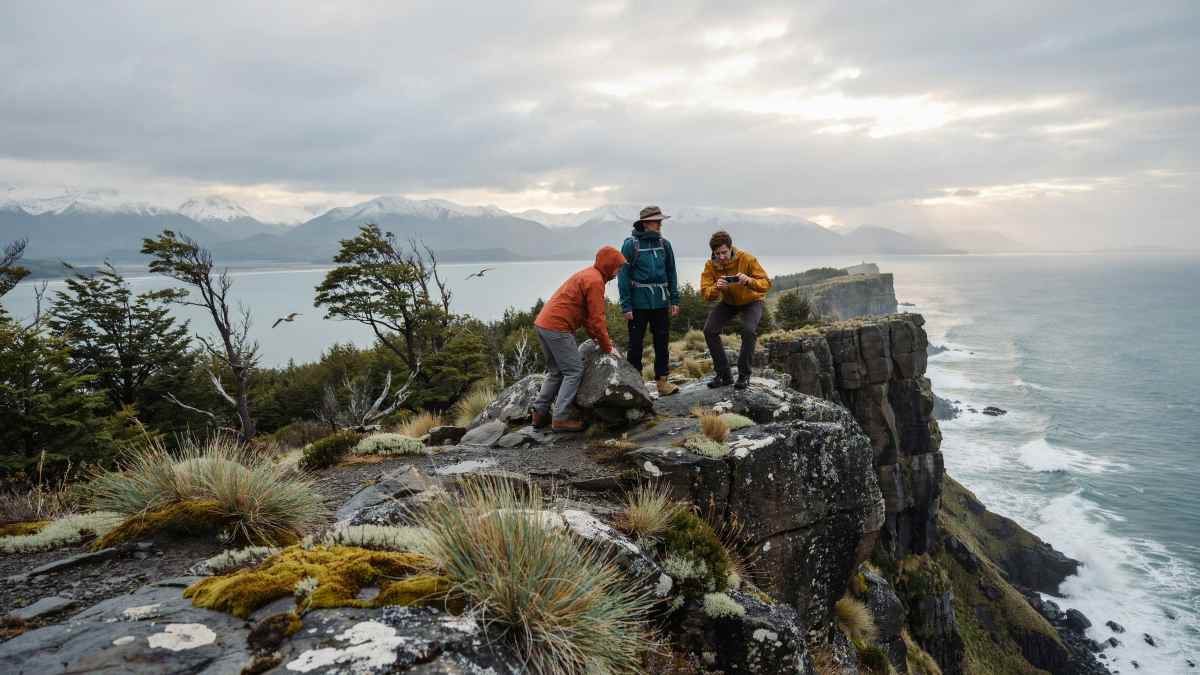
Image generated with Ai
Cape Froward National Park is being planned on the Brunswick Peninsula of Chile, which would be another step forward in setting up a very large protected landscape at the southernmost point of the continent of the Americas. This proposed wilderness area, located near the Strait of Magellan south of Punta Arenas, would include subantarctic forests, fjords, and peat bogs in its conservation and tourism program. This project is a part of the multi-phase plan for developing the National Park and Gateway. It has been initiated by Rewilding Chile and other agencies of the region, which would protect the landscape in addition to offering opportunities for trekking, kayaking and expedition-style tourism.
Cape Froward occupies one of the most remote landscapes in southern Chile. The Brunswick Peninsula extends towards the Strait of Magellan through a rugged environment of mountains, fjords, forests and wetlands.
Its subantarctic forests form part of an ecosystem adapted to the demanding climate of the far south, while extensive peatlands add another important layer of ecological value. These ancient wetlands can store substantially more carbon than surrounding forests, making their protection significant not only for biodiversity but also for climate resilience.
The combination of fjords, forests and peatlands also gives the area considerable potential for nature-based tourism. Rather than building conventional resort infrastructure, the proposed tourism model is centred on small-scale access through designated routes and specialist expedition services.
Advertisement
Advertisement
One of the project’s major conservation priorities is the southernmost continental population of the endangered huemul deer. Protecting its habitat requires tourism infrastructure and visitor movement to remain carefully managed.
The national park concept therefore places controlled access at the heart of the visitor experience. Hiking trails and sea-kayaking corridors are being designed to allow travellers to experience the landscape without creating widespread disturbance across sensitive habitats.
The area also supports important marine and coastal wildlife. Sei whales and Magellanic penguins are among the species connected with the wider conservation landscape, adding opportunities for wildlife observation alongside terrestrial trekking.
For specialist travellers, this combination creates a rare multi-environment expedition. A single journey can encompass subantarctic forest, peatland, fjord and coastal habitats while remaining within a conservation-led framework.
Advertisement
Advertisement
The development could strengthen Punta Arenas as a gateway for wilderness journeys into the southern Brunswick Peninsula. The city already serves as an important base for travellers exploring Chilean Patagonia, but Cape Froward would expand the range of experiences available south of the regional capital.
Strictly managed hiking routes could introduce multi-day trekking into an environment that remains significantly less developed than many established Patagonia circuits. Sea-kayaking corridors would provide another way to explore the peninsula, allowing visitors to approach fjords and coastal landscapes from the water.
The expedition character of the destination is particularly important. Cape Froward is not being positioned as a high-volume attraction. Its remoteness naturally favours smaller groups, specialist guides and carefully organised journeys.
A regenerative tourism model can also create new opportunities for communities and businesses around Magallanes.
Visitor spending is expected to support local expedition guides, maritime operators and tourism providers involved in transporting and guiding travellers through the region. This creates an economic connection between the preservation of the wilderness and the livelihoods that depend on bringing visitors into it responsibly.
Such an approach can help distribute tourism benefits beyond established accommodation and excursion centres. Local expertise becomes a core component of the experience, particularly in an environment where weather, waterways and remote terrain demand experienced operators.
The result is a tourism model based less on infrastructure volume and more on the value of guided access to an intact landscape.
Cape Froward’s peatlands give the project an importance that extends beyond conventional wildlife tourism. Their ability to store large quantities of carbon makes preventing drainage, degradation and fragmentation a significant conservation priority.
Protecting these wetlands alongside forests and fjords creates a more comprehensive wilderness sanctuary across the Brunswick Peninsula. It also strengthens the ecological continuity required by species such as the huemul.
Tourism therefore has to operate within the limits of the landscape. Controlled trails, designated kayaking routes and small-group expeditions can allow visitors to experience the region while reducing pressure on fragile habitats.
National Park Cape Froward could be one of Chile’s most unique wilderness destinations, where conservation, rich carbon deposits and adventure tourism come together at the geographic end point of the South American continent. The appeal of the destination for tourists will not involve resort developments, but its sheer remoteness, stunning fjords, subantarctic forests, wildlife, and long-distance trips through an area still pristine. As the development of Cape Froward into a national park takes place, there will be developed another way of doing tourism in Patagonia. The future of Cape Froward relies in preserving the wilderness and creating value from its careful exploration.
Advertisement
Tags: Brunswick Peninsula, Cape Froward, Cape Froward Chile, Cape Froward National Park, Chile adventure travel
Advertisement
Advertisement













Saturday, September 5, 2026

Saturday, September 5, 2026
Saturday, September 5, 2026

Saturday, September 5, 2026

Saturday, September 5, 2026
Saturday, September 5, 2026