
Bolivia Expands Amazon Ecotourism With 907,244 Hectares

Published
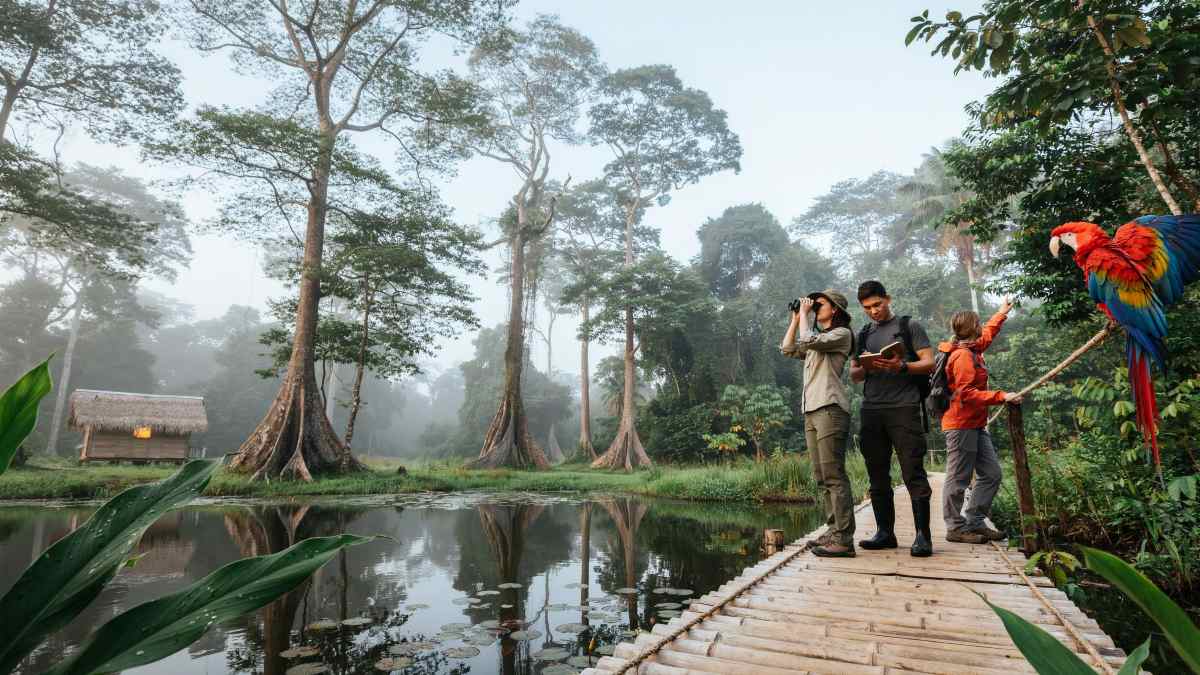
Bolivia has increased the network of ecotourism in the Amazon through four new protected municipal areas with a total of 907,244 hectares, providing more chances of engaging in wildlife-based tours, river-based adventures, and agroforestry tourism in the north and central regions of Bolivia. The four new areas include Gran Paitití, Los Palmares de Villa Nueva, Guardián Amazónico Pacahuara, and Serranías de Palos Blancos. The new network will help enhance the conservation relationships between Amazon ecosystems, indigenous territories, and existing protected landscapes such as Madidi. The new network provides more opportunities for tourists to visit the Amazon basin in Bolivia.
New Protected Areas Expand Bolivia Tourism
The four protected areas are adding substantial new territory to Bolivia’s conservation landscape.
Advertisement
Advertisement
Their locations help connect different ecosystems between the high Andes and Amazon basin, creating larger ecological corridors for wildlife while opening opportunities for nature-based tourism.
The protected landscapes can support guided walking, river travel and community-based excursions, giving visitors access to environments that remain outside the country’s established tourism routes.
Advertisement
Advertisement
For international travellers, this provides another way to explore Bolivia beyond its highland cities, salt flats and mountain destinations.
Gran Paitití Builds an Amazon Tourism Corridor
Gran Paitití forms part of the expanding network of protected landscapes in the Bolivian lowlands.
Advertisement
Advertisement
Its forest environments provide potential for guided nature excursions focused on biodiversity and traditional forest products.
Visitors can explore Amazonian landscapes while learning about the relationship between local communities and the forest resources supporting rural livelihoods.
The area also contributes to the broader conservation corridor connecting Amazonian habitats with neighbouring protected and Indigenous territories.
Madidi Gains Wider Regional Connections
The new protected areas complement major conservation destinations such as Madidi, one of Bolivia’s best-known gateways to Amazonian biodiversity.
The expanded network creates opportunities to develop tourism beyond established entry points by connecting additional communities and landscapes with the country’s wider ecotourism economy.
River-based itineraries can provide access to remote forest areas, while community guides can introduce travellers to local ecosystems and traditional knowledge.
Advertisement
Advertisement
This broader network can help diversify Amazon tourism while creating additional reasons for visitors to spend time in northern Bolivia.
River Trails Create Wildlife Experiences
River travel is expected to play an important role in the emerging tourism corridors.
Amazonian waterways provide practical access to remote forests and can support guided wildlife observation from boats.
Travellers may encounter species associated with the region’s river and forest ecosystems, including giant otters, spider monkeys and Amazon river dolphins.
Boat-based wildlife excursions also allow visitors to cover larger distances without requiring extensive road infrastructure, making them suitable for remote conservation landscapes.
Forest Products Connect Tourism With Communities
The protected areas encompass forests supporting valuable natural products including Brazil nuts and wild cacao.
Advertisement
Advertisement
These resources can form part of community-based tourism experiences that connect visitors with local harvesting and production traditions.
Travellers can learn how forest products are collected and processed while experiencing the ecosystems in which they grow.
This adds an agricultural and cultural component to wildlife-focused travel, creating a more complete Amazon tourism experience.
Indigenous Territories Strengthen Cultural Tourism
The conservation corridors also connect with Indigenous territories, including areas associated with the Mosetén people.
Indigenous communities can play an important role in guiding visitors through forests and river landscapes while sharing knowledge about local environments and traditional resource use.
Community-led tourism provides opportunities for visitors to experience Amazonian culture through locally organised excursions rather than relying exclusively on external tourism operators.
Advertisement
Advertisement
This creates a closer connection between tourism and the communities living within or around protected landscapes.
Municipal Management Supports Local Tourism
The new protected areas reflect a greater role for municipal governments in conservation management.
Local authorities can establish tourism access arrangements and support community-based visitor services within their territories.
For travellers, this can translate into more locally organised routes and specialised experiences adapted to individual landscapes.
Guiding, river transport, accommodation and forest-based activities can all contribute to local tourism economies as visitor numbers develop.
Bolivia Builds Amazon Adventure Travel
The expansion also creates opportunities for specialist adventure tourism.
Advertisement
Advertisement
Remote river journeys, forest trekking and wildlife observation can attract travellers seeking experiences beyond conventional sightseeing.
The large scale of the newly protected landscapes provides space for multi-day expeditions, while community-guided routes can help visitors navigate remote environments.
This gives Bolivia another avenue for developing low-impact nature tourism alongside its established cultural and high-altitude travel products.
Bolivia Strengthens Community Conservation Tourism
These additional 907,244 hectares will help expand the geographical reach of Bolivia’s tourism by making stronger connections between conservation efforts and community-based tourism. The Gran Paitití, Los Palmares de Villa Nueva, Guardián Amazónico Pacahuara and Serranías de Palos Blancos provide new opportunities for tourists to experience new forest and river regions in Bolivia. The emerging corridors will help provide tourists with chances to see the biodiversity of the Amazon via boat safaris, forest treks, community-guided tours, and agroforestry trips. Thus, the construction of the tourism infrastructure at the new protected areas will help in creating an Amazon travel network in Bolivia.
Advertisement
