
Richmond England Offers Castle Views River Trails And Market Town Charm Near Leeds And Newcastle

Published
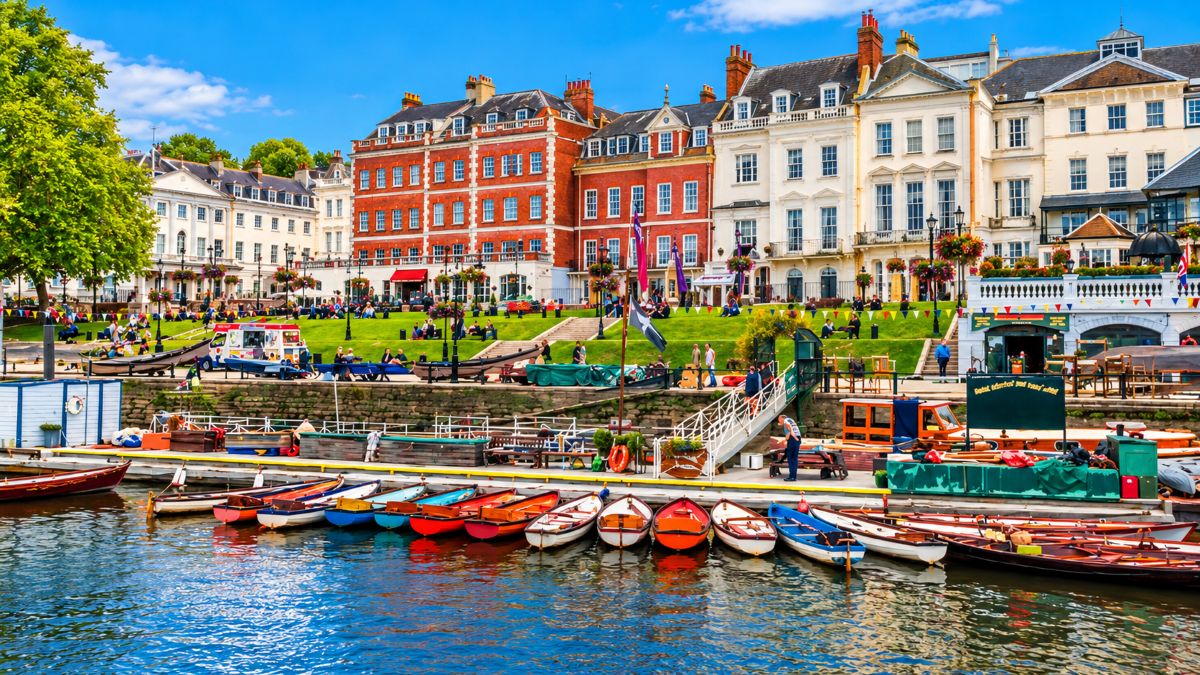
Richmond in North Yorkshire offers travellers a compact blend of Norman history, riverside scenery, traditional markets and cultural attractions, making it an appealing stop for those exploring northern England. Positioned between Leeds and Newcastle upon Tyne, the historic market town is centred on a dramatic castle overlooking the River Swale. Its location gives visitors access to heritage sites and countryside walks without the scale or pace of a major city.
The town’s appeal extends beyond its medieval architecture. Richmond combines cobbled streets, Georgian and Victorian buildings, a long-established marketplace and riverside paths with access to the wider Yorkshire landscape. The nearby Easby Abbey adds another important heritage dimension, while the former Victorian railway station has developed into a cultural destination with independent businesses and creative spaces. Together, these attractions make Richmond suitable for day trips and overnight stays, particularly for travellers seeking history, walking opportunities and a traditional Yorkshire market-town experience.
Advertisement
Advertisement
Richmond Castle Provides A Historic Centrepiece
Richmond Castle remains one of the town’s defining landmarks. Built after the Norman Conquest, its substantial keep rises above the River Swale and provides a striking reminder of the region’s medieval past.
The castle’s elevated position also contributes to Richmond’s scenic character. From paths around the castle, visitors can look across the river gorge and surrounding countryside, creating an experience that combines historical sightseeing with panoramic views.
Advertisement
Advertisement
The town developed around this defensive structure, and its historic core remains highly walkable. Medieval gateways, narrow streets and buildings from later Georgian and Victorian periods create a layered architectural landscape rather than a single-period attraction.
River Swale Trails Bring Countryside Into The Town
The River Swale is central to Richmond’s landscape and provides several opportunities for visitors to experience the countryside on foot. The river passes through a limestone gorge below the town, creating viewpoints, waterfalls and wooded stretches.
Advertisement
Advertisement
The Castle Walk provides an accessible way to experience the scenery while remaining close to the historic centre. Visitors can follow the route beside the castle walls and stop at viewpoints overlooking the Swale and surrounding countryside.
For travellers looking for a longer outing, the Easby Loop covers approximately 3.4 miles. The circular route begins near the former Victorian railway terminus and follows the river towards Easby Abbey.
Advertisement
Advertisement
| Richmond Attraction | Visitor Experience | Travel Interest |
|---|---|---|
| Richmond Castle | Norman heritage and elevated river views | Medieval history |
| River Swale | Riverside scenery and waterfalls | Walking and photography |
| Easby Loop | Circular countryside route | Outdoor exploration |
| Easby Abbey | Medieval monastic ruins | Heritage sightseeing |
| Richmond Market | Produce, crafts and local goods | Local culture |
| Georgian Theatre Royal | Historic theatre and performances | Arts and architecture |
Easby Abbey Adds Medieval Heritage To The Walking Experience
Easby Abbey provides an important extension to Richmond’s historic attractions. The former Premonstratensian abbey dates from the 12th century and now survives as atmospheric ruins beside the River Swale.
Visitors can explore remains associated with the abbey complex, including sections of the refectory, dormitories and gatehouse. Its picturesque setting has also contributed to its appeal among artists and landscape enthusiasts.
Combining the abbey with the Easby Loop creates an itinerary that connects Richmond’s townscape with its surrounding countryside. For travellers interested in heritage walks, the route offers a particularly strong balance between physical activity and historical discovery.
Richmond Market Keeps Traditional Town Life At The Centre
Richmond’s marketplace remains an important part of the town’s identity. The market square is surrounded by historic architecture and continues to provide a setting for local traders and producers.
Advertisement
Advertisement
Outdoor markets traditionally take place on Wednesdays and Saturdays, with Saturday offering the larger market experience. Visitors can encounter fresh produce, flowers, crafts and other locally produced goods.
An indoor market operates from a Victorian building near the square, providing additional opportunities to browse crafts, vintage goods and household items. Regular specialist and evening markets also contribute to the town’s calendar, adding a contemporary layer to its long-established trading tradition.
The Former Railway Station Has Become A Cultural Destination
Richmond’s former railway station provides another example of how historic infrastructure has been repurposed for modern visitors. The Victorian structure retains architectural details including ironwork and a glazed roof while accommodating cultural and commercial uses.
Today, the site includes an independent cinema, gallery, restaurants and shops. It can therefore form part of an itinerary even when visitors are not specifically interested in railway history.
The Station also offers a useful connection between Richmond’s industrial-era development and its present-day creative scene.
Georgian Theatre Royal Extends Richmond’s Cultural Appeal
The Georgian Theatre Royal, dating from 1788, provides another distinctive heritage experience. Its historic auditorium and stage infrastructure offer visitors an opportunity to explore Britain’s theatrical history in an unusually intimate setting.
Advertisement
Advertisement
Backstage tours provide insight into the workings of the historic theatre, while scheduled performances allow visitors to experience the building as an operating cultural venue rather than simply a museum.
For travellers combining architecture, history and performing arts, the theatre provides a different perspective on Richmond beyond its castle and riverside scenery.
Richmond Works Well For Day Trips And Overnight Visits
Richmond’s position makes it practical for travellers exploring northern England. It is roughly an hour from Newcastle upon Tyne and a little more than an hour from Leeds by road, depending on traffic and the precise starting point.
The town can also be reached without a private car. Darlington provides the nearest major railway connection, with onward bus services linking the railway town with Richmond.
Travellers using Richmond as a base can also explore the surrounding Yorkshire countryside, including the Yorkshire Dales. The combination of public transport access, walkable attractions and nearby national-park scenery gives the town flexibility for different styles of northern England travel.
A Compact Yorkshire Destination With Multiple Experiences
Richmond’s strength lies in the way several travel experiences fit within a relatively compact setting. Castle heritage, river scenery, market culture, historic architecture, theatre and countryside trails can all be incorporated into a short visit.
Advertisement
Advertisement
The destination is particularly suited to travellers who prefer places where sightseeing does not depend on a single attraction. A morning can begin with the castle and historic centre, continue with a riverside walk and Easby Abbey, and finish with the market or a cultural venue.
Its position between major northern cities also makes Richmond useful as either a dedicated destination or a stop during a broader Yorkshire and northern England itinerary.
Visiting Richmond Offers A Slower View Of Northern England
Richmond demonstrates how a historic market town can combine heritage preservation with contemporary tourism. Its medieval foundations remain visible throughout the centre, while markets, cultural venues and walking routes keep the destination active beyond its historic landmarks.
For travellers seeking a quieter alternative to larger urban attractions, the town provides a concentrated introduction to North Yorkshire’s architecture, landscape and local culture. The River Swale, Richmond Castle and surrounding countryside provide the visual character, while markets and cultural venues add everyday life to the visitor experience.
FAQs
1. Where is Richmond in England?
Richmond is a historic market town in North Yorkshire, positioned between Leeds and Newcastle upon Tyne.
2. What is Richmond best known for?
Richmond is particularly known for its Norman castle, River Swale views, historic marketplace and medieval townscape.
Advertisement
Advertisement
3. Can Richmond be visited as a day trip?
Yes. Its compact centre and concentration of attractions make it suitable for a day trip, although an overnight stay allows more time for walking and nearby heritage sites.
4. What river runs through Richmond?
The River Swale runs through the landscape below Richmond and is one of the town’s principal scenic features.
5. Is Richmond Castle worth visiting for history travellers?
The castle provides an important insight into Norman-era England and is one of Richmond’s principal historical attractions.
6. What is the Easby Loop?
The Easby Loop is a circular walking route of approximately 3.4 miles connecting Richmond with the riverside landscape and Easby Abbey.
7. What can visitors see at Easby Abbey?
Visitors can explore atmospheric medieval ruins, including surviving elements of the former monastic buildings and gatehouse.
8. When does Richmond outdoor market take place?
The traditional outdoor market takes place on Wednesdays and Saturdays, with Saturday generally offering the larger market experience.
Advertisement
Advertisement
9. Can Richmond be reached without a car?
Yes. Travellers can use rail services to Darlington and continue to Richmond by bus.
10. What other attraction is near Richmond?
Yorkshire Dales National Park is within reach of Richmond and provides opportunities for wider countryside exploration.
Advertisement
