
New Horizons for Tourism: Now, Interjet’s Acquisition to Strengthen Mexico’s Aviation Industry

Published
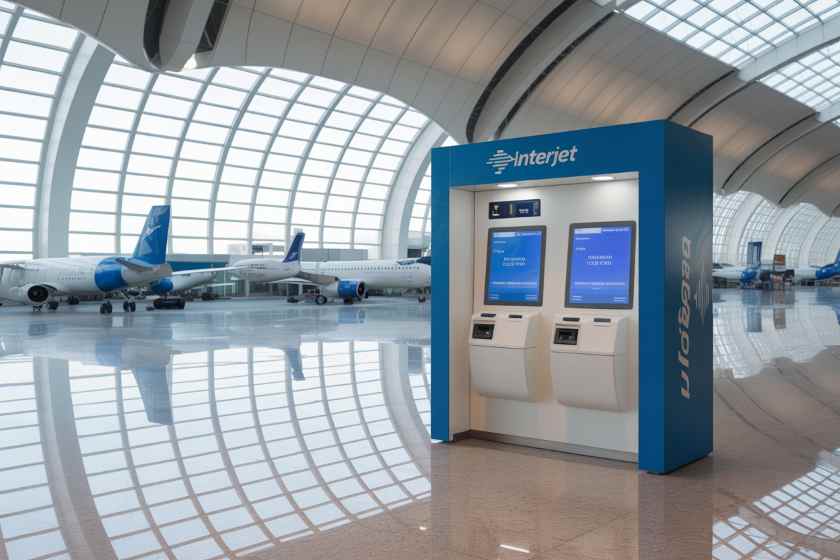
Image generated with Ai
Mexico City International Airport (Aeropuerto Internacional Benito Juárez) has officially acquired the assets of Interjet, once one of the largest domestic airlines in Mexico, after the carrier struggled with ongoing financial troubles. This sale is a crucial turning point for the nation’s aviation sector, strengthening both tourist arrivals and domestic flight networks. Airport leaders believe the deal will raise overall flight capacity, enhance traveler comfort, and deliver lower fares for visitors heading to Mexico City and other top destinations.
Being the main travel hub for the country, Mexico City International Airport connects vacationers to sought-after spots such as Cancún, Los Cabos, Guadalajara, and Monterrey. Bringing Interjet under its ownership will allow the airport to better accommodate increasing tourist numbers and keep Mexico an easy, attractive choice for travelers worldwide.
Advertisement
Advertisement
Boosting Mexico’s Tourism by Strengthening Its Aviation Industry
Interjet once stood out for its low-cost domestic and international air travel and played a vital role in Mexico’s air transport ecosystem. Now, with Mexico City International Airport acquiring the airline’s assets, the plan is to breathe new life into critical air corridors, reintroduce Interjet’s younger jets to the fleet, and increase the number of flights going to Mexico’s most in-demand tourist hotspots. Reinforcing these routes will tighten the tourism link between Mexico and its international partners in North America, Europe, and Latin America.
As Mexico City absorbs Interjet’s former schedules into its air traffic system, travelers will gain greater flight variety, sharper fare competition, and livelier service to and from Mexico’s premier global gateways. The extra airline capacity is set to draw in larger crowds of travelers, whether they are flying for business, vacation, or cultural exploration.
Advertisement
Advertisement
Putting Interjet’s resources into play will solidify the airport as a premier node for point-to-point travel, funneling domestic and international streams into one physical address. This, in turn, promotes a stronger regional tourism flow, granting visitors a smoother chance to sample Mexico’s mountains, its archaeological marvels, and its buzzing city centers in one seamless itinerary.
Advertisement
Advertisement
Improved Tourist Accessibility Across Mexico
One of the best outcomes of the Interjet asset acquisition is the easier travel it brings for tourists heading to and from Mexico. Mexico City remains the country’s largest and most visited place, and its airport is also the key hub for flying to the Yucatán Peninsula, the Pacific Coast, and Baja California.
The added aircraft will let us handle the rising number of domestic trips from Mexico City to hot spots like Cancún, Tulum, and Los Cabos. At the same time, we can add more international flights to cities like New York, Miami, Madrid, and Buenos Aires. With this bigger route map, tourists can reach Mexico’s most famous sites more easily, and we also hope they will be tempted to discover towns like Oaxaca, San Cristóbal de las Casas, and Puebla that are off the usual path.
International travelers now have even more reasons to choose Mexico. Interjet’s newly acquired assets mean Mexico City International Airport can roll out greater flight choices that are easier on the wallet. With more routes and better timetable choices, both holiday makers and business jet-setters can land in Mexico City and connect onward to all corners of the country with far less hassle. Seamless ticketing, smooth connections, and better customer care mean that every arrival and departure feels effortless.
Advertisement
Advertisement
The benefits spread far beyond the airport. Every extra flight means more people on the ground, which in turn means more dollars in the local economy. Hotels, restaurants, guides, and artisans all gain when fresh faces arrive. A thriving tourism scene supports job creation, and the ripple effect can uplift neighborhoods and small businesses. The result is that the money that visitors spend helps finance improved services and infrastructure that residents use every day.
The growth is also being done respectfully. Mexico has put eco-conscious travel at the heart of its tourism growth strategy. The revised Interjet fleet will use modern, more fuel-efficient aircraft that produce less noise and fewer emissions. Mexico City International Airport is already working on chargers for electric ground transport, better recycling programs, and even green rooftops. Together, these steps mean that travelers who care about the planet can explore Mexico’s beauty without leaving a heavy footprint.
Advertisement
Advertisement
Conclusion : The Future of Tourism and Air Travel in Mexico
The purchase of Interjet’s assets is a big win for Mexico’s tourism and aviation sectors. With more flight services and greater choices for travelers, Mexico City International Airport is now in a stronger position to match rising tourist numbers and to keep its role as a key hub for regional and worldwide travel.
Tourism in Mexico keeps expanding, and Mexico City is set to stay at the center of it all. The city combines ancient sites, stunning nature, and sleek attractions in a way that few other places can. Buying Interjet is only one step in a larger plan to make Mexico the go-to spot for both vacations and business trips for years to come.
Advertisement
