
Cyprus Follows Malta as Europe Sees an October Tourism Surge With Four Destinations Leading Autumn Sun

Published
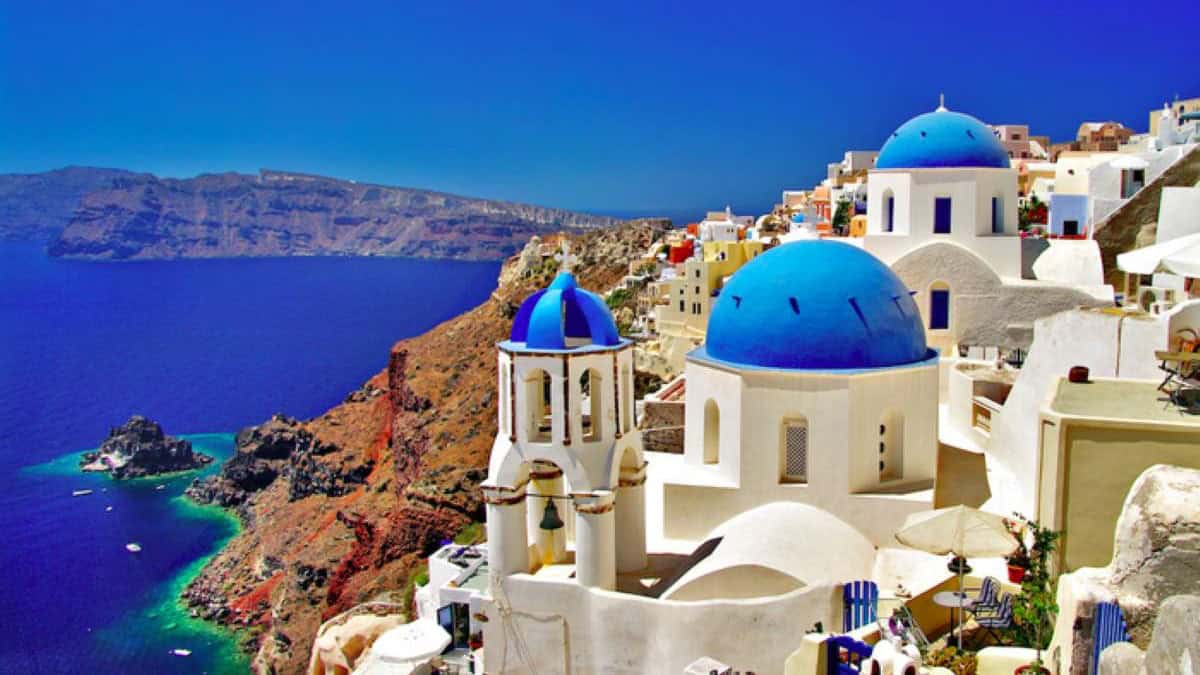
As Europe sees the second-biggest October tourism boom after Malta, four locations have emerged to lead the autumn sun race. With summer holidaymakers gradually fading out, tourists are flocking to warmer places where their beach, sea, and open-air activities remain viable even as autumn sets in. Cyprus is one destination that has gained attention after being ranked among the best four locations for warm October holidays in a recent European survey, featuring Ayia Napa, Limassol, Larnaca and Paphos. Meanwhile, Malta maintains its appeal by drawing large numbers of tourists. With Cyprus temperatures still at about 27°C in October, the island presents itself as an alternative to colder European regions. But that’s not the whole story. Changing tourism patterns, shoulder season needs, and quiet escape demands are remapping Europe’s autumn tourism market. Travel And Tour World finds out why Cyprus has started booming in the October sun race.
2026 Tourism Performance Across Key Warm European Island Markets
| Country / Island destination | 2026 period | Tourist arrivals | Change vs 2025 | Key market indicator |
|---|---|---|---|---|
| Cyprus | Jan–Aug | 2,820,649 | -7.0% | UK was the largest source market |
| Malta | Jan–Jul | 2,621,319 | +18.6% | Tourism expenditure reached €2.334bn |
| Spain – Canary Islands | Jan–Jul | 9,020,424 | -0.6% | Canary Islands remained one of Spain’s leading destinations |
Cyprus Emerges as Europe’s Hot October Escape as Four Destinations Take the Top Spots
As summer fades across much of Europe, one Mediterranean island is keeping its beaches, warm seas and outdoor life firmly in the spotlight. Cyprus has emerged as the leading island destination in a new ranking of European autumn breaks, with four of its destinations occupying the first four positions. Ayia Napa took the top spot, followed by Limassol, Larnaca and Paphos. The ranking, produced by British holiday company Solmar Villas, assessed 105 European destinations for October and November. It considered factors including temperatures, the likelihood of rainfall and air fares during the final two months of autumn.
Advertisement
Advertisement
The result gives Cyprus an unusual level of dominance. Rather than one resort appearing at the top while other destinations compete behind it, four locations on the same island fill the leading positions.
That matters because the four destinations offer distinctly different experiences. Ayia Napa is associated with beaches and resort life. Limassol combines the coast with an urban setting. Larnaca offers a more relaxed base, while Paphos brings beaches together with archaeological sites and a strong heritage identity.
Advertisement
Advertisement
The appeal is also closely linked to the weather. During October and November, temperatures across Cyprus can remain around 24°C to 29°C, according to reporting on the new ranking. Ayia Napa is also reported to record an average of only 2.3 days of rain a month between September and November.
For travellers looking beyond the traditional summer calendar, the island therefore presents a different proposition: a Mediterranean break when much of Europe has already begun its transition into cooler autumn conditions.
Advertisement
Advertisement
“Cyprus is showing how Mediterranean destinations can extend their tourism season beyond the traditional summer months. Warm October weather, coastal experiences and diverse destinations from Ayia Napa to Paphos create a compelling autumn proposition. The latest tourism data also highlights the growing importance of shoulder-season travel for European destinations.” – by Anup Kumar Keshan, Founder and Editor-in-Chief, Travel And Tour World.
Why Cyprus is attracting attention in October
The timing of the ranking is significant. European travellers have increasingly been looking at the shoulder season rather than concentrating their holidays in July and August. Autumn can offer warm weather without the intensity of peak summer, while popular destinations can become quieter once the busiest holiday period ends.
Cyprus is particularly well positioned for this shift because its Mediterranean climate extends the warm-weather season well beyond the height of summer.
The official Cyprus tourism authority describes the island as having long, dry summers extending from around mid-May to mid-October, followed by shorter transitional seasons. Its climate data records a mean daily maximum temperature of 27°C in October across the island, compared with 31°C in September and 22°C in November. That makes October an important middle ground.
It is not as reliably hot as August. But it can still feel distinctly summery, especially along the coast. The sea is another part of the equation. Official tourism information says sea temperatures remain above 22°C from June through November. Historical coastal data for Limassol records an October average sea temperature of about 23°C, while more recent climate reporting for the island places coastal October sea temperatures around 26°C to 27°C.
For beach travellers, that distinction is important. A destination can have pleasant daytime temperatures but still feel too cool for swimming. Cyprus generally avoids that problem in October.
Advertisement
Advertisement
Ayia Napa leads the autumn ranking
Ayia Napa’s first-place position gives the story its strongest beach-holiday angle. The resort is better known for its summer nightlife, but autumn changes its character. As the peak season ends, the atmosphere becomes quieter and more relaxed. That makes the destination relevant to a different type of traveller.
Instead of focusing only on nightlife, visitors can spend their days around the coast, enjoy the beaches, explore the surrounding countryside, or use the resort as a base for the southeastern part of the island.
The new Solmar Villas ranking puts Ayia Napa ahead of the other 104 destinations assessed for October and November, based on its methodology combining weather-related factors and air fares.
Weather is central to that result. A separate October assessment based on the Cyprus Department of Meteorology climate normals shows the southeast coast typically experiencing daytime highs of around 27°C to 28°C, with about 8–9 hours of sunshine a day. October rainfall remains relatively limited compared with the wetter months that follow.
There is, however, an important caveat. October is not identical from beginning to end. Early October is much closer to the summer experience. By the second half of the month, weather becomes less predictable and the chance of showers increases. Seasonal businesses also begin preparing for winter, particularly in resort areas. That means travellers looking for the fullest beach-resort experience may prefer the beginning of October.
Limassol brings city life into the equation
Limassol’s second-place position demonstrates that the appeal of an autumn trip to Cyprus goes beyond traditional beach resorts. The coastal city combines a Mediterranean waterfront with restaurants, shopping, cultural attractions and an urban atmosphere. It is therefore better suited to travellers who want a holiday that does not revolve entirely around the beach. October weather makes that combination particularly useful.
Advertisement
Advertisement
With coastal daytime temperatures around 27°C to 28°C in October, visitors can comfortably divide their days between outdoor sightseeing and time by the sea. The city also works well for travellers who want to explore further afield.
Cyprus is relatively compact, and major coastal destinations can be combined within a single trip. A visitor based in Limassol can use the city as a starting point for exploring villages, archaeological attractions and mountain landscapes. That flexibility becomes more valuable in October because the weather is generally more comfortable for walking and sightseeing than during the hottest part of summer.
The official tourism authority notes that Cyprus experiences very high summer temperatures, particularly inland. Autumn therefore creates a more balanced environment for travellers who want to see more of the island rather than spend every afternoon beside a swimming pool.
Larnaca offers a slower autumn break
Larnaca occupies third place in the new ranking, adding another type of holiday experience to Cyprus’s leading group. The city has a more relaxed feel than the major resort centres and works particularly well for travellers who want a coastal break without building their entire trip around nightlife.
Its location also makes it practical. Larnaca is home to Cyprus’s main international airport, making it a convenient arrival point for visitors. The city itself has a walkable centre, waterfront areas and beaches, while public transport and organised excursions can help travellers explore without necessarily hiring a car. October weather strengthens that proposition.
A separate 2026 Shoulder Season Index placed Larnaca third among southern European destinations assessed for an autumn break, behind Antalya and Tenerife. That index examined factors including sunshine, temperatures, rainfall, sea temperature and accommodation costs. The result is useful because it provides a second piece of evidence for the island’s autumn appeal, although the two studies should not be treated as identical. They use different methodologies and assess different destination groups.
Advertisement
Advertisement
The Quotezone index reported average temperatures of 25.5°C across September and October for Larnaca, together with an average sea temperature of 27°C and only 12mm of rainfall across the two-month assessment period. For travellers planning October holidays Europe-wide, this places Larnaca firmly in the warm-weather conversation.
Paphos adds history to the beach holiday
Paphos completes Cyprus’s remarkable top four. Its appeal is different again. The destination combines a coastal setting with major archaeological attractions. Visitors can move between the harbour, beaches and historic sites without needing to choose between a cultural holiday and a seaside escape.
October is particularly useful for this type of trip. Walking through archaeological areas under intense midsummer heat can be tiring. Cooler autumn conditions make long outdoor visits more comfortable, while the coast can remain warm enough for beach time.
Climate figures for Paphos indicate an average October daytime high of about 27°C, with roughly 8–9 hours of sunshine and an average sea temperature around 26°C to 27°C in recent climate reporting. The city also operates more consistently outside the summer season than some highly seasonal resorts.
That distinction matters for late-October travellers. Ayia Napa and other resort areas can become noticeably quieter as seasonal businesses begin closing or reducing their operating hours. Paphos, by contrast, retains year-round restaurants, attractions and services. For visitors who want the warmth of the Mediterranean without depending on a full summer entertainment programme, that can make a significant difference.
October weather is warm, but not guaranteed
The phrase “hot October destination” needs some context. Cyprus can be very warm in October, but travellers should not interpret the ranking as a promise of uninterrupted summer weather.
Advertisement
Advertisement
The island’s official climate information records an October mean daily maximum of 27°C and a mean daily minimum of 15°C. Those are long-term averages rather than forecasts for individual trips. Coastal conditions can also differ from inland and mountain areas.
Larnaca, Limassol, Paphos and Ayia Napa can remain warm, while temperatures drop significantly in the Troodos Mountains. A day that begins with beach weather can therefore end with cooler conditions if the itinerary moves into higher terrain. Rain also becomes more relevant as autumn progresses.
The Cyprus Department of Meteorology’s long-term figures show around one rainy day in October for coastal Limassol, compared with 3.6 days in November. The same dataset records approximately 8.9 hours of daily sunshine in coastal Limassol during October. In practical terms, October still provides a strong chance of outdoor weather, but travellers should pack for change rather than assume every day will be cloudless.
Leading Tourism Source Markets in 2026
| Destination | Leading source market | Share/volume | Other major markets |
|---|---|---|---|
| Cyprus | United Kingdom | 30.5% in Aug 2026 | Israel 23.3%, Poland 6.3%, Germany 4.4%, Sweden 3.0% |
| Malta | United Kingdom, Italy and Poland combined | 45.1% in Jul 2026 | Other European markets made up the remainder |
| Canary Islands, Spain | United Kingdom | 37% in Jul 2026 | Spain 16%, Germany 11% |
Why the shoulder season is becoming more attractive
The Cyprus ranking reflects a broader change in how travellers think about the European holiday calendar. A separate 2026 study reported that 48% of surveyed travellers would consider taking their main annual holiday in autumn rather than during peak summer. The research also found that 52% said they would actively avoid southern Europe during summer because of high temperatures.
The reasons extend beyond weather. Lower prices, fewer crowds and the possibility of last-minute deals can all make autumn appealing. The same study found that 26% of respondents were influenced by lower prices, while 21% cited avoiding crowds as their main reason for choosing an autumn holiday.
This creates an interesting shift. For decades, Mediterranean tourism has been heavily associated with peak summer. But extreme heat and rising travel costs are encouraging some holidaymakers to move their trips towards spring and autumn.
Advertisement
Advertisement
Cyprus is particularly suited to this change because its warm season lasts longer than the traditional summer school-holiday window.
What changes as October progresses?
Timing matters when planning a trip. Early October offers the closest experience to summer. Beaches remain active, water-based activities are easier to find, and seasonal businesses are generally still operating.
Later in the month, the island becomes quieter. That is not necessarily a disadvantage. Travellers interested in walking, archaeology, food, photography or relaxed coastal days may prefer the lower level of activity.
However, resort-based visitors should check opening dates before travelling. Seasonal hotels, restaurants, bars, boat operators and water-sports businesses can reduce services or close as winter approaches.
Airline schedules can also change after the peak summer season. Travellers should therefore check the specific flight route rather than assume that every summer connection will continue throughout October or into November.
There is also a small but practical calendar change at the end of October. Cyprus moves its clocks back by one hour on the final Sunday of October. In 2026, that falls on 25 October. The earlier sunset can affect sightseeing plans, particularly for visitors driving around the island or planning outdoor activities.
Advertisement
Advertisement
How the four destinations differ
The biggest strength of the ranking is that it does not point travellers towards only one style of holiday. Ayia Napa suits visitors who want beaches and a resort atmosphere, with the quieter autumn season changing its summer personality. Limassol works for travellers who want the coast combined with restaurants, shopping and city life. Larnaca offers a slower-paced coastal experience and practical transport connections. Paphos brings together beaches, heritage and archaeological attractions.
This variety helps explain why Cyprus can appeal to different groups at the same time. A couple looking for a relaxed seaside escape may approach the island differently from a traveller interested in ancient history. A family may value quieter beaches, while a city-break traveller may prefer Limassol or Larnaca. The island does not need to provide one universal holiday experience. It can provide several within a relatively small geographic area.
Cyprus versus other warm European options
Cyprus is not the only place offering sunshine in October. The Canary Islands remain a major choice for travellers seeking warm European weather. Malta, Crete and parts of southern Turkey also compete for autumn visitors.
Indeed, the separate 2026 Shoulder Season Index placed Antalya first, Tenerife second and Larnaca third among the southern European destinations it assessed.
That comparison is important.
It shows that “best destination” depends heavily on what a particular ranking measures. The Solmar Villas study assessed 105 European destinations and placed Ayia Napa first, while the Quotezone index used a different group and methodology and produced a different ordering. Therefore, Cyprus’s significance is not that every travel study has reached the same conclusion.
Instead, two separate 2026 pieces of research point towards the island’s strong shoulder-season performance, particularly for warm-weather travel. That is the more useful trend for travellers.
Advertisement
Advertisement
A different kind of Mediterranean holiday
The real attraction of October in Cyprus is the balance. Visitors can still find warm coastal weather and relatively warm seas. At the same time, the island begins to move away from the intense rhythm of peak summer.
The result is a holiday that can combine beach time with sightseeing, food, history and outdoor exploration. For some travellers, that may be more appealing than the traditional August experience.
There is also less pressure to organise the entire day around escaping the heat. A morning archaeological visit, an afternoon swim and an evening meal by the waterfront become more realistic when temperatures are warm but not consistently extreme. That makes the season particularly interesting for travellers who want to experience more than the beach.
The bigger tourism story
Cyprus’s four-place sweep in the new ranking is more than a flattering statistic for the island. It reflects a wider change in European tourism.
The traditional summer season is no longer the only period being considered for Mediterranean holidays. Warmer autumn weather, changing attitudes towards extreme heat and the search for quieter travel periods are helping extend the season. Cyprus has several advantages in that environment.
Its coastal destinations retain warm conditions into October. Its sea temperatures remain comfortable. Its cities operate beyond the summer season. And its relatively compact geography allows visitors to combine beaches, history, food and nature within one trip. The new ranking therefore places Cyprus at the centre of an increasingly important autumn travel conversation.
Advertisement
Advertisement
For anyone searching for a warm Mediterranean escape after the peak summer rush, the island offers several distinct ways to experience the season. Ayia Napa brings the beach-resort appeal, Limassol adds urban energy, Larnaca provides a more relaxed coastal base, and Paphos combines seaside travel with history. The weather remains the key draw, but it is not the whole story.
October gives Cyprus room to breathe. The beaches become quieter. The heat becomes easier to manage. Outdoor exploration becomes more comfortable. And the island’s different destinations begin to reveal personalities that can be harder to notice during the intensity of the summer season. That combination explains why Cyprus is attracting renewed attention as Europe heads into autumn — and why the Mediterranean holiday season may no longer end when August does.
Advertisement
