
Canada’s Toronto Tourism Surges After FIFA as Focus Turns to Businesses Beyond the Stadiums

Published
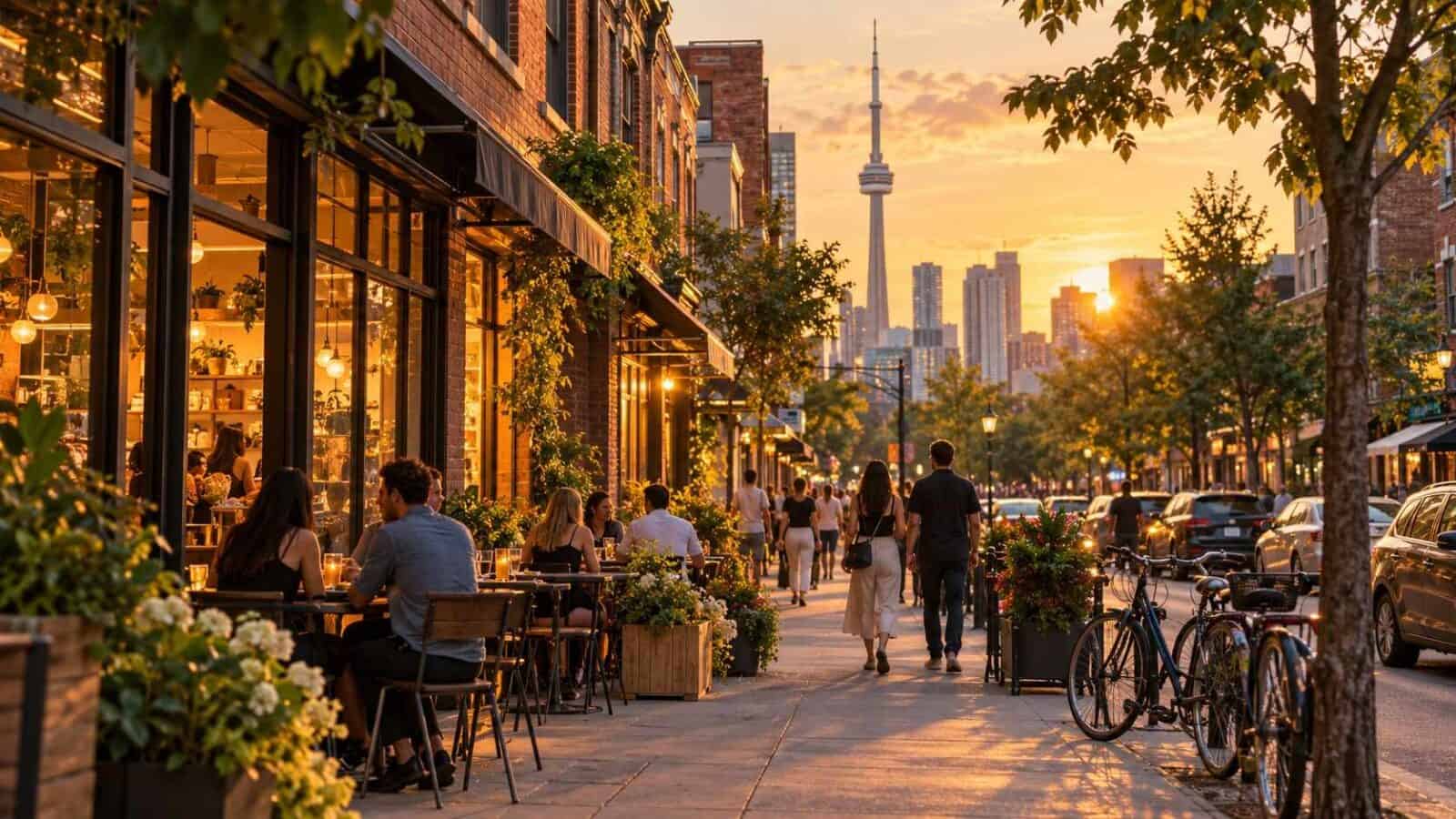
Toronto’s summer of football has left Canada’s largest city with a business question: how widely did visitor spending reach beyond the stadiums? Toronto tourism benefited from international attention during the 2026 FIFA World Cup, while neighbourhood organisations created events to bring supporters onto local streets. Official research confirms that tournament visitors spent money and explored beyond match venues. However, published citywide figures do not establish which independent businesses gained most. As Toronto develops its event legacy, the sharper story concerns restaurants, shops, cultural organisations and tour operators seeking a lasting share of the visitor economy after the crowds have departed.
Toronto tourism faces a neighbourhood test
A successful tournament and a successful summer for every business are different measures.
Advertisement
Advertisement
Toronto’s official reporting documents large crowds and visitor expenditure. It does not provide a complete neighbourhood breakdown showing whether additional customers reached independent businesses across the city.
That distinction matters when assessing visitor spending. A busy stadium establishes attendance; receipts, bookings and repeat customers establish business results.
Advertisement
Advertisement
The question is therefore how effectively Toronto connected its global sporting event with the smaller enterprises that give visitors reasons to explore.
Local streets were part of the hosting strategy
Neighbourhood participation was planned before the tournament began.
Advertisement
Advertisement
In its May 21 announcement, the Toronto Association of Business Improvement Areas, or TABIA, said 39 of Toronto’s 86 business improvement areas were planning football programmes and community activities beyond the immediate stadium and fan zones.
These organisations represent commercial districts and help coordinate local improvements and promotion. Their involvement created a practical connection between the tournament and neighbourhood businesses.
Advertisement
Advertisement
TABIA’s official announcement described Liberty Village’s Liberty Kicks, community art workshops in CityPlace and Fort York, and a waterfront market along the route from Union Station towards matches.
Such activities gave visitors opportunities to stop, eat and browse between scheduled events. Their existence, however, should not be mistaken for verified increases in business turnover. TABIA
Community funding spread the programme
The City of Toronto’s Community Celebration Support Fund provides another indication of how hosting extended into local areas.
With support from the Toronto Arts Council, the city invested C$1.7 million in community celebrations during summer 2026. Its published recipient list includes cultural organisations, neighbourhood groups and business improvement areas.
Advertisement
Advertisement
| Organisation or district | Supported project |
|---|---|
| Broadview Danforth BIA | The World Within Our Neighbourhood |
| Canadian Reggae Music Association | Multicultural Day in Little Jamaica |
| Danforth Mosaic BIA | Toronto East Welcomes the World |
| Evergreen | Football watch parties at Evergreen Brick Works |
The city’s official legacy programme places neighbourhood festivals alongside cultural activities, support for diverse businesses and inclusive workforce development.
These are documented investments and commitments. They do not establish how much additional revenue each participating district generated. City of Toronto
Visitor research shows time to explore
Research released by Destination Ontario on September 2 offers evidence that tournament trips extended beyond brief stadium visits.
Surveyed overnight visitors stayed nearly seven nights on average and spent C$1,033 per person during their Ontario visit, excluding flights and match tickets. One in four travelled elsewhere in the province.
The study was commissioned with Destination Toronto and conducted by Context Research Group at tournament activations between June 11 and July 19.
These findings suggest opportunities for meals, attractions and excursions between matches. They should not be presented as the average behaviour of every person who visited Toronto that summer.
Advertisement
Advertisement
The survey also found that 92 per cent intended to return to Ontario for leisure within two years. That is an encouraging measure of sentiment, rather than confirmed future bookings. Destination Ontario
Movement matters to smaller businesses
Transport helped shape where visitors could go.
Toronto’s July 20 tournament assessment reported pedestrian activity around the stadium between 70 and 160 per cent above baseline, depending on the match. Cycling activity was also higher.
The city said traffic conditions across Toronto generally remained consistent with conditions before the tournament, although journeys immediately around the stadium took longer before and after games.
For tourism businesses, the implication is straightforward: routes between transport hubs, venues and commercial streets deserve attention. More people passing a shop creates an opportunity, but does not prove that more people bought something. City of Toronto
Airports supplied access, businesses needed customers
Toronto Pearson prepared for the tournament through coordinated airport planning and passenger information.
Advertisement
Advertisement
Its June 4 announcement highlighted direct flights to 15 of the 16 host cities, supporting journeys across the competition’s North American network.
For airlines and airports, those connections provided access. For hotels, guides and neighbourhood operators, the separate challenge was converting an arrival into a longer itinerary.
Airport passenger movements cannot be treated as Toronto tourist arrivals: they also include departing passengers, residents and connecting travellers. No neighbourhood revenue estimate should be calculated from those totals alone. Pearson Airport
The economic legacy needs business evidence
The most useful follow-up would compare participating businesses with their own previous performance.
Restaurant transactions, paid tour bookings, attraction admissions and accommodation nights would reveal more than crowd photographs. Businesses would also need to account for staffing, supplies and event participation costs before describing higher sales as higher profits.
The official sources reviewed do not establish neighbourhood-level employment gains, additional foreign investment or net profits attributable to the tournament.
Advertisement
Advertisement
Toronto’s published legacy commitments support community participation and workforce opportunities. Measuring their commercial results would give future event organisers a clearer basis for deciding where support works best.
Three questions for travellers
Can visitors still attend the tournament’s neighbourhood celebrations?
The listed celebrations took place during summer 2026. Travellers should check current schedules rather than assume those programmes continue.
Did the tournament introduce new entry rules for Canada?
The local tourism announcements reviewed do not establish a new visa entitlement. Travellers must check current federal requirements for their nationality.
How can a visit support neighbourhood businesses?
Include independent dining, shopping or a locally operated experience in the itinerary. Confirm opening hours, accessibility and booking conditions directly.
Beyond the final whistle
Toronto’s next tourism chapter will be judged partly by what happens on its commercial streets. Official programmes brought football celebrations into neighbourhoods, while visitor research demonstrated spending, longer stays and wider exploration. The missing detail is how those opportunities translated into sustained business results. For independent operators, lasting value means customers who book experiences, buy locally and return after the tournament. For public agencies, it means measuring benefits beyond attendance totals. Toronto has published commitments to community participation and inclusive growth. Demonstrating who gained, where spending travelled and what endured would make that legacy clearer for residents and future visitorsURL slug: toronto-fifa-neighbourhood-businesses
Official Sources
- City of Toronto: Legacy initiatives and programmes
- Destination Ontario: World Cup visitor research
- Toronto Pearson: Tournament preparations, June 4, 2026
Advertisement
