
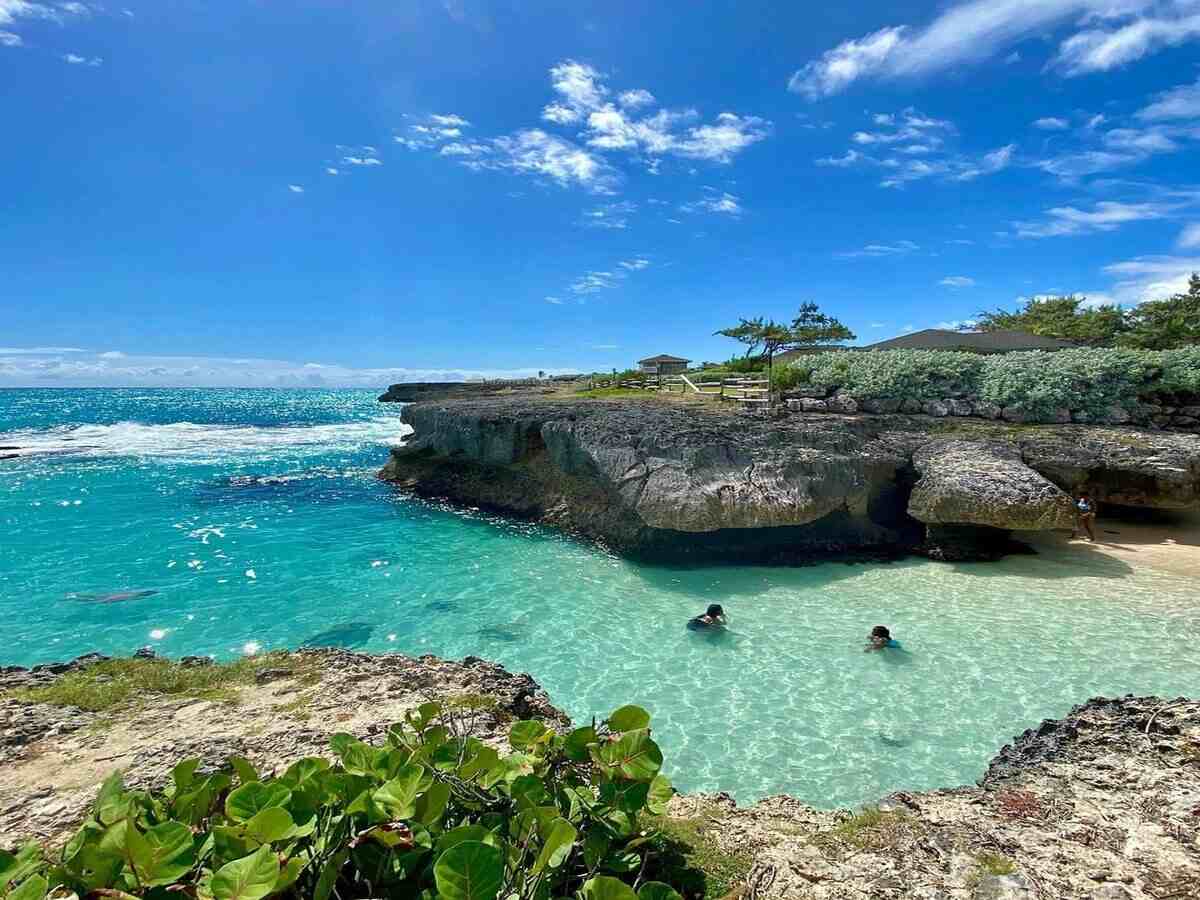
Image generated with Ai
Fuel prices fall for Barbados, Saint Lucia and two other Caribbean nations owing to reduced oil prices. It has been reported that the world’s energy market is once again facing times of uncertainty with prices of Brent crude falling to just above $96 per barrel. This has come due to escalating tensions between Iran and the US, which have raised the fear of interruptions in shipping through the vital strait of Hormuz.
However, several Caribbean destinations are finding temporary relief as government interventions, fuel support programmes and regulated pricing systems help reduce the impact of global oil volatility. Barbados, Saint Lucia, Dominica and the Bahamas have managed to limit fuel pressure, allowing their tourism industries to maintain greater stability during a challenging global energy environment.
Advertisement
For tourism-dependent islands, stable fuel prices are important because transportation, aviation connections, cruise operations, hotels and visitor activities all depend on affordable energy.
The Caribbean remains one of the regions most exposed to oil price movements because many countries import almost all of their fuel requirements. Rising crude prices can quickly affect local businesses and travellers through higher transportation costs.
Advertisement
Despite this vulnerability, four major Caribbean destinations have benefited from fuel price relief measures.Caribbean Country Fuel Price Relief Percentage Change Main Reason For Relief Tourism Benefit Barbados Fuel prices declined -4.6% Government fuel relief measures and pricing support Lower transport costs for hotels, taxis and excursions Dominica Fuel prices declined -4.5% Regulated fuel pricing system Supports eco-tourism transport and visitor mobility Saint Lucia Fuel prices declined -3% Government price support measures Protects tourism operators from sudden cost increases Bahamas Almost unchanged Around -0.5% Price controls and market adjustments Maintains stability for resorts, cruise tourism and marine travel
Barbados has emerged as one of the Caribbean countries receiving the strongest protection from the recent oil market instability. Fuel prices declined by approximately 4.6%, providing relief to consumers and businesses.
The island government’s fuel management measures helped reduce pressure from international oil fluctuations. These steps created a more stable environment for businesses that rely on fuel, particularly tourism operators.
Tourism is one of Barbados’ most important economic sectors, and lower fuel costs provide support across the visitor economy.
Advertisement
Advertisement
The benefits include:
Barbados attracts visitors through luxury resorts, beaches, cultural attractions and cruise tourism. Keeping transportation costs stable helps the island maintain its competitiveness among Caribbean holiday destinations.
Saint Lucia recorded a fuel price decline of around 3%, supported by government measures designed to reduce the impact of global oil movements.
The island has focused on maintaining fuel affordability through pricing support mechanisms, helping households and businesses avoid sudden increases.
Saint Lucia’s tourism industry depends heavily on transportation because visitors frequently travel between:
Fuel stability helps tourism businesses maintain predictable operating costs.
Hotels, tour companies and transportation providers benefit from reduced uncertainty, allowing them to continue offering competitive packages for international travellers.
The relief also supports Saint Lucia’s cruise tourism sector, where visitors depend on local transportation for excursions and sightseeing experiences.
Dominica experienced one of the largest fuel reductions among the Caribbean destinations, with prices declining approximately 4.5%.
The country’s regulated fuel pricing structure helped prevent global oil volatility from immediately creating stronger pressure on consumers.
Dominica has positioned itself as a leading nature tourism destination, attracting visitors through:
Many of these attractions require transportation across the island.
Lower fuel costs help:
For an island promoting sustainable tourism, keeping transportation costs manageable is essential for maintaining visitor confidence.
The Bahamas recorded the smallest movement among the four countries, with fuel prices remaining almost unchanged at around -0.5%.
Although the decline was limited, price management policies helped the country avoid a sharp increase during a period of global energy uncertainty.
The Bahamas is one of the Caribbean’s strongest tourism economies, supported by:
Fuel stability provides important support because tourism businesses depend heavily on energy.
Cruise operators require fuel for ships, resorts need energy for daily operations, and visitors depend on transportation between islands.
By preventing major fuel increases, the Bahamas has created a more stable environment for tourism spending.
The decline in local fuel prices comes at an important time because global oil uncertainty creates multiple challenges for travel markets.
Higher crude prices can increase aviation fuel expenses, affecting airlines operating routes to Caribbean destinations.
Potential impacts include:
Caribbean destinations rely heavily on international flights from North America and Europe, making aviation costs a key factor in tourism growth.
The Caribbean remains one of the world’s largest cruise regions. Higher marine fuel prices can influence cruise companies through:
Stable local fuel markets help Caribbean ports and excursion providers remain attractive to cruise passengers.
Accommodation businesses are among the largest energy users in island economies.
Fuel relief helps hotels manage costs related to:
Lower energy pressure allows tourism businesses to focus more on improving visitor experiences.
Although Barbados, Saint Lucia, Dominica and the Bahamas are currently experiencing fuel relief, the Caribbean region remains vulnerable to prolonged oil price increases.
A sustained Brent crude price near the $95–$100 range could create renewed pressure on governments and tourism businesses.
Many Caribbean economies have limited domestic energy resources and depend on international fuel markets. If geopolitical tensions continue, governments may face difficult decisions between maintaining subsidies and protecting public finances.
The current decline or stability in fuel prices has provided important breathing space for Caribbean tourism.
Barbados, Saint Lucia, Dominica and the Bahamas have demonstrated how government support measures can reduce the immediate impact of global energy shocks.
For travellers, the benefit is greater price stability. For tourism businesses, it means lower operating pressure. For Caribbean economies, it creates valuable time to prepare for future energy challenges.
Fuel breaks come for Barbados, Saint Lucia, and two other Caribbean countries, as prices of oil fall.
These islands are using their fuel breaks to keep up their competitive edge in the tourism industry. As the world is watching the Middle East with regard to global oil prices, these islands have taken up such measures to protect their position as leading vacation spots.
Advertisement
Tags: barbados tourism, caribbean tourism, Caribbean tourism recovery, Oil price decline, Saint Lucia travel
Advertisement
Advertisement













Friday, September 4, 2026

Friday, September 4, 2026

Friday, September 4, 2026

Thursday, September 3, 2026

Wednesday, September 2, 2026

Friday, September 4, 2026

Friday, September 4, 2026