
Japan Aligns Hong Kong and South Korea by Acquiring Visa-free Access Effective in Generating Tremendously Huge Traveller Numbers to Taiwan in September in 2026

Published
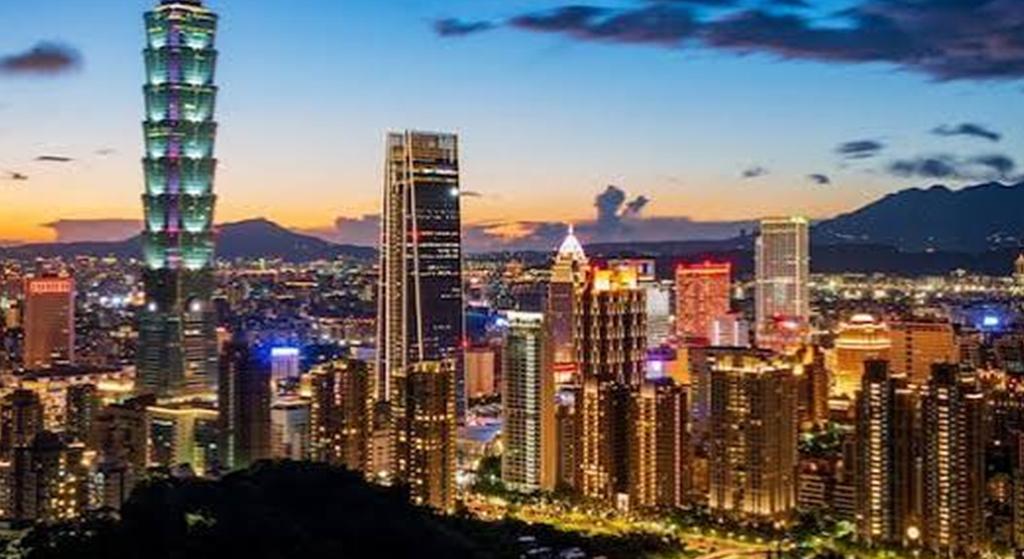
Official tourism figures released by the Taiwan Tourism Administration highlight an extraordinary surge in visitor arrivals, driven significantly by Japan visa-free access to Taiwan. As regional travel dynamics shift across Northeast Asia, travellers from Japan, Hong Kong, and South Korea are flocking to Taiwan in unprecedented numbers. This vital policy alignment has transformed regional tourism economics, boosting hospitality revenues and fostering deeper cross-border cooperation. Government agencies note that streamlined entry protocols are paramount for sustaining economic growth, enhancing public diplomacy, and cementing Taiwan’s status as a premier, highly competitive global travel destination for international visitors seeking unforgettable cultural heritage experiences.
Historical Context and the Evolution of Regional Visa-Free Travel Frameworks
Advertisement
Advertisement
The architecture of international mobility across East Asia has undergone a remarkable transformation over the past decade. Historically, entry protocols between Taiwan and its key Northeast Asian neighbours—specifically Japan, South Korea, and Hong Kong—relied heavily on traditional visa application procedures, consular verifications, and stringent pre-travel approvals. However, as global tourism economics rebounded strongly following pandemic-era disruptions, public institutions recognised that cumbersome administrative bottlenecks presented significant friction to cross-border movement.
The Bureau of Consular Affairs (BOCA) under the Ministry of Foreign Affairs (MOFA), in close coordination with the National Immigration Agency (NIA), initiated a series of progressive policy reforms. These reforms aimed to reciprocate goodwill, bolster regional integration, and stimulate high-yield tourism. By easing entry restrictions and granting reciprocal visa-exempt privileges, Taiwan positioned itself as an accessible, welcoming hub. The historical trajectory of these policy adjustments demonstrates a calculated governmental shift toward open-border diplomacy and streamlined trade facilitation.
Advertisement
Advertisement
Official Government Announcements and Policy Alignment in 2026
As of October 2026, official government announcements from the Executive Yuan and the Ministry of Transport and Communications (MOTC) have cemented a unified immigration stance. Japan visa-free access to Taiwan has been fully harmonised with existing visa-waiver frameworks enjoyed by citizens of South Korea and special administrative travellers from Hong Kong.
Advertisement
Advertisement
According to official gazettes published by the Taiwan Tourism Administration, this strategic alignment is designed to create a frictionless travel corridor across Northeast Asia. National authorities have updated digital arrival card systems and expanded automated immigration clearance channels (e-Gates) to accommodate the massive influx of holidaymakers and business professionals. Government briefings emphasise that these policy updates are rooted in rigorous data analytics, ensuring that national security remains uncompromised while visitor facilitation is maximised.
Statistical Breakdown of Visitor Arrivals in September 2026
Empirical datasets released by official statistical offices provide compelling evidence of the success of these immigration policies. Throughout September 2026, inbound tourism metrics shattered previous quarterly benchmarks. Taiwan visitor arrivals surged dramatically, with Northeast Asian markets accounting for a dominant share of total foreign entries.
- Japanese Inflows: Japanese nationals visiting Taiwan recorded a massive year-on-year increase, propelled directly by simplified entry conditions and aggressive promotional campaigns by the Taiwan Tourism Administration in Tokyo and Osaka.
- South Korean Contributions: South Korean arrivals maintained exceptionally high volumes, building upon robust bilateral exchanges and expanded low-cost carrier connectivity between Seoul, Busan, and Taiwanese airports.
- Hong Kong and Macao Participation: Overseas Chinese visitors from Hong Kong continued to represent a cornerstone of regional tourism, demonstrating high repeat-visit rates and substantial per-capita spending during extended weekend getaways.
Comprehensive monthly statistical analyses indicate that average lengths of stay for travellers from these three key territories hovered between four and seven nights, reflecting deep engagement with local cultural sites, culinary districts, and regional heritage centres.
Economic Implications and Hospitality Sector Growth
The macroeconomic ramifications of this tourist surge are profound. Official reports from economic planning agencies indicate that the hospitality and service sectors experienced unprecedented revenue expansion throughout September 2026.
Advertisement
Advertisement
Hotel occupancy rates in prime metropolitan hubs such as Taipei, Taichung, Kaohsiung, and Tainan surged past pre-pandemic averages, driven by high-spending travellers utilising Japan visa-free access to Taiwan. Average Daily Rates (ADR) and Revenue per Available Room (RevPAR) climbed steadily across four-star and five-star accommodation portfolios, providing much-needed financial buoyancy to domestic hoteliers.
Furthermore, retail commerce, night market economies, and public transport networks recorded substantial fiscal gains. Duty-free shopping complexes, boutique retail outlets, and traditional dining establishments reported double-digit revenue growths, directly attributed to the frictionless arrival of high-volume international tourists.
Aviation Industry Expansion and Infrastructure Readiness
Meeting the logistical demands of this exponential growth required swift operational scaling across Taiwan’s aviation and transport infrastructure. The Civil Aeronautics Administration (CAA) reported heightened flight frequencies and high passenger load factors across major regional carriers.
- Taoyuan International Airport: Handled the vast majority of incoming wide-body and narrow-body aircraft from Tokyo Haneda, Narita, Osaka Kansai, Seoul Incheon, and Hong Kong International Airport.
- Kaohsiung and Taichung Hubs: Experienced substantial increases in direct international charters and scheduled flights, dispersing economic benefits beyond the capital region.
Airport authorities deployed advanced biometric screening technologies and streamlined customs processing lanes to ensure that passenger transit times remained minimal. Ground handling agents, baggage logistics teams, and border control officers worked in coordinated shifts to maintain optimal operational efficiency during peak arrival windows.
Public Impact, Cultural Diplomacy, and Bilateral Relations
Advertisement
Advertisement
Beyond sheer economic metrics, the harmonisation of entry protocols has generated profound intangible benefits in public diplomacy and cross-cultural understanding. People-to-people exchanges between citizens of Japan, South Korea, Hong Kong, and Taiwan have reached historic highs.
Cultural institutions, museums, and national parks report record-breaking attendance figures from international guests. Educational exchanges, youth tourism programmes, and bilateral business ventures have flourished under the umbrella of simplified travel frameworks. Official statements from municipal governments across Taiwan highlight how these grassroots interactions foster enduring goodwill and mutual respect, strengthening regional resilience in an interconnected global landscape.
Challenges, Regulatory Adaptations, and Sustainable Tourism Strategies
Despite the overwhelming economic success, public institutions remain cognizant of the logistical and environmental challenges associated with high-volume tourism. Managing visitor density in delicate heritage zones and popular scenic spots has necessitated proactive regulatory adaptations.
The Taiwan Tourism Administration, in partnership with local county governments, rolled out sustainable tourism guidelines throughout 2026. These initiatives encourage dispersion travel, directing visitors away from saturated urban centers toward lesser-known rural townships, coastal reserves, and indigenous cultural villages. Environmental monitoring frameworks ensure that waste management, public transit capacity, and ecological preservation standards are rigorously upheld, safeguarding Taiwan’s natural beauty for future generations.
Future Outlook: Sustaining Momentum Across Northeast Asian Markets
Advertisement
Advertisement
Looking ahead toward 2027 and beyond, government planners and industry leaders project sustained growth in inbound tourism. The institutionalisation of Japan visa-free access to Taiwan, alongside established frameworks for South Korea and Hong Kong, establishes a permanent structural advantage for Taiwan’s tourism economy.
Recommendations from international bodies such as UN Tourism and the OECD emphasize that Taiwan’s progressive visa policies serve as a benchmark for regional travel facilitation. As public agencies continue to invest in smart tourism infrastructure, digital concierge services, and multilingual hospitality training, the long-term outlook remains exceptionally positive. Taiwan is firmly positioned to capture an ever-expanding share of the global travel market, ensuring enduring prosperity, robust economic stability, and vibrant cultural exchange across the Asia-Pacific region.
Advertisement
