
Cambodia Connects Global Tourism With Techo International Airport

Updated
Published
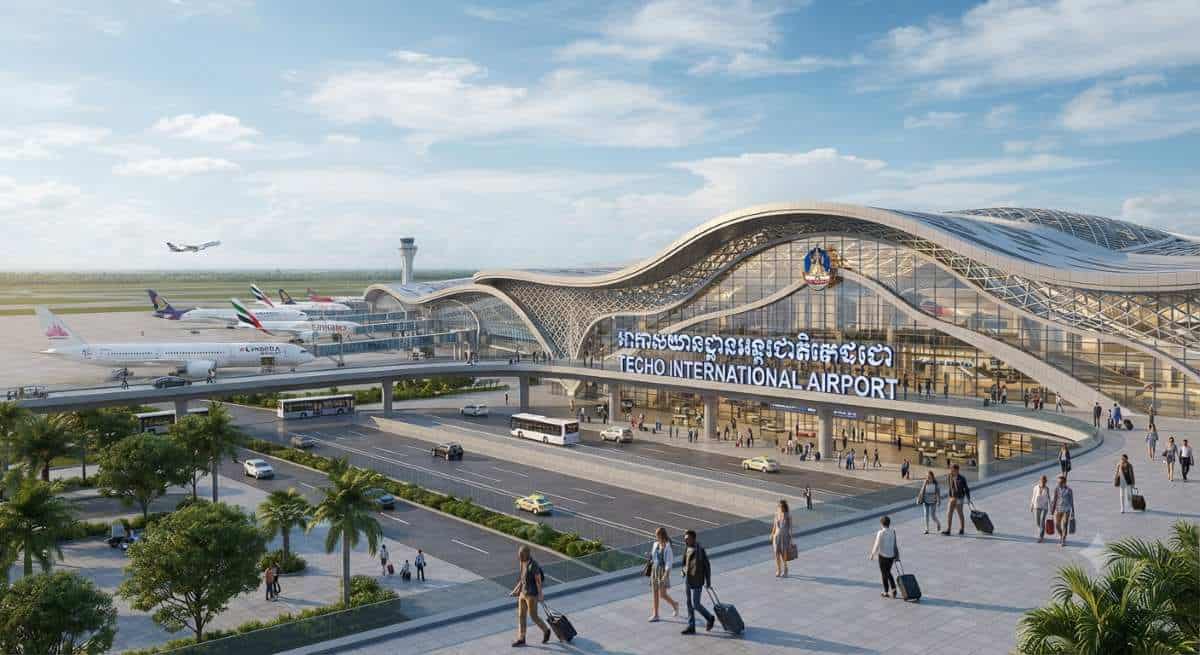
Image generated with Ai
The aviation landscape across Southeast Asia is currently being transformed through substantial capital investments in modern transport infrastructure. Techo International Airport has been positioned to serve as a vital catalyst for international tourism connectivity within Cambodia.
Situated south of the capital city, this state-of-the-art facility is engineered to replace legacy aviation hubs and accommodate millions of global visitors annually. Government representatives, including Minister of Tourism Huot Hak, have stated that the establishment of this aviation center is essential for positioning the nation as a secure, welcoming, and attractive destination.
Advertisement
Advertisement
This initiative aligns directly with national objectives aimed at modernizing transport networks and stimulating economic growth through increased foreign arrivals.
Impact on Travellers
Passenger experiences within the newly established aviation hub are defined by advanced technological integration and refined service delivery.
Advertisement
Advertisement
- Modern smart gates have been deployed to expedite passenger flow.
- Efficient immigration processing facilities minimize procedural bottlenecks.
- Streamlined reception procedures are utilized to reduce overall waiting times.
- Expanded flight routes connect the Kingdom more directly with primary global regions.
- Pre-arrival customs clearance protocols optimize logistics and enhance travel convenience.
Industry Insights
Regional competitiveness is significantly elevated through the inauguration of a Code 4F international airport. Aviation and tourism experts have observed that large-scale infrastructure investments are critical for emerging markets aiming to secure prominent positions in global tourism.
Advertisement
Advertisement
- Enhanced capacity allows destinations to manage high volumes of visitor traffic effectively.
- State-of-the-art facilities attract prestigious international air carriers.
- Public and private stakeholders collaborate to elevate hospitality standards.
- Retail offerings and ground transport networks are aligned with modern terminal architecture.
Practical Information for Visitors
Navigating the new aviation facility is facilitated by comprehensive digital tools and well-organized on-site resources.
- Clear multilingual signage guides passengers through all terminal zones.
- Dedicated assistance desks are staffed to support international visitors.
- Rapid transport links connect the terminal directly to urban centers and cultural sites.
- Travelers are encouraged to review updated flight schedules prior to departure.
- Modern digital clearance options are recommended to leverage expedited processing services upon arrival.
Comparison with Previous Policies or Developments
Substantial operational improvements distinguish the current aviation infrastructure from older transport facilities in the country.
- Legacy hubs frequently suffered from severe runway congestion.
- Previous terminals exhibited restricted passenger-handling capacities that hindered tourism growth.
- Older facilities relied on manual processing methods prone to peak-season delays.
- The new development incorporates cutting-edge technology and multi-runway capabilities.
- Superior architectural design supports sustainable visitor growth over coming decades.
Advertisement
Advertisement
Advertisement
