
Sweden Links With Netherlands And More European Countries As Canada Delivers New Travel Advisory On Security Threats, Tourist Safety And Passport Protection

Published
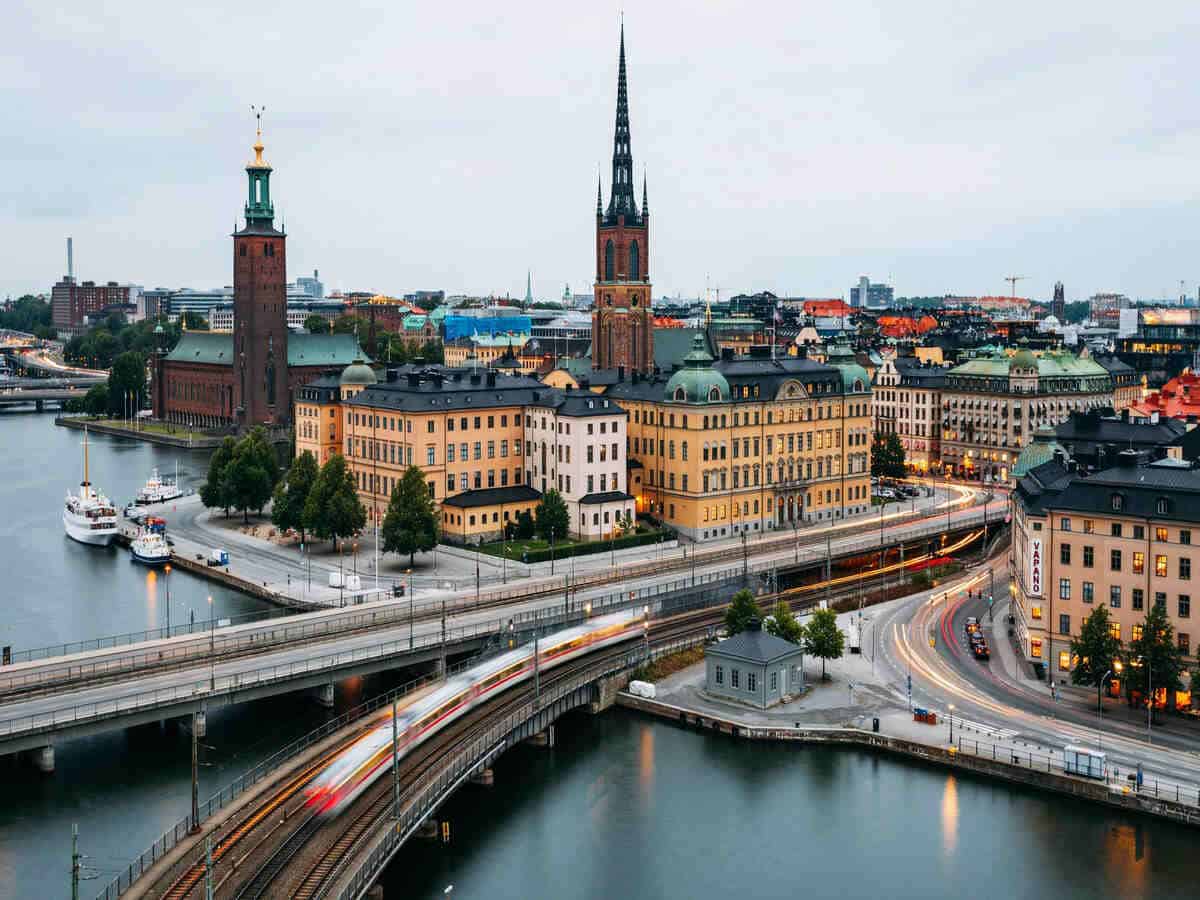
Image generated with Ai
Travelers to Sweden, Italy and Netherlands from Canada have been issued an alert about security, criminal activities and passports. The Canadian government has released a travel alert to travelers who are planning to visit Sweden, Italy and the Netherlands, which are popular tourist destinations in Europe. The alert has warned travelers about high levels of caution due to the threat of terrorism, petty crimes, passport theft, cybercrime, fraud and changing immigration policies.
The warning does not prevent travel but urges visitors to remain highly aware of their surroundings and take preventive measures while exploring popular European destinations. From Sweden’s Arctic landscapes and cultural attractions to Italy’s historic cities and the Netherlands famous tourist hubs, Canadian travellers are advised to prepare carefully before departure.
Advertisement
Advertisement
The advisory focuses on several key areas affecting international tourists:
| Country | Advisory Level | Main Safety Concerns |
|---|---|---|
| Sweden | Exercise a high degree of caution | Terrorism threat, petty crime, gang-related violence, Arctic tourism risks |
| Italy | Exercise a high degree of caution | Terrorism threat, pickpocketing, fraud, cybercrime, demonstrations |
| Netherlands | Exercise a high degree of caution | Terrorism threat, tourist theft, cybercrime, demonstrations |
Sweden Travel Advisory: Terrorism Concerns And Tourist Safety Risks Put Visitors On Alert
Sweden remains a popular destination for international travellers, offering historic cities, scenic landscapes and unique Arctic tourism experiences. However, Canada’s latest advisory highlights several security concerns that visitors should understand before travelling.
Advertisement
Advertisement
The country remains under a high degree of caution because of the threat of terrorism. Canada warns that terrorist attacks remain possible in Europe, and travellers should stay alert in public places.
Advertisement
Advertisement
Potential targets may include:
- Government buildings
- Schools and universities
- Places of worship
- Airports
- Transportation networks
- Tourist attractions
- Restaurants
- Bars
- Hotels
- Shopping centres
- Public areas visited by foreigners
Travellers are advised to maintain awareness of their surroundings, especially during major events and crowded occasions.
Extra vigilance is recommended during:
- Sporting events
- Religious holidays
- Political events
- Demonstrations
- Public celebrations
Terrorist groups may attempt to use large gatherings to carry out attacks, making awareness and caution essential for visitors.
Sweden maintains a public terrorism alert system. The Swedish Security Service (SAPO) threat level is listed as level 3, described as an “elevated threat” on a five-step scale. Changes to the threat level are communicated through official channels and local media.
Advertisement
Advertisement
Sweden Faces Petty Crime And Gang Violence Challenges In Major Cities
While Sweden is generally considered a safe destination, Canada warns travellers about petty crime such as pick-pocketing and purse snatching.
Criminals may work alone or in groups and often use distraction techniques to steal valuables.
Tourists should be particularly careful in crowded locations, including:
- Airports
- Train stations
- Public transport hubs
- Hotel lobbies
- Music festivals
- Concert venues
- Restaurants
- Outdoor cafés
- Tourist attractions
Visitors should keep passports, travel documents and personal belongings secured at all times.
Canada also highlights concerns about gang and organised crime-related violence, mainly affecting Sweden’s three largest cities:
Advertisement
Advertisement
- Stockholm
- Gothenburg
- Malmö
Stockholm County has experienced an increase in gun violence and homicides linked to gang rivalries. Some criminal incidents have involved bombs, hand grenades and improvised explosive devices.
Although these incidents have generally not targeted tourists, travellers are warned that violence can occur in public areas, including restaurants and entertainment venues.
Visitors should:
- Stay aware of their surroundings
- Avoid suspicious areas
- Never touch unattended packages or suspicious objects
- Follow instructions from local authorities
Sweden Arctic Tourism Warning: Remote Adventures Require Careful Preparation
Sweden attracts adventure travellers looking for Arctic experiences, hiking, trekking and remote natural landscapes. However, Canada warns that adventure tourism can create serious safety risks if activities are not properly planned.
Weather conditions can change quickly, even during summer. During winter, heavy snowfall can make roads difficult to access and create dangerous conditions.
Advertisement
Advertisement
Potential risks include:
- Difficult travel in remote areas
- Impassable roads
- Avalanche danger
- Severe weather conditions
Travellers planning Arctic adventures should:
- Never travel alone
- Purchase insurance covering helicopter rescue and medical evacuation
- Ensure they have suitable physical fitness
- Stay on marked trails
- Carry proper equipment
- Check weather conditions
- Inform family or friends about travel plans
- Obtain detailed information before beginning activities
Italy Travel Advisory: Popular Tourist Destination Faces Crime And Terror Risks
Italy remains one of the world’s most visited countries, attracting travellers with historic landmarks, cultural attractions, beaches and famous cities. However, Canada advises visitors to exercise a high degree of caution due to terrorism threats and crime risks.
Canada warns that terrorist attacks cannot be ruled out in Italy or elsewhere in Europe.
Possible targets include:
Advertisement
Advertisement
- Government buildings
- Schools
- Places of worship
- Airports
- Transport networks
- Tourist attractions
- Restaurants
- Bars
- Coffee shops
- Shopping centres
- Hotels
Travellers should remain alert in public areas, especially during:
- Sporting events
- Religious holidays
- Public celebrations
- Large gatherings
Italy maintains a public terrorism alert system, and authorities communicate changes through local media. Visitors may notice increased police and security presence at tourist locations and transport hubs, especially during holidays.
Italy Tourist Hotspots Face Pick-pocketing, Bag Theft And Vehicle Crime
Canada highlights petty crime as one of the main risks affecting travellers in Italy.
Pick-pocketing and bag snatching frequently occur, particularly in busy tourist areas.
Common locations include:
Advertisement
Advertisement
- Popular attractions
- Historical sites
- Buses
- Trains
- Railway stations
- Airports
- Hotel lobbies
- Restaurants
- Beaches
Criminals often target tourists through distraction methods.
These tactics may include:
- Spilling drinks on travellers
- Starting long conversations
- Offering unwanted assistance
- Attempting to move visitors away from their belongings
Travellers are advised to:
- Keep passports and documents secure
- Avoid carrying large amounts of cash
- Avoid displaying expensive jewellery
- Remain cautious around strangers
- Secure accommodation doors and windows
Vehicle-related theft is also a concern. Criminals may target rental cars, especially when valuables are visible.
Visitors driving in Italy should:
Advertisement
Advertisement
- Keep car windows closed
- Lock doors at all times
- Keep bags away from public view
- Never leave belongings unattended inside vehicles
Italy Warns Visitors About Card Fraud And Cybercrime Threats
Canada also highlights financial and digital risks in Italy.
Credit card, debit card and ATM fraud can occur, especially in popular tourism areas.
Travellers should:
- Cover the keypad while entering PIN numbers
- Avoid unusual card readers
- Use ATMs located in secure areas
- Monitor bank statements for suspicious transactions
- Pay attention when others handle payment cards
Cybercrime is another concern. Criminals may use unsafe public Wi-Fi networks to steal personal information or financial details.
Travellers should:
Advertisement
Advertisement
- Use secure internet connections
- Avoid sharing personal information publicly
- Be careful when posting travel details online
- Meet new online contacts in safe locations
Netherlands Travel Advisory: Amsterdam And Major Cities Face Security Challenges
The Netherlands remains a major European tourism destination, attracting visitors with Amsterdam’s canals, cultural attractions and historic neighbourhoods. However, Canada advises travellers to exercise a high degree of caution because of terrorism threats.
The Netherlands faces a terrorism risk linked to wider European security concerns.
Potential targets include:
- Government buildings
- Schools
- Religious sites
- Airports
- Transport networks
- Tourist attractions
- Restaurants
- Hotels
- Shopping centres
- Public areas
Travellers should remain vigilant, especially during:
- Sporting events
- Religious holidays
- Public celebrations
- Large gatherings
The Dutch government maintains a terrorism alert system and communicates threat-level changes through official channels and local media.
Advertisement
Advertisement
Netherlands Tourist Safety Warning: Pickpockets Target Busy Areas And Transport Routes
Petty crime is a major concern for visitors in the Netherlands, particularly in larger cities.
In Amsterdam, thieves are especially active in:
- Restaurants
- Cafés
- Tourist attractions
- The De Wallen district
- Central Station
- Public transport routes
Criminal groups often work together using distraction techniques.
Common methods include:
- Spilling something on travellers
- Asking for directions
- Creating distractions while another person steals valuables
Travellers should protect:
Advertisement
Advertisement
- Passports
- Wallets
- Phones
- Travel documents
- Personal belongings
Theft can also occur on trains, including international high-speed services. Criminals often act while trains are stopped at stations so they can escape quickly.
Visitors staying in hostels should also secure passports and important documents.
Netherlands Faces Cybercrime, Fraud And Demonstration Risks
Canada warns travellers that credit card and ATM fraud occurs in the Netherlands.
Visitors should:
- Use ATMs in secure locations
- Avoid unusual card readers
- Protect PIN numbers
- Monitor financial accounts
Cybercrime is also a concern. Criminals may compromise public Wi-Fi networks to steal personal or financial information.
Advertisement
Advertisement
Travellers should:
- Avoid unsafe networks
- Avoid unencrypted online purchases
- Be careful about social media sharing
- Exercise caution when meeting people contacted online
Demonstrations also occur regularly, especially in major cities.
Even peaceful protests can become disruptive or violent and may affect:
- Traffic
- Public transportation
- Tourist movement
Visitors should avoid demonstration areas and follow local authority instructions.
Schengen Rules, ETIAS And Passport Protection Become Key Travel Priorities
Sweden, Italy and the Netherlands are all part of the Schengen Area.
Advertisement
Advertisement
Canadian citizens do not require a visa for short visits, but visa-free travel is limited to:
90 days within any 180-day period
The limit applies across all Schengen countries combined.
Travellers staying longer must obtain the correct visa before departure.
The European Travel Information and Authorization System (ETIAS) will require eligible travellers to apply online and pay for authorisation before visiting participating European countries once the system launches.
Advertisement
Advertisement
Canadian citizens with dual citizenship involving participating countries must follow specific passport rules.
Dual citizens:
- Cannot apply for ETIAS in the same way as ordinary Canadian travellers
- Must travel using their European passport when required
- Must carry a valid Canadian passport when returning to Canada by air
Canada also warns travellers to be careful of fake websites claiming to sell ETIAS authorisations.
Canada’s Latest Advisory Highlights Need For Smarter European Travel Planning
Sweden, Italy and the Netherlands continue to welcome millions of international visitors, but Canada’s latest advisory highlights the importance of preparation and awareness.
From terrorism concerns and tourist crime to cyber scams and passport protection, travellers are encouraged to take simple safety measures before and during their journey.
Advertisement
Advertisement
Protecting documents, avoiding risky situations, monitoring local information and understanding entry rules can help visitors enjoy Europe’s leading destinations with greater confidence.
Travel advisory issued by Canada for Sweden, Italy and Netherlands regarding terrorism, crime, cyberfraud and dangers related to passports.
With the increasing number of international travelers, individual knowledge is among the most vital elements that guarantee secure travels through Europe.
Advertisement
