
India Luxury Hotel Group Leela Reports 33% Revenue Growth as Room Rates Rise 30%

Published
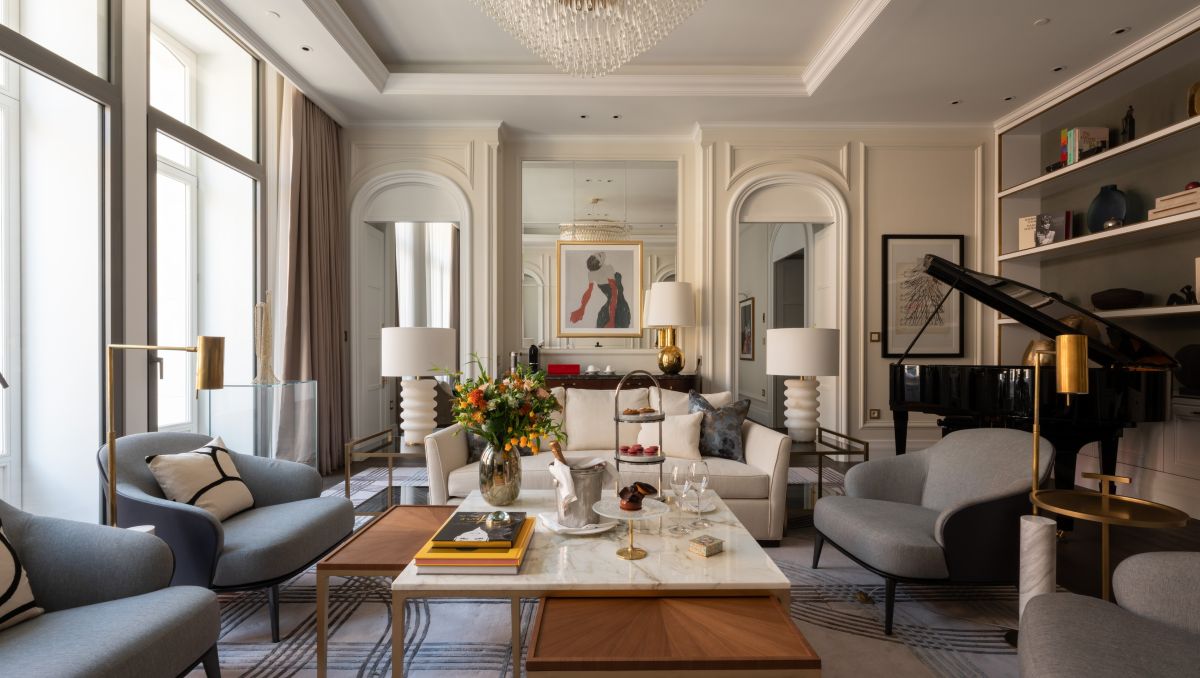
India Luxury Hotel Group Leela Reports 33% Revenue Growth as Room Rates Rise 30%, highlighting stronger demand for premium hospitality experiences. The company recorded rising earnings, improved profitability and continued expansion during the second quarter of FY27, supported by domestic tourism, corporate travel and growing international luxury travel demand.
Leela Palaces Records Strong Financial Growth in Second Quarter
India’s luxury hospitality industry continues to demonstrate strong demand for premium accommodation, with Leela Palaces Hotels & Resorts Limited reporting substantial growth in revenue, operating earnings and room rates during the second quarter of the 2026–27 financial year.
Advertisement
Advertisement
The Mumbai-headquartered company announced its results on 14 October 2026, reporting operating revenue of ₹4,119 million, equivalent to ₹411.9 crore, representing an increase of 33% compared with the corresponding quarter of the previous financial year.
Operating earnings before interest, tax, depreciation and amortisation (EBITDA) climbed 36% to ₹1,877 million, or ₹187.7 crore. Profit after tax increased 27% to ₹946 million, equivalent to ₹94.6 crore.
Advertisement
Advertisement
The company also reported an operating EBITDA margin of approximately 46%, an improvement of 118 basis points year on year.
These results reflect the company’s ability to generate higher revenue from its premium hotel portfolio while maintaining operating profitability.
Advertisement
Advertisement
The principal financial indicators were also reported by financial news outlets following the company’s announcement.
Room Rates Rise as Luxury Travel Demand Strengthens
One of the most significant developments during the quarter was the improvement in revenue per available room, commonly referred to as RevPAR.
Advertisement
Advertisement
Leela Palaces recorded a 30% year-on-year increase in RevPAR to ₹17,225. The increase was driven by a corresponding 30% rise in average daily rate (ADR), which reached ₹25,046.
RevPAR measures the accommodation revenue generated across available hotel rooms, making it an important indicator of commercial performance.
ADR, meanwhile, reflects the average price achieved for occupied rooms.
The matching increases in RevPAR and ADR suggest that higher room pricing was the principal driver of the reported improvement, rather than a substantial increase in occupancy. The operating figures cover an expanded domestic owned-hotel portfolio, including Coorg.
Advertisement
Advertisement
For the wider hospitality industry, the figures demonstrate the commercial value of premium positioning, distinctive guest experiences and the ability to attract customers willing to pay higher accommodation rates.
Corporate Events and Leisure Tourism Support Hotel Revenue
Leela Palaces attributed its performance to demand across corporate, retail and leisure segments.
The company reported domestic revenue growth exceeding 30%, supported by business travel, premium leisure stays and major events generating demand for high-end accommodation.
Suite occupancy also improved by more than 700 basis points, indicating stronger utilisation of premium accommodation categories.
The company highlighted the BRICS Summit in Delhi as one contributor to demand during the quarter.
It also pointed to its experience of accommodating guests during major international and national events, including the G20 in FY24, India Energy Week and the AI Impact Summit.
Advertisement
Advertisement
Looking ahead, Leela expects events such as Aero India, scheduled for the fourth quarter of FY27, to create further opportunities for its luxury hospitality operations.
Major conferences, diplomatic gatherings and exhibitions can strengthen demand for premium accommodation because delegates and corporate visitors frequently require high-quality services, meeting facilities and accessible locations.
However, event-related demand can be concentrated around particular destinations and dates, making year-round demand diversification important.
Food and Beverage Revenue Adds to Hospitality Growth
The company’s financial performance extended beyond accommodation.
Room revenue increased 39% year on year, while food and beverage revenue grew 21%.
Revenue from hotel management agreement fees increased 76%, reflecting the development and operational progress of managed properties.
Advertisement
Advertisement
Importantly, non-room revenue accounted for more than half of total revenue during the first half of FY27.
This diversification highlights the commercial importance of restaurants, events, banqueting and other hospitality services alongside traditional room bookings.
For luxury hotel operators, revenue generated outside accommodation can improve the economic contribution of each property and provide additional opportunities to serve local customers.
The Leela’s results also demonstrate the role of professionally managed properties in expanding a hospitality brand without relying exclusively on direct hotel ownership.
Direct Hotel Bookings Become an Increasing Priority
Leela Palaces has also reported progress in strengthening its direct booking channels.
During the first half of FY27, the company’s official website contributed 15.1% of room revenue.
Advertisement
Advertisement
According to the company, this represents a 2.8-fold increase compared with the first half of FY25.
Direct reservations can improve hotel distribution economics by reducing reliance on third-party booking platforms and their associated commissions.
They also provide hotel operators with opportunities to establish closer relationships with guests, offer tailored services and improve customer retention.
For luxury hospitality brands, such relationships can be particularly valuable because personalised experiences and repeat visits contribute to long-term competitiveness.
The growing contribution from direct bookings represents an important component of Leela’s wider commercial strategy.
Leela Plans Ten Properties Across Emerging Luxury Destinations
Expansion remains central to the company’s long-term development programme.
Advertisement
Advertisement
Leela Palaces confirmed a pipeline comprising 1,038 rooms, or keys, across ten properties.
The planned portfolio spans several tourism categories, including wildlife destinations, heritage locations, hill stations, desert landscapes and spiritual travel centres.
This approach reflects an effort to diversify beyond established metropolitan luxury hotel markets and capture demand for destination-led experiences.
Two developments are particularly significant.
The Leela Jaisalmer is progressing through its pre-opening preparations, strengthening the brand’s proposed presence in Rajasthan’s heritage and desert tourism market.
The Leela Luxury Residences in Mumbai represents the company’s entry into a new business segment, extending its luxury positioning beyond conventional hotel accommodation.
Advertisement
Advertisement
Both projects are planned to commence operations during FY27, subject to successful completion of their pre-opening requirements.
The developments illustrate how established hotel groups are pursuing new hospitality formats while expanding their geographical reach.
Guest Satisfaction and International Recognition Strengthen Brand Position
Service quality remains an important component of Leela’s luxury hospitality strategy.
The company reported a Net Promoter Score of 87 during the first half of FY27, compared with a cited Asia-Pacific luxury segment benchmark of 74.
Net Promoter Score measures customers’ willingness to recommend a business, providing an indication of guest satisfaction and advocacy.
Three Leela properties also received Michelin Keys for the second consecutive year, according to the company’s announcement.
Advertisement
Advertisement
The Leela Palace New Delhi and The Leela Palace Jaipur received two Michelin Keys each, while The Leela Palace Chennai received one.
The company additionally highlighted recognition for ZLB23 among India’s 30 best bars.
Such recognition can reinforce international brand visibility, particularly among affluent travellers evaluating accommodation based on service standards, culinary experiences and distinctive surroundings.
Improved Debt Position Supports Future Investment
Alongside operating performance, Leela Palaces reported an improvement in its financial leverage.
Net debt stood at ₹12,150 million, or ₹1,215 crore, as of 30 September 2026.
The ratio of net debt to last-twelve-month EBITDA declined to 1.4 times, compared with 1.6 times in March 2026 and 3.7 times in March 2025.
Advertisement
Advertisement
A lower leverage ratio indicates improved debt coverage relative to earnings and can provide additional flexibility for capital expenditure and expansion.
The company said it would continue managing financing costs while maintaining liquidity to support future developments.
Its environmental commitments also remain part of its operating strategy.
Leela has stated an ambition to achieve net-zero emissions by 2050, supported by renewable energy initiatives and environmental management.
The company reported Green Building Platinum certification across its palace hotels and The Leela Coorg Forest Sanctuary, alongside EDGE Advanced recognition for its portfolio.
These sustainability initiatives are increasingly relevant as international travellers and corporate clients consider environmental performance when choosing accommodation.
Leela Palaces’ second-quarter results underline the continued commercial strength of India’s luxury hospitality market. Rising room rates, improved profitability and expanding hotel operations position the company for further development. With ten properties planned and growing demand across travel segments, its strategy combines premium experiences with disciplined financial management.
Advertisement
