

Norway Joins Sweden, Switzerland, Austria and Iceland in a Fierce Battle for Tourism Supremacy—Zero-Emission Crusade Set to Crush Traditional Travel

Published
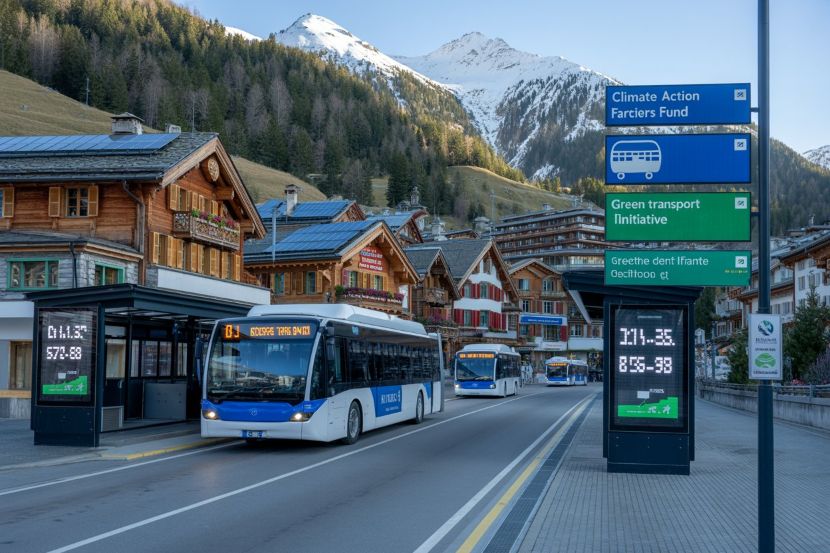 Image generated with Ai
Norway joins Sweden, Switzerland, Austria and Iceland to dominate Europe’s zero-emission tourism explosion in 2026. This bold move positions Norway at the forefront of sustainable travel, setting a new benchmark for eco-conscious tourism. Sweden, Switzerland, Austria and Iceland are watching closely, pressured to adapt or risk falling behind in the rapidly evolving tourism market. The zero-emission tourism explosion across Europe is transforming cruise operations, alpine resorts, and transport systems, demanding immediate innovation.
Norway’s leadership shows that countries can protect natural heritage while boosting high-value tourism. Meanwhile, Sweden, Switzerland, Austria and Iceland face rising expectations to electrify fleets, implement renewable energy, and innovate within their own travel sectors. The question now looms: will other countries crumble behind, unable to keep pace with this sweeping zero-emission revolution, or will they rise to compete with Norway’s decisive, green-forward strategy? The answer will define Europe’s tourism landscape for 2026 and beyond.
Advertisement
Advertisement
Norway’s Radical Fjord Law: A Game-Changer for Tourism
Norway’s new law is more than a local regulation; it’s a global statement. Cruise operators protested initially, but the government insisted that clean air and climate responsibility outweigh short-term profits. Activists hailed the move as visionary, while sceptics warned of economic disruption. The law mandates batteries, hydrogen fuel cells, or hybrid propulsion systems to eliminate emissions. Using traditional marine fuel is largely forbidden. Ships connecting to shore power are required whenever possible. Norway’s decisive action sets a precedent that could influence maritime tourism worldwide. Early adopters see an opportunity to enhance green credentials and attract eco-conscious travellers.
The Political and Environmental Shockwave Across Scandinavia
Norway’s law has sparked debate in Sweden, Switzerland, Austria, and Iceland. Politicians frame it as defending natural heritage, and media coverage has amplified the impact. Other nations are considering how to respond. Sweden has a Climate Act aiming for net-zero emissions by 2045 but has no cruise-specific ban yet. Switzerland’s Climate and Innovation Act targets net-zero by 2050, while Austria promotes sustainability through Plan T. Iceland targets carbon neutrality by 2040 and plans to phase out fossil-fuel cars by 2030. Although none of these countries currently impose a 2026 zero-emission requirement for cruise ships or ski resorts, Norway’s example pressures them to innovate and adopt greener practices.
Advertisement
Advertisement
Sweden’s Long-Term Climate Strategy: Voluntary Yet Ambitious
Sweden’s Climate Act, adopted in 2017, drives emissions reduction through annual reporting and four-year policy plans. Goals include a 63% reduction by 2030 and 75% by 2040 compared to 1990 levels. Domestic transport emissions must fall by 70% by 2030. While no zero-emission law exists for maritime tourism, Sweden encourages electrification, renewable energy, and sustainable transport. Electric ferries are being deployed in Stockholm and Gothenburg, with more cities exploring battery-powered vessels. Rail-based tourism and eco-labelled hotels are promoted. Sweden relies on voluntary compliance, yet the framework ensures alignment with long-term net-zero ambitions.
Switzerland: Innovation Without Immediate Mandates
Switzerland aims for net-zero by 2050 through the Climate and Innovation Act. Interim targets for 2040 guide industry and government. Tourist resorts like Davos plan to be climate-neutral by 2030. Guests contribute to the myclimate Climate Fund, which finances local emission-reduction projects. Renewable energy powers buses, buildings, and public transport. Zermatt operates car-free with electric taxis and cable cars, and the Glacier Express runs on hydropower. Although there is no mandatory 2026 zero-emission requirement, Switzerland demonstrates that voluntary innovation can achieve environmental goals within a national framework.
Advertisement
Advertisement
Austria’s Plan T: Sustainable Tourism Aspirations
Austria’s Plan T, updated in 2025, promotes climate-friendly tourism. The strategy emphasises renewable energy, electric mobility, cooperation with agriculture, and digital transformation. Ski resorts adopt electric lifts and snow groomers. Rail access is improved, and the Austrian Ecolabel certifies sustainable destinations. Car-free mobility initiatives, like Werfenweng’s “soft mobility” program, provide electric vehicles, bicycles, and horse-drawn carriages. While Austria lacks a legal 2026 mandate for zero-emission tourism, its policies push the sector toward long-term sustainability.
Iceland’s Ambitious Climate Action
Iceland targets carbon neutrality by 2040 and bans new fossil-fuel car registrations by 2030. The Climate Action Plan prioritises renewable energy for electricity and heating, electrification of transport, and low-emission tourism solutions. Battery-powered ferries are being tested in the Westman Islands, and airlines explore electric or hydrogen planes. Carbon-neutral tours and electric transport options are promoted to visitors. Although cruise ships can still dock using heavy fuel oil, regional authorities are encouraging voluntary adoption of greener technologies. Iceland watches Norway closely, considering similar policies for fragile marine ecosystems.
Advertisement
Advertisement
Norway’s Compliance Requirements: High Costs, High Rewards
The zero-emission law requires heavy investment. Cruise lines must retrofit vessels with advanced propulsion, store biogas responsibly, and connect to shore power. Compliance documentation is essential. Early adopters gain reputational advantage, appealing to eco-conscious travellers. Non-compliance risks exclusion from the fjords, incentivising innovation. Norway balances environmental urgency with industry adaptation by setting 2026 as the deadline, giving operators time to retrofit or redesign vessels. The approach illustrates that bold environmental policies can coexist with profitable tourism strategies.
 Image generated with Ai
Regional Ripples: Sweden, Iceland, and Alpine Competition
Norway’s law ignites competition in the Bohuslän archipelago and Iceland’s Westfjords. Swedish municipalities propose bylaws for electric or hydrogen propulsion in nature reserves. Icelandic tourism boards encourage cruise operators to use shore power. Alpine resorts in Austria and Switzerland increasingly rely on renewable energy, rail transport, and low-emission snow equipment. Norway’s example drives innovation, signalling that tourism ecosystems must adapt to changing climate policies. Resorts and cruise operators now see sustainability as a market differentiator rather than a regulatory burden.
Alpine Tourism Under Climate Pressure
Alpine countries face warming winters and shorter ski seasons. Resorts rely on energy-intensive snowmaking, which increases costs and emissions. Zero-emission mandates could accelerate a shift to year-round tourism: hiking, biking, and wellness experiences. Norway’s fjord law proves that governments can act decisively to protect natural assets. While Austria and Switzerland are unlikely to mandate zero-emission lifts by 2026, public and EU pressure will increase. Investments in renewable power and efficient snowmaking technology prepare resorts for stricter future regulations.
Economic Impact: Sustainability as Opportunity
Critics argue that zero-emission rules may deter cruise operators and hurt local economies. Yet sustainable tourism attracts high-yield visitors willing to pay a premium. Shore power infrastructure creates jobs in ports. Alpine rail tourism reduces congestion and pollution. While upfront costs are high, long-term benefits include lower fuel expenses, improved public health, and global reputational gains. Countries delaying sustainability measures risk losing eco-conscious market share. Norway demonstrates that bold environmental action can generate competitive advantage in tourism.
Advertisement
Advertisement
Global Implications: Will Norway’s Mandate Inspire Worldwide Change?
Norway’s law could influence global cruise regulations. Environmental NGOs advocate zero-emission zones in sensitive marine areas. The International Maritime Organization faces pressure to adopt stricter standards. If successful, Norway’s approach may lead to worldwide adoption of electric or hydrogen-powered cruise technology. Whether compliance proves feasible and profitable will determine the global trajectory. Norway’s fjord ban has already transformed the dialogue around sustainable tourism, showing that environmental stewardship can align with economic incentives.
Public Opinion: Citizens Demand Cleaner Tourism
Residents near fjords, ports, and ski resorts support cleaner tourism. In Norway, communities celebrated the fjord law, enjoying improved air quality and reduced noise. Sweden and Switzerland’s citizens back climate initiatives and expect tourism sectors to follow suit. In Iceland, concerns over overtourism in fragile landscapes increase support for sustainability. Politicians now frame ambitious climate policies as patriotic, profitable, and necessary for maintaining natural heritage. Public demand ensures that sustainable tourism will continue to grow, irrespective of initial industry resistance.
Future Policy Gaps and Emerging Opportunities
Norway’s zero-emission law highlights gaps in neighbouring countries. Sweden may extend maritime tourism mandates, Switzerland could incentivize climate-neutral resorts beyond Davos, and Austria may include measurable emission goals in Plan T. Iceland is evaluating port electrification standards. Cruise operators and ski resorts experiment with hydrogen, battery, and hybrid technologies. Early adopters set new industry benchmarks. Governments must choose whether to lead the transition or risk losing eco-conscious travellers. Norway shows leadership, while others lag behind, creating opportunities for innovation and competitive advantage.
 Image generated with Ai
Norway Leads, Europe Follows Cautiously
The 2026 zero-emission mandate in Norway’s World Heritage fjords is a turning point. It proves that governments can enforce bold regulations to protect natural treasures. Sweden, Switzerland, Austria, and Iceland pursue net-zero ambitions but lack strict 2026 deadlines. Voluntary initiatives in alpine resorts and regional electrification projects are underway. Norway’s law reshapes the tourism sector, promoting cleaner cruise operations, eco-friendly resorts, and sustainable transport solutions. The ripple effects are evident: eco-conscious travellers now have a benchmark, and European tourism faces a green revolution. Norway stands as a global leader in sustainable tourism, while others observe, adapt, and innovate
Advertisement
