
United States Boeing Prepares For A Historic Aviation Transformation After 737 MAX And 777X Certification Milestones As Global Aircraft Giant Targets A Revolutionary Next Generation Narrow-Body Jet To Reshape The Future Of Commercial Air Travel

Published
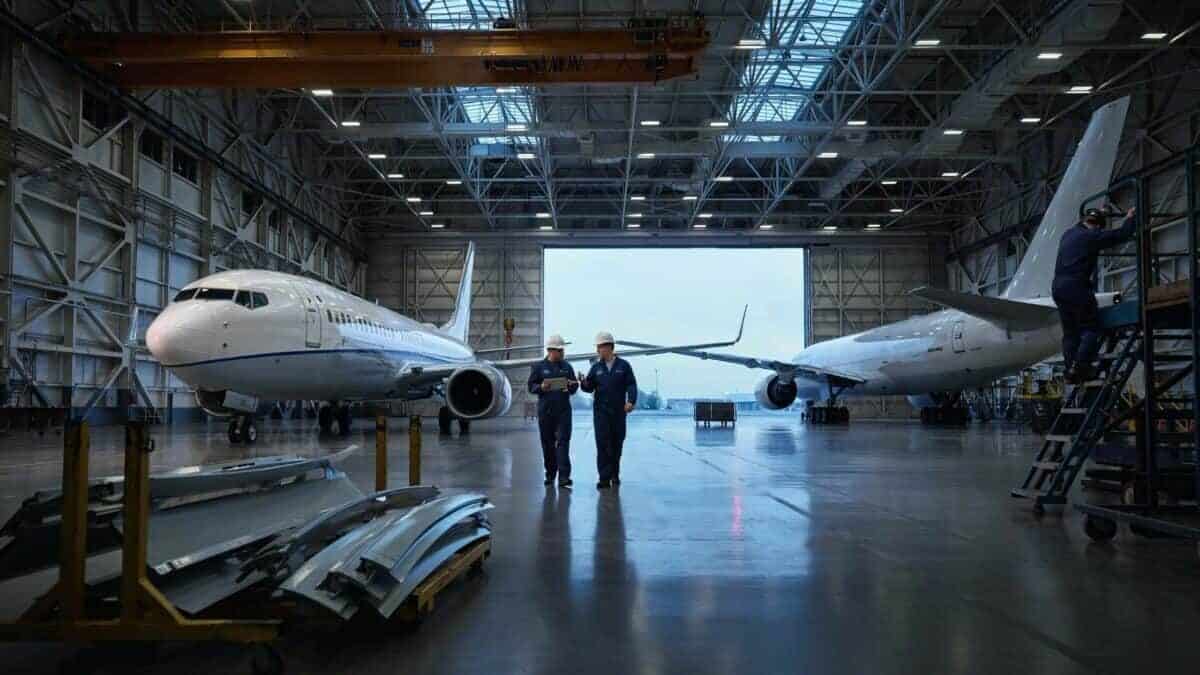
Image generated with Ai
The United States is witnessing Boeing’s ambitious push towards a new era of aviation as the aircraft giant prepares a next-generation narrow-body jet programme after advancing 737 MAX and 777X certification efforts. The move reflects Boeing’s strategy to strengthen its commercial aircraft future, meet rising airline demand and develop more efficient aircraft that could reshape global air travel in the coming decade.
Boeing Eyes Revolutionary New Aircraft Era After 737 MAX and 777X Certification Milestones As Aviation Giant Prepares For Next Generation Narrow-Body Future
Boeing is preparing for a major shift in commercial aviation as the aircraft manufacturer looks beyond its existing aircraft programmes and explores the possibility of creating a next-generation narrow-body aircraft. The company is expected to take important decisions later this decade after completing major certification milestones for the Boeing 737 MAX family and the Boeing 777X programme.
Advertisement
Advertisement
The move highlights Boeing’s long-term strategy to rebuild strength, improve stability and prepare for the future of global air travel. Before investing billions of dollars into an entirely new aircraft platform, Boeing is focusing on strengthening its financial position, completing certification work and ensuring its current aircraft programmes achieve success.
A new aircraft development programme would represent one of the biggest investments in Boeing’s history. The company understands that designing, testing and certifying a new aircraft requires years of research, engineering and financial commitment. Therefore, Boeing is carefully planning its next move while ensuring its existing aircraft families continue supporting its recovery and growth.
Advertisement
Advertisement
Boeing Plans A New Generation Of Aircraft After Strengthening Current Programmes
Boeing is looking towards the future with plans to potentially develop a new-generation narrow-body aircraft later this decade. Although the company has not yet officially launched the programme, it is studying market demand, technology improvements and airline requirements before making a final decision.
Advertisement
Advertisement
Creating a new aircraft requires a huge financial commitment. Manufacturers must invest billions into design, manufacturing systems, testing facilities and certification processes. Boeing wants to ensure that it enters this next phase from a stronger financial position.
The company’s approach reflects a careful strategy. Instead of rushing into a new aircraft programme, Boeing is concentrating on completing its existing projects and improving operational performance. The successful delivery and certification of current aircraft will provide the foundation needed for future development.
A future Boeing narrow-body aircraft is expected to focus on improved fuel efficiency, advanced technology and reduced operating costs. Airlines worldwide are searching for aircraft that can help them manage rising expenses while meeting growing passenger demand.
Advertisement
Advertisement
The aviation industry is also moving towards more sustainable operations. Future aircraft designs are expected to support lower emissions, better fuel performance and improved efficiency. Boeing’s next-generation aircraft programme could play an important role in shaping the future of commercial aviation.
Boeing 737 MAX Family Remains The Key Driver Behind Commercial Recovery
The Boeing 737 MAX family continues to remain one of the most important aircraft programmes for the company. The aircraft family plays a central role in Boeing’s commercial aviation recovery strategy as airlines around the world continue expanding their fleets.
Advertisement
Advertisement
The 737 MAX was developed to offer better fuel efficiency, improved performance and lower operating costs compared with previous generations of narrow-body aircraft. These advantages have helped the aircraft gain strong interest among airlines looking to modernise their fleets.
The Boeing 737 MAX family includes different versions designed to meet the needs of various airline operations. Two important models within the family are the Boeing 737 MAX 7 and Boeing 737 MAX 10.
The Boeing 737 MAX 7 is designed for airlines operating routes where smaller aircraft capacity is required. It offers flexibility for carriers serving regional and shorter routes while maintaining the efficiency advantages of the MAX family.
The Boeing 737 MAX 10 is the largest aircraft in the MAX family. It is designed for airlines that need higher passenger capacity while operating narrow-body routes. The aircraft targets busy markets where carriers require additional seats and efficient operations.
For Boeing, completing certification and expanding deliveries of these aircraft remain critical priorities. The continued success of the 737 MAX family will help the company strengthen its position in the global aviation market.
Advertisement
Advertisement
Certification Of Boeing 737 MAX And 777X Remains A Major Priority
Before Boeing commits to a new aircraft programme, the company is focused on completing certification milestones for its current aircraft projects. Certification is one of the most important stages in aircraft development because it confirms that an aircraft meets strict safety and performance requirements.
The certification process involves extensive testing, engineering reviews and regulatory assessments. Every aircraft system, including engines, flight controls and safety features, must meet detailed aviation standards before entering commercial service.
The Boeing 737 MAX programme has experienced major challenges in recent years, making continued certification progress especially important for the company. Boeing has focused on improving aircraft development processes and strengthening confidence among airlines, regulators and passengers.
Alongside the 737 MAX, the Boeing 777X programme is another major focus for the manufacturer. The aircraft represents Boeing’s future vision for long-haul travel and is designed to deliver improved efficiency and advanced technology for international operations.
The 777X features new-generation technologies aimed at improving fuel performance and operational efficiency. It is expected to become an important aircraft for airlines operating long-distance routes where efficiency and passenger comfort are major priorities.
Advertisement
Advertisement
Completing certification for both the 737 MAX family and 777X will provide Boeing with greater stability and allow the company to focus more confidently on developing future aircraft.
Global Airlines Continue Expanding Fleets With Boeing 737 MAX Aircraft
Strong airline demand continues to support Boeing’s aircraft strategy. Carriers worldwide are expanding and renewing their fleets as passenger travel demand continues growing.
The Boeing 737 MAX has become a popular choice for airlines seeking modern narrow-body aircraft. Its efficiency, range capabilities and operating advantages make it suitable for a wide variety of routes.
Airlines today are focused on reducing fuel expenses, improving profitability and offering better passenger experiences. Modern aircraft help carriers achieve these goals by providing improved performance compared with older aircraft models.
The continued demand for the 737 MAX family gives Boeing confidence as it considers future aircraft development. A successful current aircraft portfolio creates a stronger base for investment in new technology.
Advertisement
Advertisement
The narrow-body aircraft market remains one of the most competitive areas of commercial aviation. Airlines rely heavily on these aircraft because they operate thousands of daily flights connecting cities across domestic and international markets.
As global travel continues expanding, demand for efficient aircraft is expected to remain strong. Boeing’s ability to deliver current aircraft programmes successfully will influence its future position in the aviation industry.
Boeing’s Future Aircraft Could Redefine The Next Era Of Air Travel
Boeing’s possible next-generation aircraft programme could become one of the most significant developments in commercial aviation later this decade. The company’s future aircraft vision focuses on creating more efficient, advanced and sustainable solutions for airlines.
The aviation industry is entering a period of major transformation. Airlines are looking for aircraft that can reduce costs, improve passenger comfort and support environmental targets.
A future Boeing narrow-body aircraft could introduce new technologies designed to improve performance and efficiency. However, the company is taking a strategic approach by ensuring its current programmes achieve success before making another major investment.
Advertisement
Advertisement
The certification and production progress of the Boeing 737 MAX and Boeing 777X will likely determine the timeline for Boeing’s next aircraft decision.
With airlines continuing to expand fleets and passenger demand increasing globally, Boeing’s future aircraft plans could influence the direction of commercial aviation for decades.
Boeing is preparing for a new era of aircraft innovation as it completes major certification milestones for the 737 MAX and 777X, creating the foundation for a next-generation narrow-body jet programme that could reshape future airline fleets. The move highlights Boeing’s focus on advanced technology, efficiency and long-term growth as global carriers demand smarter and more sustainable aircraft.
The company’s preparation for a new aircraft generation shows its ambition to remain a major force in global aviation. By strengthening existing programmes and preparing for future innovation, Boeing is positioning itself for the next chapter of aircraft development.
Advertisement
