

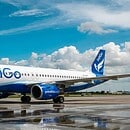
Image generated with Ai
Germany and Italy are among the European economies facing the strongest pressure as the US–Iran war crosses the six-week mark, with rising oil prices, aviation fuel concerns and Middle East supply risks creating uncertainty for Europe’s energy markets, airlines and tourism sector. The ongoing instability around key Gulf routes linked to the UAE, Qatar and Kuwait is increasing fears of higher costs, travel disruptions and further economic pressure across the continent.
The impact is spreading beyond energy markets as European countries monitor possible disruptions to aviation connectivity, international travel demand and tourism growth. Airlines, airports and travel businesses are preparing for a challenging period as fuel expenses rise and passengers face greater uncertainty.
As the conflict continues, Europe’s tourism future will depend on the stability of Middle East transport and energy networks. Any further escalation could increase flight costs, affect international connectivity and create new challenges for one of the world’s most important travel regions.
Europe is facing growing economic and travel uncertainty as the US–Iran war enters its sixth consecutive week, with rising tensions across the Middle East pushing oil prices higher, increasing aviation fuel concerns and creating new pressure on tourism connectivity. Germany and Italy are among the European countries watching developments closely as energy markets react to security risks affecting major Gulf suppliers, including the UAE, Qatar and Kuwait.
Advertisement
The latest escalation has increased concerns over global energy stability after oil prices climbed sharply amid attacks on shipping routes, threats around the Strait of Hormuz and continued military tensions involving Iran. While Europe is not directly involved in the conflict, the region remains highly exposed because of its dependence on international energy markets, aviation networks and Middle East travel connections.
The impact is spreading beyond fuel markets. Airlines, airports, tourism operators and travellers are preparing for possible disruptions as higher energy costs could increase operating expenses and affect international mobility.
Germany has emerged as one of the European countries most exposed to the economic consequences of prolonged Middle East instability.
As Europe’s largest economy, Germany depends heavily on stable energy prices to support its manufacturing sector. Industries including automobiles, chemicals, engineering and logistics require reliable and affordable energy supplies.
The increase in oil prices creates several challenges for Germany:
Germany’s aviation sector is also watching developments carefully. Higher crude oil prices often translate into increased jet fuel costs, creating pressure on airlines operating international routes.
Major German airports that connect Europe with the Middle East and Asia could face additional challenges if airlines adjust schedules, reroute aircraft or reduce capacity because of security concerns.
The tourism sector may also feel the impact. Germany is one of Europe’s largest outbound travel markets, and higher flight prices could influence holiday decisions, especially for long-distance destinations.
Italy is another major European country facing increased pressure from the Middle East crisis.
The country has strong connections with Gulf nations through aviation, trade and tourism. Any disruption affecting energy markets or international flight networks can quickly create economic consequences.
Italy’s key challenges include:
Italy’s tourism industry is one of the largest in Europe, attracting millions of visitors every year to destinations such as Rome, Venice, Milan, Florence and coastal regions.
However, tourism depends heavily on affordable and reliable air connectivity. If airlines face higher fuel expenses, ticket prices may increase, making international travel more expensive.
The uncertainty surrounding Middle East routes could also affect travellers from Gulf countries who contribute significantly to European tourism spending.
The Netherlands is facing another type of challenge through energy markets.
The country plays a major role in European energy trading, particularly through its gas market infrastructure. Any disruption affecting global energy flows can create price volatility across Europe.
The main concerns include:
The Netherlands is also one of Europe’s most important shipping and trade centres.
If instability affects maritime routes in the Red Sea or Gulf region, shipping companies may face higher insurance costs, longer routes and increased fuel expenses.
These additional costs could eventually affect European businesses and consumers.
Greece is particularly sensitive to Middle East disruptions because of its powerful shipping industry and tourism economy.
Greek shipping companies operate a significant share of the global commercial fleet. Any security problems near major maritime routes could create challenges for vessel operators.
Potential risks include:
Tourism is another important area of concern.
Greece attracts millions of international visitors every year, many arriving through air connections linked with Middle Eastern aviation hubs.
If flight operations become more expensive or uncertain, Greece’s tourism growth could face pressure.
Spain is one of Europe’s biggest tourism destinations and could feel the effects mainly through aviation.
The country depends strongly on international air travel, with millions of visitors arriving from Europe, Asia, North America and the Middle East.
Higher oil prices create challenges for:
Spanish tourism has recovered strongly in recent years, but higher travel costs could influence future visitor behaviour.
A prolonged Middle East crisis could make international flights more expensive and reduce demand among price-sensitive travellers.
France faces a more balanced situation because of its diversified energy system, but it remains exposed through aviation and global markets.
Paris is one of the world’s busiest international aviation hubs, connecting Europe with the Middle East, Asia and Africa.
Possible risks include:
France’s luxury tourism sector could also experience changes if international travellers reduce spending because of economic uncertainty.
The United Kingdom is also monitoring the situation closely.
Although the UK has diversified energy supplies, global oil prices directly influence domestic fuel costs.
Possible impacts include:
London’s position as a global financial and tourism centre means market uncertainty can quickly influence business confidence.
The UK aviation sector could face additional pressure if airlines experience rising fuel bills or operational disruptions.
Countries in Central and Eastern Europe, including Hungary, Slovakia, Czech Republic and Austria, may experience indirect effects from the conflict.
Their main challenges are linked to:
While these countries have less direct exposure to Middle East tourism routes, consumers and businesses may still feel the effects through higher prices.
The European tourism industry is increasingly connected with Middle Eastern aviation networks.
Major Gulf airlines and airports play a crucial role in connecting Europe with Asia, Africa and Australia.
Countries such as the UAE, Qatar and Kuwait are important aviation hubs, linking millions of passengers every year.
Growing instability creates several tourism risks:
When oil prices rise, airlines face higher fuel expenses. These costs can eventually influence ticket prices.
Security concerns around Gulf airspace and shipping routes can force airlines to adjust operations.
International travellers may delay bookings if they feel uncertainty about regional stability.
Hotels, tour operators and travel companies may face changing demand patterns.
The Gulf region remains central to global aviation and energy networks.
The UAE, Qatar and Kuwait are important suppliers and transportation partners for Europe.
The UAE is one of the world’s biggest aviation hubs, connecting Europe with Asia and Africa.
Qatar plays a major role in international aviation through its global connectivity network.
Kuwait remains an important energy producer and Gulf economic partner.
Any security disruption affecting these countries can create wider consequences for international travel and energy markets.
The sixth week of the US–Iran war has shown how quickly Middle East instability can affect global markets.
For Europe, the biggest concerns are not direct conflict but the wider consequences:
Germany and Italy represent two of Europe’s biggest economies facing this challenge, but the impact is spreading across the continent through rising energy costs, fuel price pressure, aviation concerns and growing uncertainty for the tourism sector.
As tensions continue around key Gulf energy routes and international travel connections, European governments, airlines and tourism businesses are preparing for possible disruptions and higher operating costs.
Germany and Italy are facing growing economic and tourism pressure as the US–Iran war enters its sixth week, with rising oil prices, aviation fuel concerns and Middle East supply risks creating uncertainty across Europe’s energy and travel networks.
The future of European travel will depend heavily on whether Middle East tensions ease or whether continued instability causes further pressure on fuel supplies, flight operations and global tourism connectivity.
Advertisement
Tags: European tourism, germany, Italy, Travel News, US Iran War
Advertisement
Advertisement













Friday, September 4, 2026

Friday, September 4, 2026

Friday, September 4, 2026

Thursday, September 3, 2026

Wednesday, September 2, 2026

Friday, September 4, 2026
Friday, September 4, 2026