
Middle East Travel Impacted with 572 Delays and 47 Cancellations at Dubai, Kuwait and More Airports

Published
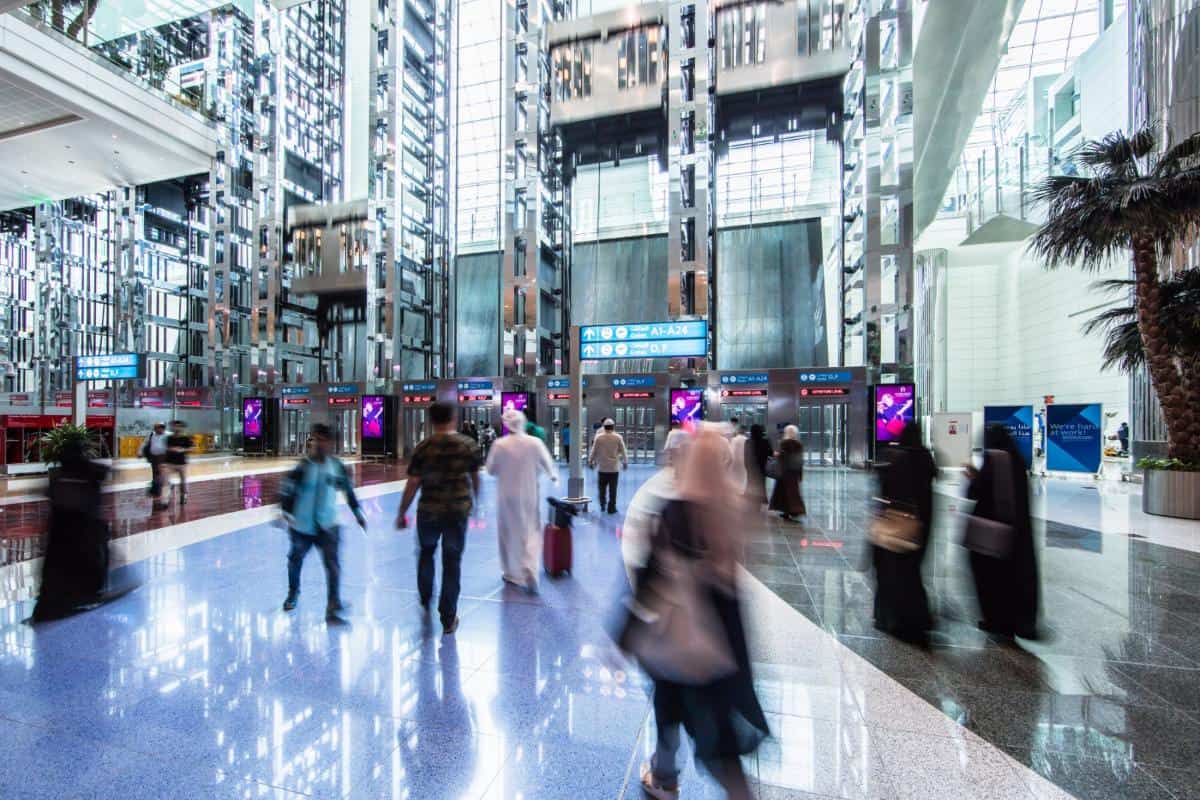
572 delays and 47 cancelations have been recorded at major airports in the Middle East, including Dubai, Kuwait, and other airports. Passenger travel has been impacted as airlines deal with shifting operational conditions, regional airspace issues, and timetable modifications. Additionally, as carriers strive to maintain international connections and recover delayed services, congested aviation hubs are under strain. As a result, passengers traveling through the Middle East should check their flight updates prior to departure and be prepared for any modifications. The interruption demonstrates how local circumstances may swiftly affect transport networks, posing problems for airlines, airports, and travelers throughout the area.
Which Middle East airports and cities are experiencing the biggest impact?
Dubai, Istanbul and Abu Dhabi record the highest number of delays
Among the listed airports, Dubai International Airport (DXB) recorded the highest number of delays, with 157 delayed flights and 7 cancellations. As one of the world’s busiest international aviation hubs, Dubai connects millions of passengers through long-haul and regional routes. The high delay figure indicates strong operational pressure affecting flight schedules.
Istanbul Airport (IST) also reported major disruption, with 143 delays and 5 cancellations. Türkiye’s largest airport is a major transit point between Europe, Asia and the Middle East, meaning delays can affect connecting passengers travelling across multiple regions.
In the United Arab Emirates, Abu Dhabi International Airport (AUH) recorded 99 delays and 2 cancellations. The airport plays a central role in international connectivity, particularly for passengers travelling through Etihad Airways services.
Advertisement
Advertisement
Saudi Arabian airports experience delays and cancellations
Saudi Arabia’s main aviation gateways also reported disruption. King Abdulaziz International Airport in Jeddah recorded 75 delays and 9 cancellations, while King Khalid International Airport in Riyadh reported 72 delays and 9 cancellations.
Jeddah and Riyadh are among Saudi Arabia’s most important travel centres. Jeddah serves as a major gateway for international visitors, while Riyadh handles extensive domestic and international business travel.
Advertisement
Advertisement
Regional Saudi airports also recorded cancellations. Abha Regional Airport reported 8 delays and 6 cancellations, while Gizan Regional Airport recorded 0 delays and 4 cancellations. Najran Domestic Airport also recorded 0 delays and 4 cancellations.
Outside Saudi Arabia, Kuwait International Airport recorded 18 delays and 1 cancellation, showing a smaller but noticeable impact on regional flight operations.
Advertisement
Advertisement
Airlines affected by Middle East travel disruption
Gulf and regional carriers report delayed and cancelled flights
Several airlines operating across the Middle East recorded flight disruptions.
Saudia, Saudi Arabia’s national carrier, reported 12 cancellations, representing 2% of flights, and 47 delays, representing 9% of operations. The figures show that the airline experienced both schedule interruptions and delays affecting passenger journeys.
Turkish Airlines recorded the highest delay volume among the listed airlines, with 118 delayed flights, representing 7% of operations, and 3 cancellations, representing 0% of flights. As a major global network carrier based in Türkiye, operational issues can affect passengers connecting through Istanbul.
In the United Arab Emirates, FlyDubai recorded 33 delays, representing 11% of flights, and 3 cancellations, representing 1% of operations. Etihad Airways reported 80 delays, representing 23% of flights, along with 2 cancellations, representing 0% of operations.
Advertisement
Advertisement
Royal Jordanian, based in Jordan, recorded 6 delays, representing 4% of operations, and 2 cancellations, representing 1% of flights.
Analysis of affected airports, cities, countries and airlines
The disruption pattern shows that the strongest impact is concentrated around major aviation centres rather than one single location.
The United Arab Emirates experienced substantial disruption through Dubai and Abu Dhabi, with both airports reporting high delay numbers. Dubai recorded 157 delays, the highest among all listed airports, while Abu Dhabi reported 99 delays.
Saudi Arabia experienced widespread effects across multiple cities, including Riyadh, Jeddah, Abha, Gizan and Najran. Riyadh and Jeddah reported the highest Saudi disruption levels, each recording 9 cancellations, while smaller regional airports experienced cancellations without reported delays.
Türkiye saw Istanbul Airport record 143 delays and 5 cancellations, with Turkish Airlines reporting 118 delays and 3 cancellations.
The airline data also highlights that carriers operating large international networks faced greater exposure to schedule disruptions. Saudia, Turkish Airlines, FlyDubai, Etihad Airways and Royal Jordanian all reported delays or cancellations, affecting passengers across regional and international routes.
Advertisement
Advertisement
What affected passengers can do now
Passengers travelling through affected Middle East airports should take several steps to reduce the impact of disruptions.
- Travellers should regularly check their airline’s official flight status platforms before leaving for the airport. Flight schedules can change quickly when delays affect aircraft rotations and connecting services.
- Passengers travelling through Dubai, Abu Dhabi, Riyadh, Jeddah and Istanbul should allow additional time for check-in, security procedures and possible schedule adjustments.
- Passengers with connecting journeys should review their onward flight status. Delays on the first flight may affect connections, especially through large hubs such as Dubai International Airport and Istanbul Airport.
- Travellers should keep passports, boarding passes and booking confirmations easily available when seeking assistance from airline representatives.
- Passengers affected by cancellations should contact their airline directly for available rebooking options, alternative flights or updated travel arrangements.
Data Verification Notice
The data has been extensively curated by our editorial team using real-time aviation figures recorded on 21 September 2026 at 5:06 pm ET USA (22 September 2026, 1:07 am GST).
Primary Source: FlightAware.
Verification Protocol: All statistics have been independently reviewed and cross-checked by our human editorial desk. Timestamped records, data logs and feed snapshots are securely archived internally to support historical accuracy and editorial transparency.
Note: Real-time flight-tracking figures reflect active airspace and operational data. Minor variations may occur when compared with information displayed at individual airport terminals or airline departure gates.
You can read our previous article on flight disruptions across Middle East airports on our website. Click here to read.
Advertisement
Verified by Somudranil Sarkar
