
Portugal Tourism Surges As Travellers Choose Porto, Lisbon And Hidden Gems For Unforgettable European Escapes

Published
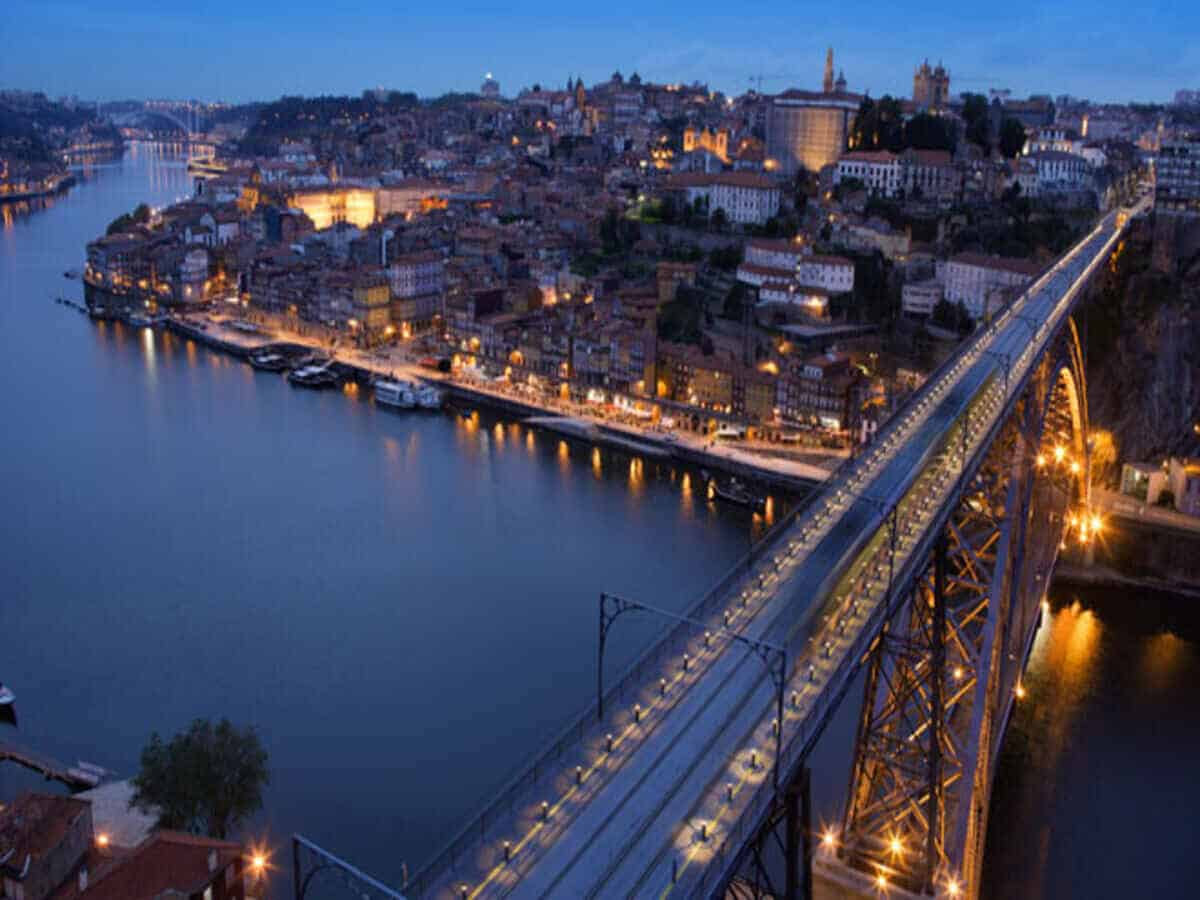
Tourism in Portugal picks up as people head for Porto, Lisbon, and more in search of sun, culture, and escapes. Tourism in Portugal is gaining a new lease of life in 2026 as tourists turn to destinations such as Porto, Lisbon, Évora, Algarve, Madeira, and others in Portugal to take their vacations in order to experience sun, culture, beach, wine, and heritage. The charm really comes through especially in the month of September when the European summer progresses. Tourists do not have to confront the worst of the summer heat and crowds.
The numbers underline the strength of this demand. Portugal welcomed 18.5 million guests between January and July 2026, generating approximately 46.5 million overnight stays. Tourism receipts during the seven-month period reached about €16.52 billion, representing year-on-year growth of 3.6%.
Advertisement
Advertisement
The United Kingdom remained especially important, accounting for 18.1% of overnight stays among the principal international source markets during the January-July period. Germany represented 11.4% and the United States 9.8%.
For travellers, however, Portugal’s attraction extends well beyond the statistics. From Porto’s colourful Douro waterfront to Lisbon’s historic neighbourhoods and Évora’s vineyards, the country offers several distinctly different holidays within one relatively compact destination.
Advertisement
Advertisement
Portugal’s Tourism Momentum Continues Into 2026
Portugal entered 2026 following another strong tourism year. In 2025, the country recorded 32.5 million guests, including 19.7 million international visitors. Overnight stays increased 2.2%, guests rose 3%, and tourism receipts increased 5%.
That momentum has continued.
Advertisement
Advertisement
In July 2026 alone, tourist accommodation establishments recorded 3.4 million guests and 9.6 million overnight stays. Overnight stays increased 2.1% compared with July 2025.
Regional growth also shows why Portugal’s tourism story increasingly extends beyond its traditional hotspots. In July, the Alentejo recorded a 7.5% increase in overnight stays, while northern Portugal registered growth of 6.3%.
Advertisement
Advertisement
Portugal’s tourism authorities are simultaneously pursuing a strategy that places greater importance on tourism’s economic value instead of simply maximising visitor volumes. The country’s 2026 tourism promotion priorities emphasise sustainable growth, stronger economic benefits for communities and greater visitor spending.
| Destination/Region | Why Travellers Are Choosing It | Key Experience |
|---|---|---|
| Porto | Culture, comfortable shoulder season and riverside scenery | Douro, heritage and Port wine |
| Lisbon | International connectivity and urban culture | Historic districts and nearby coast |
| Évora | Heritage and quieter countryside | Roman history and wine harvest |
| Alentejo | Rural landscapes and slower travel | Vineyards and gastronomy |
| Algarve | Sunshine and Atlantic coastline | Beaches and resorts |
| Madeira | Nature and year-round appeal | Hiking and dramatic landscapes |
| Azores | Outdoor and sustainable experiences | Volcanic scenery and wildlife |
Porto Emerges As Portugal’s Irresistible September City Escape
Porto becomes particularly attractive when Europe’s peak summer season begins winding down.
Average September temperatures sit around 20°C, while rainfall remains relatively limited. These conditions can make exploring the northern Portuguese city considerably more comfortable than visiting during Europe’s hottest summer periods.
Porto’s greatest attraction is its atmosphere.
Advertisement
Advertisement
Colourful buildings line the Douro River, while Vila Nova de Gaia sits across the water. Visitors can walk along the riverfront, discover historic streets and explore the city’s famous relationship with Port wine.
The historic centre remains fundamental to Porto’s appeal. São Bento railway station is particularly celebrated for its spectacular Portuguese azulejo tile panels and elaborate architecture.
September adds another dimension through cultural events. Porto Pride runs from 11 to 13 September 2026, bringing celebrations and events to the city.
Northern Portugal is also becoming increasingly important to the country’s tourism economy. The region recorded a 6.3% year-on-year increase in overnight stays in July 2026, reinforcing Porto’s role in diversifying Portuguese tourism beyond Lisbon and the Algarve.
Lisbon Keeps Portugal Connected To The World
Lisbon remains Portugal’s principal international gateway and one of Europe’s most recognisable city-break destinations.
Travellers are attracted by its combination of historic neighbourhoods, viewpoints, cultural attractions, nightlife and access to nearby coastal destinations.
Advertisement
Advertisement
The capital also acts as a gateway for travellers who want to explore central and southern Portugal. Destinations including Sintra, Cascais and Évora can be incorporated into wider itineraries, allowing international visitors to experience more than one side of the country.
This connectivity matters as Portugal targets visitors interested in longer and higher-value holidays.
Rather than treating Lisbon as the entire holiday, travellers can use the capital as the starting point for journeys through Portugal’s wine country, Atlantic coastline and historic interior.
Évora Turns Portugal’s Grape Harvest Into A Travel Experience
Around four hours south of Porto, Évora offers an entirely different Portuguese experience.
September is grape-harvesting season in the surrounding Alentejo countryside, creating opportunities for visitors to discover how one of Portugal’s most famous products is produced.
The Cartuxa Harvest runs between 5 September and 4 October, while the Fitapreta Harvest takes place from 3 September through the end of the month, according to the information provided for the September travel season.
Advertisement
Advertisement
The timing provides another reason for visitors to travel outside Portugal’s traditional summer peak.
Évora itself carries more than two millennia of history. Its historic centre was inscribed on the UNESCO World Heritage List in 1986. The city’s Roman heritage includes the Roman Temple of Évora, while archaeological remains of Roman baths were discovered beneath the Town Hall.
September temperatures can remain distinctly summery, with average highs ranging between approximately 27°C and 30°C and around nine hours of sunshine.
Travellers flying into Lisbon can continue to Évora by road, with the journey taking roughly 90 minutes.
Wine Tourism Opens Another Side Of Portugal
Wine increasingly gives travellers a reason to leave Portugal’s major cities.
The Douro Valley provides vineyard landscapes, river cruises and Port wine experiences within reach of Porto. Alentejo offers an altogether different setting, with rolling countryside, vineyards and historic towns encouraging slower itineraries.
Advertisement
Advertisement
September makes these destinations particularly interesting because harvesting transforms vineyards into active cultural landscapes.
Visitors are no longer limited to simply tasting Portuguese wine. Vineyard visits can provide opportunities to understand harvesting, production techniques and traditions passed through generations.
This experiential approach supports Portugal’s wider effort to encourage travellers to explore regional destinations and distribute tourism spending more broadly.
Algarve Keeps Portugal’s Famous Sunshine Appeal Alive
Portugal’s transformation does not mean its traditional tourism strengths have disappeared.
The Algarve remains one of the country’s biggest international draws, particularly among British travellers.
Its Atlantic beaches, dramatic cliffs, resorts and warm conditions have made southern Portugal synonymous with summer holidays for generations.
Advertisement
Advertisement
However, shoulder-season travel creates another opportunity.
September can provide warm beach conditions while allowing visitors to travel after the busiest school-holiday period. This can appeal particularly to couples, independent travellers and visitors without fixed school calendars.
Portugal can therefore continue benefiting from its established beach tourism industry while simultaneously expanding cultural, wine, nature and city tourism elsewhere.
Madeira And The Azores Expand Portugal Beyond Mainland Europe
Portugal’s island destinations further strengthen the country’s tourism proposition.
Madeira combines mountains, Atlantic scenery, walking trails and wellness experiences. Its comparatively mild climate also supports tourism beyond the conventional European summer.
The Azores provide an even more nature-focused proposition.
Advertisement
Advertisement
Volcanic landscapes, hiking, marine environments and wildlife experiences attract travellers interested in adventure and environmentally conscious tourism.
These islands allow Portugal to compete across several tourism segments simultaneously, including nature, wellness, adventure and slow travel.
That diversity is becoming increasingly important as travellers look beyond conventional resort holidays.
British Travellers Remain Vital To Portugal
The relationship between Portugal and the British travel market remains particularly important.
The UK represented the largest share among Portugal’s principal foreign overnight-stay markets during January-July 2026, accounting for 18.1%.
Portugal’s popularity with British travellers is hardly surprising.
Advertisement
Advertisement
Relatively short flights, established air connections, beaches, familiar tourism infrastructure and a broad accommodation market make the country accessible for both short breaks and longer holidays.
Portugal also offers something beyond the conventional summer holiday.
Porto provides a city break. Lisbon combines urban tourism with coastal excursions. Évora offers heritage and wine. Algarve delivers beaches. Madeira provides nature and wellness, while the Azores cater to adventure-focused visitors.
One country can therefore serve remarkably different travel motivations.
Travellers Are Looking For Authentic Portugal
A broader change in tourism behaviour is also working in Portugal’s favour.
Increasing numbers of visitors want experiences connected to local identity rather than simply ticking off famous landmarks.
Advertisement
Advertisement
Portugal offers that through traditional neighbourhoods, historic architecture, wine estates, regional cuisine, local festivals and rural communities.
Slow travel can work particularly well here.
Visitors can spend mornings wandering Porto’s riverside streets, afternoons exploring Douro vineyards or several days driving through the Alentejo.
The geographical diversity makes it possible to combine cities, countryside and coast without crossing international borders.
Portugal Moves From More Tourists Towards Better Tourism
Perhaps the most important development in 2026 concerns how Portugal defines tourism success.
Portugal’s Strategic Council for Tourism Promotion has placed economic value creation and social and environmental responsibility at the centre of its external promotion strategy.
Advertisement
Advertisement
The approach prioritises increasing tourism revenue rather than pursuing visitor growth at any cost.
The strategy is significant for destinations facing increasing tourism pressure.
Porto’s international visibility, for example, has risen dramatically. Such popularity creates economic opportunities but also increases the importance of managing tourism sustainably so communities continue benefiting from visitor growth.
Regional diversification provides one solution.
Encouraging visitors towards northern Portugal, Alentejo, Madeira, the Azores and smaller destinations can spread economic benefits while creating richer itineraries for travellers.
Portugal’s September Advantage Could Reshape The Traditional Summer Holiday
September encapsulates many of the reasons Portugal continues attracting international travellers.
Advertisement
Advertisement
The country still provides sunshine. Beaches remain appealing. Cities stay energetic. Vineyards enter harvest season. Yet the atmosphere can become more relaxed once Europe’s busiest summer weeks have passed.
Porto offers comfortable conditions and riverside culture. Lisbon provides connectivity and heritage. Évora combines Roman history with grape harvesting. Algarve extends the beach season, while Madeira and the Azores broaden the choice further.
Portugal’s tourism numbers show that this diversified proposition is working. With 18.5 million guests, 46.5 million overnight stays and more than €16.5 billion in tourism receipts during the first seven months of 2026, tourism continues to carry substantial economic weight.
For travellers, the appeal is simpler.
Portugal increasingly offers the possibility of experiencing Europe without choosing between sunshine, history, food, nature and culture. They can find all of them within one destination.
Portugal tourism on the upswing, with tourists selecting Porto, Lisbon and other destinations for sun, culture, heritage and real experiences.
As tourists continue looking beyond the height of the summer holiday season, places like Porto, Lisbon, Évora and other underdeveloped regions in Portugal may become increasingly significant in the coming phases of Portuguese tourism.
Advertisement
