
Cambodia Invites Movie Buffs On A Dreamy Travel Journey Across Siem Reap To Discover Iconic Historic Marvels, Find Out Now

Published
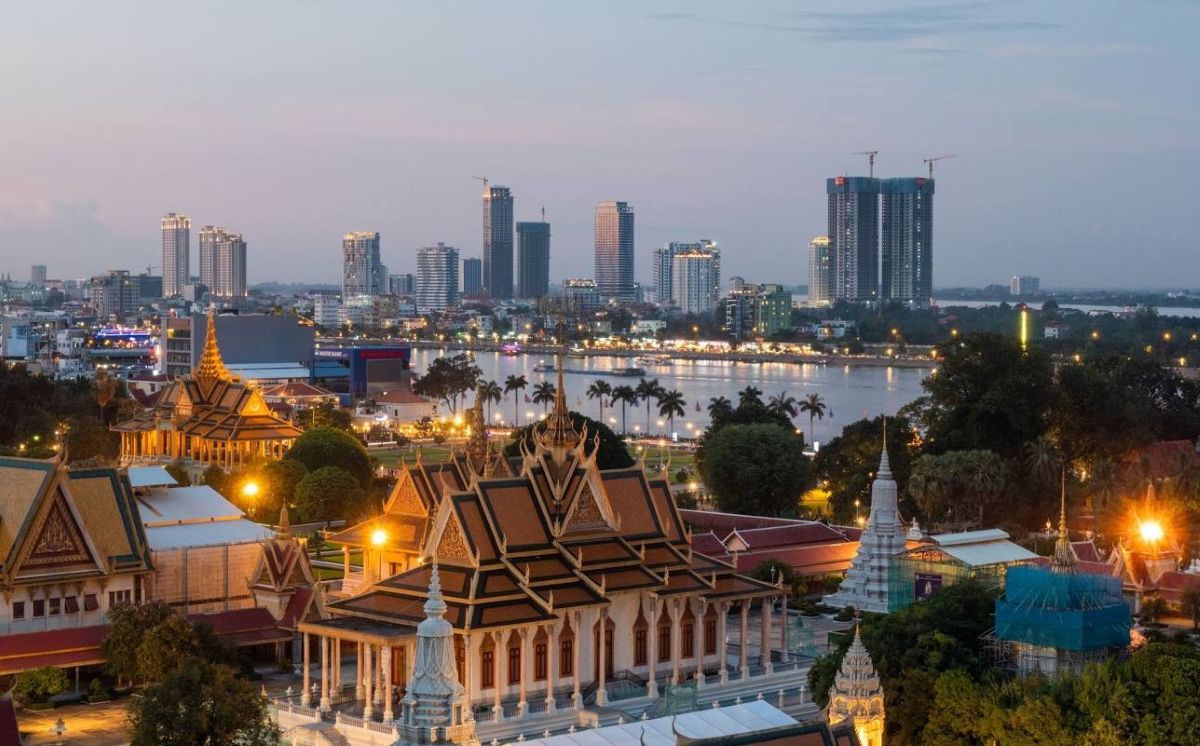
Image Credit Ministry of Tourism Cambodia
Mixing travel and film creates a distinctive form of magic. A scene from a film becomes an actual destination for film viewers and has the ability to instantly transport an audience. Cambodia has the ability to do this as evidenced by a recent visit to Siem Reap by Hong Kong actors. Stone by stone, they walked among the majestic Angkor Wat. Cambodia fed them while they sampled Cambodian cuisine. They weren’t just sightseeing tourists. The actors helped to connect the world of film to the world of travel. Currently, Siem Reap has been creatively reinstated as a destination of the world. This project not only caters to the elite movie premieres, it also offers benefits to the community. Tourists buy tickets to cover transportation and meals in the local community. Travel Art Cinema inspires and reflects the beauty and magic of travel to the local community.
Advertisement
Advertisement
High-Profile Delegation Visits Famous Historic Sites Across Siem Reap
Official reports indicated that a celebrated creative delegation from Hong Kong specifically Kenny Wong, Jayden Cheung, and Yeung Nga Man had arrived in Siem Reap on September 7, 2026. The delegation participated in the prestigious Hong Kong Film Gala Presentation, which served as an official platform for cross-cultural collaboration and artistic exchange. During their itinerary, the visitors explored the magnificent architectural sanctuary of Angkor Wat alongside several surrounding historical monuments in the Angkor Archaeological Park. In addition to touring ancient stone structures, the guests fully immersed themselves in long-standing Cambodian customs and savored traditional Khmer cuisine. Consequently, they gained a profound, personal appreciation for the country’s rich living heritage and culinary traditions.
Advertisement
Advertisement
Furthermore, official documentation confirmed that Tourism Minister Huot Hak personally accompanied the delegation alongside representatives from the local provincial tourism departments. The national ministry arranged these comprehensive guided excursions to highlight the province’s pristine environments, cultural wealth, and warm hospitality. By welcoming such esteemed international personalities, regional authorities effectively proved the location’s capacity to accommodate foreign production crews, media projects, and discerning international travelers. The government’s hands-on approach demonstrated a strong commitment to establishing smooth operational pathways for future international creative projects.
Boosting Strategic International Film Tourism Initiatives and Destination Marketing
Advertisement
Advertisement
Government briefings explained that state authorities were aggressively expanding structured measures to attract major foreign media ventures and turn scenic backdrop locations into powerful travel drivers. Official representatives noted that hosting international cinematic personalities established a dynamic promotional platform that reaches global audiences who might not have previously considered visiting Southeast Asia. Integrating entertainment exposure into broader destination marketing strategies represents a modern, forward-thinking approach to evolving the regional travel sector. By strategically aligning cinema and travel, the country positions itself as an enticing option for global wanderers seeking authentic cultural encounters.
Additionally, industry analysts emphasized that cinematic storytelling possesses a unique ability to forge deep emotional connections between viewers and real-world landscapes. When international films showcase majestic ancient monuments and lush tropical surroundings, inspired audiences routinely seek to replicate those visual journeys in person. Therefore, government planners treat the entertainment industry as an invaluable commercial partner. This strategic alliance drives sustainable, long-term international arrivals while substantially strengthening the nation’s reputation on the global stage.
Advertisement
Advertisement
Diversifying Regional Attractions Far Beyond Historic Ancient Temples
According to official briefings, although Angkor Wat remains the nation’s most iconic landmark, administrators are intentionally promoting a far broader array of regional attractions. Tourism officials stressed that encouraging international visitors to discover local artisan workshops, rural village life, and regional gastronomy extends average visitor stays. Longer stays directly generate increased financial support for family-owned businesses, neighborhood guides, and regional transit operators, ensuring that economic benefits permeate every level of the community.
Furthermore, the ministry reiterated that broadening the destination narrative beyond ancient stone monuments remains crucial for constructing a balanced, resilient economy. By showcasing Siem Reap as a thriving center for contemporary arts, living traditions, and exceptional culinary offerings, authorities inspire repeat visits from seasoned global travelers. This comprehensive promotional approach guarantees that economic gains are shared equitably across the broader local population, reducing reliance on single-site sightseeing.
Celebrity Visits and Major International Events Strategy Driving Economic Growth
Advertisement
Advertisement
The report highlighted that the recent delegation joined an established legacy of global personalities who had previously toured the region, including high-profile icons such as Angelina Jolie, Jackie Chan, Rain, and Ed Sheeran. Officials noted that high-profile celebrity presence consistently generates vast global media coverage, raising consumer awareness across major international target markets. However, strategic planners reiterated that celebrity influence yields the best results when paired with well-organized cultural gatherings and strong infrastructure development.
In line with this multifaceted approach, regional administrators announced that Siem Reap was actively preparing to host the Equinox Angkor Run on September 21, 2026. Organizers expect the major athletic event to gather between 5,000 and 10,000 enthusiastic participants from around the world. Commencing at dawn from the historic Preah Reach Damnak Stone Bridge, the marathon course leads runners toward surrounding archaeological parks, delivering a direct financial boost to local hotels, eateries, and regional merchants.
Global Effects on Travelers and Future Transformations Across the Travel Industry
From a global perspective, the rapid growth of screen-inspired travel is fundamentally altering how international tourists plan their journeys. Modern adventurers increasingly demand immersive, story-driven itineraries that allow them to experience the captivating settings seen on screen. As destination managers actively court foreign media productions, travelers can anticipate improved infrastructure, elevated hospitality standards, and far richer cultural offerings across emerging international destinations.
Ultimately, combining cinematic entertainment, major athletic events, and rich regional history provides an effective blueprint for the global travel sector. Transforming passive sightseers into active cultural participants allows destinations to foster deeper international connections and lasting economic vitality. As global travelers seek authentic and meaningful journeys, creative film tourism initiatives will continue shaping the future of international exploration for generations to come.
Evaluating the Economic Landscape and Strategic Investment Targets for International Cinematic Tourism
Advertisement
Advertisement
The financial architecture of national travel sectors relies heavily on diversified revenue streams, with cultural and entertainment initiatives serving as primary catalysts. In 2025, tourism generated US$3,878 million in revenue, contributing approximately 9.8% to Cambodia’s overall gross domestic product. This substantial financial inflow underscores the vital role that international visitors play in maintaining macroeconomic stability across developing markets. Furthermore, direct employment across the travel, hospitality, and entertainment sectors supports over 420,000 jobs nationwide. Within key cultural hubs such as Siem Reap, this employment framework includes more than 6,600 licensed tour guides who provide essential storytelling and historical context to international sightseers.
To effectively accommodate influxes of movie crews and screen-inspired travelers, national infrastructure must maintain substantial lodging and service capacity. The hospitality landscape across Siem Reap and major urban centers features over 95,500 hotel rooms spread across 2,300 restaurants and 129 recognized community-based tourism sites. These facilities establish the operational backbone required to host large-scale media projects and high-volume visitor cohorts simultaneously. State economic planners are actively leveraging international film productions to counter broader sector headwinds. Specifically, targeted media initiatives aim to reverse the 46% year-on-year drop in foreign tourist arrivals recorded during the first seven months of 2026, when total visits stood at 1.99 million.
Modernizing Transport Logistics and Passenger Infrastructure Across Regional Aviation Networks
Seamless international connectivity and efficient ground transit corridors remain crucial prerequisites for attracting global film ventures and high-yield travelers. The opening of the state-of-the-art Siem Reap-Angkor International Airport, developed through a US$1.1 billion capital investment, represents a major structural upgrade for regional logistics. The facility currently manages up to 7 million passengers annually, with structured development phases designed to expand total capacity to 12 million passengers per year by 2030. This infrastructure ensures that foreign production teams and international vacationers experience modern customs processing and baggage handling upon arrival.
In addition to terminal infrastructure, strategic international flight routes directly link Siem Reap with primary creative and financial hubs, including Hong Kong, Bangkok, Singapore, and Kuala Lumpur. These direct air linkages greatly simplify transit for foreign media crews, actors, and specialized technical equipment. On the ground, dedicated transit corridors connect the aviation hub directly to the Angkor Archaeological Park, enabling the secure movement of heavy production equipment. Concurrently, municipal sustainability initiatives are converting local transit fleets—including over 60,000 registered tuk-tuks—toward electric power, significantly lowering operational overhead while protecting fragile heritage environments from vehicle emissions.
Measuring the Screen Tourism Multiplier Effect on Global Visitor Expenditures
Advertisement
Advertisement
Screen-inspired travel generates a powerful economic multiplier effect that fundamentally transforms local business ecosystems. Travelers who select destinations based on film locations display significantly higher spending habits than standard overland tourists. In Siem Reap, film-inspired foreign visitors spend an average of US$120 to US$180 per day, whereas traditional budget travelers typically spend between US$70 and US$90 daily. Furthermore, cinematic marketing campaigns successfully extend average stay durations from 2.5 days to 4.5 days, driving sustained revenue across hotels, dining establishments, and local retail markets.
The economic benefits of hosting foreign media projects extend far beyond consumer spending. Major film productions retain up to 40% of their total operating budgets within the host country through equipment rentals, catering services, local talent hiring, and logistics management. Beyond immediate operational expenditures, international feature films shot at iconic landmarks like Angkor Wat generate millions of dollars in earned media value. This global promotional exposure serves as a permanent, organic marketing tool that continues to attract international vacationers for years following a film’s initial release.
Preservation Frameworks and Environmental Protocols for Protecting Historic Archaeological Zones
Integrating high-density filming activities into delicate historical environments requires strict regulatory oversight and environmental management. The APSARA National Authority enforces rigorous access protocols across high-impact conservation zones, strictly regulating daily entry into sensitive structures such as the central towers of Angkor Wat to prevent structural degradation. Production crews operating within the 401-square-kilometer Angkor Archaeological Park must strictly adhere to low-impact guidelines that explicitly prohibit heavy machinery and intrusive scaffolding near ancient sandstone monuments.
To further protect ancient sites from environmental hazards, state guidelines mandate the use of clean energy technologies during film shoots. Production teams must utilize renewable energy generators and advanced battery storage units within protected zones to eliminate noise pollution and harmful carbon emissions near historic relics. Additionally, a fixed percentage of all commercial film permit fees and monument entry revenues is directly channeled into ongoing structural restoration, environmental monitoring, and archaeological research across the broader Angkor region.
Fostering Community-Based Enterprises and Ecotourism Expansion in Secondary Destinations
Advertisement
Advertisement
A primary objective of modern tourism strategy involves dispersing visitor foot traffic away from congested central monuments toward surrounding natural and cultural assets. Comprehensive state initiatives actively encourage travelers to explore secondary regional attractions, such as Phnom Kulen National Park, the carved riverbeds of Kbal Spean, and the ecological habitats of the Tonle Sap Biosphere Reserve. By broadening the geographical focus of travel itineraries, regional administrators successfully reduce environmental pressure on primary historic sites while stimulating economic development across rural districts.
Central to this geographical expansion is the growth of community-based tourism enterprises. Cambodia currently supports 129 officially recognized community tourism initiatives designed to funnel visitor expenditures directly to rural households, agricultural cooperatives, and local artisan workshops. Sustainable eco-lodges established along the Tonle Sap basin generate stable local employment while funding conservation efforts across vulnerable floating village ecosystems. Furthermore, targeted state programs have distributed vocational training vouchers and safety certifications to over 3,500 informal tourism workers in Siem Reap, significantly enhancing service quality and economic mobility for local families.
Capitalizing on Athletic Tourism and Projected Revenue Streams from Major Sporting Gatherings
Large-scale international athletic events represent a highly effective mechanism for driving off-peak visitor numbers and generating immediate local revenue. The upcoming Equinox Angkor Run, scheduled for September 21, 2026, is projected to attract between 5,000 and 10,000 domestic and international participants to Siem Reap. This massive influx of athletes, spectators, and media personnel dramatically increases demand across regional hospitality networks, raising average hotel occupancy rates from shoulder-season baselines of 35% to over 80% during the race period.
From an economic perspective, major sporting events generate substantial direct financial returns for the host region. The upcoming marathon is forecasted to inject over US$2.5 million in direct spending into local hotels, transport providers, restaurants, and retail markets. Moreover, the race route itself provides an unparalleled promotional platform. Commencing at dawn from the historic Preah Reach Damnak Stone Bridge, the marathon course winds directly through the Angkor Archaeological Park, broadcasting stunning scenery to millions of sports enthusiasts and prospective travelers globally.
Strengthening Cross-Border Film Collaborations and Regional Creative Industry Partnerships
Advertisement
Advertisement
Expanding a nation’s film tourism capabilities requires robust cross-border creative alliances and attractive regulatory incentives for foreign production houses. Regional co-production frameworks encourage joint ventures between domestic filmmakers and major film studios across Hong Kong, South Korea, China, and Japan. To streamline incoming projects, state agencies offer expedited filming permits, fee waivers, and simplified customs clearance processes for technical equipment brought in through international gateways in Siem Reap and Phnom Penh.
These creative partnerships also prioritize long-term domestic capacity building. Foreign film productions operating within national borders are required to recruit a minimum percentage of local technical crews, production assistants, and support personnel. This policy facilitates knowledge transfer, elevates local technical capabilities, and strengthens the domestic creative economy. Furthermore, active participation in international industry events, such as the Hong Kong Film Gala Presentation, establishes the region as a preferred destination for international location scouts, studio executives, and creative investors.
Long-Term Strategic Projections for Diversified and Sustainable Tourism Growth
Looking toward the future, long-term strategic frameworks aim to establish a balanced, resilient travel ecosystem capable of weathering global market fluctuations. Regional development plans target over 7 million annual international arrivals by 2028, supported by an integrated mix of cinematic tourism, eco-adventures, sports events, and cultural heritage promotion. Concurrently, the domestic travel sector continues to demonstrate remarkable strength, recording 25.16 million internal trips in 2025—an 11.7% year-on-year increase—which provides a reliable financial baseline for regional businesses.
To maintain visitor satisfaction and safety standards across expanded tourism segments, national authorities have upgraded digital safety infrastructure. Comprehensive assistance networks, including 24-hour multilingual tourist police teams, dedicated digital portals, and national emergency hotlines, significantly enhance traveler confidence. Ultimately, diversifying regional travel offerings away from exclusive reliance on traditional temple sightseeing ensures year-round economic vitality, preserves historic cultural assets, and delivers sustainable economic benefits to local communities across Southeast Asia.
The Final Verdict
Advertisement
Advertisement
Watching the audience of a movie theater walk out to make their next commitment is a good reminder of how background people in fantasy films represent real people living in real places, often friendly, as kind as they are. Siem Reap harnesses film festivals and cinema outreach to bring audiences, but they also actively engage with the world and give people the opportunity to interact with interfaces that go beyond their country. The equipment used to take travel photos has made a travel photo gear industry possible. Travel photos of Khmer soup and tuk tuk drivers have dignified them, and craftsmen have pride in their crafts.
Travel films and documentaries show the transport process and the interaction and the meeting of people at the travel destination, beyond the viewing of remote, ancient structures. Now, Traveling films can help Cambodia, and now the rest of the world, begin the next chapter of cinema and especially create and tell a new valuable cinematic story that describes the world and leaves an impression on them.
Advertisement
