
Australia Connects New Zealand Sustainable Tourism Shines as Novotel Brings Travellers Closer to Marine Conservation

Published
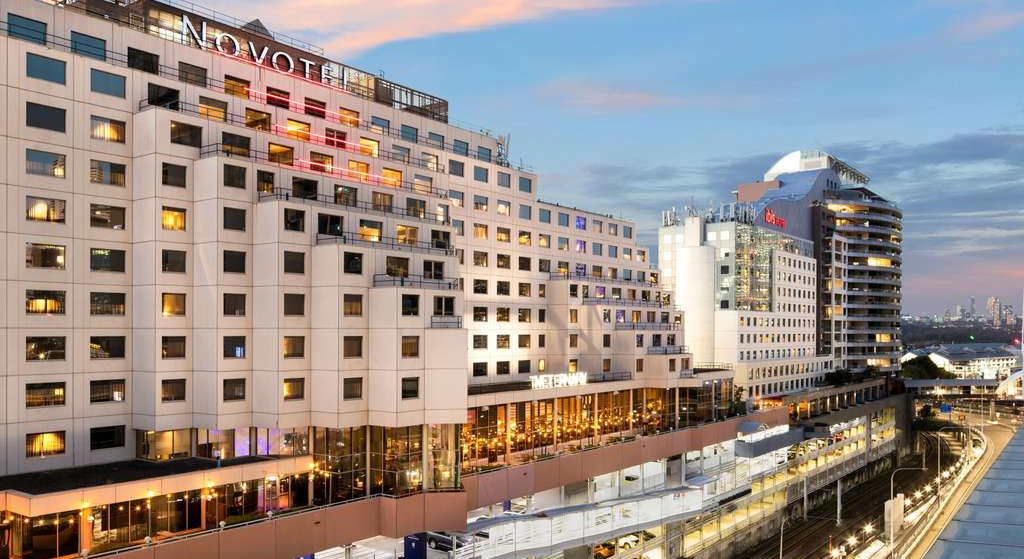
Australia and New Zealand sustainable tourism has entered a transformative era, driven by pioneering partnerships between world-class hospitality leaders and non-governmental environmental organisations. Ocean protection is no longer just a corporate goal; it is an active, immersive experience for everyday travellers. Through an expanded regional alliance between Novotel and WWF-Australia, guests across Oceania are directly participating in vital marine conservation initiatives. From protecting crucial migratory pathways to phasing out single-use plastics, this movement establishes how high-impact tourism can safeguard delicate coastal ecosystems while delivering authentic, eco-conscious visitor experiences across Southern Hemisphere destinations.
Background: The Evolution of Eco-Conscious Travel in Oceania
Advertisement
Advertisement
Over the past decade, Australia and New Zealand have stood at the forefront of global ecological stewardship. Both nations host exceptionally diverse yet fragile marine habitats, ranging from the tropical expanse of the Great Barrier Reef and Ningaloo Coast to the cool, nutrient-rich waters surrounding New Zealand’s South Island. However, coastal development, commercial shipping lanes, marine plastic pollution, and climate-induced ocean warming have placed severe pressure on Southern Ocean megafauna, including migratory whales, sea turtles, and endemic seabirds.
In response to these environmental challenges, national tourism bodies—including Tourism Australia and Tourism New Zealand—have shifted strategic frameworks toward regenerative travel models. These models mandate that tourism must not merely minimise harm, but actively restore natural environments and empower host communities. In line with this national policy transition, the hospitality sector across Oceania is undergoing an operational overhaul. Leading global brands are moving away from passive sustainability policies—such as towel reuse schemes—toward direct, science-backed environmental action. The ongoing evolution of Australia and New Zealand sustainable tourism demonstrates how hospitality networks can serve as critical hubs for public scientific education, habitat protection, and sustainable economic development.
Advertisement
Advertisement
Latest Official Developments: Novotel and WWF’s Ocean Protection Expansion
In a major advancement for regional sustainability, Novotel Hotels, operated under Accor, has strengthened its regional collaboration with WWF-Australia under the “Together for Oceans Protection” framework. This partnership integrates scientific conservation targets directly into hotel guest operations across properties in Australia, New Zealand, and the Pacific Islands.
Advertisement
Advertisement
Verified reports confirm that the initiative operates on four main strategic pillars designed to translate corporate pledges into tangible ecological outcomes:
- Migratory Blue Corridors Funding: Providing essential financial and operational backing for WWF’s marine research into “Blue Corridors”—the ocean superhighways essential for whale, shark, and sea turtle migrations across the Pacific and Southern Oceans.
- Protecting Southern Hemisphere Waters: Directly contributing to WWF’s global objective of protecting 100 million hectares of ocean in the Southern Hemisphere, aligning with the international target to conserve 30% of global oceans by 2030 (30×30).
- Ocean Literacy and Immersive Guest Education: Transforming guest stays at major regional gateways—such as Novotel Melbourne Airport and Novotel Christchurch Airport—into educational platforms that inform international and domestic visitors about marine ecosystem dynamics and plastic waste reduction.
- Sustainable Operational Standards: Eliminating single-use plastics across guest rooms and event spaces, enforcing strict sustainable seafood procurement policies, and introducing plant-forward menus to curb terrestrial pollution and ocean acidification factors.
=================================================
NOVOTEL x WWF OCEAN PROTECTION STRATEGIC PILLARS
=================================================
|
+——————————-+——————————-+
Advertisement
Advertisement
| | |
[Blue Corridors] [30×30 Global Target] [Guest Education]
Funding research on Safeguarding 100m hectares Interactive ocean literacy
marine megafauna paths of Southern Hemisphere ocean programmes at key hubs
| | |
+——————————-+——————————-+
Advertisement
Advertisement
|
[Operational Reform]
Phasing out single-use plastics
& unverified seafood supply
Government Announcements and Policy Frameworks
The integration of marine protection into hospitality business models directly reinforces broad governmental and intergovernmental environmental mandates in Australia and New Zealand.
Advertisement
Advertisement
Australia’s Sustainable Ocean Plan
The Australian Department of Climate Change, Energy, the Environment and Water (DCCEEW) continues to roll out national ocean management initiatives aimed at creating a sustainable ocean economy. Key regulatory priorities focus on reducing land-based plastic run-off, protecting marine sanctuaries, and supporting eco-credentialed tourism operators. The collaboration between hospitality brands and conservation bodies aligns with Australia’s national commitment to protect 30% of its land and sea areas by 2030 under the Global Biodiversity Framework.
New Zealand’s Tourism Strategy & Tiaki Promise
In New Zealand, the Ministry of Business, Innovation and Employment (MBIE) alongside Tourism New Zealand operates under the Tiaki Promise—a national commitment guiding visitors to care for New Zealand’s land, waters, and culture. The integration of ocean literacy programs at gateway properties like Novotel Christchurch Airport supports government goals to ensure tourism actively restores New Zealand’s natural heritage (Taonga).
Key Statistics and Sector Data
Statistical reports from official research bodies highlight the rapid rise in demand for eco-certified travel across the Trans-Tasman region:
Advertisement
Advertisement
- Consumer Demand for Sustainability: According to national travel metrics, 72% of domestic and international visitors travelling within Australia and New Zealand actively seek out eco-friendly accommodation options and businesses with verified environmental credentials.
- Plastic Waste Reduction Targets: Over 580 Novotel properties worldwide, including dozens across Australia and New Zealand, have systematically eliminated guest-facing single-use plastics, preventing thousands of tonnes of synthetic waste from entering coastal waterways annually.
- Conservation Impact: The regional partnership supports WWF’s ocean conservation target of safeguarding 100 million hectares of marine habitat across the Southern Hemisphere.
- Ghost Gear Removal: Globally, joint initiatives between hospitality and environmental partners have identified and removed over 14 priority ghost nets, scanning over 1,094 hectares of marine reserves to prevent non-biodegradable fishing gear from ensnaring wildlife.
Policy and Economic Implications
The alignment of private hospitality operators with national conservation goals carries significant economic benefits for Oceania’s tourism sector. Marine and coastal tourism accounts for a substantial percentage of total GDP in both Australia and New Zealand. Safeguard measures against ocean degradation preserve the natural assets that attract millions of international tourists each year.
+————————————+—————————————————+
| Economic & Policy Driver | Direct Industry & Environmental Impact |
+————————————+—————————————————+
| High-Value Eco-Travellers | Boosts yield per visitor through sustainable stays|
Advertisement
Advertisement
| Ocean Conservation Commitments | Helps meet 30×30 targets for marine protection |
| Sustainable Procurement Standards | Strengthens local, verified eco-friendly suppliers|
| Waste Management & Plastic Reductions| Reduces burden on municipal coastal landfills |
+————————————+—————————————————+
From a regulatory standpoint, early adoption of strict environmental standards protects hospitality businesses against future compliance pressures, such as mandatory corporate sustainability reporting and single-use plastic bans enacted by state and federal governments in Australia and New Zealand.
Industry, Tourism, and Public Impact
Advertisement
Advertisement
The practical implementation of the Novotel-WWF partnership changes how tourists interact with their destinations. Rather than keeping guest experiences separate from ecological reality, hotels serve as primary educational venues.
Immersive Guest Experiences
At key transit hubs—such as Novotel Melbourne Airport and Novotel Christchurch Airport—travelers are introduced to interactive exhibits, educational digital displays, and curated ocean literacy materials. Guests learn about local marine species, the scientific importance of protecting coastal habitats like seagrass meadows, and simple actions to curb marine plastic pollution.
Food and Beverage Operational Overhaul
Hospitality operators are updating their supply chains to support marine health. In-hotel restaurants across Australia and New Zealand are phasing out unsustainable seafood species. Dining venues are adopting certified sustainable seafood sources—such as those approved by the Marine Stewardship Council (MSC)—while expanding plant-based choices. This shift directly reduces commercial overfishing pressure on vulnerable species and cuts the carbon footprint associated with food supply chains.
Official Statements
Advertisement
Advertisement
Reflecting on the role of hospitality in global ocean conservation, Jean-Yves Minet, Global Brand President, Midscale & Economy at Accor, stated:
“Protecting the ocean is not a distant environmental concern. It is closely tied to the future of travel, to the resilience of communities, and to the quality of life we all depend on.”
Highlighting the practical ecological value of science-backed marine initiatives, Catherine Piante, Head of Maritime Areas Planning Division at WWF, noted:
“The challenge is not only ecological, but practical. Coastal cities need solutions that are technically reliable, safe, and adapted to the realities of the sea.”
Future Outlook
As Australia and New Zealand move toward their 2030 climate and conservation goals, the role of corporate environmental partnerships will remain critical. The success of the Novotel and WWF alliance establishes a model for how major hotel networks can integrate conservation directly into guest experiences and day-to-day operations.
Advertisement
Advertisement
Looking ahead, expanding scientific research, restoring marine habitats, and adopting sustainable supply chain standards will set the standard for high-end hospitality in Oceania. By connecting travelers to marine conservation, Australia and New Zealand demonstrate that sustainable tourism can protect natural environments while driving long-term economic growth.
Advertisement
