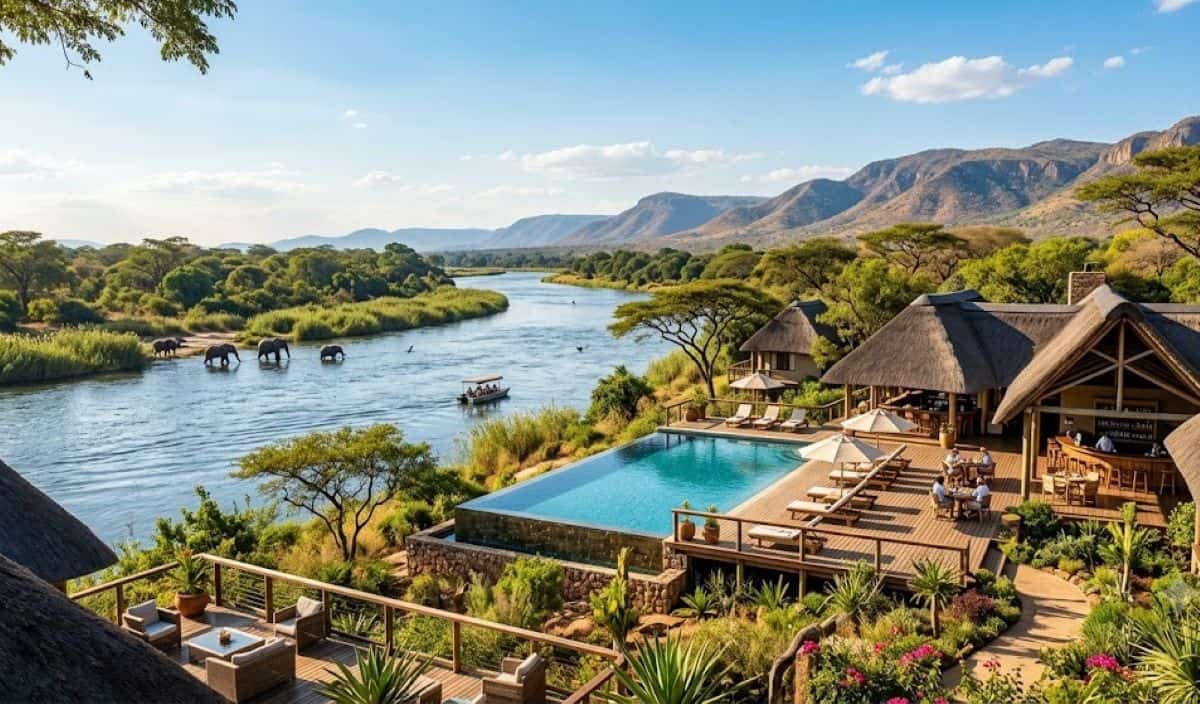
Image generated with Ai
As international travelers increasingly search for immersive wilderness journeys that combine high-end comfort with strict environmental ethics, Anantara enters tented safari segment in Zambia to redefine modern safari hospitality. This strategic development marks a major milestone for the luxury hospitality sector. Modern eco-tourists want responsible travel options. Therefore, introducing a low-impact tented lodge inside a vast protected reserve directly answers this growing global demand. The establishment brings refined elegance into direct harmony with local ecological restoration efforts.
The entry into this pristine regional ecosystem offers global travelers a rare combination of luxury and authentic nature. Furthermore, this initiative demonstrates how upscale hospitality can adapt to sensitive environments without compromising guest comfort. Travelers across the globe gain access to a carefully curated sanctuary where high-touch service meets active environmental stewardship. Ultimately, this pioneering project establishes a progressive framework for future wilderness developments throughout the international travel industry.
Advertisement
The global travel industry stands to gain immense insight from this progressive approach to wilderness hospitality. By prioritizing habitat preservation and seamless animal movement, the lodge proves that high-end tourism can actively enhance fragile ecosystems. International visitors will experience a profound shift in how luxury safaris operate, transitioning from passive observers to active participants in nature conservation. Consequently, this benchmark encourages other global developers to adopt eco-friendly construction techniques, renewable energy reliance, and culturally immersive guest programming.
Deep Exploration of Eco-Friendly Architecture and Low-Impact Wilderness Hospitality in Protected Regional Reserves
Advertisement
Advertisement
The property reported that designers constructed the entire camp on sturdy timber platforms raised at least 3.5 metres off the ground. Consequently, local wildlife species can walk freely beneath the structures without facing artificial barriers or human disturbance. Furthermore, this raised structure affords guests sweeping, unobstructed views of the surrounding Kafue River. The architectural plan incorporated prefabricated components to ensure that construction teams preserved existing native trees and surrounding foliage across the location.
The management indicated that the camp runs completely on solar power, which generates clean energy for all daily operations. Additionally, the resort utilizes on-site water purification, treatment facilities, and a dedicated bottling plant to avoid single-use plastics entirely. During evening hours, staff employ specialized soft red lighting to prevent disturbing nocturnal animals in the ecosystem. This careful design strategy reflects a core philosophy that luxury hospitality must seamlessly adapt to natural environments rather than disrupting them.
The broader implications for international tourism development are profound, as this design framework demonstrates that physical footprint reduction does not require a reduction in aesthetic beauty or operational excellence. Travelers visiting sensitive environmental habitats around the globe are demanding higher standards of ecological accountability from luxury properties. By integrating modular, low-impact architectural methods that naturally blend into surrounding landscapes, developers can protect delicate bio-networks while delivering high-value experiences. This strategy sets a clear standard for future lodge developments across Africa, Asia, and South America.
Furthermore, the commitment to complete energy autonomy through renewable solar infrastructure serves as a practical model for remote destination management. Operating off-grid in ecologically sensitive regions often poses immense logistical challenges for high-end hospitality operators. By showcasing that full solar independence and sophisticated water treatment systems can maintain seamless guest comfort, the project illustrates how sustainable infrastructure directly reduces operational risk while upholding conservation values. Global travelers gain peace of mind knowing their presence actively supports zero-emission hospitality.
Ultimately, this sustainable architecture philosophy transforms the guest mindset from traditional luxury indulgence toward active environmental guardianship. Visitors interacting with these thoughtfully elevated spaces gain a heightened awareness of animal migration, flora preservation, and minimal-impact living. As tourists return home from such transformative stays, their evolving expectations continue to push global hotel chains, tour operators, and regional governments to enforce stricter environmental criteria across all future hospitality ventures.
Exquisite Wilderness Accommodations and Floating River Amenities Redefining High-End African Safaris
The report noted that the camp offers thirteen total accommodations, including three Horizon Terrace Suites suspended 14.3 metres high. Recognized as the highest elevated suites in Zambia, these units feature glass elevators, upper-level star beds, and large open-air decks for stargazing. Furthermore, nine Pool and Bush Villas provide private plunge pools along with dedicated indoor spa and steam rooms for wellness experiences. A massive 400-square-metre Presidential Villa includes direct river views, exclusive boat access, and a private spa zone.
Dining and recreational experiences move smoothly between permanent land structures and custom floating installations along the Kafue River. Guests can enjoy breakfasts, afternoon teas, and dinners on a signature floating pontoon anchored directly over the water. The resort features Luzuba Harvestry and Twalumba Bar & Lounge for modern Zambian cuisine, alongside Spice Spoons interactive cooking classes. Additionally, visitors can exercise on an anchored floating Technogym platform, participate in game drives, guided walks, catch-and-release fishing, or river safaris.
These customized accommodations redefine experiential travel by blending architectural innovation with deep wilderness immersion. Suspended high above the landscape, guests experience a rare vantage point that connects them intimately with nature while offering uncompromised personal privacy. The inclusion of specialized indoor wellness spaces, individual plunge pools, and open-air sleeping arrangements addresses the growing global appetite for transformative personal wellness retreats embedded directly within raw, natural environments.
The emphasis on dynamic floating dining and recreational amenities expands the traditional boundary of hotel design into natural water ecosystems. Anchoring wellness facilities and dining spaces directly onto the Kafue River allows travelers to engage with the natural environment through every sense during their stay. By offering hands-on cultural cooking instruction alongside river-based activities, the property presents a holistic hospitality model that celebrates local heritage while setting a rich new standard for international safari experiences.
Moreover, these curated guest offerings foster deep economic and cultural connections that benefit regional communities alongside high-end travelers. Engaging guests in local culinary traditions and native biodiversity preservation cultivates authentic cross-cultural appreciation. As high-value global travelers seek meaningful destinations that align with their ethical values, such integrated experiences ensure that luxury safari tourism drives long-term economic sustainability while preserving authentic regional culture.
Global Impact on Sustainable Travel Trends and Seamless Regional Accessibility for International Voyagers
The facility explained that accessing this remote wildlife haven remains straightforward for both regional and international travelers. Guests can book private charter flights directly from Livingstone or Lusaka to the nearby Chunga airstrip. Alternatively, travelers arriving at Lusaka International Airport can take a scenic four-hour road drive directly to the resort. This accessible transit route ensures that international visitors can reach deep wilderness regions comfortably without excessive logistical challenges.
This landmark project significantly alters global travel expectations by demonstrating that ultra-luxury accommodations can support long-term ecological restoration. Modern travelers increasingly prefer destinations where their financial investment actively aids wilderness conservation and community growth. By blending high-touch service with strict environmental standards, this sanctuary serves as a powerful model for global eco-tourism. Ultimately, it signals a major shift toward smaller, highly intentional retreats that connect personal well-being with environmental responsibility.
The streamlined transport links connecting urban transport hubs like Lusaka and Livingstone to remote airstrips like Chunga airstrip prove crucial for expanding high-value international tourism in Southern Africa. Efficient air connections eliminate historical travel friction, opening up formerly isolated national parks to discerning international tourists. As travel logistics become smoother, remote wilderness destinations can successfully attract global travelers who seek high-touch comfort combined with effortless travel convenience.
Furthermore, this access model demonstrates how strategic infrastructure planning can unlock economic potential in protected wilderness reserves without sacrificing environmental integrity. By encouraging targeted fly-in tourism alongside controlled ground transit, regional authorities can manage visitor density effectively, protecting delicate ecosystems from over-tourism. This balanced approach to destination management serves as an invaluable template for emerging eco-tourism markets around the globe.
In conclusion, this progressive wilderness sanctuary sets a transformative precedent for the global travel industry, proving that luxury and conservation can thrive together. By inspiring travelers to value environmental stewardship, cultural immersion, and low-impact design, the property elevates standard safari holidays into life-changing journeys. As international tourism continues to evolve toward ethical, eco-conscious exploration, this pioneering project establishes a benchmark that will shape the future of high-end travel for years to come.
Advertisement
Advertisement
Advertisement











Wednesday, September 2, 2026

Tuesday, September 1, 2026

Wednesday, September 2, 2026
Wednesday, September 2, 2026
Tuesday, September 1, 2026
Tuesday, September 1, 2026
Tuesday, September 1, 2026

Tuesday, September 1, 2026