
Uzbekistan Travel Boom: Indians With US UK Schengen Visas Get 30-Day Visa-Free Entry

Published
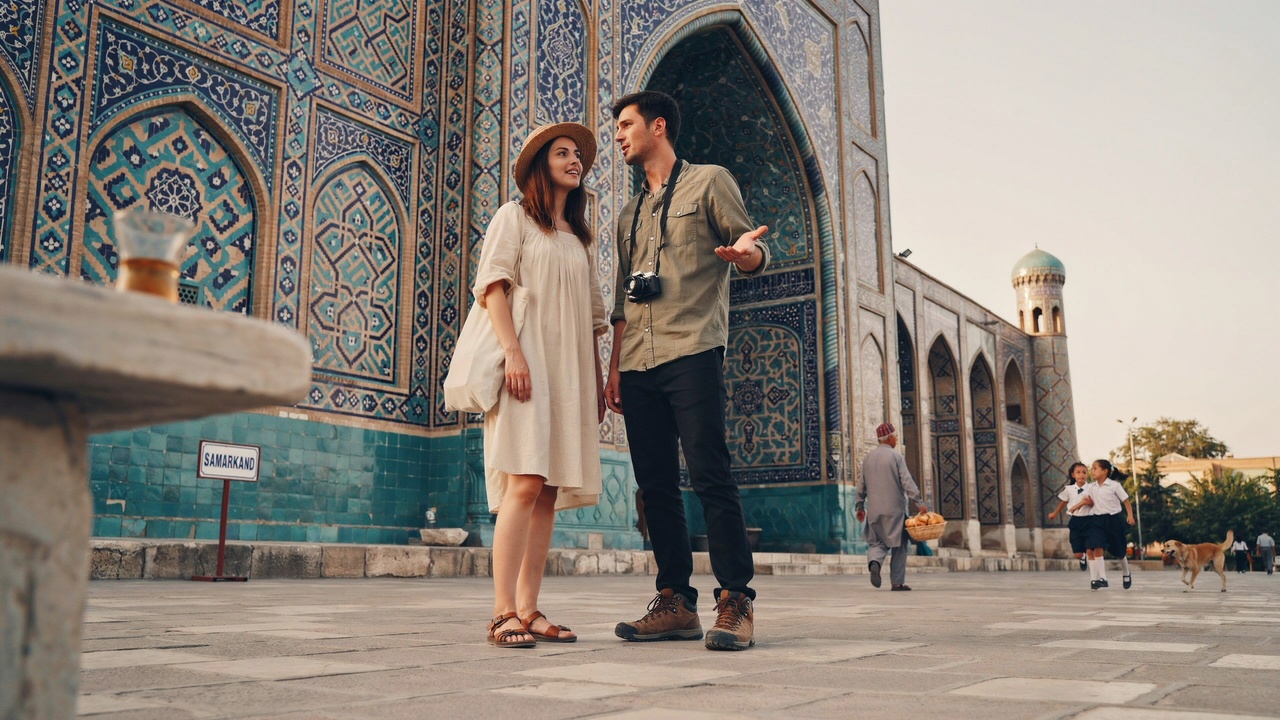
Uzbekistan travel is set for a major boost as eligible Indian travellers can now explore the historic Central Asian destination for up to 30 days without obtaining a separate Uzbek visa, provided they meet specific entry conditions. The new facility applies to Indian passport holders who possess valid multiple-entry tourist or business visas issued by selected countries, including the United States, United Kingdom and Schengen member states. The move is expected to strengthen tourism links between India and Uzbekistan while making it easier for travellers to discover ancient Silk Road cities, Islamic architecture, cultural heritage sites and modern urban experiences. The initiative also reflects Uzbekistan’s wider strategy to attract more international visitors through simplified entry procedures.
Why Is Uzbekistan Travel Becoming Easier for Indian Visitors?
Uzbekistan has introduced a simplified entry pathway for Indian citizens holding recognised international visas.
Advertisement
Advertisement
According to the Embassy of India in Tashkent, Indian passport holders with valid multiple-entry business or tourist visas from selected countries can stay in Uzbekistan without obtaining an Uzbek visa for up to 30 days.
The eligible foreign visas include those issued by:
Advertisement
Advertisement
the United States,
United Kingdom,
Advertisement
Advertisement
Schengen Agreement member states,
Australia,
Canada,
Japan,
New Zealand,
and South Korea.
Advertisement
Advertisement
The policy is designed to make travel planning simpler for Indian visitors who already hold internationally recognised travel documents.
For many travellers, visa procedures can influence destination choices. Simplified entry requirements often encourage visitors to consider new destinations, especially for short holidays, cultural journeys and business trips.
What Are the Eligibility Rules for Indian Travellers?
The visa-free facility is not available to every Indian passport holder automatically.
Travellers must meet specific requirements before travelling.
Eligible visitors must hold:
a valid Indian passport,
Advertisement
Advertisement
a valid multiple-entry tourist or business visa from an approved country,
and a confirmed return or onward flight ticket.
The international visa must remain valid during the period of travel.
Travellers should also ensure their passport meets Uzbekistan’s entry requirements before departure.
As with all international travel regulations, border authorities retain the authority to verify documents and determine final admission.
Visitors should check the latest official information before travelling because entry rules can change.
Advertisement
Advertisement
How Will the New Rule Benefit Indian Travellers?
The new entry arrangement could significantly improve travel convenience for Indian visitors.
Previously, travellers planning Uzbekistan holidays often needed to complete a separate visa process.
The simplified system may encourage more Indians to include Uzbekistan in their international travel plans, especially those already holding valid US, UK or Schengen visas.
Benefits for eligible travellers include:
reduced visa preparation time,
simpler holiday planning,
Advertisement
Advertisement
lower administrative costs,
and easier access to Central Asia.
The policy is particularly attractive for frequent international travellers who already maintain multiple-entry visas for other regions.
A visitor travelling to Europe or the United States could potentially add Uzbekistan as a separate cultural extension to their itinerary.
How Could the Policy Boost Uzbekistan Tourism?
Uzbekistan has been increasingly focusing on tourism growth by promoting its history, culture and Silk Road heritage.
The country offers travellers a combination of:
Advertisement
Advertisement
ancient cities,
traditional markets,
historic monuments,
architectural masterpieces,
and local culinary experiences.
The new visa facility could help Uzbekistan attract more Indian visitors seeking unique international experiences.
Advertisement
Advertisement
India and Uzbekistan share centuries-old cultural links through trade, architecture and historical exchanges.
The easier entry process could encourage more tourism cooperation between the two countries.
For Uzbekistan’s tourism industry, additional Indian visitors could support:
hotels,
restaurants,
tour operators,
Advertisement
Advertisement
transport services,
shopping markets,
and cultural attractions.
Why Are Samarkand, Bukhara and Khiva Attracting Indian Travellers?
Uzbekistan’s biggest tourism attraction remains its connection with the historic Silk Road.
Samarkand Travel Experiences
Samarkand is one of Central Asia’s most famous destinations.
Travellers visit the city for:
Advertisement
Advertisement
Registan Square,
historic madrasas,
mosques,
mausoleums,
and centuries-old architecture.
The city represents Uzbekistan’s cultural heritage and remains a highlight for international visitors.
Advertisement
Advertisement
Bukhara Heritage Tourism
Bukhara offers a deeper connection with Islamic architecture and ancient trade history.
Visitors explore:
historic bazaars,
fortresses,
mosques,
and traditional neighbourhoods.
Advertisement
Advertisement
The city provides an authentic experience of Silk Road civilisation.
Khiva Cultural Journeys
Khiva attracts travellers through its preserved old city, Ichan Kala.
The destination offers:
historic walls,
palaces,
minarets,
Advertisement
Advertisement
museums,
and traditional crafts.
Together, these cities create a strong cultural tourism circuit for international visitors.
How Does Uzbekistan Support Silk Road Tourism?
Uzbekistan’s tourism identity is closely connected with the ancient Silk Road.
The country historically served as a meeting point between civilisations, traders and travellers.
Today, the same heritage has become a major tourism attraction.
Advertisement
Advertisement
Visitors can experience:
historic caravan routes,
traditional handicrafts,
local cuisine,
architecture,
and cultural festivals.
Advertisement
Advertisement
The visa simplification for Indian travellers supports Uzbekistan’s broader goal of becoming a more accessible international destination.
By reducing travel barriers, countries can encourage more cultural exchange and tourism movement.
How Can Indian Travellers Plan an Uzbekistan Holiday?
Eligible Indian visitors can experience Uzbekistan through different travel styles.
Cultural Travel
Travellers interested in history can explore ancient cities, UNESCO-listed heritage sites and museums.
Food Tourism
Uzbek cuisine offers experiences including:
plov,
Advertisement
Advertisement
traditional breads,
kebabs,
noodles,
and regional dishes.
Adventure and Nature Travel
Visitors can explore:
desert landscapes,
Advertisement
Advertisement
mountain regions,
lakes,
and rural communities.
Luxury and Boutique Travel
Uzbekistan has also expanded its boutique hotels and heritage accommodation options, offering travellers more comfortable ways to experience historic destinations.
How Does Uzbekistan Connectivity Support Tourism Growth?
Improved accessibility is essential for tourism expansion.
Uzbekistan has been developing stronger international aviation links to connect with major travel markets.
Advertisement
Advertisement
Tashkent International Airport serves as the country’s main gateway, while regional airports support access to destinations including Samarkand, Bukhara and Urgench.
Better air connectivity combined with easier entry procedures can encourage more visitors from Asia, Europe and the Middle East.
For Indian travellers, improved flight connections will remain an important factor in choosing Uzbekistan for holidays.
Why Is Central Asia Becoming More Popular Among Indian Travellers?
Indian travellers are increasingly exploring destinations beyond traditional international favourites.
Central Asia is gaining attention because of:
affordable travel options,
Advertisement
Advertisement
cultural similarities,
historical connections,
unique landscapes,
and shorter travel distances compared with some long-haul destinations.
Uzbekistan especially appeals to travellers interested in heritage, architecture and photography.
The country offers experiences that differ from mainstream tourism destinations while maintaining strong cultural connections with India.
Advertisement
Advertisement
What Economic Impact Could More Indian Visitors Bring?
Tourism growth creates benefits beyond attractions.
More visitors can support local employment and businesses.
Indian tourists spending on:
accommodation,
transport,
shopping,
Advertisement
Advertisement
food,
guides,
and experiences
can contribute to Uzbekistan’s tourism economy.
The new entry facility may also encourage stronger business travel between India and Uzbekistan.
Both countries have growing commercial relationships, and easier travel access can support professional exchanges and investment opportunities.
Advertisement
Advertisement
What Should Travellers Remember Before Visiting Uzbekistan?
Although the new facility simplifies entry, travellers should prepare carefully.
Visitors should:
verify eligibility,
carry valid travel documents,
keep confirmed return or onward tickets,
check passport validity,
Advertisement
Advertisement
and confirm current regulations before departure.
Travellers should also register accommodation details where required and follow local rules during their stay.
Preparing documents properly helps ensure a smooth arrival experience.
What Is the Future Outlook for Uzbekistan Travel?
The introduction of easier entry for eligible Indian travellers represents another step in Uzbekistan’s tourism expansion strategy.
As global travellers increasingly search for authentic cultural destinations, Uzbekistan is positioned to benefit from its heritage, architecture and Silk Road identity.
The country’s future tourism growth will depend on continued investment in:
Advertisement
Advertisement
connectivity,
hospitality,
visitor infrastructure,
and sustainable destination management.
For Indian travellers, Uzbekistan could become one of the most attractive emerging destinations in Central Asia.
Conclusion
Uzbekistan travel is entering a new growth phase as eligible Indian travellers with selected valid international visas gain access to a 30-day visa-free stay, opening easier pathways to explore one of Central Asia’s most historic destinations. The new facility could strengthen tourism ties between India and Uzbekistan while encouraging visitors to discover Samarkand, Bukhara, Khiva and the country’s wider Silk Road heritage. With simplified entry procedures, expanding connectivity and growing global interest in cultural travel, Uzbekistan is positioning itself as an increasingly attractive destination for Indian tourists seeking history, architecture, cuisine and unique international experiences.
Advertisement
