
Oceania’s Pacific Island Crisis Deepens as Tuvalu Faces Rising Seas and a Powerful Climate Threat That Could Change One of the World’s Smallest Nations Forever

Published
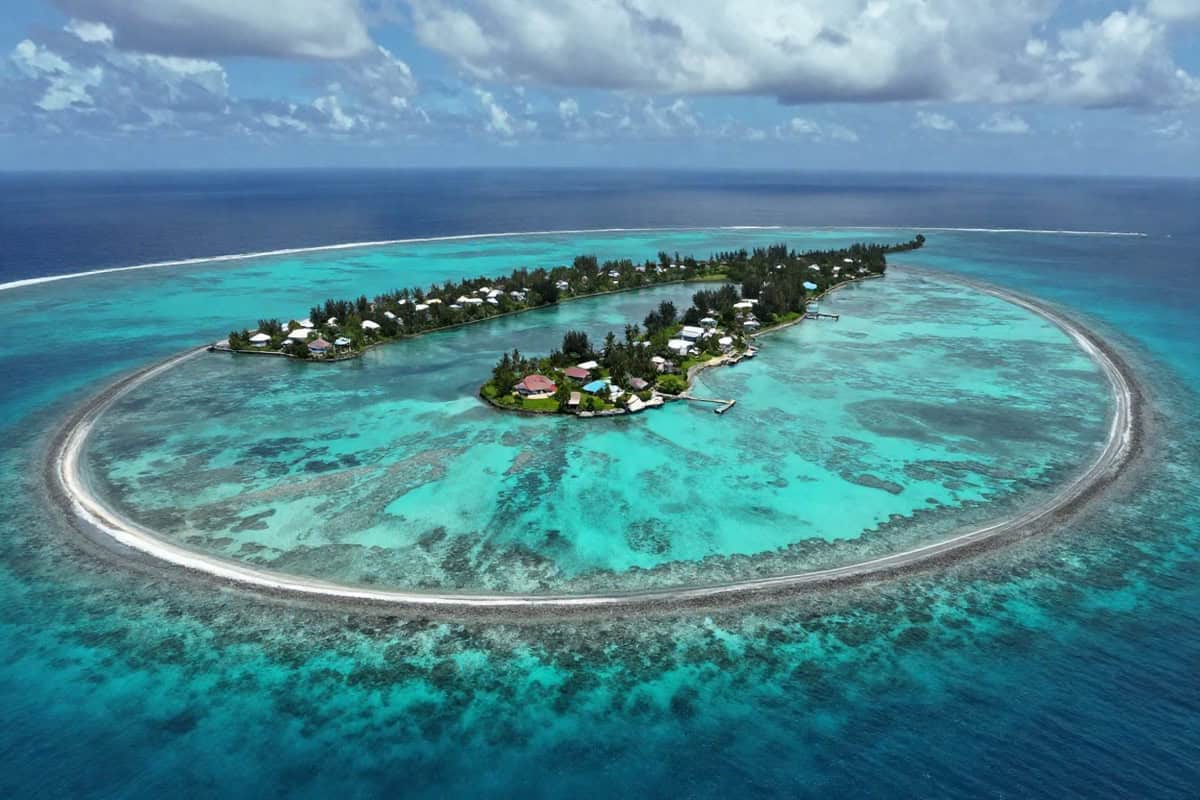
Tuvalu in Oceania is facing an uncertain future as rising sea levels and climate change threaten the survival of its low-lying coral atolls, making the remote Pacific nation one of the world’s most vulnerable countries. With its islands sitting only a few metres above the ocean, limited land availability, increasing coastal risks and growing environmental pressure, Tuvalu has become a powerful symbol of the global climate challenge. Scientific research shows that continued ocean rise could intensify flooding and impact communities, infrastructure and traditional ways of life, placing this small island nation at the centre of urgent climate discussions.
Tuvalu’s Fragile Future in Oceania: The Remote Pacific Nation Fighting Rising Seas, Isolation and the Threat to Its Very Existence
Advertisement
Advertisement
Hidden in the vast waters of the Pacific Ocean, Tuvalu has emerged as one of the world’s most vulnerable nations as rising sea levels threaten its low-lying islands, communities and long-term future. Despite its remote location and limited connection with global travel networks, this small Oceania nation has become a major focus of climate research because even modest ocean increases could transform the way people live across its coral atolls.
Located between Hawaii and Australia, Tuvalu remains one of the least visited countries on Earth. The nation consists of nine coral atolls spread across approximately 26 square kilometres, making it smaller than many international airports. With a population of fewer than 11,000 people, Tuvalu has developed a unique way of life shaped by strong community relationships, traditional practices and a simple island economy.
Advertisement
Advertisement
However, the country now faces a challenge far greater than its geographical isolation. Scientists have warned that continued sea level rise could threaten the future habitability of Tuvalu, creating one of the most significant climate challenges facing a nation in Oceania.
Tuvalu’s Unique Geography Makes It Extremely Vulnerable to Climate Change
Tuvalu’s greatest strength and greatest weakness comes from its location. The nation’s beautiful coral atolls are surrounded by the Pacific Ocean, but most of the land sits only around two metres above sea level. This extremely low elevation leaves communities exposed to coastal flooding, stronger storms and the gradual expansion of rising oceans.
Advertisement
Advertisement
Unlike larger countries that can move populations inland when coastlines become threatened, Tuvalu has almost no higher ground available. Its limited land area means there are few options for relocation within the country itself.
A comprehensive scientific evaluation of Tuvalu’s exposure to rising seas has revealed that the Pacific island nation is already witnessing the consequences of shifting ocean patterns. Researchers have found that increasing sea levels, intensified coastal hazards and natural variations in ocean behaviour are likely to place greater strain on vulnerable island communities in the years ahead.
For Tuvalu, climate change is not a distant possibility. It is already influencing daily life, infrastructure planning and national discussions about survival.
Scientific Research Reveals Long-Term Sea Level Challenges Across Oceania
Advanced climate research has shown that Pacific island nations, including Tuvalu, Kiribati and Fiji, are expected to experience significant sea level increases during the coming decades. Scientific analysis indicates that at least 15 centimetres of additional sea level rise is expected across parts of the Pacific within the next 30 years.
Researchers explain that some future ocean changes are already unavoidable because of the long-term effects of previous greenhouse gas emissions. Even if global emissions patterns change, oceans will continue responding to existing warming trends for centuries.
The research has combined satellite observations, coastal measurements and detailed land elevation mapping to better understand how vulnerable Pacific islands may be affected. For countries such as Tuvalu, accurate information is essential because even small changes in sea level can create major consequences.
Advertisement
Advertisement
Higher tides, saltwater intrusion into freshwater supplies and more frequent flooding events could gradually affect agriculture, housing and essential infrastructure. Scientists believe improved monitoring systems and early warning technology will play an important role in helping communities prepare for future risks.
A Small Nation Turning Climate Data Into Survival Planning
For Tuvalu, scientific information is more than numbers and forecasts. It provides communities with the knowledge needed to understand how environmental changes may affect future generations.
Local climate initiatives are focused on improving awareness, strengthening adaptation measures and developing better warning systems. The combination of satellite data and local observations allows researchers and residents to understand the specific challenges facing individual islands.
The growing focus on Tuvalu also reflects a wider global discussion about climate justice. Although the country has contributed very little to global emissions, it faces some of the most serious consequences of climate change.
The situation has placed Tuvalu at the centre of international conversations about protecting vulnerable island nations. Its experience represents a wider challenge facing many coastal communities across Oceania, where rising seas threaten homes, cultural heritage and traditional ways of life.
One of the World’s Most Isolated Travel Destinations
Beyond climate concerns, Tuvalu remains one of the most difficult countries for international travellers to reach. The nation has extremely limited air connectivity, with Fiji Airways operating the only scheduled international flights connecting Tuvalu’s capital, Funafuti, with Fiji several times each week.
Advertisement
Advertisement
There are no major international aviation links, meaning visitors must plan carefully when travelling to the country. Funafuti International Airport reflects the simplicity of island life, with a small terminal and a runway that becomes part of the community when aircraft are not operating.
The airport’s unusual setting highlights Tuvalu’s unique relationship between modern infrastructure and traditional island living. During periods without flights, residents can use the runway as an open community space, demonstrating how daily life adapts around the country’s limited resources.
For travellers seeking remote destinations, Tuvalu offers a rare experience in Oceania, with untouched landscapes, traditional communities and a slower pace of life far removed from crowded tourism centres.
Modern Changes Arrive Slowly in Tuvalu’s Limited Economy
For many years, Tuvalu operated almost entirely as a cash-based economy. The absence of basic banking facilities highlighted the country’s extreme isolation compared with much of the modern world.
A major change arrived when the nation introduced its first automated teller machines, improving access to financial services for residents and visitors. The introduction of ATMs represented an important step towards modernising economic activity and supporting greater financial participation.
Even with these developments, Tuvalu’s financial infrastructure remains among the most limited globally. The country continues to balance modernisation with the challenges created by its small population, remote location and limited resources.
Advertisement
Advertisement
Tuvalu Becomes a Global Symbol of the Fight Against Rising Seas
The story of Tuvalu extends far beyond its small size. The country has become a powerful example of how climate change can affect entire nations rather than only individual coastlines.
With limited land, low elevation and increasing exposure to ocean changes, Tuvalu represents one of the clearest examples of the risks faced by island nations across Oceania. The challenges experienced by its communities demonstrate how environmental changes can influence migration, infrastructure, economic development and cultural preservation.
As scientists continue monitoring sea levels and governments search for long-term solutions, Tuvalu remains a symbol of resilience and adaptation. Its future depends not only on local action but also on international efforts to address climate change.
This remote Pacific nation may be one of the smallest countries in the world, but its struggle carries global significance. The future of Tuvalu highlights a critical question for the entire planet: how can humanity protect communities whose homes are threatened by a changing climate?
Advertisement
