
Washington D.C. Airspace Fully Shuts Down and Ronald Reagan Washington National Airport Halts All Flights on July 4 as FAA Implements Historic Security Restrictions for Independence Day and America 250 Events

Published
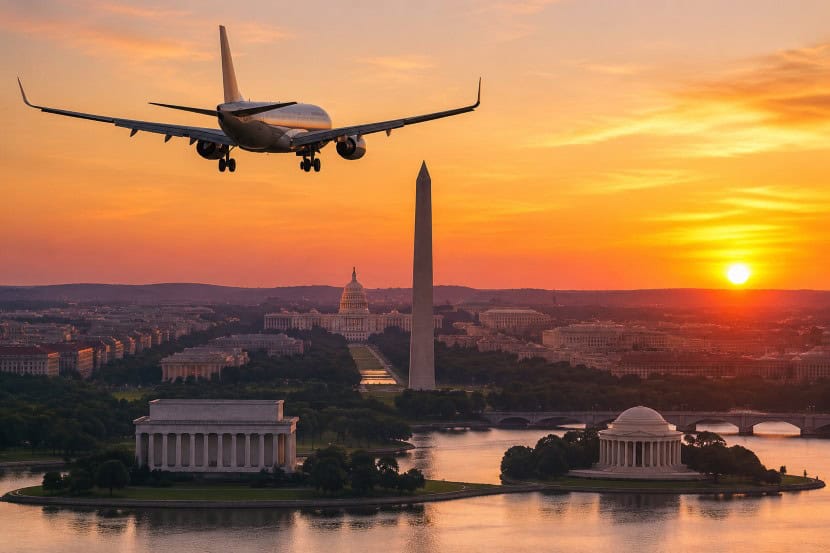
Washington D.C.’s airspace will be subject to an extensive temporary closure on July 4, 2026, resulting in a complete suspension of flight operations at Ronald Reagan Washington National Airport (DCA) as part of federal safety and security planning for Independence Day and America 250 semiquincentennial events. The Federal Aviation Administration (FAA) has confirmed the implementation of Temporary Flight Restrictions (TFRs) designed to restrict aircraft movement over and near the nation’s capital during periods of increased security requirements and scheduled aerial activity.
Extensive Temporary Flight Restrictions to Safeguard Celebrations
The FAA’s Temporary Flight Restrictions are regulatory actions that create controlled zones in U.S. airspace where aircraft operations are limited or suspended for specific periods. These measures are put in place to ensure the safety of all aircraft and people on the ground when special events, security operations, or unusual aerial activity are anticipated. For Washington D.C.’s July 4 festivities and related America 250 commemorations, these restrictions will be broader and longer in duration than typical year‑end holiday airspace controls, reflecting the scale and national significance of the events taking place in the region.
Under the scheduled TFRs, air traffic into and out of Reagan National Airport will halt during specified hours on July 4, with flights prior to late morning unaffected. The TFR period will begin midday and continue through much of the afternoon, during which no departures or arrivals at DCA are authorized. Airlines operating at the airport have been adjusting flight schedules to accommodate the expected interruption, and passengers are advised to confirm all travel details well in advance of planned departure dates.
Understanding the Scope of Restrictions Around DCA
Reagan National Airport is located within a complex airspace environment managed by the FAA’s Washington Air Route Traffic Control Center and security partners. Since the early 2000s, the airport has been part of the Special Flight Rules Area and Flight Restricted Zone surrounding Washington D.C., which impose additional restrictions on aircraft operations due to the proximity of government institutions, military installations, and critical national infrastructure.
Advertisement
Advertisement
Under normal conditions, these layered security zones require pilots to comply with strict procedures before entering or departing from the area. However, the TFRs scheduled for July 4 extend these constraints by suspending nearly all general aircraft operations within a defined radius of the city during peak celebration periods. The result is a complete cessation of commercial and general aviation flights at DCA for a portion of the Independence Day holiday.
Authorized flights under the TFR may include certain military aircraft operating under specific security protocols and flights with preapproved coordination through FAA and Department of Homeland Security channels. These exceptions are limited and do not include commercial passenger flights, which must remain grounded during the active TFR window unless otherwise coordinated by relevant aviation authorities.
Advertisement
Advertisement
Operational Impact for Travelers
The temporary natural and regulatory closure of flight operations at Ronald Reagan Washington National Airport on July 4 will have a significant effect on travelers planning to fly into or out of Washington D.C. on that day. Air carriers serving the airport have been notified of the TFR schedule and have broadly taken steps to adjust flight times accordingly. However, passengers scheduled to travel through DCA on July 4 should verify itineraries directly with their airlines and consider alternative arrangements if they encounter schedule disruptions.
Travelers might explore flights to nearby major airports outside the immediate restricted airspace, such as Washington Dulles International Airport or Baltimore/Washington International Thurgood Marshall Airport. These airports operate outside the inner airspace where the most comprehensive flight suspensions will occur and are expected to maintain normal operational status throughout the holiday period. Such planning offers travelers flexibility and continuity of service, particularly if their air travel plans hinge on precise timing around July 4 events.
FAA’s Regulatory Framework for TFRs
Temporary Flight Restrictions are part of the FAA’s broader traffic management tools authorized under U.S. aviation regulations. The goal of TFRs is to create a safe environment for all users of the National Airspace System when conditions warrant restrictions. Typical circumstances that prompt TFRs include natural disasters, major sporting events, VIP movements, wildfire responses, and security‑related events such as national celebrations or ceremonial aerial demonstrations.
In the case of Washington D.C.’s July 4 and America 250 schedule, the restrictions are designed to align with planned military flyovers, public gatherings, and enhanced security postures around federal landmarks and venues hosting large assemblies. A TFR notice outlines specific spatial boundaries and timeframes for the restricted airspace, and the FAA coordinates closely with air traffic control facilities, military agencies, and federal security organizations to enforce these measures when active.
For pilots and aviation operators, the FAA’s TFR guidance is essential to flight planning. TFR information is disseminated through Notices to Air Missions (NOTAMs) that list exact coordinates, altitudes, and times when the restrictions are effective. Pilots are required to check NOTAMs before flight in order to ensure compliance with any active TFRs and to avoid prohibited airspace during restricted periods.
Security Coordination and National Event Planning
The comprehensive restrictions over Washington D.C. during the July 4 period underscore the cooperation among federal agencies, including the FAA, the Department of Homeland Security, and event management authorities tasked with ensuring public safety. The coordinated effort aims to balance the celebration of national heritage with robust protective measures for both people on the ground and aircraft in the skies.
Advertisement
Advertisement
Security protocols for airspace management are heightened during large‑scale public events not only to protect participants but also to mitigate risks associated with unauthorized aerial activity. TFRs establish clearly defined no‑fly zones and collectively restrict aircraft movement to support security objectives, minimize congestion, and facilitate aerial displays with minimal interference from non‑authorized traffic.
Travel Planning and Passenger Guidance
Passengers planning travel during the July 4 holiday should remain aware of the FAA’s airspace restrictions and plan accordingly. Confirmed flight times and airport operations may vary depending on airline responses to the TFR schedule. Travelers with flights scheduled on July 3 or July 5 at Reagan National Airport may proceed as planned, subject to normal airline and airport procedures.
For travel directly on July 4, passengers should check the status of their flights well in advance, as the FAA’s temporary restrictions will prohibit departures and arrivals at Reagan National during the peak of the holiday’s airspace shutdown window. Airline notices and official aviation advisories provide the most accurate information regarding operational changes related to the TFRs.
Awareness of temporary airspace closures is a critical component of effective travel planning, especially when navigating national celebrations and other events that prompt enhanced security measures and regulatory actions over major urban centers such as Washington D.C.
Advertisement
