
Argentina Aligns With Brazil And More To Showcase Nine Unmissable Travel Destinations In 2026

Published
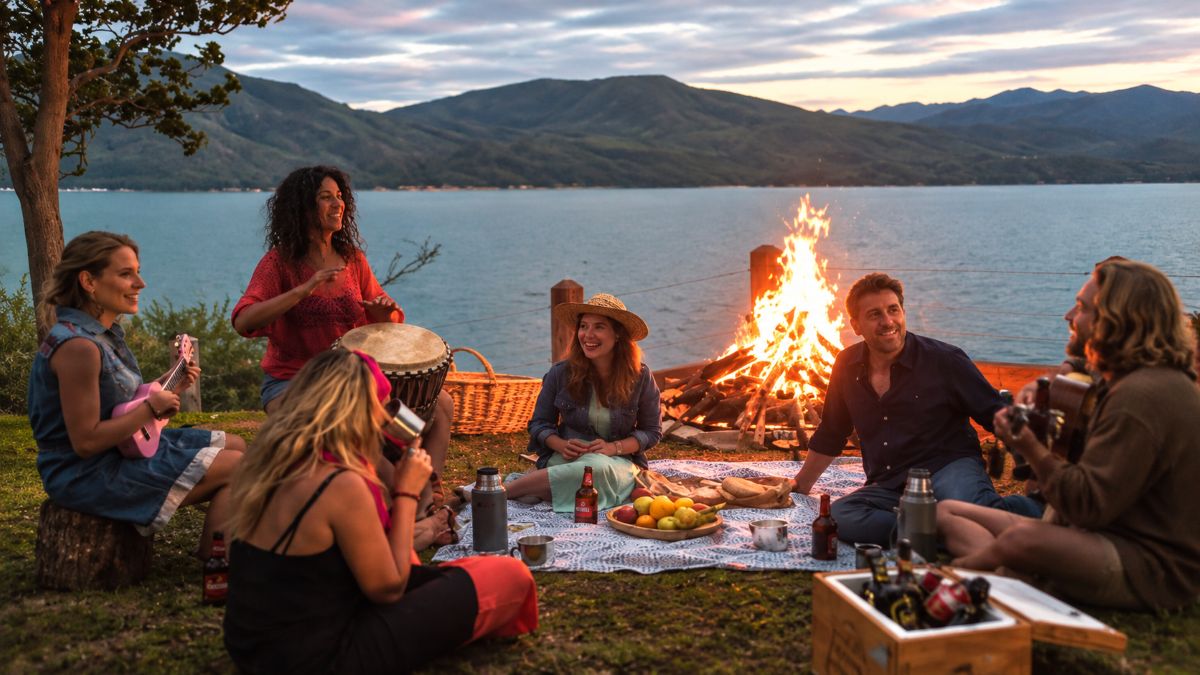
Argentina continues to offer one of South America’s most varied travel experiences, combining sophisticated cities, dramatic mountains, celebrated wine country, expansive salt flats, rainforest and remote southern landscapes. For travellers planning an Argentina holiday in 2026, the country’s enormous geographic range means that choosing where to go can be as important as deciding when to visit. The latest destination guide identifies nine places that capture different sides of the country, from the cultural energy of Buenos Aires to the wilderness of Patagonia and the wildlife-rich wetlands of Iberá.
The appeal lies in the ability to build very different journeys within one country. Visitors can combine museums, opera and restaurants in the capital with vineyard tastings in Mendoza, trekking around El Chaltén or lake landscapes around Bariloche. Further north, Jujuy introduces colourful Andean scenery and Indigenous cultural traditions, while Iguazú Falls delivers rainforest and spectacular waterfalls. Ushuaia provides a gateway towards Antarctica, and Iberá offers exceptional birdwatching.
Advertisement
Advertisement
Argentina’s Most Appealing Destinations For 2026
The nine destinations below provide a useful framework for planning an Argentina itinerary. They cover urban culture, gastronomy, wine, beaches, hiking, lakes, mountains, waterfalls, southern exploration and wildlife.
| Destination | Best For | Standout Experience |
|---|---|---|
| Buenos Aires | City culture | Opera, museums, bookshops and nightlife |
| Mendoza | Wine and food | Bodegas, Malbec and Andean scenery |
| El Chaltén | Hiking | Fitz Roy and Patagonia trekking |
| Mar del Plata | Beaches | Atlantic coast and summer traditions |
| Iguazú Falls | Waterfalls | Rainforest and Garganta del Diablo |
| Bariloche | Lakes | Nahuel Huapi and Seven Lakes scenery |
| Jujuy | Mountains and salt flats | Quebrada de Humahuaca and Salinas Grandes |
| Ushuaia | Antarctica access | Southern landscapes and outdoor adventure |
| Parque Nacional Iberá | Birdwatching | Wetlands, birds and wildlife |
The diversity represented by these destinations is particularly important for international visitors because Argentina is geographically vast. Attempting to see everything in a single short holiday can create an exhausting itinerary, making regional planning and seasonal considerations essential.
Advertisement
Advertisement
Buenos Aires Brings Argentina’s Culture Into Focus
Buenos Aires is the strongest starting point for travellers seeking Argentina’s urban character. The capital combines architecture, food, books, football, theatre, music and art, creating an energetic introduction to the country.
The city is particularly notable for its book culture, with hundreds of bookshops and book stalls spread across different neighbourhoods. Teatro Colón adds internationally recognised opera, ballet and symphonic performances, while museums including MALBA and the Museo Nacional de Bellas Artes broaden the cultural experience. Avenida Corrientes provides another concentration of theatres, restaurants and late-night entertainment.
Advertisement
Advertisement
Spring, particularly October and November, can be an attractive period to experience the capital, when jacaranda trees add colour to city streets and conditions are generally favourable. Palermo and San Telmo also provide convenient bases for visitors wanting restaurants and attractions nearby.
Mendoza Combines Vineyards With Andean Adventure
Mendoza is Argentina’s leading choice for wine-focused travel. Hundreds of bodegas produce Malbec alongside Cabernet Sauvignon and Syrah, while the surrounding Andean landscape gives the region a dramatic visual character.
Advertisement
Advertisement
Wine experiences can extend beyond tastings, with some vineyards offering workshops and food experiences. Mendoza also works well for travellers who want to balance gastronomy with outdoor pursuits, including hiking and rafting. The city’s strong restaurant scene adds another dimension to a wine-country itinerary.
Demand can increase during the December-to-February summer period, when Argentine travellers also take holidays. Advance reservations therefore remain important for popular bodegas and accommodation.
El Chaltén Opens The Door To Patagonia
For serious walkers and outdoor travellers, El Chaltén stands among Argentina’s most compelling destinations. The small Patagonian settlement provides access to Fitz Roy and Los Glaciares National Park, with extensive hiking opportunities and striking mountain scenery.
The nearby El Calafate area provides access to Perito Moreno Glacier, where enormous sections of ice can break away and fall into the water. Travellers interested in Patagonia should plan carefully around the seasons because winter can bring trail closures and difficult weather conditions. A windproof layer is useful even when conditions elsewhere appear mild.
Advertisement
Advertisement
Mar Del Plata Adds An Atlantic Coast Escape
Mar del Plata provides a different side of Argentina through its Atlantic beaches and long-standing holiday culture. It remains a favourite summer destination among Argentine travellers and combines seaside recreation with a distinctive urban history.
Its hotel and casino complex reflects the city’s development during Argentina’s modernisation in the 1930s and 1940s. Food traditions also form part of the experience, with alfajores, dulce de leche-filled pancakes and churros featuring prominently in the destination’s culinary identity. Travellers seeking a quieter coastal experience can consider smaller destinations such as Cariló.
Iguazú Falls Delivers Argentina’s Great Rainforest Experience
Iguazú Falls is among the country’s most dramatic natural attractions. Located in a rainforest region near the meeting point of Argentina, Brazil and Paraguay, the waterfall system combines immense scale with dense tropical surroundings.
The Garganta del Diablo, or Devil’s Throat, is the defining feature for many visitors. Because attractions extend across the Argentina-Brazil border, travellers may need to cross internationally during their visit. Queues can occur at the land border, particularly later in the day, so carrying the correct passport and allowing additional time is important.
Bariloche Offers Lakes Mountains And Winter Sports
Bariloche is one of Patagonia’s most versatile destinations, combining mountain scenery, forests and lakes around Lago Nahuel Huapi. The setting provides opportunities for sightseeing, road trips, camping and outdoor activities.
The Seven Lakes Scenic Road between Bariloche and San Martín de los Andes is particularly suited to travellers who want to experience the region by road. During winter, Cerro Catedral adds skiing and other snow-based activities to the destination’s appeal. Chocolate and local dining further strengthen Bariloche’s reputation as a leisure destination.
Advertisement
Advertisement
Jujuy Reveals Argentina’s High-Altitude Landscape
Northwestern Argentina offers a markedly different environment. Quebrada de Humahuaca features strikingly coloured mountains, while the Hornocal range and Salinas Grandes provide some of the region’s most memorable landscapes.
Jujuy also carries considerable cultural importance, with Indigenous communities including Kolla, Atacama, Quechua and Omaguaca maintaining traditions in the region. Local cuisine provides another reason to explore the area, with dishes such as humita en chala and tamales reflecting regional heritage.
Altitude is a serious planning consideration. Parts of the Humahuaca Valley exceed 3,000 metres, while some attractions reach around 4,350 metres. Travellers should therefore allow time to adjust and take high-altitude conditions seriously.
Ushuaia Extends The Journey Towards Antarctica
At Argentina’s southern edge, Ushuaia offers an experience defined by remoteness. Often described as the world’s southernmost city, it sits beneath the Andes and approximately 1,000km from Antarctica.
Its attractions change with the seasons. Summer brings hiking and outdoor exploration, while winter attracts visitors to Cerro Castor for snow sports. Regional cuisine adds a strong sense of place, particularly Patagonian lamb and locally caught crab. Even summer travellers should prepare for cool conditions, with temperatures rarely exceeding 15°C according to the source guide.
Iberá Highlights Argentina’s Wildlife Wealth
Parque Nacional Iberá offers an alternative to Argentina’s better-known mountains and cities. The wetlands in Corrientes province are particularly attractive to birdwatchers, with more than 360 bird species recorded in the region.
Advertisement
Advertisement
Boat and kayak excursions from Carlos Pellegrini can provide opportunities to observe birds, monkeys and reptiles in their natural environment. The area also contains traces of colonial history, including remains associated with Jesuit missions and Indigenous communities.
How To Choose The Right Argentina Destination
The best destination depends on the experience a traveller wants to prioritise. Buenos Aires suits culture and nightlife, Mendoza works particularly well for wine and gastronomy, and El Chaltén is better suited to hiking. Mar del Plata is the strongest option for an Atlantic beach holiday, while Iguazú Falls offers rainforest and waterfalls.
Bariloche is ideal for lakes and mountain scenery, Jujuy for high-altitude landscapes and cultural discovery, Ushuaia for southern adventure and Antarctic journeys, and Iberá for wildlife. This range makes Argentina particularly suitable for multi-centre holidays, provided travellers account for distances and seasonal differences.
Why Argentina Stands Out For Travel In 2026
Argentina’s greatest strength is its sheer variety. Few countries allow a traveller to move from sophisticated urban culture to vineyards, glaciers, beaches, rainforest, salt flats, alpine lakes and sub-Antarctic landscapes within one national itinerary.
The nine destinations highlighted for 2026 also demonstrate that Argentina is not dependent on one signature attraction. Its tourism appeal is distributed across regions and travel styles, allowing visitors to design journeys around food, culture, adventure, landscapes or wildlife. Careful seasonal planning is the key to making the most of that diversity.
Frequently Asked Questions
1. What are the best places to visit in Argentina in 2026?
Buenos Aires, Mendoza, El Chaltén, Mar del Plata, Iguazú Falls, Bariloche, Jujuy, Ushuaia and Parque Nacional Iberá are nine standout destinations identified in the source guide.
Advertisement
Advertisement
2. Which destination is best for first-time visitors to Argentina?
Buenos Aires is a strong introduction because it combines culture, food, entertainment, museums, architecture and everyday Argentine life.
3. Where should wine lovers go in Argentina?
Mendoza is the leading choice, with numerous bodegas and major grape varieties including Malbec, Cabernet Sauvignon and Syrah.
4. Which Argentine destination is best for hiking?
El Chaltén is particularly suited to hikers because of its proximity to Fitz Roy and extensive Patagonia trails.
5. Where can travellers see Iguazú Falls?
The Iguazú waterfall system lies in the rainforest near Argentina’s borders with Brazil and Paraguay. The Argentine side provides major viewing opportunities, including access to the Garganta del Diablo area.
6. Is Bariloche worth visiting in 2026?
Yes. Bariloche combines lakes, forests, mountain scenery, road trips, outdoor activities and winter sports, making it suitable across different travel seasons.
7. Is Jujuy suitable for travellers interested in culture?
Yes. Jujuy has a strong Indigenous cultural heritage alongside distinctive regional cuisine and landscapes shaped by centuries of history.
Advertisement
Advertisement
8. Why visit Ushuaia?
Ushuaia appeals to travellers interested in southern Patagonia, hiking, winter sports and journeys towards Antarctica.
9. Which Argentine destination is best for birdwatching?
Parque Nacional Iberá is the strongest choice among these nine destinations, with more than 360 bird species and opportunities for boat and kayak excursions.
10. How should travellers plan an Argentina itinerary?
Travellers should select destinations according to their interests and the season, rather than attempting to cover the entire country in one short trip. Argentina’s size makes regional planning particularly important.
Advertisement
