
Ocean Atlantic Retires After Forty Years as SunStone Ships Sends Expedition Cruise Vessel to Aliaga Turkey for Sustainable Recycling: Know More

Published
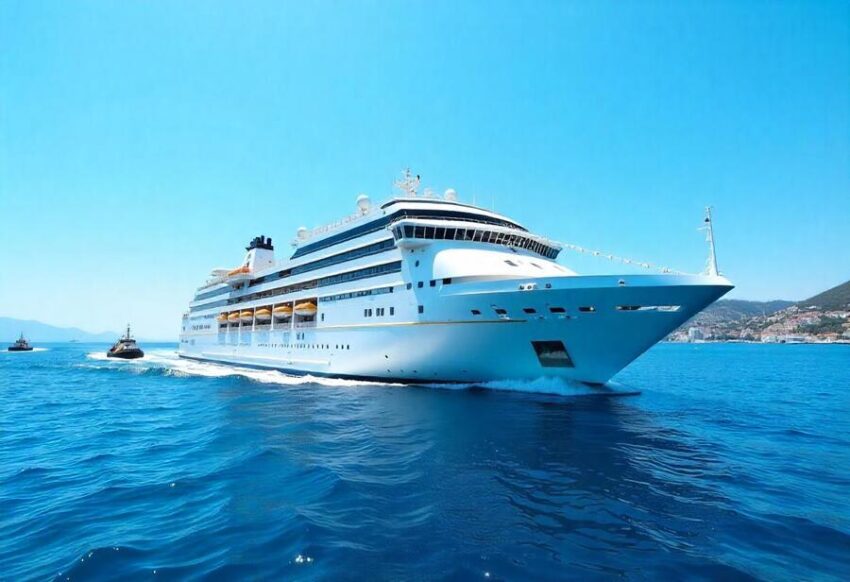 Image generated with Ai
Bringing four decades of global voyaging to a close, the Ocean Atlantic has officially reached the final destination of its long maritime career. The expedition cruise ship docked at Turkey’s Aliaga shipbreaking facility on May 3, 2025, where it is now set to be disassembled using environmentally responsible methods.
After spending months inactive in Northern France, the vessel departed on its final journey in late April. With its arrival in Aliaga, preparations are underway for the ship to be stripped of valuable materials, machinery, and equipment, all of which will be recycled or reused as part of a sustainable scrapping process.
SunStone Shifts Toward Modern, Eco-Driven Fleet
The Ocean Atlantic’s retirement reflects a broader strategy by SunStone Ships to replace aging tonnage with modern expedition vessels. In recent years, the company has redirected its investment toward the construction of high-efficiency, low-emission ships designed for the next generation of explorers.
This transition is centered on the Infinity-class program, which has already introduced six advanced ships into SunStone’s fleet. A seventh vessel, scheduled for delivery in late 2025, is currently being built in Asia, further solidifying the company’s commitment to innovation, safety, and environmental performance.
Advertisement
Advertisement
From Baltic Origins to Polar Adventures
Originally launched in Poland during the early 1980s, the Ocean Atlantic began its life as a passenger ferry before undergoing significant upgrades that transformed it into an ice-class expedition vessel. Its robust hull and specialized features enabled it to operate in polar regions, earning its place among the early pioneers of high-latitude cruising.
Over the years, the vessel served a wide range of itineraries and was chartered by multiple travel operators. With the ability to accommodate just under two hundred passengers, it delivered intimate adventure experiences in some of the most remote corners of the world, including the Arctic and Antarctica.
Advertisement
Advertisement
Final Years Marked by Layups and Decline
The ship’s last full season of expedition cruising concluded in 2022. Following its withdrawal from active service, the vessel faced mechanical issues believed to have stemmed from prolonged inactivity and wear after a period of emergency use and pandemic-related disruption.
Although interest briefly surfaced from prospective buyers aiming to repurpose the ship for scientific or operational missions, the deal never materialized. With no further plans for commercial deployment, the decision was made to send the ship for dismantling.
Advertisement
Advertisement
Green Recycling at a Leading Global Facility
Aliaga, located along Turkey’s Aegean coastline, is recognized as a global center for ship recycling and deconstruction. The Ocean Atlantic will be broken down under strict environmental controls, ensuring that steel, electrical components, navigation systems, piping, and furniture are responsibly removed and recycled.
The process not only prevents maritime waste from entering landfills or oceans but also allows reusable resources to return to industrial supply chains. This approach has become increasingly popular among cruise operators seeking to retire vessels in an ethical and sustainable way.
A Vessel That Defined an Era of Exploration
Throughout its long service life, the Ocean Atlantic connected travelers to some of Earth’s most remote and fragile environments. From its origins in Eastern Europe to its transformation into a polar expedition ship, it embodied a generation of adaptable vessels that bridged the gap between traditional cruising and immersive exploration.
Though no longer fit for operation, the ship will leave behind a legacy built on discovery and endurance. As its physical frame is recycled, its impact on the evolution of expedition travel remains intact—serving as a reminder of how the industry has grown and where it is headed.
The Ocean Atlantic may now be out of service, but its final chapter underscores a growing industry commitment to responsible practices, from shipbuilding to decommissioning.
Advertisement
