
Spain Aligns With Italy, France in Revealing Europe’s Most Irresistible Gastronomic Treasures and Extraordinary Foodie Adventures for 2026

Published
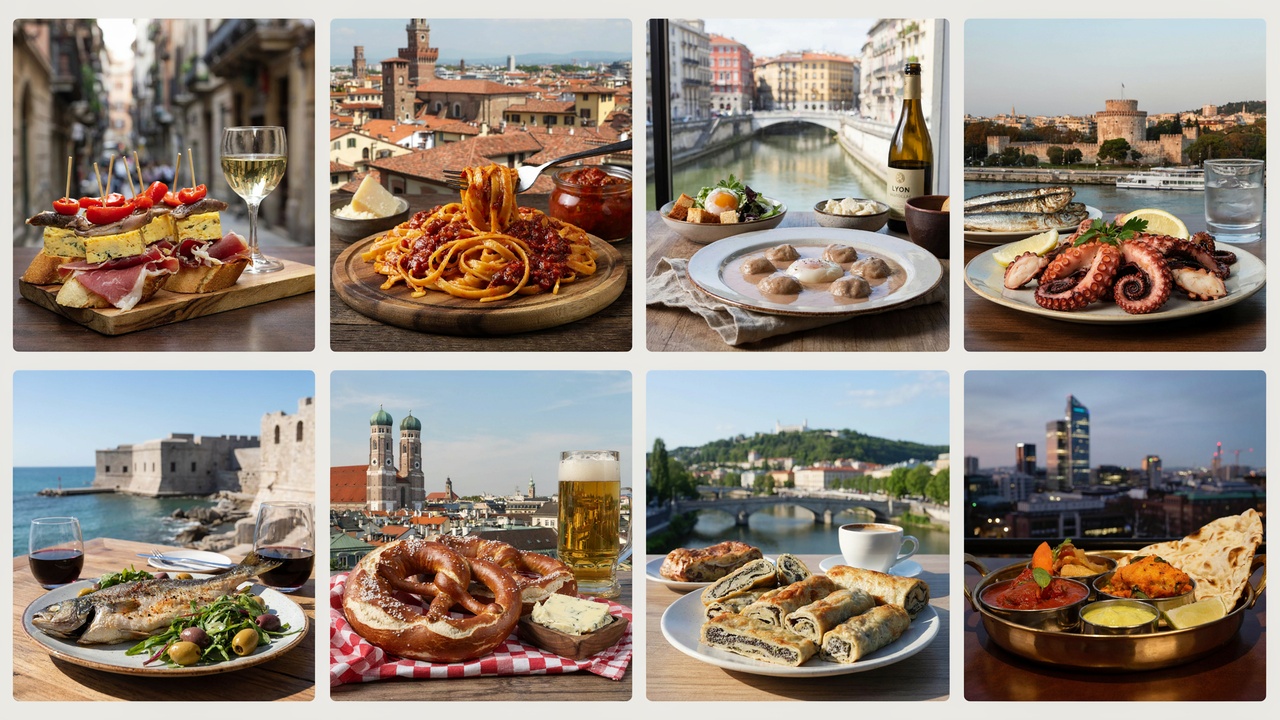
Europe is full of wonderful places to eat, and in 2026, eight cities are giving food lovers even more reasons to pack their bags. In Spain, San Sebastián is famous for its lively pintxos bars, while Bologna in Italy welcomes visitors with freshly made pasta and traditional family recipes. Lyon offers a taste of classic French cooking, and Thessaloniki brings together the rich flavours of Greek and Mediterranean cuisine. Split, Munich, Ljubljana and Manchester each have their own food traditions worth exploring. Whether it’s trying a local speciality, wandering through a busy food market or enjoying a meal at a small neighbourhood restaurant, these cities offer travellers a chance to experience everyday life through the food people love to cook and share.
Eight European Cities Bringing Local Food Traditions Into the Travel Spotlight
Food tourism has become an appealing way to discover Europe’s cities. Rather than planning every holiday around famous monuments, travellers can explore destinations through family recipes, traditional markets, neighbourhood cafés and regional specialities.
Advertisement
Advertisement
The eight featured cities represent different parts of Europe’s culinary landscape, from the Mediterranean to Central Europe and northern England.
Their appeal extends beyond fine dining. Visitors can enjoy inexpensive local snacks, discover traditional cooking methods and experience the cultural influences that have shaped each destination.
Advertisement
Advertisement
| Country | Featured city | Signature food experiences |
|---|---|---|
| Spain | San Sebastián | Basque pintxos, seafood, Rioja wine |
| Italy | Bologna | Tagliatelle al ragù, tortellini, mortadella |
| France | Lyon | Traditional bouchons, quenelles, praline tart |
| Greece | Thessaloniki | Bougatsa, seafood, soutzoukakia |
| Croatia | Split | Dalmatian seafood, pašticada, local olive oil |
| Germany | Munich | Bavarian pretzels, dumplings, traditional beer halls |
| Slovenia | Ljubljana | Kranjska klobasa, regional wines, Slovenian dishes |
| United Kingdom | Manchester | South Asian curries, biryani, kebabs, international cuisine |
Spain’s San Sebastián Delivers an Exceptional Basque Culinary Experience
San Sebastián, located in northern Spain’s Basque Country, has built a remarkable reputation around its food culture.
The city’s most recognisable speciality is the pintxo, a small savoury preparation traditionally enjoyed in bars. Some feature bread topped with seafood, vegetables or cured meat, while others showcase more elaborate combinations.
Advertisement
Advertisement
Visitors can explore the atmospheric Old Town, particularly streets such as 31 de Agosto, where pintxo bars form an important part of local social life.
A popular choice is the gilda, made with olives, anchovies and pickled peppers.
Advertisement
Advertisement
Beyond food, San Sebastián offers the beautiful La Concha beach, historic architecture and coastal scenery.
For travellers, the combination of excellent dining and seaside attractions makes the city particularly suitable for a short gastronomic holiday.
Italy’s Bologna Celebrates Handmade Pasta and Centuries of Culinary Heritage
Bologna, the capital of Italy’s Emilia-Romagna region, offers an authentic introduction to some of the country’s most celebrated culinary traditions.
The city is particularly associated with handmade pasta, including tagliatelle served with slow-cooked ragù and tortellini filled with meat or cheese-based preparations.
Advertisement
Advertisement
Mortadella Bologna, a protected geographical speciality, remains another important part of its food identity.
Visitors can discover traditional food shops, delicatessens and market stalls around the historic centre.
Bologna also provides a convenient base for exploring Emilia-Romagna’s wider food heritage, including Parmigiano Reggiano and traditional balsamic vinegar from the Modena area.
Its medieval streets, porticoes and lively dining atmosphere make food an enjoyable part of the overall sightseeing experience.
France’s Lyon Offers Traditional Restaurants and a Rich Gastronomic Legacy
Lyon remains one of France’s most recognisable culinary destinations, combining traditional regional cooking with contemporary restaurants.
Its most distinctive dining establishments are bouchons, small restaurants known for hearty local dishes and welcoming atmospheres.
Advertisement
Advertisement
Visitors can sample quenelles, Lyonnaise sausages, regional charcuterie and desserts featuring pink pralines.
Les Halles de Lyon Paul Bocuse is another important attraction, bringing together specialist food traders offering cheese, pastries, meat and other regional products.
The city’s location also provides access to the Beaujolais and Rhône wine regions.
Beyond its culinary reputation, Lyon offers UNESCO-listed historic districts, riverside walks and impressive architecture.
This combination of food, heritage and urban culture makes Lyon an attractive choice for travellers interested in discovering French traditions beyond Paris.
Greece’s Thessaloniki Combines Mediterranean Flavours With Diverse Cultural Influences
Thessaloniki offers one of Greece’s most distinctive urban food experiences.
Advertisement
Advertisement
Its cuisine reflects centuries of interaction between Greek, Balkan, Ottoman and Asia Minor culinary traditions.
Visitors can enjoy bougatsa, a popular pastry with sweet or savoury fillings, alongside seafood, grilled meats and traditional Greek dishes.
Local specialities include soutzoukakia, seasoned meatballs commonly served with sauce, and sweet pastries such as trigona Panoramatos.
The city’s markets, bakeries and waterfront restaurants create opportunities to experience its food culture throughout the day.
Thessaloniki is also recognised within UNESCO’s Creative Cities Network for Gastronomy, reflecting the importance of food to its cultural identity.
Its historic landmarks and lively waterfront further strengthen its appeal as a Mediterranean city-break destination.
Advertisement
Advertisement
Croatia’s Split Brings Authentic Dalmatian Flavours to the Adriatic Coast
Split combines Mediterranean food traditions with spectacular coastal scenery, making it an appealing destination for travellers who enjoy seafood and historic surroundings.
The city’s culinary identity is closely connected to the Adriatic Sea, with fresh fish, squid, shellfish and olive oil featuring prominently in local dishes.
One traditional speciality is pašticada, a slow-cooked beef dish commonly served with gnocchi.
Visitors can explore restaurants around Diocletian’s Palace, enjoy seafood near the waterfront or discover local produce at the city’s markets.
Split also offers access to nearby islands, where regional cooking traditions remain an important part of everyday life.
Its combination of ancient architecture, seaside dining and island excursions makes it attractive for travellers seeking a Croatian food holiday.
Advertisement
Advertisement
Germany’s Munich Showcases Bavarian Comfort Food and Historic Market Culture
Munich offers visitors an introduction to Bavaria’s hearty culinary traditions.
Traditional dishes include pretzels, sausages, potato dumplings, sauerkraut and roasted meats, often served in historic taverns and beer halls.
Viktualienmarkt, located near the city’s central Marienplatz, is a major attraction for food enthusiasts.
The market features stalls selling fresh produce, cheese, bread, regional specialities and prepared food.
Visitors can also experience Munich’s beer-garden culture, where informal outdoor dining remains an important social tradition.
Beyond its restaurants, Munich offers historic architecture, museums and access to the Bavarian Alps.
Advertisement
Advertisement
These attractions make the city suitable for travellers combining culinary experiences with cultural sightseeing and outdoor excursions.
Slovenia’s Ljubljana Introduces Travellers to Central Europe’s Lesser-Known Food Heritage
Ljubljana provides a distinctive culinary experience shaped by Slovenia’s position between the Alps, the Mediterranean and Central Europe.
The country’s cooking traditions reflect influences from neighbouring Italy, Austria, Hungary and Croatia.
One recognisable speciality is Kranjska klobasa, a traditional Slovenian sausage commonly served with mustard, horseradish or cabbage.
Visitors can also discover štruklji, a rolled-dough dish prepared with various fillings, alongside Slovenian wines and regional desserts.
Ljubljana’s riverside restaurants, central market and seasonal food events offer opportunities to explore both traditional and contemporary cuisine.
Advertisement
Advertisement
The city’s compact centre makes it particularly convenient for walking between restaurants, cafés and historic attractions.
Travellers can also combine a food-focused city break with excursions to Lake Bled or Slovenia’s surrounding countryside.
UK’s Manchester Celebrates South Asian Cuisine and an International Dining Scene
Manchester stands out for its multicultural food culture, particularly the restaurants and cafés along the famous Curry Mile.
Located on Wilmslow Road in Rusholme, this dining district is associated with South Asian and Middle Eastern cuisine.
Visitors can discover curries, biryani, grilled kebabs, freshly baked breads and traditional desserts.
The area’s culinary identity developed through generations of migration and family-run businesses, contributing to Manchester’s wider cultural character.
Advertisement
Advertisement
Today, the city also offers contemporary restaurants, independent cafés and international dining experiences across its neighbourhoods.
For travellers visiting northern England, Manchester provides an opportunity to explore how global food traditions have become part of British urban life.
Why Europe’s Culinary Cities Are Worth Exploring in 2026?
These eight destinations demonstrate how food can introduce visitors to the history and identity of a place.
Traditional markets support local producers, while restaurants preserve regional recipes and create opportunities for cultural exchange.
Culinary tourism also encourages travellers to explore neighbourhoods that may receive less attention than major sightseeing attractions.
For destinations, this interest can support independent businesses, hospitality employment and regional food production.
Advertisement
Advertisement
For visitors, the attraction is simple: a memorable meal can offer an understanding of local life that conventional sightseeing cannot always provide.
Frequently Asked Questions
1. Which European city is ideal for traditional Italian pasta?
Bologna is particularly associated with handmade tagliatelle, tortellini and rich regional sauces.
2. Where can travellers enjoy authentic Spanish pintxos?
San Sebastián’s Old Town is known for its numerous pintxo bars and Basque food traditions.
3. Which city is recognised for its Greek culinary heritage?
Advertisement
Advertisement
Thessaloniki is part of UNESCO’s Creative Cities Network for Gastronomy and offers a diverse range of Greek and regional specialities.
4. Which destination offers South Asian food experiences in the UK?
Manchester’s Curry Mile is known for its concentration of South Asian and Middle Eastern restaurants.
5. Can travellers explore these destinations without booking expensive restaurants?
Yes. Traditional markets, bakeries, casual restaurants and street-food establishments provide opportunities to experience local cuisine at different price points.
Europe’s Culinary Diversity Creates New Reasons to Travel
Spain, Italy, France, Greece, Croatia, Germany, Slovenia and the United Kingdom each have their own special food traditions, but what makes them truly interesting is the way food reflects local culture and everyday life. Every city has its own flavours, favourite dishes and recipes that families have passed down through generations. From enjoying freshly prepared pintxos in San Sebastián and homemade pasta in Bologna to trying traditional French meals in Lyon or flavourful South Asian dishes in Manchester, there is so much for visitors to discover beyond the usual tourist attractions.
For anyone planning a European holiday in 2026, these eight cities offer a wonderful opportunity to explore new places through their food. Travellers can wander through local markets, chat with food vendors, discover small family-run restaurants and try dishes that locals have enjoyed for years. More than simply finding somewhere good to eat, these experiences help visitors connect with the people, traditions and stories that make each destination special.
Advertisement
