 Somudranil Sarkar Somudranil Sarkar
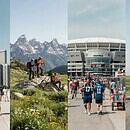
Image generated with Ai
The growing popularity of soft-adventure travel, U.S. National Parks, Yellowstone National Park, Grand Teton National Park, Great Smoky Mountains National Park, Acadia National Park, and Redwood National and State Parks has reshaped the way travellers explore America’s spectacular landscapes. Rather than pursuing demanding backcountry expeditions or physically challenging hikes, increasing numbers of visitors have been drawn towards accessible outdoor experiences that combine breathtaking scenery with comfort, safety and convenience. Scenic drives, paved walking paths, wildlife viewing, guided boat excursions and leisurely cycling have become the preferred way to discover some of the country’s most iconic protected landscapes. As travel trends continue evolving in 2026, these national parks have emerged as outstanding destinations where visitors of all ages can immerse themselves in nature without requiring advanced outdoor skills or strenuous physical activity.
Outdoor tourism has traditionally been associated with mountain climbing, wilderness trekking and physically demanding adventures. However, a noticeable shift has been witnessed as more travellers seek meaningful experiences that remain relaxing, inclusive and easy to enjoy.
Soft-adventure travel has been designed around accessibility rather than endurance. Families travelling with children, older visitors, first-time national park explorers and travellers seeking slower-paced holidays have increasingly embraced experiences that allow them to appreciate nature without significant physical exertion.
Gentle walking trails, panoramic scenic roads, guided rafting trips, wildlife photography opportunities and accessible viewing platforms have transformed the national park experience, allowing millions of visitors to enjoy remarkable landscapes while maintaining a comfortable pace.
Advertisement
Advertisement
Grand Teton National Park in Wyoming has established itself as one of the country’s premier destinations for peaceful outdoor exploration.
Instead of demanding mountain ascents, visitors can enjoy guided float trips along the Snake River, where calm waters carry travellers through one of America’s most spectacular mountain landscapes. Because professional guides handle navigation, the experience remains suitable even for visitors with no rafting experience.
The surrounding scenic roads also provide exceptional wildlife viewing opportunities. Bison, elk, moose and numerous bird species can frequently be observed from designated roadside pull-outs, allowing visitors to photograph wildlife safely while avoiding difficult terrain.
Towering mountain peaks reflected across crystal-clear lakes further enhance the park’s appeal for travellers seeking tranquillity rather than adventure sports.
Yellowstone National Park continues attracting millions of visitors by making some of the world’s most extraordinary geothermal features remarkably accessible.
Flat wooden boardwalks have been constructed throughout many of the park’s most famous geothermal areas, enabling visitors to walk safely beside steaming geysers, bubbling mud pots and colourful hot springs with minimal physical effort.
Grand Prismatic Spring, Old Faithful and numerous geothermal basins can all be experienced through carefully maintained pathways that accommodate visitors with varying mobility levels.
Wildlife viewing also remains one of Yellowstone’s greatest attractions. The expansive Hayden Valley and Lamar Valley regularly provide opportunities to observe bison, elk, wolves and other native wildlife directly from established roads and designated viewing areas, eliminating the need for lengthy hikes into remote wilderness.
California’s Redwood National and State Parks deliver an entirely different yet equally rewarding soft-adventure experience.
Home to the tallest trees on Earth, these ancient forests create an atmosphere of remarkable tranquillity. Gentle walking routes weave beneath towering redwood canopies, allowing visitors to experience the immense scale of these ancient giants without navigating steep climbs.
Many trails feature only modest elevation changes, making them suitable for visitors seeking relaxed forest exploration.
The Newton B. Drury Scenic Parkway further enhances accessibility by allowing travellers to drive directly through magnificent old-growth forests while stopping at numerous viewpoints and picnic areas along the route.
Fresh coastal air, peaceful surroundings and extraordinary biodiversity combine to create one of America’s most calming outdoor destinations.
Stretching across North Carolina and Tennessee, Great Smoky Mountains National Park remains America’s most visited national park for several important reasons.
The famous Cades Cove Loop offers one of the country’s finest scenic driving experiences. Historic churches, preserved log cabins and open meadows provide a fascinating glimpse into Appalachian history while also creating outstanding opportunities for wildlife observation.
Black bears, white-tailed deer, wild turkeys and numerous bird species are frequently seen throughout the valley.
Visitors looking for spectacular panoramic mountain scenery can also enjoy the paved pathway leading towards Clingmans Dome. Although a gentle incline remains, the route requires far less effort than traditional mountain hiking while rewarding visitors with sweeping views across the Appalachian Mountains.
Acadia National Park offers a distinctive blend of rugged Atlantic coastline and exceptionally accessible outdoor recreation.
Its famous carriage roads extend for approximately 45 miles and remain completely closed to motor vehicles. Constructed with compacted gravel surfaces, these historic routes create one of America’s safest environments for leisurely cycling, walking and family exploration.
Unlike busy highways, the carriage roads provide a peaceful setting where visitors can appreciate forests, lakes and stone bridges without traffic.
One of Acadia’s greatest attractions remains Cadillac Mountain, where travellers can drive directly to the summit to witness spectacular Atlantic Ocean sunrises. The experience allows visitors to enjoy one of the most celebrated coastal viewpoints in North America without undertaking a demanding climb.
Although each destination possesses its own distinctive character, several common features distinguish the finest soft-adventure parks.
Accessible infrastructure remains essential. Scenic roads, paved pathways, boardwalks, designated viewpoints and visitor facilities ensure that nature can be enjoyed comfortably by travellers with varying levels of mobility and experience.
Wildlife viewing opportunities further enhance the experience, allowing visitors to encounter iconic American species while remaining within safe observation areas.
Guided activities, educational programmes and carefully maintained visitor services also contribute to creating enjoyable experiences that minimise physical demands without sacrificing immersion in nature.
As travel preferences continue evolving, soft-adventure tourism is expected to become an increasingly significant part of the U.S. National Park experience.
Travellers are placing greater value on meaningful outdoor encounters that balance relaxation, accessibility and environmental appreciation. Rather than measuring success by the number of miles hiked, many visitors are now seeking memorable moments through scenic drives, peaceful forest walks, wildlife encounters and breathtaking viewpoints.
Grand Teton, Yellowstone, Great Smoky Mountains, Acadia and Redwood National and State Parks demonstrate how world-class natural attractions can be enjoyed by virtually everyone regardless of age, fitness level or previous outdoor experience. By combining outstanding landscapes with thoughtfully designed visitor facilities, these iconic parks continue welcoming millions of travellers while ensuring that America’s natural heritage remains accessible for generations to come.
Advertisement
Tags: Acadia National Park, Grand Teton National Park, Great Smoky Mountains, Redwood National and State Parks, soft adventure travel
Advertisement
Advertisement













Friday, September 4, 2026

Friday, September 4, 2026

Friday, September 4, 2026
Friday, September 4, 2026

Thursday, September 3, 2026

Wednesday, September 2, 2026

Friday, September 4, 2026

Friday, September 4, 2026


