
UK Steps Up with Austria, Belgium and More Among 84 Visa Free Travel Countries Boosting Aruba Tourism

Published
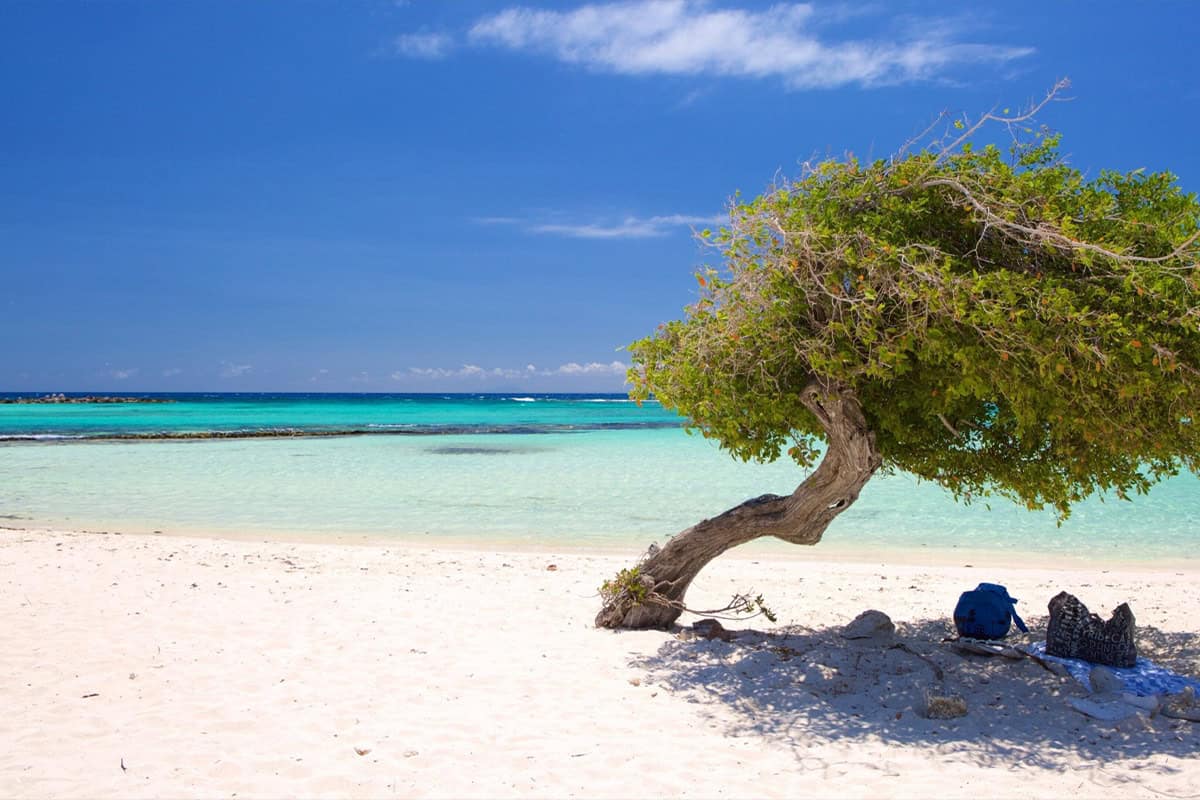
Located in the Southern Caribbean, the island of Aruba is poised to benefit from several of the European Union’s (EU) recently implemented border policies. A lesser-known inclusion in the UK’s post-Brexit policies has particularly attracted attention. Beginning January 1, 2026, citizens of the UK, as well as those of Austria and Belgium, were able to enter Aruba without a prior visa. As a result, Aruba has recently experienced a spike in tourism projections for the first time since the outbreak of the Covid-19 pandemic. According to various tourism analysts and professionals, Aruba is poised to benefit from easing international travel restrictions and border policies in the years to come. The tourism board of Aruba has implemented sustainable programs to maintain Aruba’s status as a luxury travel destination.
Aruba’s Strategic Geographical and Geopolitical Advantage
Located outside the Caribbean hurricane belt, Aruba has long enjoyed a geographical advantage that guarantees year-round sunshine and safe travel conditions. However, its geopolitical positioning as a constituent country of the Kingdom of the Netherlands provides a unique layer of stability, security, and international diplomatic prestige. This relationship ensures that the island operates under a robust legal and border control framework while maintaining the autonomy to manage its domestic economic policies. By aligning its immigration protocols with European standards, the local government has established a highly secure yet welcoming environment. This seamless integration of international border security with Caribbean hospitality forms the bedrock of the island’s thriving tourism sector, ensuring that international visitors feel both safe and unburdened by administrative hurdles upon arrival.
Advertisement
Advertisement
The Kingdom of the Netherlands Visa Policy Framework
The overarching visa policy governing entry into Aruba is legislated in conjunction with the broader Kingdom of the Netherlands. Under this established framework, border control is rigorously managed, yet incredibly accommodating to low-risk international visitors. Tourists visiting the Caribbean parts of the Kingdom, which include Aruba, Curaçao, Sint Maarten, Bonaire, Sint Eustatius, and Saba, are subject to a unified Caribbean visa system. However, the government has intelligently implemented massive exemptions to stimulate travel. Rather than enforcing stringent consular applications, the authorities have recognised that frictionless borders are essential for maintaining a competitive edge in the global leisure market. This forward-thinking immigration strategy effectively eliminates the friction of consular appointments, application fees, and lengthy processing times, making spontaneous and luxury travel highly accessible.
Breaking Down the 84 Visa-Free Travel Countries List
At the core of this economic surge is the comprehensive list of 84 nations whose citizens are exempt from requiring a visa for short-term tourist stays. This meticulously curated list includes the United States, Canada, the entirety of the European Union, the United Kingdom, and numerous South American nations. Passport holders from these authorised jurisdictions are generally permitted to stay for up to 30 days natively, with provisions allowing citizens of the Netherlands and the United States to extend their stays for up to 180 days. By categorising these 84 nations as visa-exempt, immigration authorities have effectively cast a wide, highly lucrative net over the world’s most robust economies, ensuring a constant influx of high-net-worth individuals and repeat holidaymakers eager to enjoy the island’s pristine beaches.
Advertisement
Advertisement
The Evolution of the Aruban Tourism Model
Aruba’s economic reliance on international visitors is an evolutionary marvel. Throughout the early and mid-20th century, the island’s financial heartbeat was tethered to oil refining, particularly the Lago Oil and Transport Company. Following the industry’s decline, visionary policymakers successfully pivoted the local economy toward hospitality, fundamentally transforming the island’s infrastructure. Today, tourism is not just a sector; it is the cornerstone of economic activity, responsible for the vast majority of the island’s Gross Domestic Product (GDP). By continuously adapting to global travel trends, expanding luxury accommodation portfolios, and liberalising entry requirements for strategic source markets, the destination has successfully insulated itself from external economic shocks, transitioning into a modern, resilient, and highly profitable tourism-centric economy.
Latest Official Developments as of September 2026
The Implementation of the Aruba Sustainability Fee
As of late 2025 and deeply entrenched by September 2026, the government formally implemented a $20 sustainability fee applicable to all international arrivals by air. This critical policy shift reflects a mature destination acknowledging the environmental toll of mass tourism. Collected digitally prior to arrival, the revenue generated from this mandatory fee is strictly ring-fenced for environmental conservation, marine protection, wastewater management, and upgrading local infrastructure. Rather than deterring visitors, official statistics indicate that modern travellers are highly receptive to the levy, viewing it as a transparent investment in the island’s long-term ecological health. This initiative successfully balances the economic necessity of high arrival numbers with the ethical imperative of preserving the fragile Caribbean ecosystem.
Advertisement
Advertisement
Digital Transformation: The Evolution of the Aruba ED Card
Bureaucratic efficiency has reached new heights with the full digital evolution of the Embarkation and Disembarkation (ED) Card. All international tourists are legally required to complete this digital customs and immigration form up to seven days prior to their departure flight. By digitising the entry process, border authorities can pre-screen passenger manifests, dramatically reducing queues and wait times at Queen Beatrix International Airport. The ED Card platform integrates the payment of the sustainability fee, health declarations, and accommodation verification into a single, user-friendly interface. This frictionless digital handshake is routinely cited by international travel operators as a gold standard in modern border management, significantly enhancing the overall visitor experience before they even step off the aircraft.
Advancements in US Preclearance and Global Entry Options
Because the United States accounts for roughly three-quarters of the island’s total stayover visitors, optimising their transit experience is a matter of national economic security. Aruba remains one of the few international destinations offering full United States Customs and Border Protection (CBP) Preclearance facilities. Throughout 2025 and 2026, this system was further enhanced with the integration of the Global Entry on Arrival programme. Conditionally approved Global Entry applicants can now complete their mandatory interviews while departing the island, entirely bypassing the need to schedule appointments back in the United States. This extraordinary level of logistical integration ensures that departing American tourists face zero immigration queues upon landing domestically, further cementing the island’s status as the ultimate frictionless holiday destination.
Spotlight: UK Steps Up With Austria, Belgium And More Among 84 Visa Free Travel Countries Boosting Aruba Tourism
The United Kingdom: Stepping Up as a Premium European Source Market
A major narrative unfolding throughout 2026 is how the UK Steps Up With Austria, Belgium And More Among 84 Visa Free Travel Countries Boosting Aruba Tourism. British holidaymakers have traditionally gravitated towards the English-speaking Caribbean, but enhanced flight connectivity and the allure of a secure, visa-free environment have rapidly shifted their gaze. British Airways and major charter operators like TUI have solidified direct and seamless connecting routes, drawing affluent travellers from London and the broader UK. British tourists are highly prized by the local hospitality sector due to their extended average length of stay and substantial daily expenditure. Their presence heavily boosts the shoulder seasons, providing a reliable stream of income outside the traditional North American winter peak.
Austria: Niche Luxury and Sustainable Travellers
Austria represents a fascinating and rapidly growing demographic within the 84 visa-free travel countries. While the absolute volume of Austrian visitors may not rival the United States, their per-capita spending power and preference for high-end, boutique, and eco-friendly accommodations make them a highly coveted demographic. Benefiting from seamless transit through major European hubs like Amsterdam Schiphol, Austrian passport holders enjoy absolute freedom of entry. Demographic profiling by tourism boards indicates that Austrian travellers frequently engage in high-yield cultural and nature-based activities, such as private sailing charters, advanced scuba diving excursions, and premium culinary experiences, perfectly aligning with the government’s strategic pivot toward sustainable, high-value tourism.
Belgium: Direct Connections and Shared Heritage
Belgium’s geographical and linguistic proximity to the Netherlands positions it as a natural, rapidly expanding source market. With direct flights available and a shared linguistic thread—Flemish being deeply compatible with the Dutch spoken across the island—Belgian tourists report remarkably high satisfaction and comfort levels. The visa-free arrangement permits affluent Belgian families and corporate retreat groups to plan extensive holidays with zero administrative friction. In 2026, Belgian arrival numbers continue to climb, heavily driven by strategic marketing campaigns launched by the Aruba Tourism Authority (ATA) across Northern Europe. This targeted outreach aims to diversify the visitor portfolio, ensuring that the local economy is not exclusively reliant on North American market fluctuations.
Government Announcements and Strategic Tourism Policies
Ministry of Tourism and Aruba Tourism Authority (ATA) Targets for Q4 2026
As the final quarter of 2026 approaches, the Ministry of Tourism, in close collaboration with the Aruba Tourism Authority (ATA), has published highly ambitious yet sustainable targets. The official mandate has definitively shifted from merely increasing the sheer volume of visitors to significantly increasing the yield per visitor. Strategic government announcements heavily emphasise upgrading the island’s luxury infrastructure, incentivising five-star hotel developments, and regulating the explosive growth of short-term rentals. By officially targeting high-net-worth individuals and corporate incentive travel groups, the government aims to maximise gross tourism receipts while simultaneously mitigating the physical wear and tear on the island’s public infrastructure and natural landscapes.
Advertisement
Advertisement
The “Aruba Promise” and Environmental Conservation Initiatives
A cornerstone of recent policy updates is the “Aruba Promise,” an officially sanctioned code of conduct designed to educate and mandate responsible visitor behaviour. The government proactively requires tourists to digitally acknowledge this pledge during the ED Card application process. The promise explicitly prohibits the removal of natural sand, seashells, and coral, while outlining strict regulations regarding the use of reef-safe sunscreen and the protection of local wildlife. This robust public relations and environmental policy hybrid highlights the administration’s dedication to protecting the very assets that make the destination profitable. Compliance is actively monitored, and the widespread adoption of these rules underscores a successful transition towards genuinely sustainable mass tourism.
Kingdom-Wide Border Security and Customs Enhancements
Behind the scenes, the seamless visa-free experience is underpinned by rigorous, intelligence-led border security operations coordinated with the broader Kingdom of the Netherlands. The Royal Netherlands Marechaussee and local border enforcement agencies have integrated advanced biometric screening and digital passport control kiosks throughout Queen Beatrix International Airport. These official upgrades ensure that while legitimate tourists from the 84 visa-free countries experience zero friction, potential security threats are accurately identified and neutralised before boarding their flights. This delicate balance of iron-clad security and welcoming hospitality is frequently cited by international aviation authorities as a masterclass in modern border logistics.
Comprehensive Statistics: Analysing the 2025-2026 Boom
Stayover Visitor Records and Dominant Market Shares
Official data verified through the Central Bureau of Statistics (CBS) and the Aruba Tourism Authority confirms that 2025 was a record-shattering year, welcoming exactly 1,515,102 stayover visitors—a staggering 6.6% increase over the previous year. The United States remains the undisputed powerhouse, commanding an overwhelming 74.7% market share, heavily concentrated from the US Northeast. However, the strategic inclusion of European and Latin American nations on the visa-free list is visibly paying dividends. Latin American arrivals surged by a monumental 38% in late 2024 and early 2025. Moving through 2026, preliminary Q1 and Q2 data demonstrate continued, sustainable growth, with January 2026 alone registering 136,578 visitors maintaining an average stay of 7.8 nights.
Cruise Tourism: A Complementary Economic Pillar
While stayover tourists are the primary drivers of overnight accommodation and extensive retail spending, cruise tourism remains a vital, highly lucrative complementary pillar. Official port authority statistics for 2025 reveal that 970,803 cruise passengers disembarked across a record 376 ship calls. This rapid influx of daytime visitors injects immediate capital into local excursion operators, taxi syndicates, independent restaurants, and luxury retail boutiques located in Oranjestad. The visa-free framework applies perfectly here; cruise passengers visiting for under 24 hours face absolutely no immigration paperwork, allowing them to instantly disembark and begin spending. Port expansions and dredging projects slated for late 2026 aim to accommodate even larger Oasis-class vessels seamlessly.
Aviation and Airport Passenger Data for 2026
Queen Beatrix International Airport (AUA) continues to shatter historical capacity records. In 2025, the facility processed an astonishing 3.4 million total passengers, reflecting comprehensive network expansions by major international carriers. By September 2026, the airport authority has reported sustained operational excellence, handling complex scheduling matrices that accommodate daily wide-body jets from Europe, North America, and South America. To support this volume, the government has injected significant capital into terminal expansions, upgraded baggage handling systems, and enhanced VIP lounge facilities. The airport’s performance is a direct reflection of the frictionless visa policy; airlines are overwhelmingly confident in launching new routes to a destination where passengers face no bureaucratic barriers.
Lodging, RevPAR, and Accommodation Analytics
The financial health of the island’s hospitality sector is best understood through standard industry metrics, which are currently at historic highs. Official 2024 data highlighted an average daily tourist spend of AFL 553, with hotel Revenue Per Available Room (RevPAR) hitting $298. The momentum continued aggressively into Q1 2025, with RevPAR skyrocketing to $409.9 alongside an 86.0% occupancy rate. Furthermore, average spending per stayover visitor reached a highly profitable $1,949. These verified statistics demonstrate that the destination is not merely attracting more bodies; it is successfully attracting high-yield consumers willing to pay premium rates for luxury beachfront access, sophisticated dining, and exclusive island experiences.
Advertisement
Advertisement
Policy Implications for the Broader Caribbean
Regional Competition vs. Strategic Collaboration
Aruba’s immense success with its 84 visa-free countries policy has forced neighbouring Caribbean nations to re-evaluate their own immigration frameworks. Destinations such as the Dominican Republic, the Bahamas, and Jamaica are closely monitoring the Aruban model, observing how eliminating consular friction directly translates to massive GDP growth. However, rather than engaging in a race to the bottom regarding pricing, Aruba has maintained its premium positioning. The island frequently engages with regional bodies like the Caribbean Tourism Organization (CTO) to share best practices in border management and sustainability, fostering a spirit of strategic collaboration rather than hostile regional competition.
Managing Sustainable Capacity Limits and Overtourism
The paradox of immense success is the looming threat of overtourism. With over 1.5 million stayover visitors descending upon a relatively small island, the physical carrying capacity of local infrastructure is constantly tested. In response, the Ministry of Tourism has initiated comprehensive environmental and social impact studies throughout 2026. The objective is to scientifically determine the absolute maximum threshold of simultaneous visitors the island can safely sustain without degrading the local quality of life or the natural environment. Policy implications include placing hard caps on the development of new mega-resorts, strictly regulating the issuance of new short-term rental permits, and intentionally driving prices upward to naturally filter volume.
Visa Reciprocity and Diplomatic Relations
The Kingdom of the Netherlands manages visa reciprocity on behalf of its constituent countries. The list of 84 visa-exempt nations is not entirely static; it is subject to ongoing geopolitical review. Diplomatic engagements throughout 2026 ensure that while borders remain open to lucrative source markets, security protocols are never compromised. The government closely monitors illegal overstays and works in tandem with international law enforcement agencies to maintain the integrity of the visa waiver programme. This proactive diplomatic stance guarantees that the island remains a trusted partner in global travel, immune to the border crises that occasionally plague less regulated developing destinations.
Industry Impact: Hotels, Restaurants, and Local Businesses
Job Creation and the Resurgent Labour Market
The economic velocity generated by visa-free tourism has resulted in historically low unemployment rates. The hospitality sector is an insatiable engine for job creation, offering widespread employment opportunities ranging from entry-level service positions to executive corporate management. Throughout 2026, government labour reports highlight a significant surge in demand for bilingual and multilingual professionals capable of servicing the diverse influx of European, American, and South American tourists. Furthermore, the construction sector continues to boom as renovations, infrastructure upgrades, and the development of boutique properties keep local contractors fully engaged year-round.
The Rapid Surge in Alternative Accommodations
A transformative trend officially documented in recent Central Bureau of Statistics reports is the explosive growth of the alternative accommodation sector. By the end of 2024 and continuing through 2026, short-term rentals, villas, and boutique Airbnb properties accounted for a massive 37% share of all visitor nights. This category has officially surpassed conventional hotel stays (21%) and all-inclusive resorts (14%) combined. While this diversifies the local economy and empowers independent property owners, it has prompted the government to implement stringent zoning laws and taxation frameworks to prevent the hollowing out of residential neighbourhoods and ensure a level playing field for traditional hoteliers.
Culinary Tourism and Restaurant Revenue Growth
The island’s culinary scene has evolved into a primary attraction, moving far beyond standard resort buffets. Official payment processing data reveals the sheer scale of this sector; in recent recorded periods, Visa cardholders alone generated over $204.4 million in restaurant expenditures. With the influx of high-spending European tourists from the UK, Austria, and Belgium, demand for fine dining, locally sourced seafood, and internationally recognised chefs has skyrocketed. The local government has actively supported this through culinary festivals and agricultural initiatives, ensuring that local farmers and fishers directly benefit from the immense capital injected into the restaurant ecosystem.
Advertisement
Advertisement
Economic Implications and Long-Term GDP Growth
Tourism Receipts, Visa Spending Data, and Averages
The macroeconomic indicators for Aruba are exceptionally robust. Preliminary data for 2025 recorded total tourism credits at a phenomenal AFL 5.55 billion, an impressive 6.5% increase over the previous year. This massive influx of foreign currency is the lifeblood of the local economy. Detailed spending data highlights that tourists are not just paying for flights and hotels; they are heavily engaging in retail shopping ($153.6 million via Visa alone) and local services. By maintaining the 84 visa-free travel countries framework, the government ensures that this pipeline of foreign capital remains utterly unobstructed, fueling national reserves and strengthening the local florin, which remains pegged to the US Dollar.
Central Bank of Aruba Economic Outlook for 2026 and 2027
The Central Bank of Aruba (CBA) explicitly categorises tourism as the undisputed “cornerstone of economic activity.” Following a massive real GDP growth phase post-pandemic, the CBA’s economic outlook for 2026 projects a stabilisation phase with a highly respectable 1.8% real growth. This normalisation indicates a mature, stable economy operating at near-maximum capacity rather than a volatile boom-and-bust cycle. The Central Bank’s reports actively commend the government’s border policies, noting that real tourism exports grew by a staggering 9.6% in 2024, setting a financial foundation that ensures the government can comfortably meet its sovereign debt obligations while funding domestic public services.
The Role of Foreign Direct Investment in Hospitality
Unprecedented visitor statistics and frictionless borders create a highly attractive environment for Foreign Direct Investment (FDI). Global hospitality conglomerates and private equity firms are actively injecting capital into the island. Recent official developments in 2026 include the approval of ultra-luxury boutique hotels and massive renovations of existing legacy resorts along Eagle Beach and Palm Beach. The government stringently vets these investments, ensuring that new developments strictly adhere to the sustainability mandates funded by the $20 entry fee. This influx of FDI guarantees that the island’s physical infrastructure continuously evolves to meet the exacting standards of the affluent international travellers it courts.
Tourism, Business, and Public Impact
Infrastructure Developments and Strategic Traffic Management
To cope with the daily movement of over 1.5 million annual stayover tourists and nearly a million cruise passengers, public infrastructure is undergoing continuous enhancement. The Ministry of Infrastructure has rolled out comprehensive traffic management systems around key arteries connecting Queen Beatrix International Airport to the high-rise hotel districts. Significant investments in public transportation, road widening projects, and pedestrian-friendly boardwalks in Oranjestad are actively underway in late 2026. These developments are deliberately funded by tourism taxation, ensuring that the heavy footprint of international visitors directly finances the physical upkeep of the island.
Socioeconomic Benefits for the Local Aruban Community
The ultimate metric of successful tourism policy is the tangible benefit delivered to the local population. The massive surplus in tourism receipts allows the government to heavily subsidise public healthcare, maintain high-quality educational institutions, and invest in community welfare programmes. The visa-free policy does not merely enrich foreign hotel owners; the aggressive taxation of the hospitality sector ensures wealth redistribution. Local entrepreneurs, ranging from independent tour operators to retail boutique owners, report record-breaking profits in 2026, solidifying the middle class and driving upward socioeconomic mobility across the island.
Education and Training in the Hospitality Sector
To maintain its legendary 65% repeat visitation rate—claimed as the highest in the entire Caribbean—service excellence is absolutely paramount. Recognising this, official educational mandates in 2026 have heavily funded vocational training and hospitality management programmes at the University of Aruba and local technical colleges. Students are trained not only in operational logistics but in advanced language skills, cultural intelligence, and sustainable tourism practices. By professionalising the hospitality workforce, the government ensures that the local population captures the highest-paying managerial roles within the sector, rather than relying on expatriate labour to manage the luxury resorts.
Advertisement
Advertisement
Official Statements and Expert Alignments
Perspectives from the Aruba Tourism Authority (ATA)
The Aruba Tourism Authority (ATA) acts as the primary architect of the island’s global marketing strategy. In their most recent 2026 briefings, ATA executives have continuously highlighted that the policy of maintaining 84 visa-free travel countries is the most potent weapon in their marketing arsenal. They assert that the ability to launch immediate, tactical digital marketing campaigns in countries like the UK, Austria, and Belgium—knowing that consumers can book and fly the next day without consular delays—provides an incalculable competitive advantage. Their official stance remains fiercely committed to pushing value, increasing average daily spend, and enhancing the overall visitor journey from digital booking to physical departure.
Validating Central Bureau of Statistics (CBS) Data
Transparency and data integrity are fundamental to retaining investor confidence. The Central Bureau of Statistics (CBS), working in tandem with the ATA and the Central Bank, continuously publishes verified, peer-reviewed data regarding arrival metrics, hotel occupancies, and economic impact. Financial analysts and global organisations like the IMF and the World Bank rely heavily on this data to assess the island’s economic health. The meticulous tracking of metrics—such as the 38% growth in Latin American arrivals or the precise $409.9 RevPAR figures—proves that the government’s strategic pivot toward high-value, visa-exempt tourism is based on hard, undeniable mathematical reality rather than speculative marketing.
Insights from the Aruba Hotel and Tourism Association (AHATA)
The private sector, represented by the Aruba Hotel and Tourism Association (AHATA), remains closely aligned with government policies. AHATA’s official statements throughout 2026 reflect widespread support for the $20 sustainability fee and the digitised ED Card system. Hoteliers report that removing border friction directly correlates with higher on-property spending, as guests arrive less stressed and more willing to immediately engage in leisure activities. Furthermore, AHATA strongly advocates for the continued expansion of direct airlift from major European capitals, recognising that diversifying the visitor base beyond the dominant US market is critical for long-term operational stability.
Future Outlook: Navigating 2027 and Beyond
Expansion of Direct European and Global Flight Routes
Looking toward 2027, the Ministry of Transport and the aviation authorities are heavily focused on securing new, direct wide-body routes. Discussions are actively ongoing to establish deeper connections with non-traditional but highly affluent markets within the 84 visa-free nations. By targeting major airline hubs in Germany, Switzerland, and deeper into the UK, the island intends to further solidify its European footprint. The strategic goal is to utilise the frictionless visa policy to convince major international carriers that routing their most premium aircraft to the island is a guaranteed, low-risk, high-reward logistical decision.
Balancing High Volume with High-Value Tourism Exclusivity
The ultimate challenge facing policymakers as they transition out of 2026 is maintaining the delicate equilibrium between welcoming millions of visitors and preserving the island’s exclusive, luxury appeal. The government is acutely aware that unchecked volume leads to the degradation of the tourism product. Therefore, future legislation is widely expected to focus on aggressive yield management—using pricing, premium taxation, and strict zoning laws to naturally limit mass arrivals while simultaneously elevating the quality, spending power, and environmental consciousness of the tourists who do arrive.
Long-Term Vision for a Resilient Island Economy
Ultimately, the narrative of 2026 proves that smart, data-driven border policies can fundamentally elevate a nation. By maintaining the list of 84 visa-free travel countries, enforcing the digital ED Card, implementing the sustainability fee, and actively targeting high-yield markets like the UK, Austria, and Belgium, the government has constructed an economic fortress. This resilient, highly adaptable tourism ecosystem is fully prepared to navigate future global economic headwinds, ensuring that the destination remains the crown jewel of Caribbean hospitality for decades to come.
Advertisement
