 Somudranil Sarkar Somudranil Sarkar
Image generated with Ai
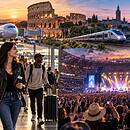
In 2026, South Korea tourism, France, Italy, European travellers, K-culture, and BTS have emerged as major contributors to one of the country’s strongest tourism performances on record. Fresh figures released by the Ministry of Culture, Sports and Tourism and the Korea Tourism Organization (KTO) have shown that long-haul arrivals from Europe and the Americas exceeded 690,000 visitors during the first half of the year, reflecting growing international interest in South Korea’s culture, entertainment, shopping, and regional tourism experiences.
The remarkable growth has been supported by a combination of global enthusiasm for Korean popular culture, expanded airline connectivity, major entertainment events, and broader exploration beyond Seoul. While the South Korean capital has continued to serve as the country’s principal tourism gateway, increasing numbers of international visitors have also been encouraged to discover destinations such as Busan and Jeju Island, creating broader economic benefits across the country.

Image generated with Ai
South Korea has continued strengthening its position as one of Asia’s fastest-growing long-haul tourism destinations during 2026.
According to data released by the Ministry of Culture, Sports and Tourism together with the Korea Tourism Organization (KTO), international arrivals from Europe and the Americas surpassed 690,000 during the first six months of the year.
Advertisement
The milestone has highlighted sustained confidence among long-haul travellers despite ongoing global economic uncertainty affecting parts of the international tourism industry.
European markets have become increasingly significant within South Korea’s visitor portfolio, with France and Italy emerging as two of the principal contributors to this expanding travel demand.
Their growing importance has reflected broader changes in travel preferences, where visitors have increasingly sought destinations offering unique cultural experiences, world-class entertainment, advanced infrastructure, and convenient international accessibility.

Image generated with Ai
Among European source markets, France and Italy have played particularly important roles in supporting South Korea’s record-breaking tourism growth.
Travellers from both countries have increasingly selected South Korea for holidays centred on cultural exploration, entertainment, shopping, cuisine, and modern urban experiences.
The popularity of Korean music, television dramas, fashion, beauty products, and culinary traditions has continued strengthening awareness of South Korea throughout Europe, encouraging growing numbers of long-haul visitors to experience the country firsthand.
Improved accessibility and expanding airline networks have further enhanced South Korea’s competitiveness within the European tourism market, making travel more convenient than ever before.
As a result, France and Italy have become leading contributors to the country’s continued international tourism expansion.
One of the strongest factors supporting South Korea’s tourism growth has been the continued international influence of K-culture.
Korean entertainment has evolved into a major tourism driver capable of attracting visitors from every continent.
Music, cinema, television dramas, fashion, cosmetics, food, and digital media have collectively enhanced South Korea’s international image while encouraging destination-based travel motivated by popular culture.
Many international visitors have selected South Korea specifically to experience locations associated with globally recognised entertainment, cultural districts, shopping areas, and culinary attractions that have gained worldwide popularity through digital platforms.
The country’s tourism industry has successfully transformed cultural influence into sustained visitor demand, strengthening its position within the increasingly competitive global tourism market.
A particularly significant contributor to visitor growth during 2026 has been the highly anticipated BTS group comeback concert held in Seoul.
Global anticipation surrounding the event generated substantial international travel demand well before the concert itself took place.
Hundreds of thousands of dedicated fans from around the world travelled to South Korea to participate in one of the year’s largest entertainment events.
The concert not only attracted visitors directly attending performances but also encouraged longer holidays combining sightseeing, shopping, dining, and regional travel throughout South Korea.
The economic impact extended beyond ticket sales, supporting hotels, airlines, restaurants, retail businesses, local transportation providers, and numerous tourism-related industries across the capital.
The event further demonstrated the growing importance of entertainment tourism within South Korea’s national tourism strategy.
International air connectivity has also played a central role in supporting South Korea’s tourism expansion.
Major airline route developments and increased flight frequencies have strengthened connections between European transit hubs and Incheon International Airport.
Improved scheduling and expanded seat capacity have reduced travel barriers for long-haul leisure travellers while increasing convenience for visitors arriving from major European markets.
The enhanced connectivity has enabled South Korea to compete more effectively with other Asian destinations seeking long-haul tourism from Europe and North America.
As international aviation networks continue expanding, additional opportunities are expected to emerge for further tourism growth across the country.
Although Seoul has remained South Korea’s primary tourism gateway, changing visitor behaviour has encouraged broader geographical distribution throughout the country.
Increasing numbers of international travellers have begun exploring destinations beyond the capital, contributing to stronger tourism development across multiple regions.
According to official figures, arrivals through regional airports increased by nearly 50 per cent during the reporting period.
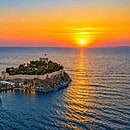
This significant rise has reflected growing international interest in destinations including Busan and Jeju Island.
Busan has continued attracting visitors through its coastal scenery, seafood culture, modern urban attractions, and international events, while Jeju Island has strengthened its appeal through volcanic landscapes, natural beauty, outdoor activities, and resort experiences.
The broader distribution of visitors has supported more balanced tourism development while reducing concentration within Seoul.
The expansion of long-haul tourism has also delivered significant economic benefits for South Korea.
Tourist expenditure using foreign credit cards reached an all-time quarterly record of 3.21 trillion won, equivalent to approximately 2.18 billion US dollars.
The increase has been driven in part by high-spending visitors arriving from Europe and other Western markets.
International tourists have continued making substantial contributions through purchases involving accommodation, luxury retail, cosmetics, fashion, restaurants, entertainment, transportation, and cultural attractions.
The record spending has highlighted tourism’s growing importance as a contributor to South Korea’s broader economy while supporting businesses operating across numerous sectors.
Retail tourism has remained one of South Korea’s strongest competitive advantages.
Visitors arriving from France, Italy, and other European countries have increasingly incorporated shopping into their travel itineraries.
Luxury fashion, Korean beauty products, electronics, lifestyle goods, and locally produced merchandise have continued attracting strong international demand.
Major shopping districts throughout Seoul have benefited from increasing visitor numbers, while regional retail centres have also experienced stronger international activity as tourism disperses beyond the capital.
The combination of shopping opportunities with cultural experiences has further strengthened South Korea’s overall tourism appeal.
South Korea’s tourism success has increasingly reflected the close relationship between entertainment and travel.
Large-scale concerts, cultural festivals, exhibitions, sporting events, and international performances have continued encouraging destination-based travel throughout the country.
Rather than serving solely as entertainment experiences, these events have generated extended tourism activity by encouraging visitors to spend additional days exploring multiple destinations.
The integration of cultural programming into tourism promotion has enabled South Korea to distinguish itself within Asia while attracting repeat international visitors seeking new experiences.
The continued expansion of European and American visitor numbers has demonstrated South Korea’s growing competitiveness within the international tourism market.
Unlike shorter regional travel, long-haul tourism often generates higher visitor spending, longer average stays, and broader exploration across multiple destinations.
These characteristics have increased the economic value of visitors arriving from France, Italy, and other long-haul markets.
Their contribution has extended beyond tourism statistics by supporting airlines, hospitality businesses, cultural institutions, transportation providers, and regional economies throughout the country.
The latest figures released by the Ministry of Culture, Sports and Tourism and the Korea Tourism Organization have illustrated that South Korea’s tourism growth has been driven by multiple complementary factors rather than any single trend.
The worldwide influence of K-culture, the international appeal of BTS, expanded airline connectivity, rising interest in regional destinations, and record-breaking visitor expenditure have collectively strengthened the country’s tourism performance during 2026.
France and Italy have emerged among the leading European markets supporting this remarkable expansion, while growing demand from Europe and the Americas has reinforced South Korea’s reputation as one of the world’s most dynamic long-haul travel destinations.
As international connectivity continues improving and global interest in Korean culture remains exceptionally strong, South Korea appears well positioned to sustain this tourism momentum throughout the remainder of 2026 and into the years ahead.
Advertisement
Tags: BTS, France Travel, Italy Travel, K-culture, South Korea tourism
Advertisement
Advertisement












Saturday, September 5, 2026

Saturday, September 5, 2026

Saturday, September 5, 2026
Saturday, September 5, 2026
Saturday, September 5, 2026

Saturday, September 5, 2026

Saturday, September 5, 2026
Saturday, September 5, 2026



