
Old Phnom Penh Airport To Be Transformed into Thriving Public Park

Published
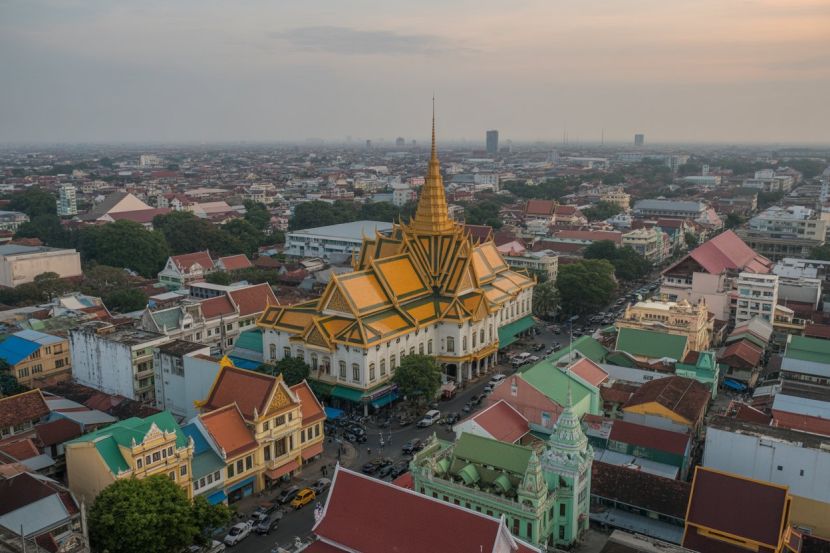 Image generated with Ai
Cambodia’s bustling capital, Phnom Penh, is set to receive a major transformation with the redevelopment of Phnom Penh International Airport, commonly known as Pochentong Airport. This iconic site, which has played a significant role in the country’s aviation history since its opening in 1959, will now be repurposed into a public park. The plan, announced by Prime Minister Hun Manet, promises to offer residents and visitors a large, green space dedicated to community recreation, while preserving a section for emergency air traffic.
Phnom Penh’s New Urban Space: A Green Oasis for Tourists and Locals
With the closure of Phnom Penh International Airport on September 9, 2025, the government has chosen to preserve its land as a community asset rather than sell it to private interests. The airport will be transformed into a vast public park spanning over 200 hectares. This park will offer much-needed green space for Phnom Penh’s residents, who are rapidly adjusting to modern lifestyles, with access to areas for walking, running, and even hosting public concerts.
Advertisement
Advertisement
For tourists and travelers, this newly designed park will serve as a retreat, providing a comfortable and relaxing environment right in the heart of the city. The public park will feature tree-lined paths, ponds, and open spaces for community events. The decision to repurpose the old airport, complete with existing infrastructure, ensures that the project can be initiated swiftly, making it one of the most anticipated urban green developments in Cambodia.
A Hub of Heritage: Preserving the Legacy for Future Generations
While the transformation promises to bring modern amenities to Phnom Penh, the site’s historical significance will not be overlooked. The airport’s infrastructure, designed by notable architects like Pierre Dufau and Vann Molyvann, will be preserved. The old terminal buildings, with their distinctive architecture, are set to be repurposed as a museum and commercial spaces, allowing for the preservation of the airport’s legacy while generating funds for ongoing maintenance.
Advertisement
Advertisement
Though the government faced public calls to preserve the airport in its original form, the decision was made to balance heritage conservation with community benefit. The park will offer a visual connection to the past while providing much-needed green space for residents and visitors alike. The preservation of the historical structures will allow tourists to appreciate the rich architectural history of Cambodia’s past, particularly the influence of French colonial design.
The Plan for Public Recreation: What Tourists Can Expect
The initial plans for the redevelopment of Phnom Penh International Airport are expansive. The park will be designed with tourists in mind, creating a space that is both accessible and engaging. Along with the walking paths and green areas, there will be designated zones for outdoor concerts and other public events, encouraging a vibrant, communal atmosphere. The government’s $3 million annual maintenance budget will ensure that the site remains operational and accessible, with ongoing improvements to its infrastructure and services.
Advertisement
Advertisement
For those who enjoy outdoor activities, the park will offer a unique combination of nature and history, where visitors can learn about Cambodia’s aviation history while enjoying the peaceful surroundings. With the completion of the Techo International Airport, this new development marks a new chapter for Phnom Penh, welcoming tourists to an exciting urban space that highlights the city’s evolving modernity and respect for its history.
Phnom Penh’s Historical Context: From Khmer Republic to Modern Cambodia
Phnom Penh International Airport has seen it all, from the turbulent years of the Khmer Republic and Khmer Rouge regime to the subsequent rebuilding of Cambodia. Originally constructed with the help of the French, the airport grew alongside the nation’s changing fortunes. Following a major upgrade in 1995, the airport reached a capacity of five million passengers annually, reflecting Cambodia’s rapid growth and increasing international connections.
Advertisement
Advertisement
Since its closure, some historians have advocated for the airport to be preserved as a historical recreation center, given its role in the country’s past. While this suggestion has not been adopted, the idea of commemorating its historical significance remains central to the redevelopment plan. In the coming years, the public park will become a hub not just for leisure but for remembrance, linking Cambodia’s past and future in a single space.
Exploring Phnom Penh’s Iconic Attractions: A Blend of Culture and History
Phnom Penh, a city rich in culture and history, offers visitors several must-see landmarks. These iconic sites reflect Cambodia’s vibrant past, and while the airport park will become a major attraction, there are other places in Phnom Penh that shouldn’t be missed.
The National Museum of Cambodia, located on Street 13 opposite the Royal Palace, is home to a remarkable collection of art from Cambodia’s “golden age” of Angkor. Highlights include graceful statues of Hindu gods, ancient stelae, and the famous “Leper King” statue. The museum’s peaceful courtyard and historical exhibits make it a perfect stop for history enthusiasts. Visitors can also find a selection of books on Cambodian archaeology and culture at the museum’s gift shop.
Another iconic site is the Royal Palace and the Silver Pagoda, located on Sothearos Blvd, just a short walk from Sisowath Quay. The palace remains the official residence of the King of Cambodia, but much of the complex is open to the public. The Silver Pagoda, known for its intricate glass tiles, and the temple of the Emerald Buddha are must-see attractions that represent the fusion of French technology and traditional Cambodian design. Visitors should dress modestly to enter the palace, as proper attire is strictly enforced.
Advertisement
Advertisement
For a relaxing stroll, Sisowath Quay along the Tonle Sap River is the ideal spot. Known for its lively atmosphere, the riverside promenade is lined with cafes and shops, providing a perfect blend of local life and tourist attractions. While the area is bustling, it’s also a place where Cambodians gather in the early mornings and evenings to enjoy outdoor exercise, offering an authentic glimpse into daily life in Phnom Penh.
A Future-Oriented Phnom Penh: More Green Spaces on the Horizon
The Phnom Penh government is also planning an additional 70-hectare public park near Kob Srov Lake, further expanding its vision of green spaces. As more of the city becomes urbanized, the demand for parks and recreational areas grows, and these developments reflect the government’s commitment to improving the quality of life for both locals and visitors.
Phnom Penh’s transformation into a more sustainable and livable city continues, with a focus on providing spaces for relaxation and leisure. As the city grows, the public parks will play a pivotal role in fostering a balanced urban environment where residents and tourists can both work and unwind. In early 2026, the newly converted airport park will be officially opened, becoming a major destination for both locals and international visitors seeking a blend of history, culture, and recreation.
Image Source: AI
Advertisement
