
Ukraine Pairs Up United States, Germany, United Kingdom, France, Poland, NATO Allies as Kyiv Air Assault Renews Global Push for Safer European Travel and Stronger Air Defense Cooperation: New Report

Published
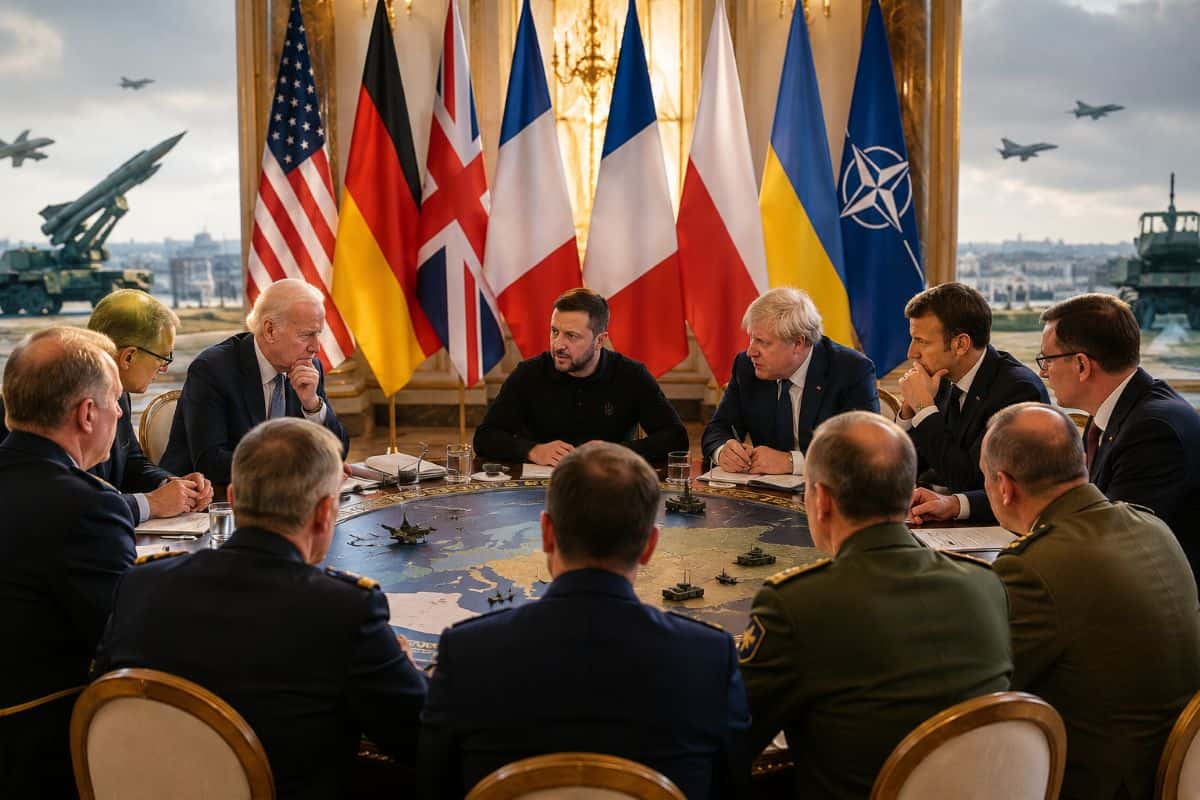
Image generated with Ai
Russia’s latest large-scale missile and drone attack on Kyiv has once again placed Ukraine at the center of international attention, prompting renewed diplomatic engagement between Kyiv and several Western allies. The latest wave of strikes, which damaged residential neighborhoods and critical infrastructure while causing civilian casualties, has intensified discussions on regional security, humanitarian assistance, and the future of travel across Eastern Europe. As Ukraine continues to strengthen partnerships with the United States, Germany, the United Kingdom, France, Poland, and NATO allies, governments are reassessing both defense cooperation and travel advisories for the region.
For the travel industry, the developments extend well beyond military and political implications. Airlines, tour operators, travel insurers, hotel groups, business travelers, and international organizations are closely monitoring the security environment. While commercial tourism in Ukraine remains largely suspended because of ongoing conflict and airspace restrictions, neighboring European destinations continue adapting to evolving traveler expectations regarding safety, transportation resilience, and cross-border mobility. The renewed cooperation among Ukraine and its international partners reflects a broader effort to stabilize the region while maintaining confidence in European travel networks.
Ukraine Expands International Partnerships Following Renewed Kyiv Attack
| Partner Country | Primary Area of Cooperation | Travel Industry Relevance |
|---|---|---|
| United States | Air defense support and security assistance | Regional travel confidence |
| Germany | Military equipment and humanitarian aid | European transportation stability |
| United Kingdom | Defense cooperation and reconstruction planning | Business travel resilience |
| France | Diplomatic coordination and infrastructure support | Tourism recovery planning |
| Poland | Border management and refugee assistance | Cross-border mobility |
| NATO Allies | Collective security coordination | Regional travel safety |
The latest attack has reinforced Ukraine’s close coordination with Western partners that have consistently supported the country’s defense and humanitarian requirements. Governments across Europe and North America have reiterated commitments to strengthening Ukraine’s defensive capabilities while emphasizing the importance of protecting civilian infrastructure.
Beyond military cooperation, these partnerships are also influencing long-term planning for transportation, border operations, reconstruction, aviation recovery, and tourism development once security conditions improve.
Advertisement
Advertisement
Kyiv Attack Highlights Ongoing Challenges for European Travel
| Sector | Current Impact |
|---|---|
| Aviation | Ukrainian airspace remains closed |
| Tourism | Leisure travel remains highly restricted |
| Rail Transport | Domestic and international rail continues operating selectively |
| Hotels | Serving humanitarian, diplomatic, and business travelers |
| Insurance | Elevated travel risk assessments |
The renewed strikes underscore the continuing challenges facing travelers and travel businesses connected to Ukraine. Although neighboring countries continue welcoming international visitors, travel into Ukraine remains subject to strict government advisories issued by numerous countries.
Airlines continue avoiding Ukrainian airspace, requiring alternative flight routes that increase travel times across parts of Eastern Europe. International rail services connecting neighboring countries with western Ukraine remain an important transportation option for humanitarian workers, diplomats, journalists, and authorized travelers.
Advertisement
Advertisement
European Governments Continue Updating Travel Guidance
| Country | Advisory Status |
|---|---|
| United States | Avoid travel |
| United Kingdom | Advise against all travel |
| Germany | High-risk advisory |
| France | Strong travel warning |
| Poland | Border information updated regularly |
Travel advisories remain one of the most significant considerations for international visitors. Governments continue urging citizens to avoid non-essential or all travel to Ukraine because of ongoing missile attacks, drone strikes, infrastructure damage, and security uncertainties.
Neighboring countries have strengthened border coordination to facilitate humanitarian crossings while ensuring efficient movement of goods and essential personnel. These measures have helped maintain regional transportation links despite continued conflict.
Aviation Industry Watches Security Developments Closely
| Aviation Factor | Current Situation |
|---|---|
| Ukrainian Airspace | Closed to civilian aviation |
| Flight Diversions | Continue across Eastern Europe |
| Airline Planning | Monitoring reopening scenarios |
| Airport Infrastructure | Subject to ongoing assessments |
The aviation sector remains among the industries most affected by the conflict. Ukrainian airports continue to suspend commercial passenger operations, while international airlines maintain alternative routing across neighboring airspace.
Industry analysts believe reopening Ukrainian airspace will require extensive infrastructure inspections, international aviation coordination, enhanced security measures, and comprehensive risk assessments before scheduled passenger services can safely resume.
Tourism Recovery Will Depend on Long-Term Stability
| Recovery Priority | Expected Benefit |
|---|---|
| Infrastructure reconstruction | Improved accessibility |
| Enhanced security | Visitor confidence |
| International investment | Tourism development |
| Heritage restoration | Cultural tourism revival |
| Airline return | International connectivity |
Despite ongoing challenges, tourism experts continue preparing long-term recovery strategies for Ukraine’s travel industry. Before the conflict, cities including Kyiv, Lviv, and Odesa attracted growing numbers of international visitors interested in cultural heritage, architecture, gastronomy, and historical attractions.
Future recovery plans include rebuilding transportation infrastructure, restoring cultural landmarks, supporting hospitality businesses, and encouraging international investment once stable security conditions return.
Advertisement
Advertisement
Humanitarian Cooperation Shapes Cross-Border Mobility
| Area | Importance |
|---|---|
| Refugee support | Humanitarian movement |
| Border coordination | Efficient crossings |
| Medical assistance | Emergency response |
| International logistics | Supply chain continuity |
Humanitarian organizations continue working alongside European governments to facilitate cross-border movement for displaced individuals while maintaining essential transportation corridors. Poland and other neighboring countries remain central hubs for humanitarian logistics and refugee assistance.
These coordinated efforts have also influenced broader transportation planning, ensuring freight, emergency services, and aid deliveries continue reaching affected regions despite ongoing operational challenges.
Business Travel Continues Under Special Circumstances
International business travel into Ukraine remains limited primarily to humanitarian agencies, diplomatic missions, infrastructure specialists, reconstruction planners, journalists, and approved organizations.
Companies conducting operations related to reconstruction, energy, logistics, telecommunications, and humanitarian relief continue implementing comprehensive security protocols before deploying personnel into the country. Many organizations coordinate closely with local authorities and international partners to manage operational risks.
Global Tourism Industry Monitors Regional Stability
European tourism organizations continue observing developments closely because regional security directly influences traveler confidence, airline scheduling, insurance policies, and investment decisions.
While popular destinations across Central and Western Europe continue experiencing healthy visitor demand, ongoing developments in Eastern Europe encourage travelers to remain informed through official government advisories before planning multi-country itineraries.
Advertisement
Advertisement
The resilience demonstrated by neighboring tourism markets illustrates how regional cooperation, transportation flexibility, and coordinated security measures can support broader European tourism despite localized disruptions.
International Cooperation Could Shape Future Travel Recovery
Ukraine’s expanding partnerships with the United States, Germany, the United Kingdom, France, Poland, and NATO allies extend beyond immediate security concerns. Reconstruction planning increasingly includes transportation modernization, airport redevelopment, railway improvements, hospitality investment, digital border management, and cultural heritage preservation.
Travel experts believe that once peace and stability are restored, Ukraine possesses significant long-term tourism potential owing to its rich cultural heritage, UNESCO sites, historic cities, Black Sea coastline, mountain destinations, culinary traditions, and vibrant urban experiences. International cooperation established during the conflict could eventually accelerate the country’s tourism revival and reintegration into Europe’s broader travel ecosystem.
FAQs
1. Why is Ukraine strengthening partnerships with Western countries?
Ukraine is seeking additional defense, humanitarian, reconstruction, and diplomatic support following renewed attacks.
2. Which countries are most actively supporting Ukraine?
The United States, Germany, the United Kingdom, France, Poland, and other NATO allies remain key partners.
3. Is it safe to travel to Ukraine now?
Most governments continue advising against travel because of ongoing security risks.
Advertisement
Advertisement
4. Is Ukrainian airspace open for commercial flights?
No. Ukrainian airspace remains closed to civilian commercial aviation.
5. How has the conflict affected European travel?
It has altered flight routes, influenced travel advisories, and increased security planning across the region.
6. Are neighboring European countries still welcoming tourists?
Yes. Most neighboring countries continue operating normal tourism services while maintaining updated border procedures.
7. What sectors are preparing for Ukraine’s future recovery?
Aviation, hospitality, transportation, infrastructure, and cultural tourism sectors are planning long-term recovery initiatives.
8. Can international business travelers still enter Ukraine?
Limited travel is possible for authorized humanitarian, diplomatic, and essential business purposes under strict security protocols.
9. What role does Poland play in the current situation?
Poland serves as a major humanitarian, transportation, and logistical gateway supporting Ukraine.
10. What does the future hold for Ukraine’s tourism industry?
Tourism recovery will depend on lasting peace, infrastructure reconstruction, improved security, renewed airline operations, and continued international investment.
Advertisement
