

Myanmar Links With China, Thailand, India and More Countries as Ancient Temples, Buddhist Heritage, Luxury Hotels and Visa Expansion Drive a Powerful Tourism Revival After Visitor Arrivals Rise Five Per Cent with One Point Eight Million Tourist Target in 2026

Published
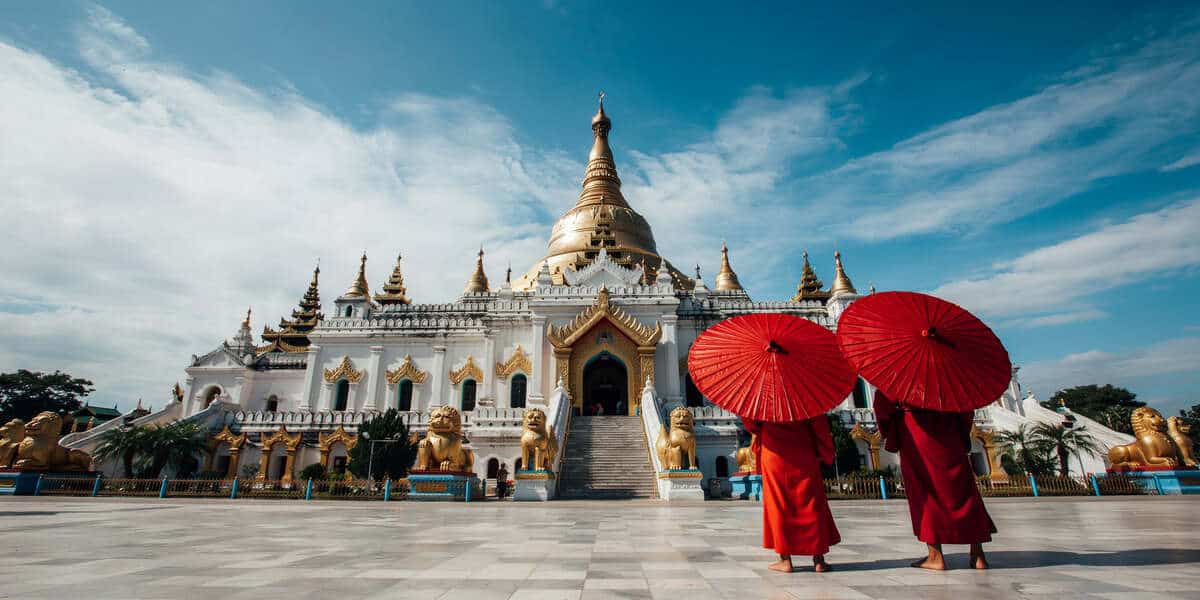
Myanmar is rebuilding its tourism future by using its ancient temples, Buddhist heritage, luxury hotels and easier visa access to attract more visitors from China, Thailand, India and other key markets while targeting one point eight million arrivals in 2026. The Southeast Asian nation is turning its cultural treasures and spiritual destinations into the foundation of a major recovery strategy after years of challenges affected travel demand and investment. With visitor arrivals reaching 973,263 in 2025 and 448,205 during the first five months of 2026, representing a five per cent increase compared with the previous year, Myanmar is seeking stronger growth through regional tourism connections. Chinese arrivals increased twelve per cent, while Thai visitors grew seven per cent during the period, highlighting the importance of neighbouring markets as the country promotes Buddhist pilgrimage routes, historic landmarks and premium hospitality experiences to regain its position as a leading cultural destination.
Myanmar is placing its ancient temples, Buddhist pilgrimage sites, cultural treasures and luxury hospitality sector at the heart of a major tourism recovery campaign as the country attempts to rebuild visitor confidence and revive one of Southeast Asia’s most historic destinations.
Advertisement
Advertisement
The country is aiming to attract one point eight million visitors in 2026, almost double recent arrival levels, by expanding visa access, improving regional connectivity and focusing on key tourism markets including China, Thailand, India, South Korea, Japan and Russia.
The ambitious tourism push comes after years of challenges that severely affected Myanmar’s travel industry. Political instability, conflict and international isolation reduced visitor numbers and weakened tourism investment. Now, authorities are attempting to position tourism as one of the first visible signs of economic recovery.
Advertisement
Advertisement
Myanmar’s strategy is built around its unique cultural strengths. Ancient temples, golden pagodas, Buddhist monasteries, historic cities and luxury hotels are being promoted as major attractions for travellers seeking heritage, spirituality and authentic experiences.
Official figures show Myanmar welcomed 973,263 visitors in 2025. During the first five months of 2026, the country recorded 448,205 visitors, representing growth of around five per cent compared with the same period a year earlier. However, reaching the one point eight million visitor target will require stronger growth during the remaining months of the year.
Advertisement
Advertisement
Myanmar Revives Ancient Temples and Buddhist Heritage to Attract Travellers
Myanmar’s biggest tourism advantage remains its centuries-old cultural heritage. The country is home to thousands of Buddhist temples, religious landmarks and historic destinations that showcase its deep connection with spirituality and traditional architecture.
The ancient temple city of Bagan remains one of Myanmar’s most recognised attractions, offering travellers a landscape filled with historic pagodas and archaeological wonders. Buddhist pilgrimage sites across the country also provide opportunities for religious tourism, cultural journeys and immersive travel experiences.
Advertisement
Advertisement
Beyond heritage attractions, Myanmar is also focusing on its luxury hotel sector. Premium accommodation providers are expected to play a major role in attracting higher-value travellers and strengthening tourism revenue.
The combination of cultural tourism and luxury hospitality is designed to create a more diverse travel experience. Visitors can explore historic sites, participate in spiritual journeys and enjoy modern accommodation facilities.
Myanmar’s tourism revival plan depends on convincing travellers that the country offers safe, meaningful and memorable experiences. Authorities are therefore placing greater importance on easier travel procedures and stronger connections with major visitor markets.
China Becomes Myanmar’s Strongest Tourism Growth Market With Twelve Per Cent Increase

China remains Myanmar’s largest visitor source among travellers arriving by air and has become one of the most important markets in the tourism recovery strategy.
Advertisement
Advertisement
Chinese arrivals increased by around twelve per cent during the first five months of 2026, highlighting growing demand from one of Asia’s biggest outbound tourism markets.
Myanmar has expanded visa-on-arrival facilities for Chinese travellers to encourage more visits and strengthen tourism ties. The move aims to make travel easier for leisure visitors, cultural explorers and Buddhist pilgrims.
Chinese travellers are attracted to Myanmar’s ancient temples, religious sites and cultural traditions. The country’s Buddhist heritage provides a strong connection for visitors interested in spiritual tourism and historical experiences.
Myanmar is also competing for Chinese travellers with other popular Asian destinations. To attract more visitors, the country must continue improving connectivity, tourism infrastructure and visitor services.
The growth from China demonstrates the potential of regional markets in supporting Myanmar’s tourism recovery. Increased air links, easier entry rules and stronger destination promotion could further accelerate visitor growth.
Thailand Strengthens Myanmar Tourism Recovery Through Regional Travel Demand

Thailand is another important tourism partner for Myanmar because of its geographical proximity and established regional travel connections.
Advertisement
Advertisement
Thai visitor arrivals increased by approximately seven per cent during the first five months of 2026, showing continued demand from neighbouring travellers.
Thailand’s travellers represent a valuable market because short-distance tourism remains one of the fastest ways for Myanmar to rebuild visitor numbers. Easier transportation links and cultural similarities create opportunities for more frequent travel between the two countries.
Myanmar’s Buddhist temples, historic cities and traditional experiences are particularly attractive for Thai visitors seeking cultural and spiritual journeys.
The country is also hoping to benefit from wider Southeast Asian travel recovery trends. As regional tourism continues expanding, Myanmar aims to capture more visitors looking for less crowded destinations with unique heritage experiences.
India Emerges as a Key Market Through Buddhist Tourism and Easier Entry Rules

India is becoming an increasingly important market in Myanmar’s tourism development strategy.
Myanmar has included Indian travellers in its expanded visa-on-arrival programme, making travel access easier for visitors interested in cultural tourism and Buddhist heritage.
Advertisement
Advertisement
India represents a major opportunity because of its large outbound travel market and historical relationship with Myanmar. Buddhist pilgrimage tourism is expected to become a major attraction for Indian travellers visiting religious and heritage locations.
Myanmar’s monasteries, temples and spiritual destinations offer meaningful experiences for travellers interested in Buddhist traditions. Improved connectivity and simplified visa procedures could encourage more Indian visitors in the future.
Although Myanmar has not released a specific percentage growth figure for Indian arrivals in 2026, authorities consider India one of the priority markets for future tourism expansion.
South Korea, Japan and Russia Add More Strength to Myanmar’s Tourism Plans

South Korea continues to remain among Myanmar’s important visitor markets. Korean travellers are attracted to cultural experiences, historical destinations and unique Southeast Asian travel opportunities.
Myanmar is also targeting visitors from Japan by expanding visa access. Japanese travellers often show strong interest in heritage destinations, traditional culture and historical landmarks.
The country’s Buddhist temples, ancient architecture and peaceful landscapes provide strong appeal for Japanese visitors seeking authentic cultural experiences.
Advertisement
Advertisement
Russia is another market included in Myanmar’s tourism accessibility strategy. Russian citizens already benefit from visa-free travel arrangements, creating opportunities to attract more leisure visitors.
Russian travellers represent a potential growth market for Myanmar’s beach destinations, cultural attractions and historic sites.
While country-specific revenue figures have not been released, Myanmar expects increased visitor arrivals from these markets to contribute to tourism-related business recovery, including hotels, transport services and local tourism operators.
Southeast Asian Markets Support Myanmar’s Regional Tourism Ambitions
Myanmar is also focusing on visitors from Southeast Asian countries, where travel demand remains an important part of regional tourism recovery.
Many Southeast Asian travellers benefit from easier entry arrangements, including visa-free access, which supports short-haul tourism.
The country hopes to attract more regional visitors through cultural festivals, religious tourism and heritage experiences.
Advertisement
Advertisement
Myanmar’s location between China, India and Southeast Asia provides a strategic advantage. Stronger regional travel connections could help the country increase arrivals without relying only on long-haul markets.
Visa Expansion Becomes Central to Myanmar Tourism Revival Strategy
Visa expansion has become one of Myanmar’s most important tools for rebuilding tourism demand.
The country has expanded visa-on-arrival access for travellers from China, India, Japan and South Korea. Visitors from Russia and many Southeast Asian countries already enjoy visa-free entry.
Authorities are considering further visa improvements depending on demand from individual markets.
Simplified entry procedures are expected to support tourism recovery by making Myanmar easier to visit for leisure travellers, pilgrimage groups and business visitors.
However, visa reforms alone cannot guarantee tourism success. Myanmar must also focus on improving safety perceptions, transportation networks, digital travel services and hospitality standards.
Advertisement
Advertisement
Myanmar Competes With Regional Tourism Giants While Building a New Future
Myanmar’s one point eight million visitor target represents a major ambition, but the country still has a long way to go before reaching previous tourism levels.
In 2015, Myanmar welcomed around 4.7 million visitors during a period of rapid tourism growth.
The country also faces strong competition from neighbouring destinations such as Thailand, which welcomed around 33 million tourists in 2025.
To compete effectively, Myanmar must highlight its unique identity rather than simply chase visitor numbers. Its ancient temples, Buddhist heritage, cultural traditions and authentic experiences provide advantages that many destinations cannot replicate.
Myanmar’s Cultural Treasures Could Drive the Next Tourism Chapter
Myanmar’s tourism recovery will depend on how successfully it transforms its heritage assets into sustainable travel experiences.
Ancient temples, Buddhist pilgrimage destinations, luxury hotels and improved visa access are becoming the foundation of a new tourism strategy.
Advertisement
Advertisement
By strengthening links with China, Thailand, India, South Korea, Japan, Russia and other regional markets, Myanmar hopes to rebuild its position as a major cultural destination in Southeast Asia.
Myanmar is accelerating its tourism revival by promoting ancient temples, Buddhist heritage, luxury hotels and easier visa access to attract visitors from China, Thailand, India and other key markets while aiming for one point eight million arrivals in 2026.
The recovery plan comes as Myanmar recorded five per cent visitor growth in the first five months of 2026, with rising demand from China and Thailand supporting efforts to rebuild its tourism industry.
The country’s journey towards one point eight million visitors in 2026 will not be simple, but its unique combination of spirituality, history and hospitality gives Myanmar a powerful opportunity to create a new chapter in tourism.
Advertisement
