
Spain Follows Poland and More as Sigulda Expands Latvia Tourism Beyond Riga with Autumn Trails and Castles

Published
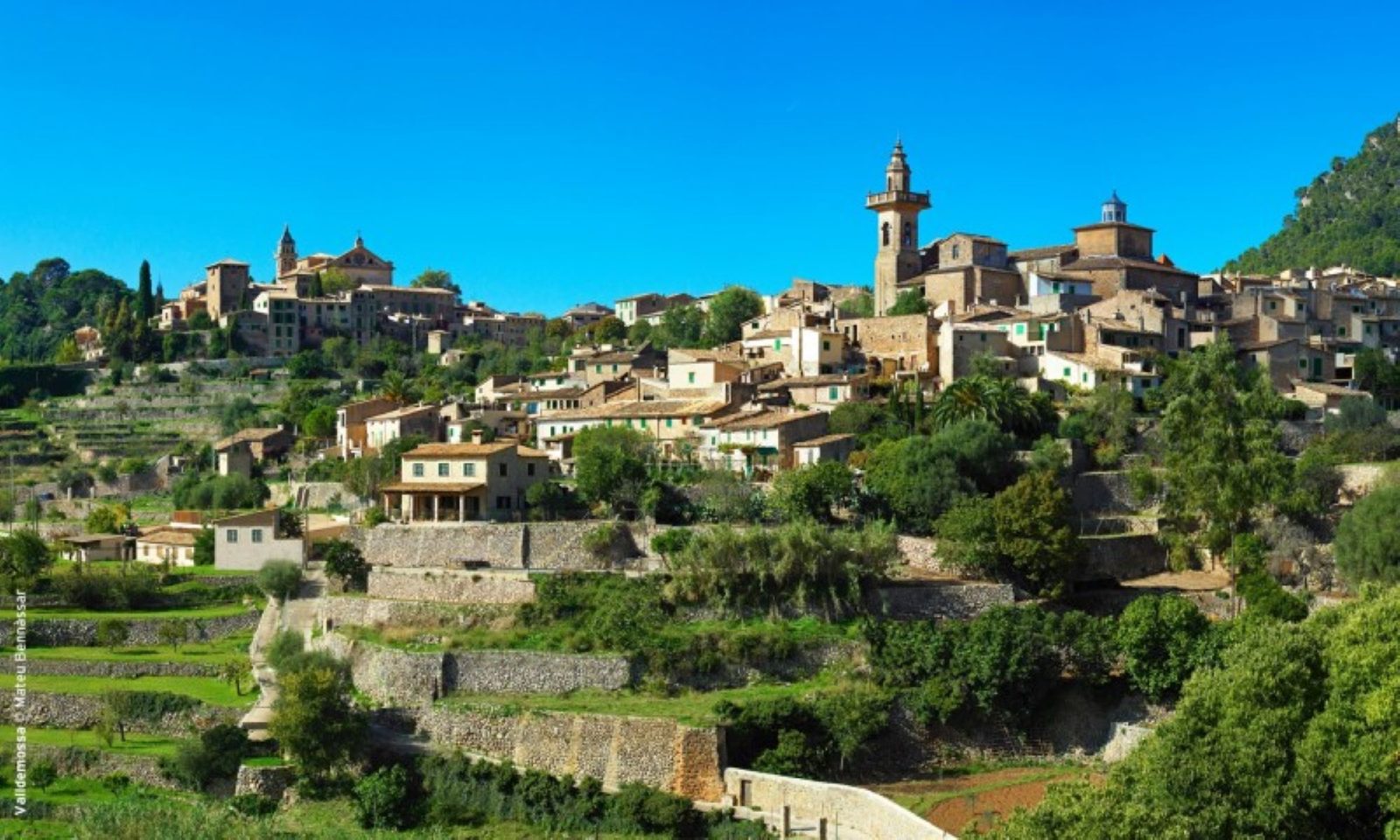
Spain follows Poland and more European markets as travellers eye Latvia’s Sigulda for autumn castles, trails and Gauja views, combining easy access from Riga with one of the country’s strongest seasonal nature experiences. Sigulda sits beside the Gauja River and acts as a gateway to Gauja National Park, where forests, sandstone landscapes, historic sites and walking routes create a compact autumn itinerary. For international visitors, the appeal extends beyond foliage: rail access, castle heritage, panoramic viewpoints and protected landscapes support short breaks from Riga. The result is a destination with clear tourism value for nature, culture and active travel alike.
Latvia’s 2026 International Arrivals Put Poland, Sweden, Spain and Denmark in Focus
Latvia’s latest official 2026 accommodation statistics underline the relevance of these four European markets. During the second quarter, Latvian tourist accommodation establishments recorded 440,600 non-resident arrivals, representing 58.8% of all accommodated visitors. Poland generated 20,400 arrivals, Sweden 16,200, Spain 14,600 and Denmark 11,300. Lithuania remained the largest source market with 70,100 arrivals, followed by Germany and Estonia. The data measure guests staying in registered tourist accommodation rather than every border crossing, making them particularly useful for assessing tourism demand that directly supports hotels and other lodging businesses.
Advertisement
Advertisement
- Latvia recorded 440,600 foreign accommodation arrivals in Q2 2026.
- Poland supplied 20,400 visitors to registered accommodation.
- Sweden accounted for 16,200 visitors.
- Spain generated 14,600 visitors.
- Denmark contributed 11,300 visitors during the quarter.
| Selected market | Q2 2026 accommodation arrivals | Position among these four |
|---|---|---|
| Poland | 20,400 | 1 |
| Sweden | 16,200 | 2 |
| Spain | 14,600 | 3 |
| Denmark | 11,300 | 4 |
Why Sigulda Autumn Travel Extends Latvia Beyond a Riga City Break
Sigulda offers a markedly different visitor experience from central Riga. Latvia’s official tourism portal identifies the town as one of the country’s leading places for experiencing the “golden autumn”, with Gauja National Park turning yellow, orange and red as the season advances. The surrounding landscape combines wooded river valleys, viewpoints, trails and heritage attractions within a relatively concentrated area. Latvia Travel places Sigulda among the principal autumn destinations in Gauja National Park and highlights the aerial cable car, Turaida area and nearby nature trails. The most colourful period is generally short, usually running from late September into October depending on weather conditions.
- Sigulda is a major Latvian destination for golden autumn scenery.
- Gauja National Park surrounds much of the visitor experience.
- Walking routes connect nature with cultural attractions.
- Autumn colours typically peak within a relatively short seasonal window.
- Sigulda works naturally as an extension to a Riga itinerary.
| Sigulda autumn feature | Traveller value |
|---|---|
| Gauja Valley | Woodland panoramas and river landscapes |
| Cable car | Elevated views over the valley |
| Nature trails | Walking and active tourism |
| Castles | Medieval and architectural heritage |
| Riga proximity | Practical short-break combination |
Poland Travellers Can Combine Direct Riga Access with a Sigulda Nature Escape
Poland is the strongest of the four highlighted markets in the latest Q2 accommodation data, with 20,400 arrivals. Riga Airport’s published 2026 destination network includes Warsaw and Krakow, providing a clear aviation gateway for Polish travellers heading to Latvia. Once in Riga, visitors can continue towards Sigulda by rail; Latvia’s passenger rail operator Vivi lists Sigulda on the Riga–Sigulda–Valmiera–Valga corridor. This allows an itinerary to combine Riga’s urban attractions with the forests, viewpoints and cultural landscape of the Gauja region without requiring an entirely separate international journey.
Advertisement
Advertisement
- Poland generated 20,400 Latvian accommodation arrivals in Q2.
- Riga Airport lists Warsaw among its destinations.
- Krakow is also included in Riga Airport’s destination network.
- Vivi operates rail services on the Riga–Sigulda corridor.
- A Riga-plus-Sigulda itinerary combines city, heritage and nature travel.
| Polish traveller journey | Practical connection |
|---|---|
| Poland to Latvia | Riga Airport |
| Warsaw link | Listed by RIX |
| Krakow link | Listed by RIX |
| Riga to Sigulda | Vivi rail corridor |
| Main experience | Gauja Valley, castles and trails |
Swedish Visitors Gain a Natural Extension to Latvia’s Autumn Tourism Season
Sweden supplied 16,200 visitors to Latvian tourist accommodation establishments in Q2 2026, making it another significant market for regional tourism. Riga Airport currently lists Stockholm and Gothenburg among its destinations, helping place Latvia within practical reach of Scandinavian travellers. Sigulda then offers a contrast to a conventional Baltic capital break through forest walking, protected landscapes and cultural attractions. Latvia’s Nature Conservation Agency records Gauja National Park at 91,786 hectares, with forests covering 47% of its territory. The park also contains more than 500 cultural and historical monuments and more than 100 kilometres of walking paths.
- Sweden generated 16,200 accommodation arrivals in Q2 2026.
- Stockholm appears in Riga Airport’s current destination network.
- Gothenburg is also connected through the Riga network.
- Gauja National Park covers 91,786 hectares.
- More than 100 kilometres of walking paths support nature-based tourism.
| Swedish visitor interest | Sigulda proposition |
|---|---|
| Short European trip | Riga gateway |
| Outdoor activity | Gauja trails |
| Landscape tourism | Gauja Valley |
| Heritage | Castles and monuments |
| Autumn break | Seasonal woodland scenery |
Spain Travellers Can Reach a Different Side of Europe Through Latvia
Spain accounted for 14,600 foreign accommodation arrivals in Latvia during Q2 2026, placing it among the country’s leading inbound markets. Riga Airport’s destination list includes several Spanish cities and leisure gateways, including Barcelona, Madrid, Malaga, Alicante, Valencia, Tenerife, Gran Canaria and Palma de Mallorca. Route operation and seasonal schedules can change, so travellers should verify dates before booking. For Spanish visitors arriving through Riga, Sigulda offers a distinctly northern European autumn experience built around dense woodland, a river valley, medieval heritage and changing foliage rather than a purely urban Baltic itinerary.
Advertisement
Advertisement
- Spain supplied 14,600 accommodated visitors in Q2 2026.
- Riga Airport lists Barcelona and Madrid.
- Malaga, Alicante and Valencia also appear in the airport network.
- Spanish travellers can continue inland from Riga towards Sigulda.
- Autumn adds a highly seasonal nature dimension to a Latvian trip.
| Spain-Latvia travel element | 2026 relevance |
|---|---|
| Barcelona | Listed Riga destination |
| Madrid | Listed Riga destination |
| Malaga | Listed Riga destination |
| Valencia/Alicante | Listed Riga destinations |
| Onward destination | Sigulda and Gauja National Park |
Denmark’s Strong Riga Connectivity Creates Another Route Towards Sigulda
Denmark contributed 11,300 guests to Latvian tourist accommodation establishments in the second quarter of 2026. Air connectivity is particularly relevant because Riga Airport lists Copenhagen, Billund and Aarhus in its destination network. Copenhagen connectivity also expanded during 2026: Riga Airport reported that SAS returned to the Riga–Copenhagen route in March with three daily services, increasing capacity between the two capitals. From Riga, travellers can transfer towards Sigulda and the Gauja region, producing a journey that moves rapidly from an international aviation hub to protected woodland, historical sites and walking territory.
- Denmark produced 11,300 accommodation arrivals in Q2.
- Copenhagen is linked with Riga.
- Billund appears in Riga Airport’s destination network.
- Aarhus is also listed as a Riga destination.
- SAS added three daily Copenhagen–Riga flights from March 2026.
| Danish gateway | Latvia connection |
|---|---|
| Copenhagen | Riga |
| Billund | Riga |
| Aarhus | Riga |
| Riga onward | Sigulda rail corridor |
| Main regional attraction | Gauja National Park |
Gauja National Park Gives Sigulda More Than Autumn Colour
The underlying strength of Sigulda autumn travel is that the destination does not depend exclusively on colourful foliage. Latvia’s Nature Conservation Agency describes Gauja National Park as a protected landscape spanning 91,786 hectares and forming part of the Natura 2000 network. Forests occupy 47% of its area. The park contains sandstone cliffs, caves, river landscapes and hundreds of cultural and historic monuments. Nature protection also shapes visitor access: certain reserve zones are closed to visitors, meaning travellers should remain on authorised routes and respect posted restrictions. The park’s combination of recreation and conservation strengthens its relevance for responsible nature tourism.
Advertisement
Advertisement
- Gauja National Park was established in 1973.
- It covers 91,786 hectares.
- Forests account for 47% of the park.
- More than 500 cultural and historical monuments are recorded.
- Protected reserve zones impose access restrictions.
| Gauja National Park indicator | Official information |
|---|---|
| Area | 91,786 hectares |
| Founded | 1973 |
| Forest cover | 47% |
| Cultural/historic monuments | More than 500 |
| Walking paths | More than 100 km |
Castles, Gutman’s Cave and Gauja Views Build a Layered Sigulda Itinerary
Sigulda’s appeal becomes stronger when visitors combine landscape viewing with cultural sites. Official Latvian tourism information highlights Turaida, castle architecture, Gauja viewpoints and the town’s cable car among the area’s established attractions. Municipal tourism information identifies Gutman’s Cave as the largest cave in the Baltic countries, measuring 19 metres deep, 12 metres wide and 10 metres high, with historic inscriptions surviving on its sandstone walls. Latvia Travel also identifies the Sigulda cable car as a distinctive way to cross the Gauja gorge and see the surrounding landscape from above, particularly during the autumn season.
- Gutman’s Cave is identified officially as the largest cave in the Baltics.
- It reaches 19 metres into the sandstone.
- The cave is 12 metres wide and 10 metres high.
- The surrounding area combines nature with castle heritage.
- The cable car creates an elevated Gauja Valley viewing experience.
| Attraction | Main reason to visit |
|---|---|
| Gutman’s Cave | Geology and historic inscriptions |
| Turaida area | Castle and cultural heritage |
| Gauja Valley | Autumn landscapes |
| Sigulda cable car | Panoramic crossing |
| Forest trails | Walking and photography |
Riga to Sigulda Transport Makes a Multi-Stop Latvia Trip Practical
Accessibility is important to Sigulda’s tourism potential because most overseas travellers are likely to enter Latvia through Riga. Latvia Travel places Sigulda less than an hour from Riga by road, while state passenger rail operator Vivi confirms that Sigulda lies on its Riga–Sigulda–Valmiera–Valga route. Travellers should use current Vivi schedules rather than relying on fixed journey times published in older guides because departure patterns can change. This connectivity gives visitors flexibility to treat Sigulda as a day trip, an overnight nature break or a starting point for deeper exploration of Gauja National Park and Vidzeme.
- Riga acts as the principal international gateway.
- Sigulda is less than an hour from Riga by road according to Latvia Travel.
- Vivi connects Riga and Sigulda by rail.
- Visitors can build Sigulda into a wider Vidzeme itinerary.
- Current transport timetables should always be checked before departure.
| Journey stage | Recommended official source |
|---|---|
| International flight | Riga Airport |
| Riga–Sigulda railway | Vivi |
| Sigulda attractions | Official Sigulda tourism information |
| National park guidance | Nature Conservation Agency |
| Wider Latvia planning | Latvia Travel |
Travel and Tourism Impact Could Spread Visitor Spending Beyond Riga
The strongest tourism implication is geographic dispersal. Central Statistical Bureau data show that 72.1% of foreign guests staying in Latvian tourist accommodation during Q2 2026 were accommodated in Riga. Sigulda therefore matters because it gives international visitors a realistic reason to add regional travel to a capital-focused holiday. Poland, Sweden, Spain and Denmark already generate measurable accommodation demand, while Riga’s aviation network provides access from all four. Combining that connectivity with Sigulda’s rail access, heritage attractions and Gauja National Park creates opportunities for accommodation, transport, attractions and other visitor services outside central Riga.
- Riga accommodated 72.1% of Latvia’s foreign accommodation guests in Q2.
- Sigulda can help distribute visitors beyond the capital.
- Nature and heritage broaden Latvia’s tourism proposition.
- Existing European source markets provide a ready audience.
- Rail and aviation connectivity reduce barriers to regional exploration.
| Tourism impact area | Potential role of Sigulda |
|---|---|
| Regional dispersal | Moves visitors beyond Riga |
| Length of itinerary | Adds nature and heritage stops |
| Seasonality | Strengthens autumn travel demand |
| Local mobility | Supports rail-based exploration |
| Destination diversity | Combines city and national park tourism |
Conclusion
Spain follows Poland and more travellers towards Latvia as Sigulda strengthens its appeal through autumn castles, trails and Gauja views. The destination offers far more than seasonal colour. Gauja National Park connects protected landscapes with walking routes, river scenery and cultural heritage, while Riga provides the international gateway and onward transport needed for a practical itinerary. For visitors from Spain, Poland, Sweden and Denmark, Sigulda can complement a capital break with nature and history in one compact journey. That combination gives Latvia’s autumn tourism proposition wider international relevance while encouraging travellers to explore beyond Riga and discover the Gauja region themselves.
Advertisement
