
Middle East Travel Alert Deepens as US and Three Other Countries Issue Fresh Warnings While Etihad and Qatar Airways Extend Flight Suspensions Amid Rising Security Concerns, Airline Disruptions and Growing Passenger Uncertainty Across Gulf Route

Published
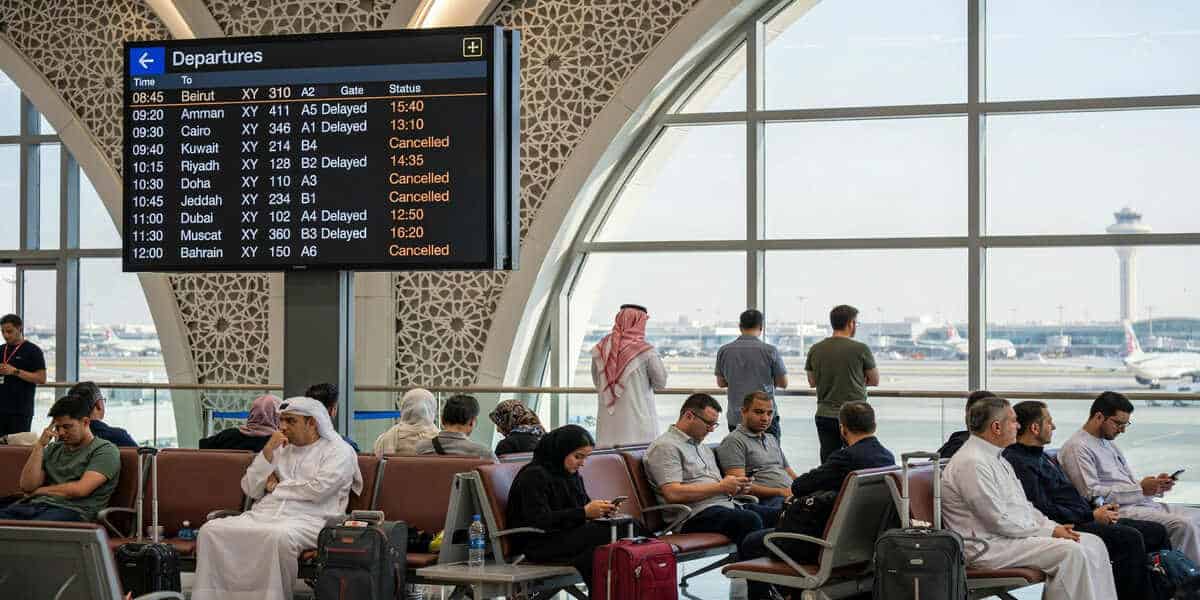
Image generated with Ai
The Middle East aviation situation is worsening as renewed security concerns prompt fresh government warnings and force airlines to adjust operations, with Etihad Airways and Qatar Airways extending flight suspensions on affected routes. Travellers across Gulf connections are facing increased uncertainty as possible airspace disruptions, cancellations and schedule changes continue to impact regional and international journeys. While major airports remain operational, passengers are being urged to check flight updates, monitor airline alerts and prepare for possible delays or changes before travelling.
Travellers across the Middle East are facing renewed uncertainty as the United States, United Kingdom, Canada and Australia strengthen their warnings over the region’s unpredictable security environment. At the same time, major airlines including Etihad Airways and Qatar Airways have extended flight suspensions and schedule adjustments, creating fresh concerns for passengers travelling through Gulf aviation hubs.
Advertisement
Advertisement
Although airports in the United Arab Emirates continue operating largely normally, airlines are making cautious decisions based on operational conditions, airspace availability and security assessments. Passengers flying to or from the UAE, Qatar and other regional destinations are being advised to confirm their flight status before travelling to airports because schedules can change with little notice.
The latest developments highlight how geopolitical tensions continue affecting international aviation networks, with airlines adjusting routes, delaying resumptions and warning passengers to remain prepared for possible disruption.
Advertisement
Advertisement
Global governments issue renewed Middle East travel warnings as aviation risks remain unpredictable
The latest travel alerts from several major governments reflect growing concerns about the possibility of further regional instability and its impact on commercial aviation.
Advertisement
Advertisement
The United States, United Kingdom, Canada and Australia have all advised travellers to remain cautious, monitor official updates and prepare for possible flight interruptions.
The warnings come as airlines continue reviewing operations across the Gulf and surrounding regions, where security conditions can quickly influence air routes and airport activity.
United States warns travellers to prepare for cancellations and airspace disruptions
The United States Department of State continues to maintain its worldwide caution advisory, warning citizens about the complex security environment in the Middle East.
Advertisement
Advertisement
The advisory highlights that travellers should be prepared for possible:
- Flight cancellations
- Airspace closures
- Sudden travel disruptions
- Changes to airline schedules
US authorities have also warned that some airlines may delay service resumptions or cancel routes depending on operational and security conditions.
Advertisement
Advertisement
American travellers in the region are being encouraged to contact airlines directly before heading to airports and avoid relying only on previously confirmed schedules.
The warning reflects the challenges airlines face when operating in regions where security situations can rapidly change.
UK advises travellers to remain alert as regional conditions could change quickly
The United Kingdom’s Foreign, Commonwealth and Development Office (FCDO) has also maintained its warning that the Middle East security situation remains unpredictable.
British travellers have been advised that conditions could change rapidly and that previous periods of regional tension have affected airports and civilian infrastructure.
The FCDO recommends passengers:
Advertisement
Advertisement
- Follow advice from local authorities
- Monitor reliable news sources
- Keep travel documents updated
- Review travel arrangements regularly
The advisory follows ongoing concerns that renewed security incidents could create additional pressure on aviation operations and passenger movement.
For UK travellers, the message remains clear: travel plans should be flexible, and passengers should remain prepared for possible delays or changes.
Canada advises against non-essential travel and warns of possible aviation disruption
Canada has continued advising travellers to avoid non-essential travel to the UAE due to ongoing regional security concerns.
Canadian authorities have warned that renewed missile or drone activity in the region could contribute to:
- Additional flight cancellations
- Airspace restrictions
- Wider travel disruption
The Canadian government has also reminded visitors that local laws regarding security-related photography are strict. Travellers have been warned that photographing military facilities, security operations or related incidents could result in serious legal consequences.
Advertisement
Advertisement
The advisory adds another layer of caution for Canadians planning journeys through Gulf aviation hubs.
Australia urges citizens to leave while commercial flights remain available
Australia has issued one of the strongest warnings, advising Australians in the region to consider leaving while commercial flights are still operating, if it is safe to do so.
Australian authorities said the security environment remains volatile and warned that military developments could continue affecting airline schedules.
Travellers have been advised to closely monitor updates and consider how quickly aviation conditions could change.
The warning highlights the importance of flexibility for passengers who may need to adjust travel plans during periods of uncertainty.
Advertisement
Advertisement
Airlines continue adjusting schedules as Middle East disruptions affect routes
While many airports remain operational, airlines across the region and internationally continue making changes to their networks.
Some carriers have suspended routes temporarily, while others have reduced schedules or delayed planned resumptions.
Etihad Airways extends Bahrain and Kuwait flight cancellations
Etihad Airways has extended cancellations affecting selected routes from Abu Dhabi’s Zayed International Airport.
Flights between Abu Dhabi and Kuwait International Airport remain cancelled until July 26 due to operational reasons.
Services between Abu Dhabi and Bahrain have also remained suspended until July 25.
Advertisement
Advertisement
Passengers affected by these cancellations have been advised to ensure their contact details are updated with the airline so they can receive important notifications through SMS or email.
The airline continues monitoring the situation while passengers are encouraged to check their individual booking status before travelling.
Qatar Airways extends temporary suspension of regional flights
Qatar Airways has extended temporary suspensions affecting several destinations.
Passenger services remain suspended to:
- Bahrain
- Erbil
- Kuwait
The suspension is scheduled to remain in place until July 31.
Advertisement
Advertisement
The airline has advised passengers to check official flight updates before travelling, as schedules remain subject to change depending on operational conditions.
Qatar Airways’ decision reflects wider aviation challenges across the region, where airlines are carefully assessing route safety and network reliability.
Emirates continues operating but passengers may experience delays
Emirates continues operating its scheduled flights, although some services are experiencing delays.
As one of the world’s largest international airlines, Emirates plays a major role in connecting passengers through Dubai International Airport.
However, wider regional aviation conditions may continue affecting flight timings, connections and passenger journeys.
Advertisement
Advertisement
Travellers using Emirates services are advised to check updates before arriving at the airport.
flydubai cancels Bahrain service
flydubai has cancelled a Bahrain service as part of ongoing schedule adjustments.
Passengers travelling through Dubai have been advised to confirm flight details before leaving for the airport.
The airline continues updating schedules based on operational requirements.
Air Arabia cancels selected regional services
Air Arabia has cancelled several flights affecting routes connected to Sharjah.
Advertisement
Advertisement
Affected services include:
- Alexandria to Sharjah
- Kuwait City to Sharjah
- Jizan to Sharjah
- Sharjah to Doha
Passengers booked on affected flights are advised to contact the airline regarding available options, including rebooking and travel assistance.
International airlines extend Middle East suspensions and reduce operations
The disruption is not limited to Gulf-based airlines. Several international carriers have announced extended suspensions or schedule changes affecting Middle East routes.
| Airline | Latest update |
|---|---|
| Aegean Airlines | Dubai flights cancelled until August 31 |
| Air Astana | Dubai services from Almaty and Astana suspended until August 31 |
| Air Canada | Toronto-Dubai flights suspended until October 24 |
| Air France | Dubai expected to resume July 27; Riyadh suspended until July 24; Beirut until August 2 |
| airBaltic | Riga-Dubai services suspended |
| British Airways | Dubai, Bahrain, Amman and Tel Aviv suspended until October 31; Doha and Riyadh schedules reduced |
| Cathay Pacific | Dubai suspended until October 24; Riyadh until October 25 |
| Finnair | Dubai suspended until October 24 |
| ITA Airways | Dubai suspended until October 24 |
| KLM | Dubai, Riyadh and Dammam suspended until August 23 |
| Lufthansa Group | Dubai suspended until September 13 with other Middle East routes affected |
| Philippine Airlines | Manila-Doha resumed while Dubai remains suspended until October 2 |
| Scoot | Singapore-Jeddah suspended until August 8 |
| Singapore Airlines | Dubai suspended until October 24; Riyadh launch delayed until December 1 |
| Turkish Airlines | Several routes resumed, while Iran services remain suspended |
| Wizz Air | Dubai, Abu Dhabi and Amman suspended with expected September resumption |
The scale of these changes shows how regional security concerns continue influencing global flight networks.
EASA maintains Gulf aviation warning amid security concerns
The European Union Aviation Safety Agency (EASA) has extended its Conflict Zone Information Bulletin until August 31.
Advertisement
Advertisement
The agency continues advising airlines to exercise extreme caution when operating near parts of the Gulf region.
The warning is linked to risks including:
- Missile activity
- Drone threats
- Military operations
- Potential falling debris
The aviation authority’s guidance encourages airlines to conduct careful risk assessments before operating flights in affected areas.
Why passengers are facing longer journeys and possible cancellations
Regional security concerns and airspace restrictions have forced some airlines to adjust routes.
Passengers may experience:
Advertisement
Advertisement
Longer flight durations
Some flights may take an additional one to three hours because aircraft are being rerouted around restricted or higher-risk areas.
Increased cancellations
Airlines may cancel services when operational conditions do not meet safety requirements.
Longer connection times
Alternative routing can increase pressure on airports, affecting transfer schedules and passenger connections.
Possible baggage delays
Changes to flight paths and aircraft movements may affect baggage handling and transfer processes.
What travellers should do before flying from the Middle East
Passengers travelling through Gulf airports should take several steps to reduce disruption risks.
Advertisement
Advertisement
Travellers should:
- Check flight status before leaving for the airport
- Monitor airline websites and mobile applications
- Confirm airlines have updated contact details
- Arrive earlier to allow extra time for changes
- Follow official government travel advice
Passengers should also avoid relying on old booking confirmations because schedules may change after tickets have been issued.
The Middle East aviation situation remains highly fluid as governments strengthen travel warnings and airlines continue adjusting operations. While major UAE airports remain open and many flights continue operating, passengers are facing increased uncertainty due to security concerns, route changes and temporary suspensions.
Etihad Airways, Qatar Airways, flydubai, Air Arabia and several international carriers have already modified schedules, while global authorities continue monitoring developments.
The Middle East travel situation is becoming more uncertain as rising security concerns push the US and other countries to issue fresh warnings, while Etihad Airways and Qatar Airways extend flight suspensions and schedule changes. Travellers face possible delays, cancellations and route disruptions as airlines continue adjusting operations across Gulf routes.
Advertisement
Advertisement
Travellers planning journeys through the region should remain alert, check official airline updates regularly and prepare for possible delays or changes. With aviation conditions changing quickly, flexibility and accurate information remain essential for passengers navigating Middle East travel in the current environment.
Advertisement
