

Flights Cancelled Around Asia at Riyadh, Shanghai and More Airports with 812 Cancellations and 3,794 Delays

Published
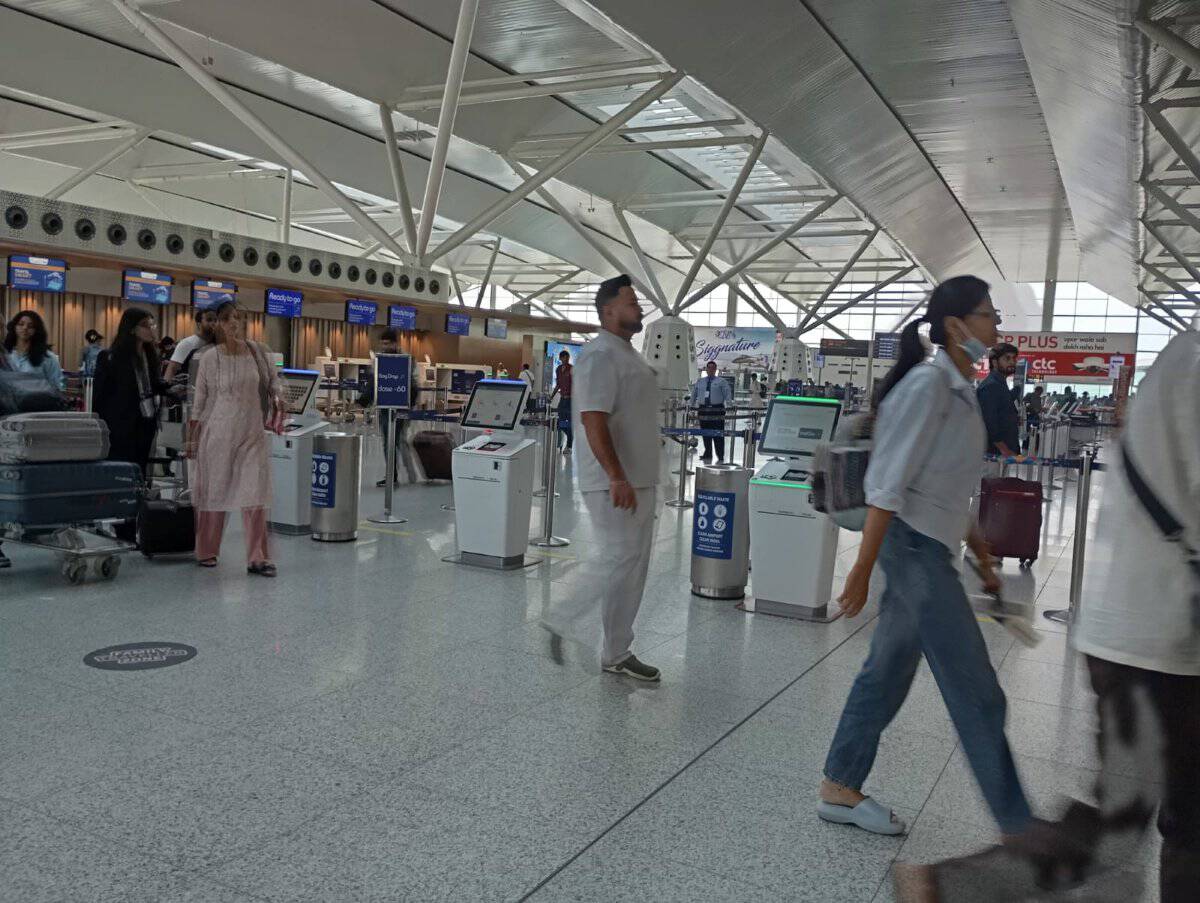
Flights cancelled around Asia have triggered widespread travel disruption, with Riyadh, Shanghai and more major airports reporting 812 cancellations and 3,794 delays. The disruption has affected passengers across Saudi Arabia, China, India, Türkiye, Japan and other aviation hubs. In Riyadh, a reported security incident and temporary suspension of airport operations severely affected flight schedules. Meanwhile, regional airspace restrictions and airline safety concerns complicated connections across the Middle East. Furthermore, operational pressures, aircraft rotations and congestion may have contributed to delays at other airports, although specific causes remain unconfirmed. As airlines adjust schedules and manage disrupted services, travellers face missed connections, extended waiting times and uncertainty. Consequently, passengers should monitor airline updates before departing and prepare for possible changes to their journeys.
Main Reasons Behind the Flight Disruptions in Asia
| Cause | Countries affected | Verified situation |
|---|---|---|
| Missile attacks and airport security emergencies | Saudi Arabia | Riyadh airport operations suspended following an attack on 10 October |
| Conflict-related airspace risks | Saudi Arabia and international flight corridors | EASA expanded its Saudi airspace warning on 9 October |
| Airline flight suspensions | India, Saudi Arabia, UAE and international routes | Air India, IndiGo, Akasa Air and multiple Gulf carriers suspended or cancelled selected services |
| Disruption to connecting flights | India, UAE and Saudi Arabia | Cancellations on Saudi routes affected Kochi, Kozhikode, Dubai, Abu Dhabi and Sharjah |
| Protests and ground transport restrictions | India | Delhi Airport warned passengers about airport access difficulties on 10 October |
| Weather and airport operating conditions | China, Indonesia, Japan and other airports | Possible contributors, but airport-specific causes have not been independently established |
| Aircraft rotations and network congestion | Multiple aviation hubs | Potential secondary effects; no verified breakdown attributing the supplied delays to these factors |
Asia Faces Severe Aviation Disruptions as Riyadh and Jeddah Record Major Cancellations
King Khalid International Airport in Riyadh registered 333 cancellations and 157 delays, making it the airport with the highest number of cancellations.
King Abdulaziz International Airport in Jeddah followed with 89 cancellations and 239 delays. Meanwhile, King Fahd International Airport in Dammam recorded 27 cancellations and 71 delays.
Prince Mohammad Bin Abdulaziz International Airport in Madinah reported 18 cancellations and 42 delays, while Tabuk recorded 11 cancellations and 14 delays. Ta’if experienced nine cancellations and 11 delays.
Advertisement
Advertisement
Elsewhere, Arar reported eight cancellations and three delays, Abha recorded eight cancellations and 37 delays, and Gurayat registered seven cancellations and two delays. Al-Jouf experienced six cancellations and three delays, while Ha’il reported five cancellations and 10 delays.
Saudia, flyadeal, flynas and Riyadh Air Face Significant Operational Disruptions
Saudi Arabian carriers featured prominently in the airline disruption figures across Airports in Asia.
Advertisement
Advertisement
Saudia reported 181 cancellations, affecting 33% of its tracked flights, alongside 160 delays, representing 29%.
Flyadeal recorded 35 cancellations, equivalent to 18%, and 52 delays, representing 26%. Flynas experienced 30 cancellations (10%) and 99 delays (34%).
Advertisement
Advertisement
Riyadh Air registered 14 cancellations, accounting for 50% of its tracked flights, together with nine delays, representing 32%.
These figures indicate particularly high cancellation exposure among Saudi carriers. However, the precise operational reasons behind individual airline cancellations cannot be established from the dataset alone.
India Experiences Heavy Flight Delays as Delhi, Mumbai and Bengaluru Add to Disruptions in Asia
India emerged as another major centre of aviation disruption for Asia, particularly in terms of delayed departures and arrivals.
Indira Gandhi International Airport in Delhi recorded 361 delays and six cancellations, the highest delay count among all listed airports.
Advertisement
Advertisement
Chhatrapati Shivaji Maharaj International Airport in Mumbai reported 114 delays and 12 cancellations, while Bengaluru’s Kempegowda International Airport registered 85 delays and seven cancellations.
Rajiv Gandhi International Airport in Hyderabad experienced 76 delays and three cancellations. Meanwhile, Navi Mumbai International Airport reported 19 delays and eight cancellations, and Calicut International Airport recorded 13 delays and five cancellations.
IndiGo, Air India and Akasa Air Report Major Schedule Disruptions
IndiGo recorded 351 delays, representing 15% of its tracked operations, alongside eight cancellations, reported as 0% after rounding.
Air India registered 122 delays (20%) and four cancellations (0% when rounded). Air India Express experienced 78 delays (16%) and one cancellation (0% when rounded).
Akasa Air reported 21 cancellations, representing 8%, alongside 33 delays, affecting 14%.
SpiceJet recorded three cancellations (3%) and 27 delays (33%), demonstrating a relatively high delay percentage despite its smaller number of disrupted services.
Advertisement
Advertisement
China Faces Extensive Aviation Delays Across Shanghai, Beijing, Guangzhou and Shenzhen
Shanghai Pudong International Airport recorded 154 delays and seven cancellations. Shanghai Hongqiao reported 29 delays and 20 cancellations.
Guangzhou Baiyun International Airport registered 116 delays and seven cancellations, while Shenzhen Bao’an International Airport experienced 112 delays and seven cancellations.
Beijing Capital recorded 50 delays and 15 cancellations, while Beijing Daxing experienced 54 delays and 11 cancellations.
Elsewhere, Chengdu Shuangliu reported 52 delays and 15 cancellations, while Chengdu Tianfu registered 55 delays and eight cancellations.
Kunming recorded 50 delays and 12 cancellations, Chongqing experienced 50 delays and eight cancellations, and Wuhan registered 33 delays and 12 cancellations.
China Eastern, Air China and Other Carriers Record Cancellations and Delays
China Eastern Airlines reported 41 cancellations (1%) and 178 delays (8%).
Advertisement
Advertisement
Air China registered 26 cancellations (1%) and 60 delays (3%), while Shenzhen Airlines experienced 17 cancellations (2%) and 43 delays (5%).
Hainan Airlines reported 13 cancellations (2%) and 31 delays (4%). Ruili Airlines experienced six cancellations (5%) and 18 delays (15%), while Dalian Airlines registered six cancellations (8%) and one delay (1%).
XiamenAir recorded five cancellations (0% when rounded) and 64 delays (11%). Shanghai Airlines reported five cancellations (1%) and 40 delays (14%).
China Express Airlines experienced three cancellations (0% when rounded) and 91 delays (20%). Tibet Airlines registered three cancellations (1%) and 35 delays (15%).
| Airport | Origin Cancelled % | Destination Cancelled % |
|---|---|---|
| al-Jouf Domestic | 44% | — |
| Abha Regional | 8% | 8% |
| Queen Alia Int’l | 4% | 2% |
| Antalya | — | 0% |
| Bengaluru Int’l | 1% | 0% |
| Chatrapati Shivaji Int’l | 1% | 1% |
| Guangzhou Baiyun Int’l | — | 0% |
| Calicut Int’l (Karipur) | 9% | — |
| Jakarta-Soekarno-Hatta Int’l | 1% | 0% |
| Zhengzhou Xinzheng Int’l | 1% | — |
| Chongqing Jiangbei Int’l | 0% | 1% |
| Changsha Huanghua Int’l | 2% | 2% |
| New Chitose | — | 0% |
| Chengdu Shuangliu Int’l | 2% | 2% |
| Changzhou Benniu | 7% | — |
| Shahjalal International Airport | — | 2% |
| Indira Gandhi Int’l | 0% | 0% |
| King Fahd Int’l | 10% | 9% |
| Hamad Int’l | 1% | 1% |
| Dubai Int’l | 3% | 3% |
| Ha’il Regional | 25% | — |
| Tokyo Int’l (Haneda) | — | 0% |
| Rajiv Gandhi Int’l | — | 0% |
| Islamabad International Airport | — | 6% |
| Istanbul Airport | 1% | 1% |
| King Abdulaziz Int’l | 11% | 10% |
| Kunming Changshui Int’l | 1% | 1% |
| Dehong Mangshi Airport | 8% | — |
| Seeb Int’l | — | 2% |
| Prince Mohammad Bin Abdulaziz | 9% | 9% |
| Navi Mumbai International | 4% | 7% |
| Beijing Capital Int’l | 1% | 1% |
| Beijing Daxing International Airport | 1% | 1% |
| Shanghai Pudong Int’l | 0% | 0% |
| Arar Domestic | 50% | 83% |
| King Khalid Int’l | 42% | 43% |
| Istanbul Sabiha Gokcen Int’l | — | 0% |
| Shanghai Hongqiao Int’l | 2% | 2% |
| Sharjah Int’l | 2% | 1% |
| Shenzhen Bao’an Int’l | 0% | 0% |
| Chengdu Tianfu Int’l | 0% | 1% |
| Ta’if Regional | 29% | 26% |
| Tabuk Regional | 15% | 24% |
| Taiyuan Wusu | 4% | 2% |
| Gurayat Domestic | 60% | 80% |
| Wuhan Tianhe | 2% | 2% |
| Wuxi | 2% | 4% |
| Xi’an Xianyang Int’l | 0% | 1% |
Türkiye’s Istanbul and Antalya Airports Experience Significant Flight Delays
Türkiye also recorded extensive aviation disruption across its major airports.
Istanbul Airport reported 302 delays and 20 cancellations, making it one of the most delay-affected airports in the dataset.
Advertisement
Advertisement
Istanbul Sabiha Gökçen International Airport experienced 232 delays and four cancellations, while Antalya Airport registered 174 delays and two cancellations.
Turkish Airlines reported 277 delays, affecting 17% of its tracked flights, together with 14 cancellations, reported as 0% after rounding.
Pegasus Airlines recorded 220 delays, representing 29%, alongside four cancellations, also reported as 0% after rounding.
Dubai, Doha, Jakarta and Tokyo Experience Further Flight Disruptions across Asia
Elsewhere, Dubai International Airport recorded 188 delays and 33 cancellations, while Sharjah International Airport reported 77 delays and eight cancellations.
Qatar’s Hamad International Airport experienced 88 delays and 13 cancellations.
Indonesia’s Soekarno-Hatta International Airport in Jakarta registered 225 delays and 16 cancellations, making it another significant centre of disruption.
Advertisement
Advertisement
In Japan, Tokyo Haneda Airport recorded 196 delays and four cancellations, while New Chitose Airport reported 60 delays and two cancellations.
Other affected airports included Dhaka with 76 delays and six cancellations, Islamabad with 33 delays and six cancellations, Amman with 33 delays and eight cancellations, and Muscat with 18 delays and five cancellations.
Emirates, Qatar Airways, Batik Air and Other Regional Airlines Report Disruption
Emirates recorded eight cancellations (1%) and 88 delays (16%). Flydubai registered 10 cancellations (3%) and 78 delays (25%), while Air Arabia reported nine cancellations (3%) and 72 delays (29%).
Qatar Airways experienced 13 cancellations (2%) and 84 delays (13%).
Indonesia’s Batik Air recorded 14 cancellations (4%) and 55 delays (18%), while Garuda Indonesia registered two cancellations (0% when rounded) and 39 delays (15%). Pelita Air Service reported two cancellations (3%) and eight delays (12%).
Japan’s ANA Wings experienced five cancellations (1%) and 24 delays (7%).
Advertisement
Advertisement
Vietnam Airlines reported two cancellations (0% when rounded) and 67 delays (17%). SriLankan Airlines registered two cancellations (2%) and 21 delays (30%).
Royal Jordanian recorded eight cancellations (5%) and 18 delays (12%), while Middle East Airlines reported two cancellations (3%) and eight delays (12%).
Pakistan International Airlines experienced four cancellations (5%) and 14 delays (18%), while Airblue registered two cancellations (4%) and four delays (8%).
What Should Passengers over Asia Affected by Flight Cancellations and Delays Do Now?
- Passengers travelling through affected airports in Asia should verify their flight status directly with their airlines before leaving for the airport.
- Travellers whose flights have been cancelled should contact their carriers to request rebooking options or determine whether they qualify for refunds under applicable airline policies and passenger protection rules.
- Those connecting through Riyadh, Jeddah, Delhi, Istanbul, Dubai, Doha, Shanghai or Jakarta should pay particular attention to onward flight arrangements.
- Passengers should retain their booking confirmations, airline notifications and receipts for additional travel expenses, particularly when seeking reimbursement or submitting insurance claims.
- Travellers should also monitor airport announcements, confirm terminal and departure information, and allow sufficient time for airport transfers.
Data Verification Notice
The flight disruption data presented in this report has been carefully compiled and reviewed by our editorial team using real-time aviation tracking records captured on 10 October 2026 at 3:01 PM Eastern Time (ET), USA, corresponding to 11 October 2026 at 2:01 AM Jakarta Time (GMT+7).
Primary Sources: FlightAware, local correspondent.
Editorial Verification Process: All reported figures have undergone independent examination and cross-verification by our human editorial team to maintain accuracy, reliability and consistency. Timestamped flight records, operational data logs and tracking-feed snapshots have been securely preserved in our internal archives to support historical verification, accountability and editorial transparency.
Advertisement
Advertisement
Important Disclaimer: Flight delays and cancellations are based on real-time aviation tracking information available at the specified reporting time. As airline schedules and airport operations continuously evolve, minor discrepancies may arise between these figures and the latest information provided by individual airports, airlines or departure gates.
Yesterday, air travel across Asia experienced widespread disruptions, with 3,479 flight delays and 671 cancellations affecting passengers across major airports. Click here to read the full report.
Advertisement
Verified by Tuhin Sarkar
