
Slovenia Sparks Fresh Interest in Sustainable Tourism as Finland and Other European Lesser-Known Destinations Shine as Alternative Tourist Spots

Published
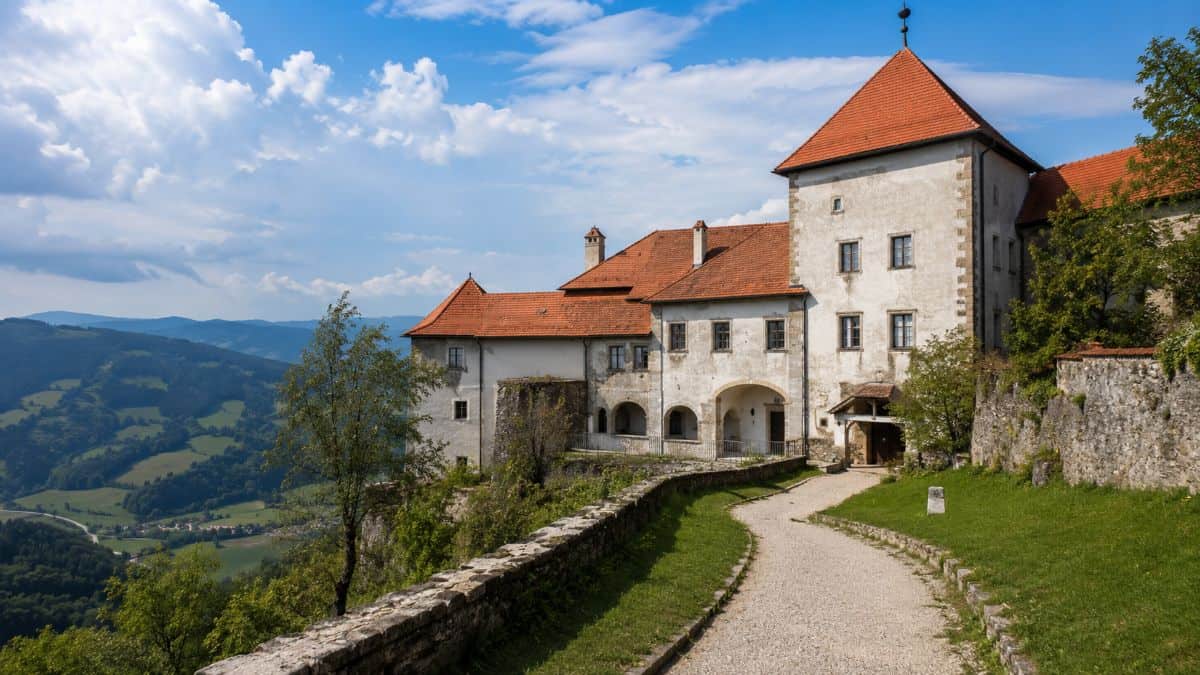
Europe’s tourism industry is undergoing an important transformation as travelers increasingly look beyond famous landmarks and heavily visited vacation destinations. Countries with preserved natural landscapes, smaller historic towns, and sustainability-focused tourism strategies are attracting attention as alternatives to traditional tourism hotspots. From Slovenia’s green tourism certification program to Finland’s sustainable travel initiatives and Portugal’s nature-focused island destinations, European governments and tourism organizations are introducing measures that support responsible travel. The movement reflects a broader change in how destinations approach tourism growth. Rather than relying exclusively on rising visitor numbers, many are working to protect local environments, distribute tourism benefits across communities, and strengthen long-term economic resilience.
European Countries Offering Sustainable Tourism Alternatives in 2026
| European country | Alternative destinations worth considering | Verified sustainability initiatives | Why it matters for tourism | Official source |
|---|---|---|---|---|
| Slovenia | Ljubljana, Bohinj, Soča Valley, Kočevje, Vipava Valley | National Slovenia Green certification programme for destinations, accommodation and other tourism providers | Well-developed sustainability framework, nature-based tourism and opportunities to distribute tourism beyond established attractions | Slovenian Tourist Board |
| Finland | Tampere, Lakeland, Turku, Finnish archipelago | Sustainable Travel Finland programme; Tampere won the 2026 EU smart tourism title | Nature tourism, certified operators, extensive rail connections and sustainability-focused destination management | Visit Finland |
| Estonia | Tartu, Saaremaa, Hiiumaa, Lahemaa National Park, Viljandi | Green Destinations programme, Green Key accommodation and sustainable destination development | Combines Baltic heritage, rural tourism and nature experiences with established sustainability assessments | Visit Estonia |
| Norway | Røros, fjord villages, mountain regions, smaller coastal communities | National Sustainable Destination labelling scheme managed by Innovation Norway | Encourages local economic benefits, environmental stewardship and long-term destination management | Visit Norway |
| Sweden | Gothenburg, Dalarna, Värmland, Swedish Lapland | Nature’s Best ecotourism certification and extensive rail-based travel opportunities | Strong potential for low-impact outdoor experiences and community-supported rural tourism | Visit Sweden |
| Denmark | Bornholm, Samsø, Aarhus, rural Jutland | National green tourism investment and island renewable-energy initiatives | Supports cycling, local food, environmentally conscious accommodation and island sustainability | VisitDenmark |
| Austria | Seefeld, Carinthia, Styria, Alpine villages | Austrian Ecolabel for Tourism Destinations, developed using recognised sustainability criteria | Rail-accessible mountain tourism and certified destination management offer alternatives to car-dependent holidays | Austrian Ecolabel |
| Switzerland | Valposchiavo, Engadin Scuol, Entlebuch, Surselva | Swisstainable national tourism programme with three participation levels | Combines public transport, mountain conservation and sustainability assessment for tourism businesses | Switzerland Tourism |
| Portugal | Azores, Alentejo, Madeira, Melgaço, Baião | Tourism sustainability strategy, regional certification and Azores sustainable destination management | Offers nature, heritage, rural tourism and diversification beyond Lisbon, Porto and the Algarve | Turismo de Portugal |
| Croatia | Inland Istria, Slavonia, Zagorje, less-visited Adriatic communities | Sustainable Tourism Development Strategy to 2030 and national tourism management measures | Promotes year-round tourism, improved visitor management and wider local economic benefits | Croatian Ministry of Tourism |
| Iceland | Westfjords, Eastfjords, North Iceland, smaller rural settlements | Vakinn official tourism quality and environmental certification | Supports responsible nature tourism and independently assessed tourism operators | Icelandic Tourist Board |
| Latvia | Kuldīga, Gauja region, Cēsis, rural Kurzeme | Participation in the European Destinations of Excellence initiative | Encourages lesser-known destinations that protect natural and cultural resources while supporting local communities | Latvia Travel |
Why Are European Countries Emerging as Alternative Sustainable Tourism Destinations in 2026?
European countries are increasingly positioning themselves as sustainable tourism alternatives because travelers are seeking experiences that combine environmental responsibility, cultural authenticity, and opportunities to explore destinations beyond traditional vacation centers.
Advertisement
Advertisement
Popular European destinations have faced increasing pressure from concentrated tourism activity. Large visitor numbers can strain transportation systems, public infrastructure, housing markets, and natural environments, particularly during peak travel seasons.
As a result, tourism authorities are encouraging travelers to explore smaller cities, rural communities, protected landscapes, and destinations that receive fewer international visitors.
Advertisement
Advertisement
The European Commission has supported this transition through tourism initiatives recognizing sustainability, innovation, accessibility, and smarter destination management.
In 2026, Dubrovnik in Croatia received the European Green Pioneer of Smart Tourism title, while Tampere in Finland was recognized as the European Capital of Smart Tourism.
Advertisement
Advertisement
These awards demonstrate that sustainability is becoming a competitive advantage for European destinations.
However, sustainable tourism involves more than reducing visitor numbers. It also requires responsible infrastructure development, environmental monitoring, and meaningful participation by local communities.
Advertisement
Advertisement
How Is Slovenia Establishing Itself as a Leading Green Tourism Destination?
Slovenia has developed one of Europe’s most recognizable national frameworks for sustainable tourism through its Slovenia Green certification program.
The initiative, managed by the Slovenian Tourist Board, evaluates destinations and tourism businesses using environmental, social, and economic sustainability criteria.
By the end of 2025, the program had reported 286 label recipients, including 58 destinations, demonstrating its expanding reach across the country.
Visitors can experience Slovenia’s sustainability initiatives in destinations such as Ljubljana, Bohinj, the Soča Valley, Kočevje, and the Vipava Valley.
Advertisement
Advertisement
These locations offer opportunities for hiking, cycling, cultural exploration, and locally supported tourism activities.
Ljubljana has also developed a reputation for its pedestrian-friendly center and commitment to urban environmental management.
Meanwhile, Slovenia’s rural regions provide alternatives to heavily visited European mountain destinations.
The country’s approach demonstrates how tourism certification, nature conservation, and destination promotion can work together.
Its continuing challenge is ensuring that tourism growth remains compatible with environmental protection and community well-being.
Why Is Finland Becoming an Important Destination for Environmentally Responsible Travelers?
Finland is strengthening its position in European sustainable tourism through its Sustainable Travel Finland program, which helps tourism businesses and destinations develop responsible operating practices.
Advertisement
Advertisement
The initiative promotes environmental management, community engagement, cultural preservation, and measurable sustainability improvements.
Visit Finland’s published directory lists hundreds of businesses recognized under the program, offering travelers a way to identify participating tourism providers.
Beyond Helsinki, destinations including Tampere, Turku, the Finnish Lakeland region, and the country’s archipelago offer alternative travel experiences.
Tampere’s recognition as the European Capital of Smart Tourism 2026 further highlights Finland’s focus on innovation and responsible destination development.
Finland’s rail network also provides opportunities to explore regional destinations without relying exclusively on domestic flights.
Forest tourism, lake experiences, cycling, and nature-based activities remain important attractions.
Advertisement
Advertisement
However, travelers should consider the environmental impact of long-distance journeys and select responsible accommodation and activity providers.
Finland’s approach demonstrates how sustainability can influence an entire tourism experience.
How Is Estonia Using Nature and Cultural Heritage to Attract Sustainable Tourism?
Estonia is gaining recognition as a sustainable European tourism alternative by combining its forests, islands, historic communities, and cultural attractions with environmental initiatives.
The country’s tourism authorities have supported participation in international sustainability assessment programs, including Green Destinations.
Seven Estonian pilot destinations received Green Destinations recognition in 2021 and renewed their recognition in 2023.
This demonstrates Estonia’s commitment to developing tourism using recognized sustainability standards.
Advertisement
Advertisement
Tartu, Saaremaa, Hiiumaa, Lahemaa National Park, and Viljandi provide appealing alternatives to Europe’s larger tourism cities.
Tartu is particularly notable after becoming a finalist in the European Green Pioneer of Smart Tourism 2026 competition.
Travelers can explore historical architecture, traditional communities, coastal landscapes, and protected natural environments.
Estonia’s relatively compact geography also makes it possible to combine urban and rural experiences within a single itinerary.
Its tourism strategy increasingly emphasizes local experiences and regional economic participation.
Nevertheless, protecting sensitive ecosystems remains essential as nature-based tourism develops.
Advertisement
Advertisement
Why Is Norway Strengthening Its Reputation for Sustainable Destination Management?
Norway has established a structured approach to sustainable tourism through its Sustainable Destination labeling scheme, administered by Innovation Norway.
The program encourages participating destinations to document improvements in environmental protection, local economic benefits, cultural preservation, and tourism management.
Importantly, the label does not mean that a destination has eliminated every environmental impact.
Instead, it recognizes destinations working systematically toward more responsible tourism development.
Locations such as Røros, smaller fjord communities, and rural mountain regions provide opportunities for travelers to explore Norway beyond its best-known urban destinations.
Outdoor recreation, heritage experiences, and locally operated accommodation are important components of the tourism offering.
Advertisement
Advertisement
Norway also benefits from public transportation networks that connect many cities and regional communities.
However, tourism involving long road journeys, cruises, or international flights can still generate substantial emissions.
Norway’s approach highlights the importance of evaluating complete travel experiences rather than assuming that naturally beautiful destinations are automatically sustainable.
How Are Sweden and Denmark Transforming Nordic Tourism Through Sustainable Travel?
Sweden and Denmark are advancing sustainable tourism by combining transportation alternatives, environmental initiatives, outdoor recreation, and stronger connections between visitors and local communities.
In Sweden, regions such as Dalarna, Värmland, and Swedish Lapland provide opportunities for nature-based vacations away from major urban tourism centers.
The country’s Nature’s Best ecotourism certification program also helps identify tourism experiences that follow responsible operating principles.
Advertisement
Advertisement
Sweden’s extensive rail connections offer options for travelers interested in reducing dependence on short-distance flights.
Meanwhile, Denmark is promoting greener tourism through cycling infrastructure, renewable-energy initiatives, and regional destination development.
Islands such as Samsø and Bornholm offer distinctive tourism experiences involving local food, coastal landscapes, and community-oriented activities.
Denmark has also allocated DKK 12.5 million toward accelerating the green transition of tourism during the 2025–2028 period.
Both countries demonstrate how tourism can support regional communities while encouraging environmentally conscious travel decisions.
Still, seasonal visitor pressure and transportation emissions require continued attention.
Advertisement
Advertisement
Why Are Austria and Switzerland Attractive Alternatives for Sustainable Alpine Vacations?
Austria and Switzerland are important destinations for travelers seeking mountain experiences supported by established public transportation systems and recognized sustainability programs.
Austria’s Ecolabel for Tourism Destinations provides environmental and sustainability criteria for participating communities.
Regions such as Seefeld, Styria, and Carinthia offer hiking, outdoor recreation, cultural attractions, and opportunities to experience Alpine landscapes.
Switzerland operates the Swisstainable tourism program, which categorizes participating businesses and organizations into three levels based on their sustainability commitments and evidence.
Destinations including Valposchiavo, Engadin Scuol, Entlebuch, and Surselva provide alternatives to some of the country’s most heavily visited mountain resorts.
Rail travel represents a major advantage in both countries.
Advertisement
Advertisement
Visitors can reach many mountain communities through integrated train and local transportation networks.
However, mountain tourism faces increasing climate-related challenges, including changing snowfall patterns and pressure on sensitive ecosystems.
Sustainable Alpine tourism therefore requires more than efficient transportation. It also depends on biodiversity protection, climate adaptation, and responsible seasonal development.
How Is Portugal Promoting Sustainable Tourism Beyond Its Traditional Vacation Hotspots?
Portugal is expanding its sustainable tourism agenda by promoting responsible destination development and encouraging travelers to explore regions beyond Lisbon, Porto, and the Algarve.
The Azores represent an important example of this approach.
The archipelago has developed a Sustainable Tourism Action Plan containing 23 commitments and 166 actions covering the period from 2019 to 2030.
Advertisement
Advertisement
These measures address destination management, environmental protection, and sustainable tourism development.
Other Portuguese destinations, including Alentejo, Madeira, and less-visited rural communities, offer opportunities for cultural tourism, nature experiences, and regional exploration.
Tourism authorities are also supporting initiatives designed to strengthen environmental performance and encourage more balanced tourism development.
These efforts may help distribute visitor spending across a wider geographical area.
However, island tourism presents particular challenges.
Air travel, water availability, waste management, and ecosystem protection remain important considerations.
Advertisement
Advertisement
Portugal’s experience illustrates why sustainability must be measured through practical outcomes rather than promotional descriptions alone.
Why Is Croatia Becoming a Major Example of Sustainable Tourism Reform?
Croatia is demonstrating how established European vacation destinations can introduce stronger sustainability measures while continuing to welcome international visitors.
The country’s Sustainable Tourism Development Strategy to 2030 emphasizes balanced tourism growth, environmental protection, and improvements in destination management.
Dubrovnik provides a prominent example.
The city received the European Green Pioneer of Smart Tourism 2026 title following its work on tourism management and sustainability initiatives.
Its visitor-management approach includes measures limiting cruise passenger arrivals to approximately 4,500 people per day or two cruise ships at a time.
Advertisement
Advertisement
These restrictions are intended to reduce pressure on the historic city and improve tourism conditions.
Beyond Dubrovnik, regions such as Slavonia, inland Istria, and Zagorje provide alternatives centered on local cuisine, cultural heritage, and rural tourism.
Encouraging travel outside peak summer months may also distribute visitor demand more evenly.
Croatia’s experience shows that sustainable tourism can involve improving established destinations rather than simply redirecting travelers elsewhere.
How Are Iceland and Latvia Building Their Sustainable Tourism Appeal?
Iceland and Latvia provide contrasting examples of European countries using environmental responsibility and distinctive regional experiences to strengthen their tourism offerings.
Iceland operates Vakinn, an official quality and environmental certification scheme for tourism businesses.
Advertisement
Advertisement
The program helps travelers identify participating accommodation providers and tourism operators that have undergone assessment.
Destinations such as the Westfjords, Eastfjords, and North Iceland provide opportunities to explore volcanic landscapes, coastal communities, and nature-based attractions outside the country’s most familiar tourist routes.
However, Iceland’s fragile ecosystems require careful visitor management.
Latvia is developing its tourism appeal through historic towns, protected landscapes, and countryside experiences.
Destinations such as Kuldīga, Cēsis, and the Gauja region offer cultural and outdoor attractions.
Latvia’s participation in European destination-development initiatives also highlights its interest in responsible regional tourism.
Advertisement
Advertisement
Together, these countries demonstrate that sustainability strategies must reflect different landscapes, infrastructure needs, and tourism pressures.
What Does Europe’s Sustainable Tourism Transition Mean for Travelers and the Industry?
Europe’s shift toward sustainable tourism is creating opportunities for travelers, accommodation operators, destination managers, and local businesses.
For visitors, the most immediate benefit is greater choice.
Rather than concentrating entire vacations around famous landmarks, travelers can explore smaller communities, discover regional cultures, and support locally owned tourism businesses.
For destinations, spreading demand across multiple locations can help reduce pressure on heavily visited areas.
It may also provide economic opportunities for rural communities that have traditionally received less tourism investment.
Advertisement
Advertisement
However, sustainable tourism cannot be judged by marketing claims alone.
Certification standards, transportation emissions, accommodation practices, environmental safeguards, and community participation all influence a destination’s actual performance.
Travelers should also recognize that visiting an alternative destination does not automatically reduce the environmental impact of a vacation.
Long-distance transportation, particularly aviation, can remain a significant source of emissions.
The industry’s challenge is to balance economic growth with credible environmental improvements and benefits for residents.
Which European Countries Have the Strongest Potential to Shape Sustainable Tourism Beyond 2026?
Slovenia, Finland, Estonia, Norway, Sweden, Denmark, Austria, Switzerland, Portugal, Croatia, Iceland, and Latvia offer important examples of how European tourism is evolving.
Advertisement
Advertisement
Their approaches are different, but they share a growing emphasis on managing tourism responsibly.
Slovenia provides an established national green certification framework, while Finland promotes sustainable business practices through a dedicated tourism program.
Estonia demonstrates how smaller destinations can gain international recognition, and Norway emphasizes long-term destination management.
Austria and Switzerland offer structured sustainability initiatives supported by extensive rail transportation.
Portugal focuses on regional diversification, while Croatia is introducing measures to manage visitor pressure in established tourism centers.
Meanwhile, Denmark, Sweden, Iceland, and Latvia highlight the importance of community involvement and nature-based tourism.
Advertisement
Advertisement
Climate change, biodiversity loss, transportation emissions, and seasonal overcrowding will continue to influence European travel.
The countries that succeed will be those that convert sustainability commitments into measurable improvements while ensuring that tourism remains beneficial for local communities.
Europe’s growing interest in responsible tourism signals an important shift in how destinations prepare for future visitors. Increasing environmental pressures and concentrated tourist activity have encouraged governments to promote alternative locations, strengthen conservation programs, and support local economies. Slovenia’s green certification initiatives, Finland’s sustainable travel framework, and Croatia’s visitor management measures demonstrate different approaches to this challenge. Meanwhile, Estonia and Norway are creating opportunities for travelers seeking authentic cultural and nature-based experiences. Although sustainability requires continuous improvement, these initiatives offer promising pathways toward balanced tourism growth, helping protect natural heritage while creating meaningful benefits for residents and future generations.
Advertisement
