
UK Travellers Can Now Plan for Summer 2027 Holiday Costs as Ryanair Warns of More Expensive Flights

Updated
Published
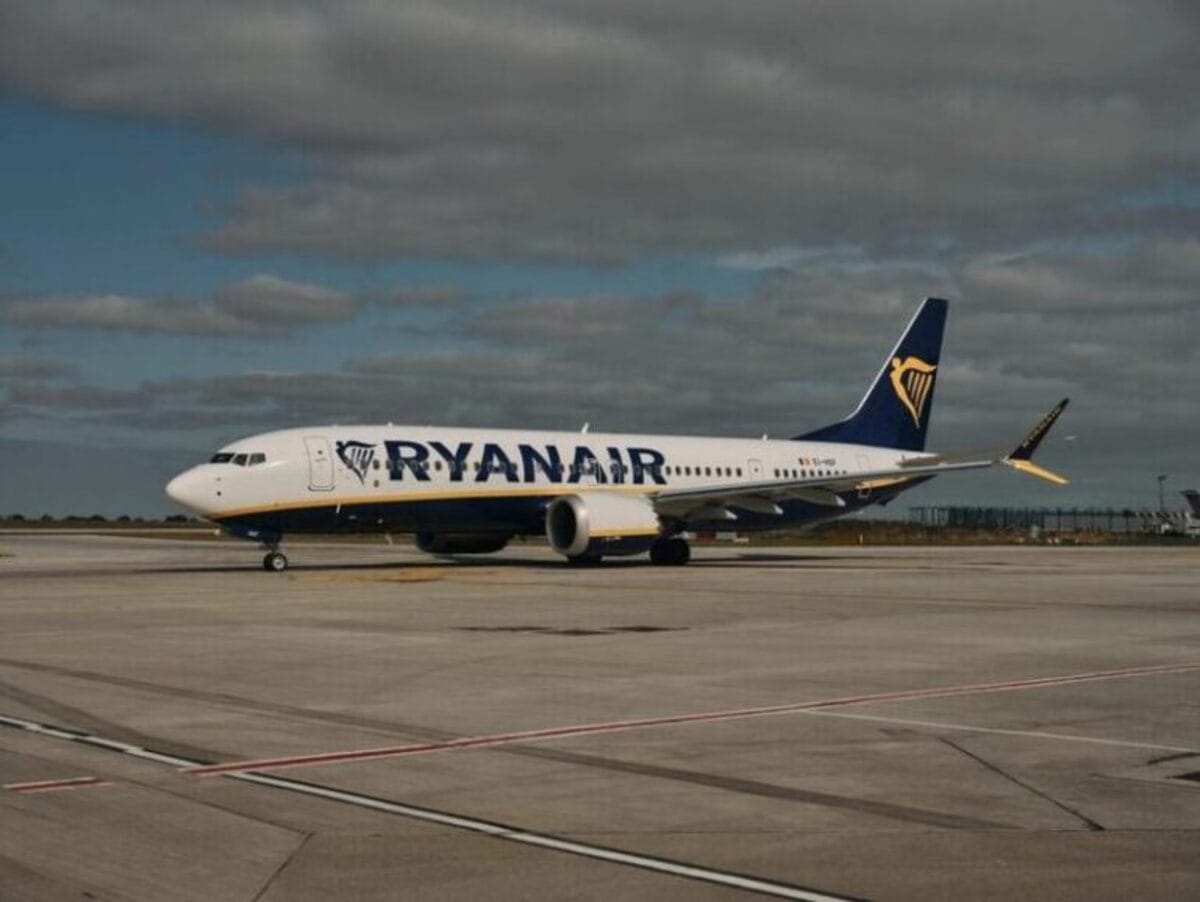
Image generated with Ai
A 23 September business update warned that higher fuel prices could raise airfares for summer 2027. For UK travellers, Summer 2027 Holiday Costs may therefore depend partly on how aviation fuel prices develop. The warning is a forecast, not an increase announced for every ticket. The update also reported a lower passenger traffic target, but identified no cancelled route. Official industry data confirm substantial fuel cost pressure, while European travel figures show that prices and demand have varied. Travellers do not need to change existing plans because of this warning. They should assess the actual fare and terms offered for their journey.
What the Fare Warning Does and Does Not Establish
The reported warning centres on an airline’s possible future fuel bill. The business update attributed a calculation to the airline: if its fuel cost rose from about $80 to $100 a barrel, its annual bill could rise from €6 billion to €7.5 billion. It also reported a reduction in the airline’s passenger traffic target for next year. Those company-specific figures were not independently established in the official sources reviewed here. They remain attributed claims, rather than verified outcomes. Neither the calculation nor the target change supplies a new fare for a particular flight.
The confirmed wider development is a sharp increase in forecast airline fuel costs during 2026. A recognised international aviation organisation projected that the global industry’s fuel bill would reach $350 billion, compared with $252 billion in 2025. It also forecast rising passenger ticket revenue as airlines sought to recover some of their costs. That supports concern about future Holiday Costs, but it does not prove that all summer 2027 fares will rise. Routes, departure dates and the number of seats offered will matter when travellers compare prices.
Evidence Behind Summer 2027 Holiday Costs
The table separates the subjects in this story by their importance to travellers. The percentages are an editorial assessment of the story’s focus, not official statistics, probabilities or estimates of future fare increases. They total 100%. “Verified” refers to the broader industry evidence and existing rules; it does not turn the reported company warning into an independently confirmed ticket price.
Advertisement
Advertisement
| News component | Share of story — editorial assessment | Officially verified finding | Relevance to travellers | Official source |
|---|---|---|---|---|
| Aviation fuel and fares | 55% | Global airline fuel costs were forecast at $350 billion for 2026, up from $252 billion in 2025. | Higher costs can pressure newly offered fares, but no individual 2027 price follows from this forecast. | International aviation industry outlook |
| Tourism demand | 20% | EU tourist accommodation recorded 849.8 million nights in Q2 2026, up 1.2% year on year. | Travel activity continued, though this figure does not predict next summer’s demand. | European statistical office |
| Booking and price rules | 15% | Under EU air fare rules, the final ticket price must be displayed upfront. | A later fuel surcharge cannot simply be added to an air ticket already bought under those rules. | European transport authority |
| Visas, passports and specific services | 10% | The fuel-cost evidence announces no entry-rule change or specific route cancellation. | Travellers should check the requirements and schedule for their own trip. | Scope of the official aviation and transport material reviewed |
The strongest evidence concerns industry costs, followed by measured tourism activity and existing fare rules. The figures cover different periods and subjects. A fuel bill is an airline expense; an accommodation night records a visitor’s stay; a fare rule governs how a price is displayed or changed. None can be converted into a dependable summer 2027 ticket price. The reported passenger target also cannot establish which, if any, flights will operate differently. This is principally an airline fares and costs story, with a possible tourism effect that has yet to be measured.
Advertisement
Advertisement
How Fuel and Demand Have Developed
The relevant official record begins with the wider Middle East disruption in 2026. A June industry outlook linked the conflict and higher fuel prices to weaker airline profitability. It forecast an average jet fuel price of $152 a barrel for 2026, compared with $90 in 2025. It also projected that fuel would account for 31.4% of airline operating expenses, up from 25.4% the year before. Jet fuel is not the same product as crude oil. Their prices can differ, so a crude oil figure cannot by itself tell travellers how much a ticket will cost.
By the second quarter of 2026, European monetary research had recorded reports of a travel effect. Aviation contacts estimated that traffic to and from euro area airports was around 2% to 4% below where it otherwise would have been. They cited both reduced capacity on less profitable routes and demand that fell in response to higher ticket prices. This was an assessment from industry contacts, not a count of cancelled flights. The September warning then raised a separate question about next summer. Summer 2027 Holiday Costs remain an outlook issue: the official evidence describes 2026 conditions, while the future fare on each route remains unknown.
What the Figures Mean for Travellers and Tourism
Higher fuel spending is a credible source of fare pressure, but airlines do not pass every change to passengers immediately or equally. The June industry outlook estimated that airlines had arranged protection against price movements for roughly one-third of their expected 2026 fuel use. Such arrangements can soften a short-term increase without shielding an airline indefinitely. The same outlook forecast a 7% rise in passenger ticket yields during 2026. Yield measures revenue from passenger travel across the industry; it is not an announced 7% increase for every ticket. It also cannot be applied directly to fares offered in 2027.
Advertisement
Advertisement
Tourism data provide a necessary counterweight to claims that higher fuel prices have stopped travel. Visitors spent about 1.3 billion nights in EU tourist accommodation during the first half of 2026, up 1.7% from the same period in 2025. In the second quarter, international visitors accounted for 425.4 million nights. These measured stays do not mean that travellers were unaffected by airfares. They show that the region’s tourism activity continued while airlines faced cost pressure. For hotels and destinations, any change in Holiday Costs could influence future choices, but no official figure reviewed here establishes such an effect for summer 2027.
Booking Protection and Practical Next Steps
Price protection depends on what has been booked and which rules apply. European transport guidance says sellers must display the final air ticket price upfront. It says a rise in fuel costs does not justify adding a retrospective fuel surcharge to a ticket already purchased under EU air fare rules. A package holiday can have different contractual provisions: a later price increase may be permitted only under specific conditions if the contract allows it. That distinction matters more to an existing booking than a general warning about next year’s fuel bill. The warning itself announces no visa rule, passport requirement, flight cancellation or new fee.
Advertisement
Advertisement
Travellers considering summer 2027 do not need to alter a booking solely because of a fare forecast. Those still planning a trip can make decisions using the prices and conditions actually available to them. The following checks connect directly to the development:
- Check the live schedule for the intended outward and return flights; a lower traffic target does not identify a cancelled service.
- Compare final displayed prices for the dates needed, including any optional purchases required for the journey.
- Read package booking terms for any permitted later price adjustment.
- Confirm passport and entry requirements through the destination’s official authority; no change was announced in the fare warning.
- Keep the booking confirmation and monitor direct updates concerning a flight already purchased.
What Happens Next for the Travel Market
The next meaningful information for travellers will be bookable fares and schedules for their chosen dates. Future industry reports may show whether aviation fuel costs continue to rise or ease, but an industry average will not determine the price of one seat. No official source reviewed here sets a date for a summer 2027 fare decision, names a route to be withdrawn because of the reported target change, or announces a new visa or passport policy. Claims of a guaranteed increase across all UK departures would therefore go beyond the evidence.
The distinction between forecast pressure and confirmed change should guide coverage as well as holiday planning. Fuel costs are a substantial, documented challenge for aviation, and higher fares have already featured in official assessments of 2026 travel. European accommodation data, meanwhile, show continuing tourism activity. Those findings explain why the warning matters, but they do not settle what each traveller will pay next year. Summer 2027 Holiday Costs will become clearer through published prices, schedules and booking conditions. Until then, readers should follow official updates and judge each trip by the terms actually offered.
Advertisement
