
Belarus Positions Minsk Airport as a Gateway for Eurasian Transit

Published
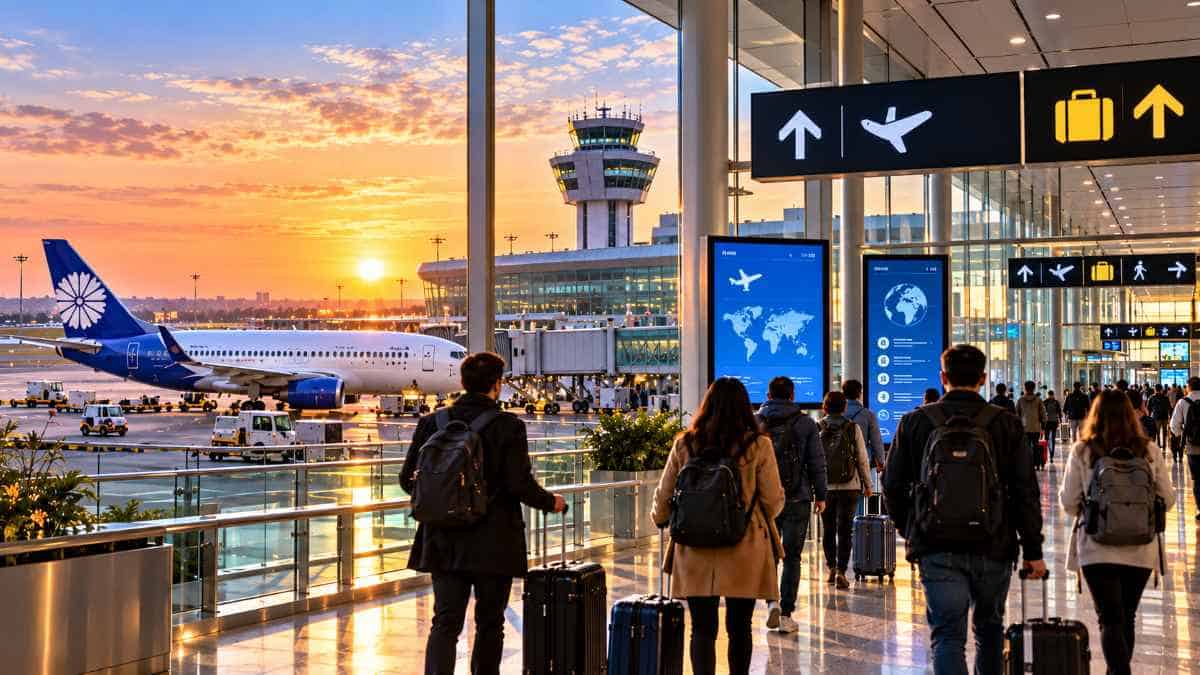
There are efforts being made by Belarus to increase the importance of Minsk National Airport in terms of providing international passenger connectivity, with emphasis placed on procedures for transfers, digital travel and connections between Asia and the Eurasian region. The plan involving the Ministry of Sport and Tourism, the Aviation Department and Belavia is aimed at making the transfers through Minsk easier for passengers travelling between South and Southeast Asia and other destinations across the Eurasian region. It involves a paperless baggage transfer, easy airside connections and multilingual digital assistance for international travellers. Such a framework may be beneficial to travellers who use Minsk Airport as a transfer point, especially during the peak seasons. Yet, the actual information about the introduction of a new operational procedure, which lowers minimum transfer times and introduces a paperless transfer system for international passengers, needs to be confirmed by the corresponding authorities. Transfer arrangements involve airline policies, airport procedures, traveller documents and the nature of each booking individually. Yet, the whole idea is important. Belarus is located geographically between Eastern Europe and the Eurasian region.
Minsk National Airport’s Role in Regional Aviation
Minsk National Airport is Belarus’s principal international airport and the main gateway for passengers travelling to and from the country. Located outside the capital, it handles scheduled passenger services, charter operations and cargo movements.
The airport’s position gives it access to markets across Eastern Europe and parts of Eurasia. Its potential as a transfer hub depends on the strength of its airline network, the availability of convenient connections and the ability to coordinate passenger movements between arriving and departing services.
Belavia, Belarus’s national airline, is central to the country’s international air connectivity. Its network provides links between Minsk and a range of regional destinations, although the availability of onward connections varies by season and operating schedule.
Advertisement
Advertisement
For passengers travelling from South Asia, the attraction of a connection through Minsk would depend on whether suitable flights operate from their departure city and whether onward services align with their travel plans.
The same applies to travellers from Southeast Asia. A convenient connection requires more than geographical proximity. Competitive fares, manageable waiting times, baggage arrangements and reliable flight schedules all influence the choice of transit airport.
Advertisement
Advertisement
Paperless Baggage Transfers Could Simplify Connections
One of the central elements in the reported initiative is a paperless baggage transfer procedure for eligible international passengers.
On connecting journeys, baggage handling can be a major consideration. Passengers may need to collect their luggage, pass through customs and check in again before boarding another flight. In other circumstances, airlines can arrange for baggage to be transferred directly to the next service.
Advertisement
Advertisement
Through-checking arrangements are generally determined by the airlines involved, the ticket conditions and the applicable airport and border procedures. A passenger travelling on a single ticket with participating carriers may have different arrangements from someone holding separate bookings.
A more coordinated digital process could help reduce uncertainty by allowing airlines and ground-handling teams to exchange relevant baggage information. It could also make it easier for passengers to understand whether their luggage will be transferred automatically or whether they need to collect it during the connection.
However, a paperless system does not remove customs or security requirements. Passengers must still follow the rules applicable to their itinerary and destination.
Digital Assistance Could Improve the Passenger Experience
The reported framework also refers to automated multilingual terminal support. Digital assistance can be particularly useful at international airports where passengers speak different languages and may be unfamiliar with terminal layouts.
Advertisement
Advertisement
Interactive information screens, mobile travel updates and automated guidance can help travellers locate transfer desks, boarding gates, security checkpoints and passenger facilities.
For passengers with short connections, accurate information is especially important. Changes to departure gates, boarding times and baggage arrangements can affect whether they reach their onward flight without difficulty.
Multilingual assistance could also support travellers arriving from markets where English is not the preferred language. Clear information in widely used languages may help reduce confusion during the transfer process.
Nevertheless, digital services need to be supported by airport staff who can assist with exceptional cases, including missed connections, document problems and passengers requiring additional support.
E-Visas and Transit Requirements Need Clear Distinction
Belarus has developed electronic visa facilities for eligible foreign nationals, providing a digital route through which certain visitors can apply for permission to enter the country.
An e-visa, however, should not be confused with an international airside transit arrangement. A passenger remaining within an authorised international transit area may be subject to different requirements from someone who intends to enter Belarus during a stopover.
Advertisement
Advertisement
Nationality, travel documents, ticket arrangements, connection duration and the need to pass through border control can all affect the applicable rules.
Travellers should therefore check Belarusian entry and transit requirements before booking. They should also confirm whether their airline can transfer baggage directly and whether the itinerary requires them to leave the international transit area.
These distinctions are important for passengers travelling through Minsk on separate tickets or using airlines without an established baggage-transfer arrangement.
South and Central Asian Markets Offer Connectivity Potential
South Asia represents an important market for international travel, supported by demand for business trips, family visits, education and leisure journeys. Southeast Asia also generates substantial international passenger movement, with travellers connecting through different regional and long-haul gateways.
For Belarus, stronger links with these markets could broaden the range of passengers using Minsk. Central Asian cities may also offer opportunities for regional connections, particularly where airline schedules provide convenient onward journeys.
The reported transit framework appears designed to support this wider ambition by making transfers easier to manage. However, the development of a successful hub requires a consistent network of flights rather than improvements to terminal procedures alone.
Advertisement
Advertisement
Airline partnerships, route frequency, aircraft availability and commercially attractive schedules will determine whether Minsk can compete for a larger share of connecting traffic.
What Travellers Should Check Before Connecting Through Minsk
Those thinking of using Minsk Airport as a connection point must ensure the operating carrier, time taken, and ticket bookings are sorted out prior to making any purchase. They must determine whether the two flights have been booked under the same booking; whether baggage will travel right to the final destination and whether the connection will need passport control or not. The travellers should also find out whether the visa and transit requirements are applicable for their nationalities. These can always be updated and are best obtained from official sources and the respective airline carriers. The advantage of Belarus is that it can capitalise on its location combined with reliable airline operations and an easier airport experience.
Advertisement
