
Croatia’s Lastovo Island Highlights Sustainable Travel With Protected Nature and Authentic Adriatic Experiences

Updated
Published
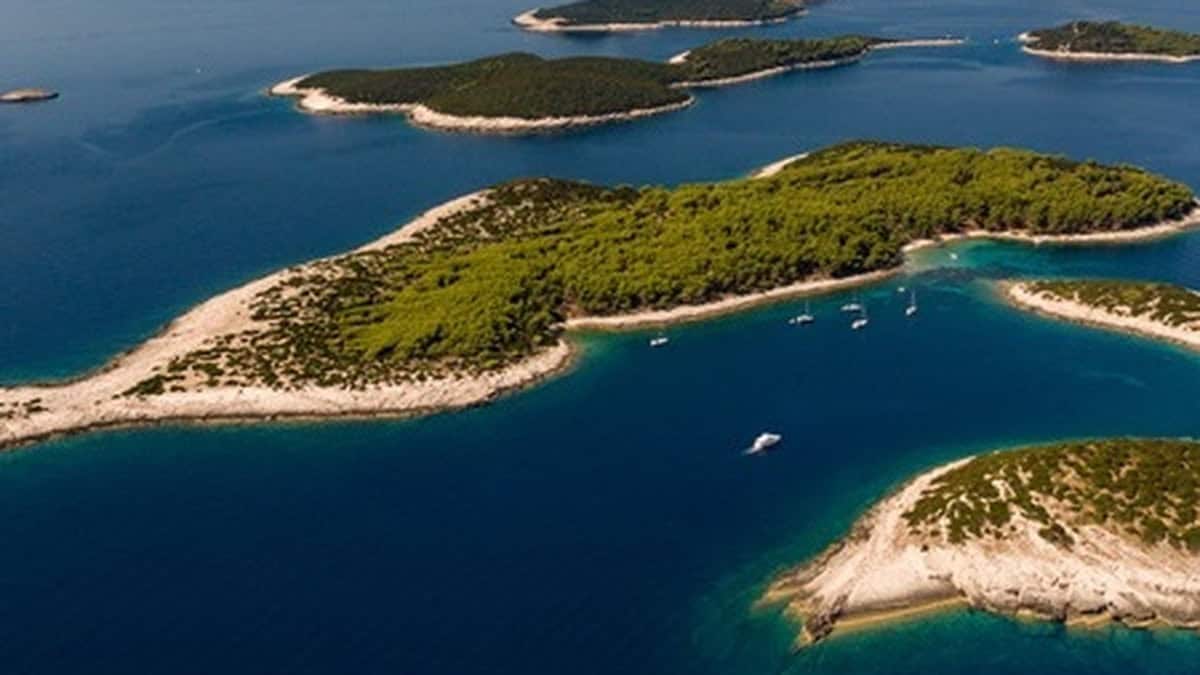
Croatia’s Lastovo Island is becoming an important example of how protected Adriatic destinations can develop tourism without compromising fragile ecosystems. Located in the southern Dalmatian archipelago, Lastovo combines nature protection, responsible visitor management, ecological monitoring and community-based tourism principles. The island’s status as a protected nature park, supported by Croatia’s national sustainable tourism strategy, provides a model for destinations seeking alternatives to mass coastal tourism. The approach is increasingly relevant as Mediterranean destinations focus on balancing economic benefits with environmental preservation.
Croatia’s Sustainable Tourism Strategy Places Protected Islands at the Centre of Future Growth
Croatia’s tourism development is increasingly moving towards a model based on quality, resilience and environmental protection rather than only visitor volume. The country’s Sustainable Tourism Development Strategy until 2030 identifies environmentally responsible tourism, regional balance, innovation and resilience as key priorities for the sector.
Advertisement
Advertisement
Within this national framework, destinations such as Lastovo Island represent a different pathway from heavily concentrated coastal tourism centres. Instead of expanding through large-scale infrastructure, Lastovo’s tourism identity is built around protected landscapes, marine biodiversity, cultural heritage and nature-based experiences.
The strategic importance of Lastovo comes from its ability to demonstrate how smaller island destinations can create economic opportunities while maintaining ecological limits.
Advertisement
Advertisement
Croatia Sustainable Tourism Framework and Lastovo Connection
| Area | Official development focus | Relevance for Lastovo |
|---|---|---|
| Environmental protection | Tourism growth aligned with climate and nature goals | Lastovo operates within a protected natural environment |
| Regional balance | Encouraging tourism beyond highly concentrated destinations | Supports remote island tourism development |
| Visitor quality | Moving towards higher-value experiences | Matches Lastovo’s nature and heritage offer |
| Community resilience | Supporting local economies | Strengthens island-based tourism activities |
Croatia’s Ministry of Tourism and Sports defines sustainable tourism as development that considers economic, social and environmental impacts while addressing the needs of visitors, businesses, communities and ecosystems.
Lastovo Island Nature Park Creates a Natural Barrier Against Mass Tourism Pressure
The most important factor shaping Lastovo’s tourism future is its protected status.
Advertisement
Advertisement
The Lastovo Islands were declared a nature park in 2006, creating a conservation framework covering the archipelago’s landscapes, marine environment and biodiversity.
Unlike many Mediterranean destinations that expanded rapidly before establishing environmental controls, Lastovo entered the modern tourism era with protection principles already embedded into destination management.
Advertisement
Advertisement
The island covers approximately 56.2 square kilometres, while the wider Lastovo Islands Nature Park covers an archipelago area of around 195.83 square kilometres.
This protected status influences how tourism activities are organised.
Visitors are encouraged towards:
- walking and cycling routes
- diving and marine exploration
- guided nature experiences
- cultural heritage discovery
- small-scale accommodation
The Lastovo Islands Nature Park applies visitor rules designed to protect biodiversity, including restrictions on damaging natural resources, uncontrolled camping and movement outside designated areas.
Advertisement
Advertisement
Dubrovnik and Split Remain Key Gateways Linking Lastovo With Sustainable Adriatic Travel
Although Lastovo itself is the centre of this sustainable tourism model, two major Croatian cities remain closely connected to its accessibility network: Dubrovnik and Split.
Dubrovnik provides a regional connection because Lastovo is located within Dubrovnik-Neretva County, linking the island with one of Croatia’s most internationally recognised tourism regions.
Split functions as another important gateway because ferry and catamaran connections link travellers from mainland Croatia towards Lastovo through Dalmatian maritime routes.
Lastovo Accessibility Network
| Gateway | Role in Lastovo tourism connection |
|---|---|
| Dubrovnik | Regional tourism hub within Dubrovnik-Neretva County |
| Split | Major Dalmatian transport connection for island access |
| Ubli Port, Lastovo | Main arrival point on the island |
The transport model itself supports controlled tourism growth. Because Lastovo is accessible mainly through maritime connections, visitor flows naturally remain different from destinations connected by major airports and highways.
Ecological Monitoring Gives Lastovo a Stronger Sustainable Tourism Advantage
One of the most significant aspects of Lastovo’s tourism development is the use of environmental measurement approaches.
Croatia’s Ministry of Tourism and Sports has previously highlighted projects involving ecological footprint monitoring in protected destinations, including Lastovo Islands Nature Park.
Advertisement
Advertisement
The DestiMED-related work examined tourism impacts linked to areas such as:
| Tourism impact area | Sustainability relevance |
|---|---|
| Food consumption | Measures environmental impact of visitor spending patterns |
| Accommodation | Evaluates resource use |
| Transport | Assesses mobility-related pressures |
| Activities | Examines recreational impact on protected areas |
This approach is important because sustainable tourism is increasingly moving from promotional messaging towards measurable environmental performance.
For travel operators, this creates opportunities to develop packages based on conservation, education and authentic local experiences rather than high-volume sightseeing.
Why Lastovo Matters for International Travel Operators and Destination Planners
The wider importance of Lastovo extends beyond Croatia.
Many island destinations worldwide face similar challenges: limited infrastructure, sensitive ecosystems, seasonal overcrowding and pressure on local communities.
Lastovo demonstrates a different model:
Advertisement
Advertisement
- protect natural assets first
- develop tourism around local identity
- encourage longer-stay experiences
- prioritise quality over uncontrolled growth
- connect visitors with conservation objectives
This direction aligns with broader Mediterranean tourism trends where destinations are seeking ways to reduce environmental pressure while maintaining tourism revenue.
For international tour operators, Lastovo represents the growing demand for:
- slow travel
- remote island experiences
- nature-based holidays
- sustainable Adriatic itineraries
- authentic community-led tourism
Operational Takeaways for Travel Agents and Tour Operators
Travel businesses planning Croatia itineraries should consider:
- Promote Lastovo as a protected nature destination rather than a mass-market beach product.
- Highlight responsible activities such as hiking, diving, cycling and guided nature experiences.
- Build itineraries that combine Lastovo with sustainable Adriatic routes through Split and Dubrovnik.
- Inform travellers about protected-area regulations before arrival.
- Avoid positioning the island as an alternative overcrowded hotspot.
- Focus on off-season and shoulder-season experiences to support balanced tourism flows.
- Work with local suppliers that follow environmental protection practices.
Long-Term Outlook
Croatia’s Lastovo Island represents a broader shift in global tourism planning: remote destinations are increasingly being evaluated not only by how many visitors they attract, but by how effectively they preserve natural resources while creating local economic value.
The island’s protected status, ecological monitoring initiatives and alignment with Croatia’s sustainable tourism strategy position it as a reference point for responsible island tourism development.
As international travellers increasingly seek meaningful, low-impact experiences, destinations such as Lastovo could become increasingly important examples of how tourism growth can be managed alongside conservation goals.
Advertisement
